Cost of Electric Heaters vs. Central Heating: Which is Right for Your Home?
Hey there! If you’re sitting down to figure out how to keep your home warm without breaking the bank, you’ve probably wondered about the cost of electric heaters versus central heating. I’ve been there too, flipping through energy bills and scratching my head over which option makes the most sense. It’s a big decision, especially with winter creeping in and energy prices always seeming to climb. I’ve spent a lot of time digging into this topic, comparing costs, efficiency, and practicalities for my own home here in the USA. So, let’s walk through this together and break down everything you need to know to make the right choice for your wallet and comfort. Whether you’re heating a cozy apartment or a sprawling house, I’ll share what I’ve learned to help you decide.
If running cost or sizing is part of the decision, Cost Of Space Heaters Vs Central Heat: Essential Showdown explains the numbers from a related angle.
Understanding Electric Heaters and Central Heating
Let’s start with the basics. Electric heaters and central heating are two different beasts, each with its own way of keeping you toasty. When I first started exploring this, I was surprised by how different they are in terms of setup, cost, and how they work in real life.
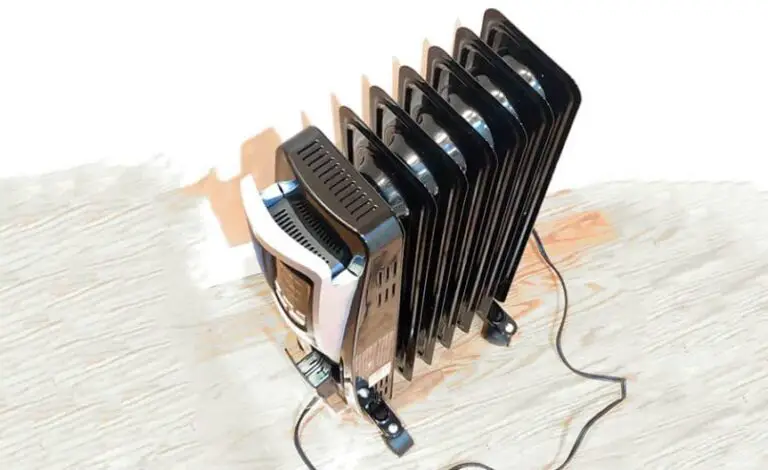
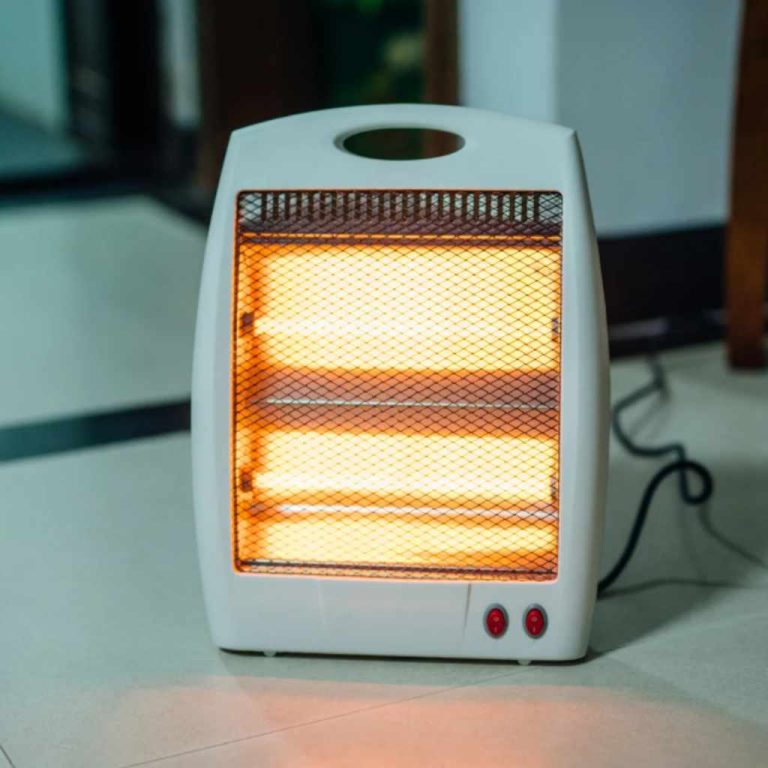
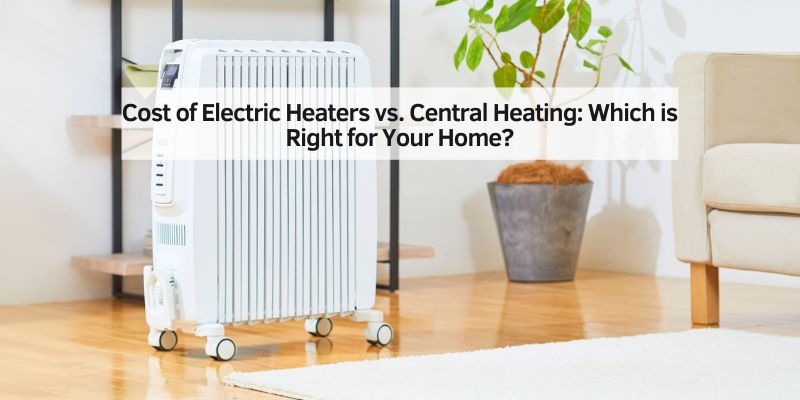
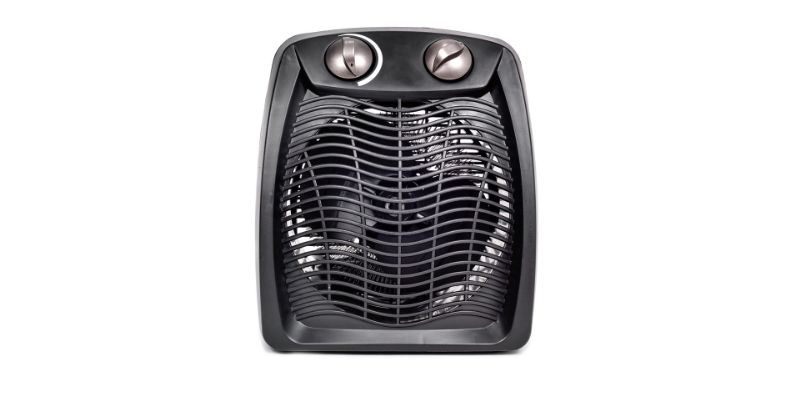
Electric heaters are standalone devices you plug into an outlet. They come in all shapes and sizes—think portable fan heaters, oil-filled radiators, or sleek infrared panels. They’re designed to heat a specific area, like your living room or home office. I’ve got a little ceramic heater under my desk that’s a lifesaver when I’m working from home. These heaters are super easy to set up; you just plug them in, and they start pumping out heat. But they’re usually meant for smaller spaces, and running multiple units can add up fast.
Central heating, on the other hand, is a whole-house system. It typically uses a furnace or boiler to generate heat, which is then distributed through ducts (for forced-air systems) or pipes (for radiators or underfloor heating). In the USA, most central heating systems run on natural gas, though some use electricity or oil. When I moved into my current home, it came with a gas furnace, and I love how it keeps every room consistently warm. But it’s a bigger investment upfront, and it’s not always practical for every situation.
Both options have their pros and cons, and the costs depend on a lot of factors—like your home’s size, insulation, and energy prices in your area. Let’s dive deeper into those costs so you can see what might work best for you.
Upfront Costs: What You Pay to Get Started
When I started comparing electric heaters and central heating, the first thing that hit me was the upfront cost. It’s a big deal, especially if you’re on a budget.
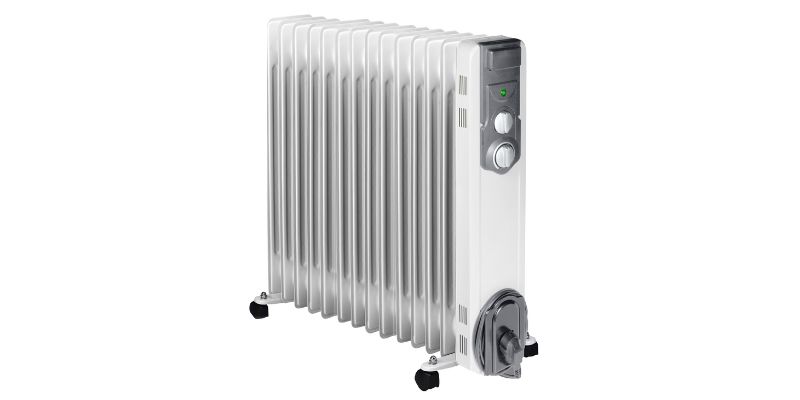
Electric heaters are the clear winner here for affordability. You can pick up a decent portable heater for as little as $20 to $50 at a local store or online. Higher-end models, like oil-filled radiators or smart heaters with Wi-Fi controls, might set you back $100 to $400 each. If you’re heating a small apartment or just one room, you might only need one or two heaters, so the cost stays low. I bought a $40 fan heater for my bedroom, and it’s been a game-changer for chilly nights. If you’re thinking about electric radiators for a more permanent setup, those can cost $200 to $500 each, depending on the size and features. Still, there’s no installation hassle—just plug and go.
Central heating is a different story. Installing a full system is a major investment. For a gas-powered central heating system with a furnace, ductwork, and vents, you’re looking at $3,000 to $7,000 for a standard home, based on my research and conversations with local contractors. If your home doesn’t already have ductwork, the price can climb to $10,000 or more. Electric central heating systems, like those using a heat pump or electric boiler, can cost $4,000 to $8,000 to install. When we upgraded our old furnace last year, the quotes we got were eye-opening! Plus, you’ll need professional installation, which adds to the cost and time.
Here’s a quick table to break it down:
| Heating Option | Upfront Cost | Installation |
|---|---|---|
| Portable Electric Heater | $20–$400 per unit | None (plug and play) |
| Electric Radiators | $200–$500 per unit | Minimal (wall-mounted, plug-in) |
| Gas Central Heating | $3,000–$10,000 (full system) | Professional, 1–3 days |
| Electric Central Heating | $4,000–$8,000 (full system) | Professional, 1–3 days |
So, if you’re looking for a quick, budget-friendly option, electric heaters are hard to beat. But if you’re planning for long-term, whole-house heating, central systems might be worth the investment. Let’s talk about what it costs to actually run these systems.
Running Costs: What Hits Your Energy Bill
Here’s where things get tricky. The upfront cost is one thing, but the real question is what you’ll pay month after month to keep your home warm. I’ve crunched the numbers for my own home, and I’ll share what I found.
Electric heaters run on electricity, which is generally more expensive than natural gas in the USA. The average cost of electricity is about 16 cents per kilowatt-hour (kWh), though it varies by state. A typical 1,500-watt (1.5 kW) electric heater costs about 24 cents per hour to run. If you use it for 5 hours a day, that’s $1.20 daily or about $36 a month for one heater. If you’re heating multiple rooms with several heaters, the costs stack up fast. I learned this the hard way when I tried using two heaters in my apartment one winter—my electric bill spiked!
Central heating costs depend on the fuel type. Gas furnaces are the most common in the USA, and natural gas costs around $1.50 per therm (equivalent to about 5 cents per kWh of heat). A typical gas furnace uses 24 kW to heat an average home, costing about $1.20 per hour. For a 5-hour daily run, that’s $6 a day or $180 a month. But here’s the kicker: that’s for heating the whole house, not just one room. If you’re only heating one room with an electric heater, it’s often cheaper than firing up the entire central system. I found this out when I started working from home and only needed my office warm during the day.
Electric central heating, like a heat pump, is a bit different. Heat pumps are super efficient because they move heat rather than generate it, often producing 3–4 times more heat per unit of electricity. This makes them cheaper to run than portable electric heaters, sometimes costing as little as $100–$150 a month for a whole house. But their efficiency depends on your climate—heat pumps work best in milder winters, not freezing ones.
Here’s how the running costs compare for an average month (based on 5 hours daily use):
| Heating Option | Hourly Cost | Monthly Cost (5 hrs/day) |
|---|---|---|
| Electric Heater (1.5 kW) | $0.24 | $36 (one room) |
| Gas Furnace (24 kW) | $1.20 | $180 (whole house) |
| Electric Heat Pump | $0.80–$1.00 | $120–$150 (whole house) |
The big takeaway? Electric heaters are cheaper for spot heating (one or two rooms), but central heating—especially gas—wins for whole-house warmth. If you’re like me and spend most of your day in one room, a heater might save you money. But if your whole family is spread out across the house, central heating is usually the better deal.
Energy Efficiency: Getting the Most Heat for Your Buck
Efficiency is a big factor in how much you’ll actually pay over time. I used to think all heaters were about the same, but I was wrong. Let’s break it down.
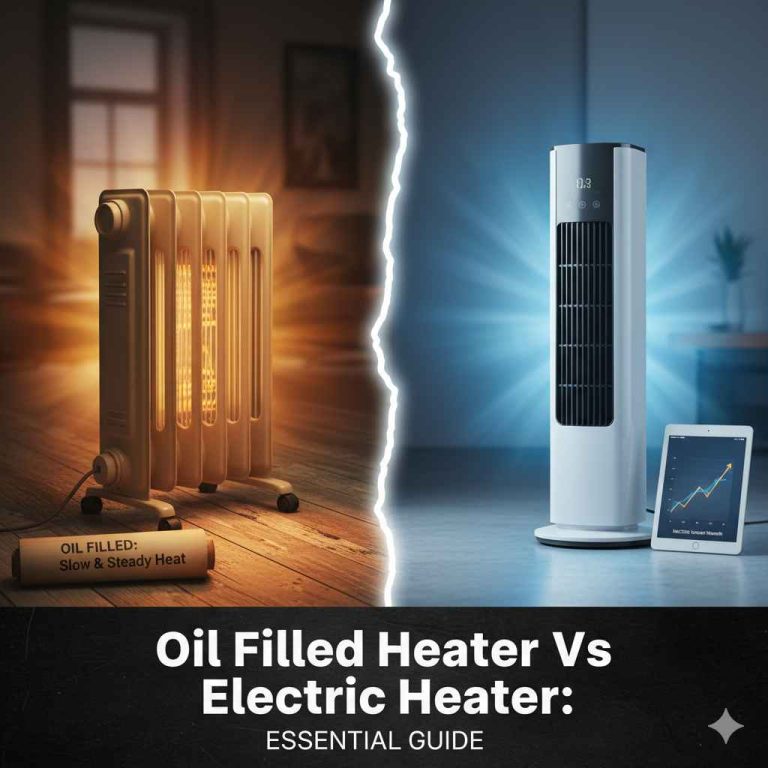
Electric heaters are technically 100% efficient because all the electricity they use turns into heat. But that doesn’t mean they’re cheap to run. The heat they produce is focused, so you’re only warming a small area. If you’re trying to heat a big space or multiple rooms, you’ll need several heaters, and the costs add up. Plus, some types of electric heaters are better than others. For example, I’ve found that oil-filled radiators hold heat longer, so they don’t need to run as much. Infrared heaters, on the other hand, warm objects (like you) directly, which feels cozy but doesn’t heat the air as evenly.
Gas central heating systems are less efficient—modern gas furnaces are about 90–95% efficient, meaning some heat is lost through vents or pipes. But because gas is so much cheaper than electricity, the overall cost per unit of heat is lower. When I switched to a high-efficiency gas furnace, I noticed my bills dropped compared to my old, clunky model.
Heat pumps are the efficiency champs. They can achieve 300–400% efficiency because they transfer heat from outside air (or the ground) into your home. I was skeptical at first, thinking, “How can it pull heat from cold air?” But after researching, I learned they’re like magic for moderate climates. In super cold areas, though, they might need a backup heater, which can add to costs.
Here’s what I’ve learned: if you want efficiency for a small space, an electric heater does the job. For whole-house heating, a gas furnace or heat pump is usually more efficient overall because it spreads heat evenly without needing multiple units.
Maintenance and Longevity: What’s the Long-Term Deal?
Another thing I had to consider was maintenance and how long these systems last. Nobody wants to be stuck with a broken heater in the middle of a snowstorm!
Electric heaters are low-maintenance. There’s no plumbing or fuel lines to worry about, so you just plug them in and they work. I’ve had my little fan heater for five years, and it’s still going strong with zero upkeep. Some fancier models, like oil-filled or smart heaters, might need occasional cleaning or a software update, but that’s it. Most electric heaters last 5–10 years, though high-quality ones can go longer.
Central heating systems require more TLC. Gas furnaces need annual servicing to check for issues like carbon monoxide leaks, which can cost $100–$200 a pop. I schedule mine every fall to avoid surprises. Boilers and radiators might need bleeding or flushing, which adds to the maintenance cost. A good gas furnace lasts about 15–20 years, while electric systems like heat pumps can last 10–15 years with proper care.
Here’s the trade-off: electric heaters are cheaper and easier to maintain, but you might need to replace them sooner. Central systems last longer but come with regular maintenance costs. When I weighed this for my home, I decided the convenience of electric heaters was worth it for spot heating, but I’m glad I have a central system for the whole house.
Safety Considerations: Keeping Your Home Safe
Safety is a big deal when you’re dealing with heat. I’ve had a few moments where I wondered if I was using my heaters safely, so I dug into this too.
Electric heaters can be risky if not used properly. They can overheat or tip over, potentially causing fires. I always make sure my heaters have safety features like tip-over protection and auto-shutoff. Never plug them into extension cords, as that’s a fire hazard. I also keep them away from curtains or furniture—learned that after a close call with a blanket!
Gas central heating systems have their own risks, mainly carbon monoxide leaks. That’s why I installed carbon monoxide detectors in every room and get my furnace checked yearly. Electric central systems, like heat pumps, are generally safer since there’s no combustion involved, but they still need proper installation to avoid electrical issues.
Both options can be safe if you follow guidelines, but electric heaters require more vigilance since they’re often portable and closer to flammable materials. Central systems, once installed correctly, are generally less hands-on.
Environmental Impact: Going Green
I care about the environment, so I wanted to know how these options stack up for sustainability. This was a big factor in my decision-making.
Electric heaters and electric central systems rely on the grid, which in the USA is still powered largely by fossil fuels. But if you live in an area with renewable energy options or have solar panels, electric heating can be greener. I’ve been looking into solar for my home, and the idea of powering an electric heater with clean energy is appealing.
Gas central heating produces more carbon emissions because it burns fossil fuels directly. Even high-efficiency furnaces contribute to your carbon footprint. Heat pumps are the most eco-friendly option since they use less electricity and don’t burn fuel. If you’re aiming for a smaller environmental impact, a heat pump or electric system paired with renewable energy is the way to go.
Which Should You Choose? It Depends on Your Needs
After all my research and trial-and-error, here’s what I’ve figured out. If you’re like me and sometimes just need to heat one room—like your office or bedroom—an electric heater is probably your best bet. It’s cheap to buy, easy to use, and saves you from running the whole central system. But if you’ve got a big family or a large home, central heating (especially gas or a heat pump) is usually more cost-effective for keeping everyone warm.
Think about your lifestyle too. If you’re renting or don’t want to deal with installation, electric heaters are a no-brainer. If you own your home and plan to stay for years, investing in a central system might pay off in the long run. Also, check your local energy prices—electricity costs vary a lot across the USA, and that can tip the scales.
My Personal Tips for Saving Money
No matter which option you choose, I’ve picked up a few tricks to keep costs down:
- Insulate your home. I added weatherstripping to my windows and doors, and it made a huge difference in keeping heat in.
- Use a programmable thermostat. For central heating, this lets you set specific times to save energy. I set mine to lower the temperature when I’m asleep or out.
- Choose the right heater type. For electric heaters, I found oil-filled radiators or infrared models to be more efficient for longer use.
- Layer up. Sometimes, a warm sweater or blanket means you don’t need to crank the heat as much. I keep a throw on my couch for chilly evenings.
- Check for rebates. Some states offer incentives for installing energy-efficient systems like heat pumps, which saved me a chunk of change.
Conclusion
Deciding between electric heaters and central heating isn’t just about crunching numbers—it’s about what fits your life. I’ve spent countless winters tweaking my setup, from cozying up with a portable heater to relying on my gas furnace for family gatherings. Both options have their place, and the best choice depends on your home, budget, and how you use your space. Electric heaters are fantastic for quick, targeted warmth, especially if you’re on a budget or only need to heat one room.
Central heating, whether gas or electric, shines for whole-house comfort and long-term savings, especially in larger homes. By understanding the costs, efficiency, and practicalities, you can pick the system that keeps you warm without burning a hole in your wallet. Stay cozy out there, and feel confident knowing you’ve got the info to make a smart decision!
Frequently Asked Questions
Is it cheaper to use an electric heater or central heating for one room?
For heating just one room, an electric heater is usually cheaper. A 1.5 kW electric heater costs about 24 cents per hour to run, while a gas furnace heating the whole house can cost $1.20 or more per hour. If you’re spending most of your time in one space, like a home office, a portable heater is a budget-friendly choice.
How long do electric heaters last compared to central heating systems?
Electric heaters typically last 5–10 years, depending on the model and usage. Central heating systems, like gas furnaces or heat pumps, can last 15–20 years with regular maintenance. I’ve had my electric heater for years with no issues, but my furnace needed servicing to hit that lifespan.
Are electric heaters safe to use overnight?
It’s generally not recommended to leave electric heaters on overnight due to fire risks, unless they have safety features like auto-shutoff or tip-over protection. I always turn mine off before bed and rely on my central heating for overnight warmth, which feels safer.
Can I use electric heaters with solar panels to save money?
Yes! If you have solar panels, electric heaters or an electric central system can be powered by renewable energy, cutting your costs and environmental impact. I’m exploring solar for my home, and it’s exciting to think about running heaters for nearly free.
Do heat pumps work well in very cold climates?
Heat pumps are super efficient in mild climates, but in very cold areas (like below 20°F), they may need a backup heater, which can add to costs. I’ve read about folks in colder states pairing heat pumps with a gas furnace for the best of both worlds.