Cove Heaters Vs Convection Heaters: Proven Best
Cove heaters are generally considered the best for quiet, consistent, and gentle whole-room warmth, ideal for bedrooms or living areas where noise is a concern. Convection heaters offer faster heating of a specific area and are often more portable, making them good for quick warm-ups but potentially noisier.
Choosing the right heater can feel like a puzzle, especially when you want to keep your home toasty warm without breaking the bank or dealing with tricky setups. Many of us have faced chilly rooms and wondered, “What’s the best way to heat this space?” It’s easy to get lost in all the different types of heaters out there. Don’t worry, though! We’re here to break down two popular choices: cove heaters and convection heaters. You’ll learn exactly how they work, their pros and cons, and which one might be the perfect fit for your home. Let’s make staying warm simple and comfortable!
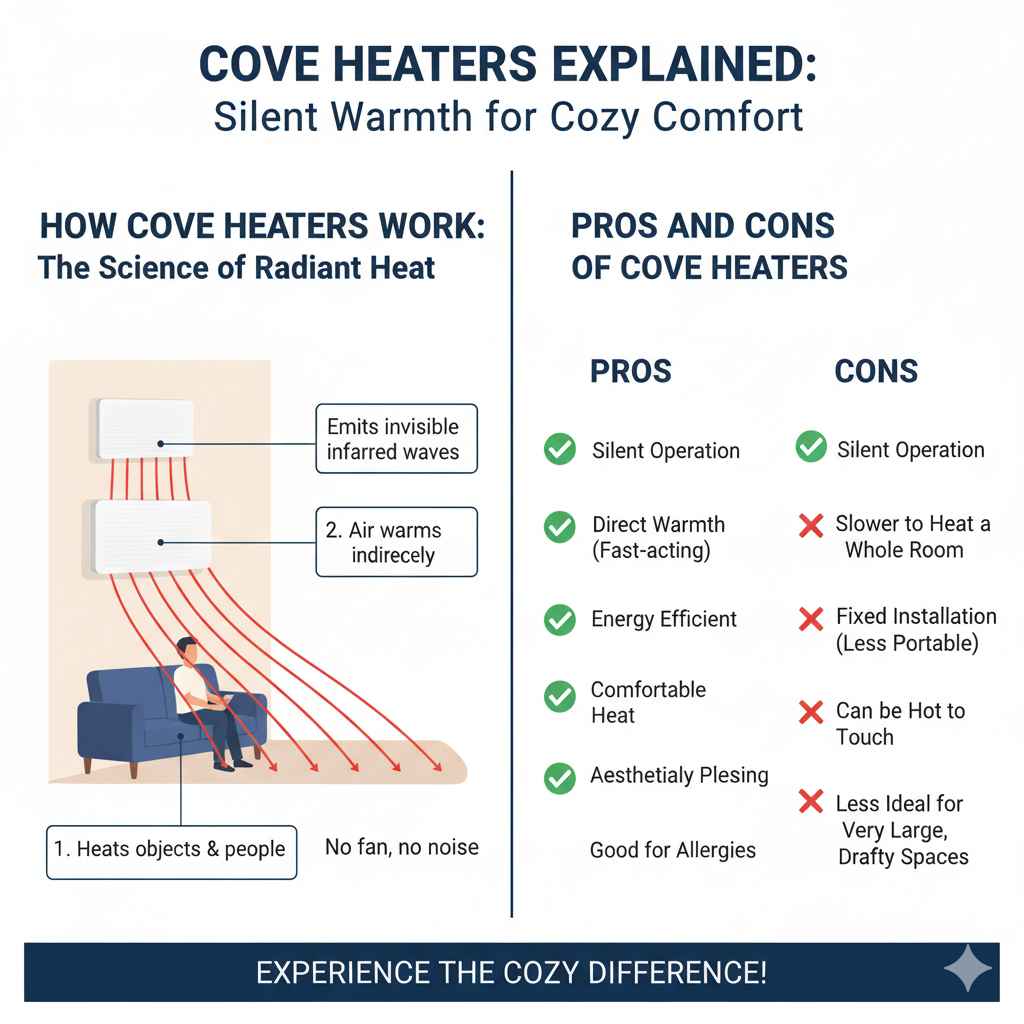
Cove Heaters Explained: Silent Warmth for Cozy Comfort
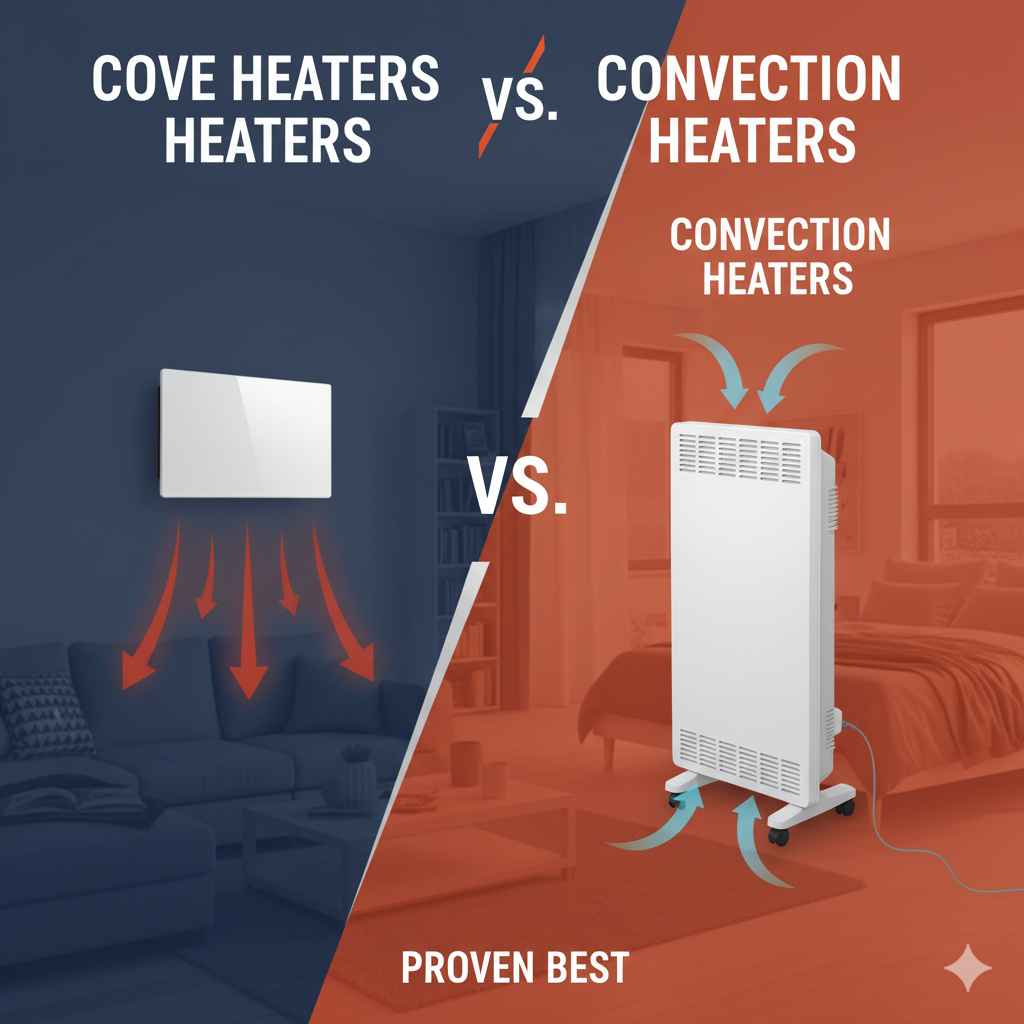
Imagine a heater that works like the sun, gently warming everything it touches without a sound. That’s the magic of a cove heater, also known as a radiant heater. Instead of heating the air, these heaters emit infrared waves that travel across the room and warm objects and people directly. Think of it like standing in a sunny spot on a cool day – you feel the warmth on your skin right away. This direct heating method is incredibly efficient because it doesn’t waste energy trying to warm up the air that might escape through drafts.
Cove heaters are often installed permanently, usually high on a wall or as part of a baseboard, and they blend into your home’s decor. Because they don’t rely on fans to move air, they are whisper-quiet. This makes them a favorite for bedrooms, nurseries, or any space where a peaceful environment is important. They provide a deep, comfortable warmth that can make a room feel cozy and inviting.
How Cove Heaters Work: The Science of Radiant Heat
Cove heaters use radiant heating elements, often made of ceramic or quartz, housed within a metal casing. When electricity flows through these elements, they get very hot and emit infrared radiation. These invisible waves travel in straight lines until they encounter an object, like a piece of furniture, a pet, or you. When the radiation hits these surfaces, it’s absorbed and converted into heat, warming them directly.
The air in the room doesn’t get heated directly by the element itself. Instead, it’s warmed indirectly as the objects and surfaces in the room absorb the radiant heat and then release it into the air. This is why cove heaters can feel so effective – you feel warm almost immediately after turning them on, even if the air temperature hasn’t risen much yet. This is different from how fan heaters or convection heaters work, which rely on heating and circulating air.
Pros and Cons of Cove Heaters
Like any heating solution, cove heaters have their strengths and weaknesses. Understanding these will help you decide if they’re the right choice for your needs.
Pros:
- Silent Operation: No fans mean no noise, perfect for quiet spaces.
- Direct Warmth: You feel warm quickly as objects and people are heated directly.
- Energy Efficient: Less heat is lost to open windows or drafts because it heats objects, not just air.
- Comfortable Heat: Provides a gentle, consistent warmth that feels natural, like sunshine.
- Aesthetically Pleasing: Often designed to blend in with home decor, especially wall-mounted or baseboard models.
- Good for Allergies: Since they don’t circulate air, they don’t stir up dust, pollen, or other allergens.
Cons:
- Slower to Heat a Whole Room: While you feel warmth quickly, it takes longer for the entire room’s mass (furniture, walls) to absorb enough heat to warm the air significantly.
- Fixed Installation: Most models are permanently installed, so they aren’t portable.
- Can be Hot to Touch: The heating elements can get very hot, so placement needs consideration to avoid accidental contact, especially with children or pets.
- Not Ideal for Very Large, Drafty Spaces: While efficient, extremely large or poorly insulated areas might require supplemental heating.
Convection Heaters Explained: Fast Air Heating for Quick Comfort
Convection heaters are designed to heat the air in a room. They work by drawing in cool air, warming it up, and then releasing the heated air back into the space. This process creates a natural circulation, much like a gentle breeze, that evenly distributes warmth throughout the area. They are a popular choice for quickly warming up a room or for providing supplemental heat where needed.
These heaters often use a heating element that warms either air directly or a heat-transfer fluid (like oil), which then heats the air. Many models have a built-in fan to speed up the circulation of warm air, while others rely on natural convection currents. Because they focus on heating the air, you’ll usually feel the room become warmer more quickly than with a cove heater, making them great for spaces you need to heat up fast!
How Convection Heaters Work: The Power of Air Circulation
Convection heaters are all about moving air. Here’s the basic process:
- Intake: Cool air from the room enters the heater, typically through vents at the bottom.
- Heating: The cool air passes over a heating element (which can be a bare wire, a ceramic core, or oil within the heater).
- Expulsion: The heated air, now less dense, rises and is released back into the room through vents at the top.
- Circulation: As the warm air rises and spreads, it pushes cooler air down towards the heater, continuing the cycle. Some convection heaters use a fan to accelerate this process, blowing the warm air out more forcefully.
This continuous cycle of heating and circulating air is what makes convection heaters effective at raising the overall temperature of a room. For more information on how different electrical heating systems work, the U.S. Department of Energy provides useful resources on understanding home energy efficiency.
Pros and Cons of Convection Heaters
Convection heaters are a common and effective heating solution. Here’s a look at their advantages and disadvantages:
Pros:
- Fast Heating: They can warm up a room relatively quickly by heating the air.
- Good Air Distribution: The circulation process helps to spread warmth evenly throughout the room.
- Portability: Many models are compact and lightweight, often with wheels, making them easy to move from room to room.
- Thermostat Control: Most convection heaters come with adjustable thermostats to maintain a desired temperature.
- Safer Surface Temperatures: Unlike some radiant heaters, convection heaters often have cooler outer surfaces, though caution is always advised.
- Quieter Options Available: While some have fans that make noise, many rely on natural convection, making them relatively quiet.
Cons:
- Can Be Noisy: Models with fans can create a noticeable hum or whirring sound.
- Dries Out Air: The process of heating and circulating air can reduce humidity, potentially making the air feel dry.
- Stirs Up Dust: Air circulation can stir up dust and allergens, which might be a concern for people with respiratory issues.
- Less Immediate Warmth: You feel the warmth as the air heats up, which can take slightly longer than feeling direct radiant heat.
- Less Energy Efficient in Drafty Rooms: Heated air can escape more easily through drafts, making them less efficient in poorly sealed spaces compared to radiant heaters.
Cove Heaters vs. Convection Heaters: Which is Proven Best for You?
When deciding between cove heaters and convection heaters, it really comes down to your specific needs for comfort, efficiency, and your living space. Both are excellent choices, but they excel in different scenarios. Let’s compare them head-to-head:
Heating Speed and Effectiveness
Convection heaters are generally faster at raising the overall air temperature of a room. Their fan-assisted circulation (in many models) quickly distributes warm air, making them ideal for rooms you need to heat up quickly or for short periods. You’ll feel the room getting warmer faster.
Cove heaters provide a more immediate sense of warmth directly on your skin. While they may take a bit longer to raise the air temperature of an entire room, the warmth they provide feels deeply comfortable and consistent. They are excellent for maintaining a pleasant temperature over longer periods.
Energy Efficiency
Both types can be energy-efficient when used correctly. However, cove heaters often have an edge in poorly sealed or drafty rooms. Because they heat objects directly, less energy is “lost” when warm air escapes through gaps. The ENERGY STAR program highlights that choosing efficient heating solutions can significantly reduce energy bills.
Convection heaters are efficient when used in well-insulated rooms where the warm air can circulate and stay contained. If you use them in a drafty room, you might find yourself running them longer, which uses more electricity.
Comfort and Noise Level
For sheer comfort and quiet, cove heaters are often the preferred choice. Their silent operation makes them perfect for bedrooms, nurseries, or any space where peace and quiet are paramount. The warmth feels gentle and natural.
Convection heaters can be a bit noisier, especially models with fans. While many are still relatively quiet, the airflow can be noticeable. They provide a good, even warmth but might not offer the same silent, soothing experience as cove heaters.
Installation and Portability
Cove heaters are typically designed for permanent installation, often mounted high on a wall or as part of a baseboard. This means they aren’t easily moved once installed and might require professional setup.
Convection heaters, on the other hand, are often designed for maximum portability. Many are lightweight, compact, and come with wheels, allowing you to easily move them from one room to another as needed. This flexibility makes them a great option if you only need to heat one or two specific areas at a time.
Cost Considerations
The initial cost of both types can vary greatly depending on the brand, size, and features. More advanced cove heating systems designed for whole-home heating can be a significant investment. However, for individual room heating, basic cove heaters and portable convection heaters can be quite affordable.
When considering long-term costs, energy efficiency plays a big role. A more efficient heater, even if slightly more expensive upfront, can save you money on electricity bills over time. Always look at the wattage and estimated running costs for the size of the space you intend to heat.
| Feature | Cove Heater | Convection Heater |
|---|---|---|
| Heating Method | Radiant (infrared waves) | Convection (air circulation) |
| Primary Heat Target | Objects and people directly | Air in the room |
| Heating Speed (Room Air Temp) | Slower, more gradual | Faster |
| Immediate Warmth Sensation | Quick (on skin) | Slightly slower (as air heats) |
| Noise Level | Silent | Can be audible (especially with fans) |
| Portability | Generally not portable (fixed installation) | Often portable (lightweight, wheels) |
| Energy Efficiency (Drafty rooms) | More efficient | Less efficient |
| Energy Efficiency (Sealed rooms) | Efficient | Efficient |
| Air Quality Impact | Doesn’t stir dust/allergens | Can stir dust/allergens |
| Installation | Often permanent | Plug-and-play, often no installation needed |
Choosing the Right Heater for Your Space
Let’s walk through how to pick the winner for your home, based on common scenarios:
For a Quiet Bedroom or Nursery: Cove Heater Wins!
If you need a silent, consistent warmth that won’t disturb sleep, a cove heater is the superior choice. Its gentle radiant heat makes the whole room feel cozy without any fan noise. It’s also great for people with allergies, as it doesn’t circulate dust.
For a Living Room or Office Used Intermittently: Convection Heater is Great!
Need to quickly warm up a space where you spend a few hours? A convection heater is perfect. You can turn it on when you enter the room, and it will make the air comfortably warm in a short time. Its portability means you can move it to another room if needed.
For a Basement or Workshop Frequently Used: Convection Heater (with caution)
Basements can be damp and chilly. A convection heater can help raise the air temperature here. However, be mindful of its efficiency if the space is drafty. For very large or poorly sealed basements, a more powerful heating solution or supplemental cove heating might be considered.
For a Home Office Where You Sit Still: Cove Heater for Direct Warmth
If you find yourself feeling cold even though the room is heated, a cove heater can be great. It will warm you directly, providing a comfortable feeling without necessarily overheating the entire room. This can be more energy-efficient if you only need personal warmth.
For Maximum Flexibility and Movability: Convection Heater is Your Go-To
If you anticipate moving your heater between different rooms regularly, a portable convection heater is the clear winner. Its design prioritizes easy transport and quick setup anywhere you need it.
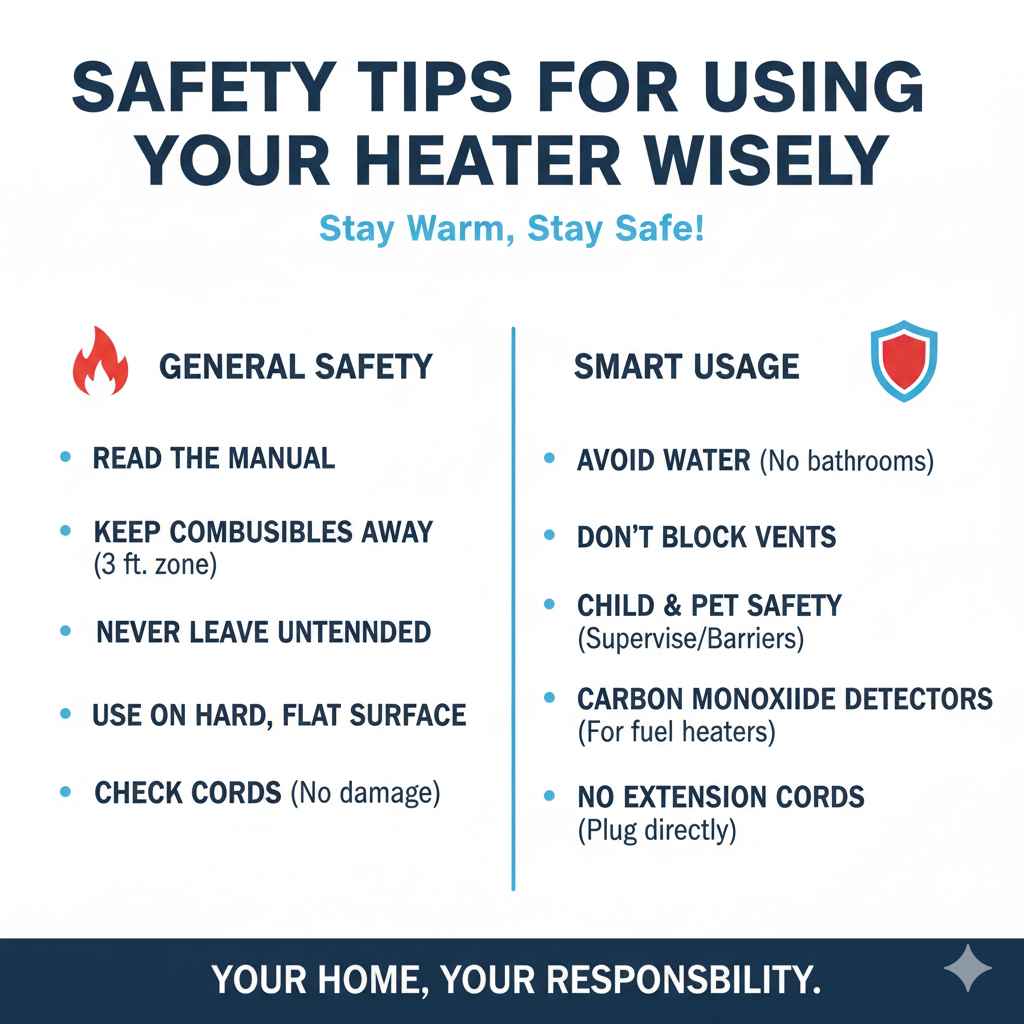
Safety Tips for Using Your Heater Wisely
No matter which type of heater you choose, safety should always be your top priority. Here are some essential tips to keep your home warm and safe:
- Read the Manual: Always read and follow the manufacturer’s instructions for your specific heater model.
- Keep Combustibles Away: Maintain a safe distance (usually at least 3 feet) between your heater and any flammable materials, such as curtains, bedding, furniture, and paper.
- Never Leave Unattended: Do not leave portable heaters running unattended, especially when you are sleeping or leaving the house.
- Use on a Hard, Flat Surface: Ensure portable heaters are placed on a stable, level, and non-combustible surface.
- Check Cords: Inspect the power cord regularly for any damage. Do not use a heater with a frayed or damaged cord.
- Avoid Water: Never use heaters in bathrooms or near sinks and tubs where they could come into contact with water.
- Don’t Block Vents: Ensure that the air intake and outlet vents on your heater are not blocked, as this can cause overheating.
- Child and Pet Safety: Be extra vigilant if you have young children or pets. Consider using safety barriers or choosing models with tip-over protection.
- Consider Carbon Monoxide Detectors: While electric heaters do not produce carbon monoxide, it’s always wise to have working carbon monoxide detectors in your home, especially if you use other fuel-burning appliances.
For more detailed safety guidelines, the U.S. Consumer Product Safety Commission (CPSC) offers comprehensive advice for home heating safety.
Frequently Asked Questions (FAQ)
Q1: Are cove heaters expensive to run?
A: Cove heaters can be very energy-efficient because they heat objects directly, reducing heat loss. Their running cost depends on their wattage and how much you use them, but they are often considered cost-effective for maintaining consistent warmth in a specific area.
Q2: Can I use a convection heater in a bathroom?
A: It’s generally not recommended to use most portable electric heaters, including convection heaters, in bathrooms due to the risk of electric shock from moisture. Always check the manufacturer’s specifications; some are designed for bathroom use with specific safety features.
Q3: Which type of heater is best for a very large, open-plan room?
A: For large, open spaces, a single heater might struggle. You might need a combination of heating methods. A cove heater could provide a base of gentle, radiant warmth, while a more powerful convection heater could be used to quickly warm the primary occupied zone. Planning for insulation and draft-proofing is also crucial for large areas.
Q4: Do cove heaters dry out the air like convection heaters?
A: No, cove heaters do not significantly dry out the air. Because they don’t rely on circulating air to heat a room, they don’t create the same drying effect that some convection heaters can.