Do All Heaters Have a Pilot Light? Discover the Truth
When the chill of winter sets in, you rely on your heater to keep your home cozy and warm. But have you ever wondered about how your heater operates?
Specifically, do all heaters have a pilot light? Understanding this can be crucial, especially if you’re facing issues with your heating system. We’ll dive into the ins and outs of heaters and their reliance on pilot lights. You’ll discover which types of heaters use them, and why it’s important for you to know.
Stick around, because this information could save you time, money, and stress when it comes to managing your home’s heating system. Uncovering these details will empower you to make informed decisions and keep your home comfortable, no matter how cold it gets outside.

Credit: www.supertechhvac.com
Types Of Heaters
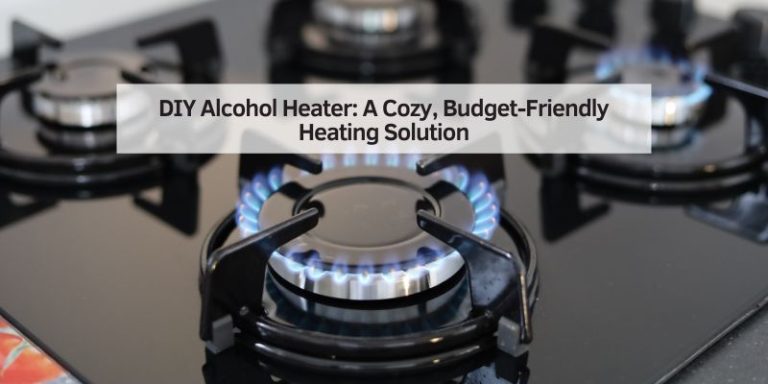
Gas heaters often have a pilot light. This small flame stays on always. It helps start the heater fast. Some gas heaters use electric ignition. This means no pilot light is needed. Electric ignition saves gas.
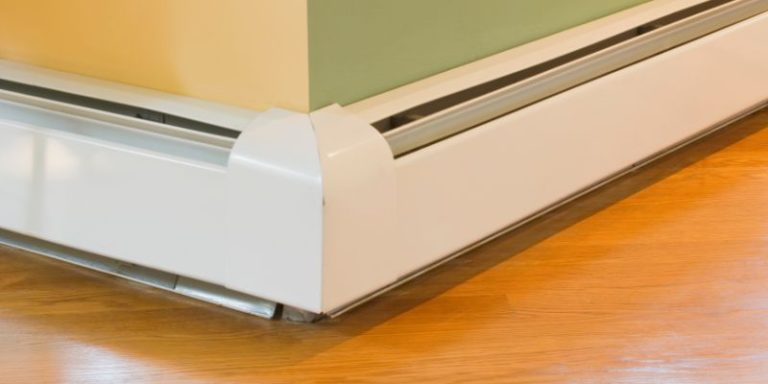
Electric heaters do not have a pilot light. They use electricity to make heat. Electric heaters are safe and clean. They are easy to use. Just plug them in and turn them on.
Oil heaters also do not have a pilot light. They use oil to create heat. Oil heats the air slowly. This keeps rooms warm for a long time. Oil heaters are good for many homes.
Pilot Light Explained
Pilot lights help start gas heaters. They are tiny flames. Gas flows through a tube. This tube leads to the pilot light. The flame ignites the gas. This lights up the main burner.
Pilot lights are always on. They ensure quick ignition. This means you get heat fast. But they can go out. A gust of wind can blow them out. Or if the gas supply stops.
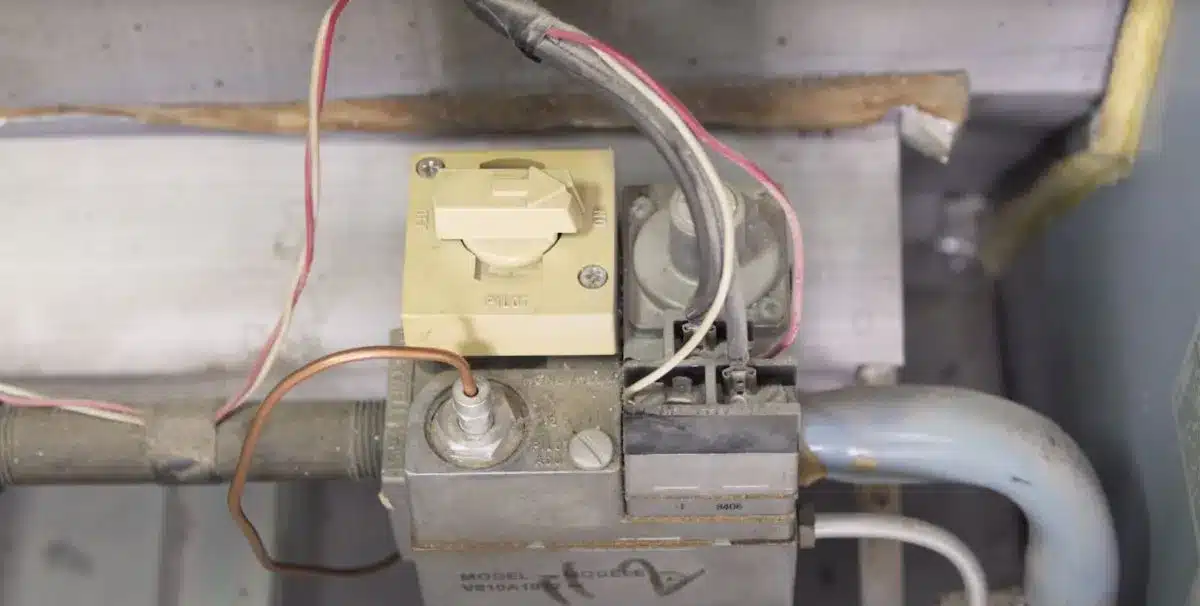
Safety is important with pilot lights. They have safety valves. These valves stop gas flow. If the pilot goes out, the gas stops. This prevents gas leaks. A thermocouple checks the heat. It signals the valve to stay open.
If the flame is out, the valve closes. This is a key safety feature. It keeps your home safe from gas leaks. Always check your pilot light. Ensure it is working well.
Heaters With Pilot Lights
Many heaters use a pilot light
Newer models often use electric ignition
Having a pilot light has pros and cons. A major benefitis the ease of use. You don’t need to light it each time. It’s always ready.
The downsideis it uses gas even when not needed. This can cost more over time. Also, it can go out with strong winds. This might need relighting.

Credit: www.wilsonoilandpropane.com
Heaters Without Pilot Lights
Not all heaters use a pilot light. Some use electronic ignition systems. These systems are very efficient. They only light up when needed. This saves a lot of energy. No flame burns all the time. This makes them safer too. Kids and pets are safe around them.
Heaters without a pilot light save money. They use less gas. This means lower bills. These heaters also start faster. No waiting for a light. They are more reliable in bad weather. Wind cannot blow out the flame. Maintenance is easier too. No cleaning of pilot light parts.
Choosing The Right Heater
Energy efficiency is important for saving money. Some heaters use less energy. These are better for your electric bill. It’s also good for the environment. Electric heaters often use less energy. Gas heaters might use more. Always check the energy label. It tells you how much energy the heater uses. A high-efficiency heater means lower costs over time.
Heaters need regular maintenance to last long. Some heaters need more care. Electric heaters often need less maintenance. Gas heaters may need more. Look for durable materials. This means the heater will last longer. A good heater doesn’t break easily. Check reviews for durability. Happy users mean a strong product.
Safety Considerations
Heaters with a pilot light can pose a risk for gas leaks. Regular inspection is essential. Ensure connections are tight. Smell for gas odors often. If you suspect a leak, act fast. Turn off the heater and ventilate the area. Call a professional for help. Never ignore the smell of gas. Safety comes first.
Regular maintenance keeps heaters safe and efficient. Clean the heater often. Dust can block air flow. Check the pilot light’s flame. It should be blue, not yellow. Replace worn-out parts promptly. Schedule yearly professional inspections. These steps prevent issues and prolong heater life.

Credit: rpgcalgary.ca
Frequently Asked Questions
How Do I Know If My Heater Has A Pilot Light?
Check your heater for a small flame through a viewing window or access panel. Some models have a pilot light indicator. Look for a knob labeled “Pilot” near the gas control valve. Consult the heater’s manual for specific details.
Do Heaters Have A Pilot Light?
Some heaters have a pilot light, especially older gas models. Modern heaters often use electronic ignition systems instead. Check your heater’s manual to confirm its type.
Do Some Furnaces Not Have A Pilot Light?
Yes, some modern furnaces use electronic ignition instead of a pilot light. This system is more energy-efficient and reliable. Always check your furnace type for specific features.
Can I Relight My Own Pilot Light?
Yes, you can relight your own pilot light. Follow your appliance’s manual instructions carefully. Ensure safety by checking for gas leaks. Use a long lighter to reach the pilot. If unsure, contact a professional for assistance. Regular maintenance helps avoid relighting issues.
Conclusion
Not all heaters have a pilot light. Some use electronic ignition. Electronic ignition is more common in modern heaters. It offers safety and efficiency. Older heaters usually have a pilot light. They require regular maintenance. Always check your heater type before maintenance.
This ensures correct care and safety. Understanding your heater’s ignition system helps you use it better. Choose the heater type that best fits your needs. Safety and efficiency should be your priority. Stay warm and informed.