Are All Heaters the Same: Uncover Key Differences
Are you feeling the chill and thinking about getting a new heater? You might assume all heaters are the same, but that’s not the case.
Choosing the right one can make a huge difference in your comfort and energy bills. Imagine coming home on a cold winter day to a warm, cozy space, without worrying about skyrocketing costs. Sounds perfect, right? We’ll explore the differences between heaters and help you find the one that suits your needs best.
Stick around and discover how the right choice can transform your home into a haven of warmth and efficiency.

Credit: www.konkleplumbing.com
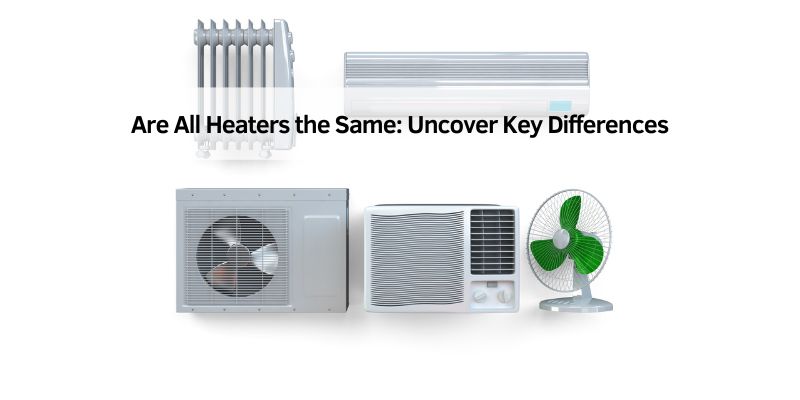
Types Of Heaters
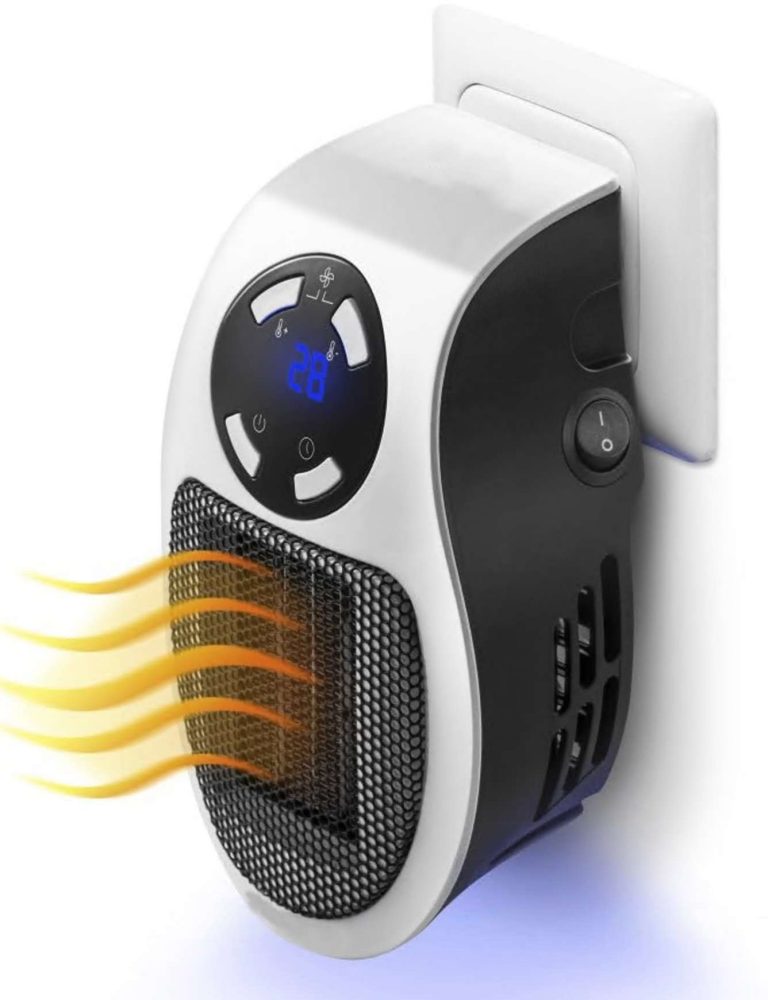
Electric heaters are very popular. They plug into a power outlet. These heaters are easy to use. No need for fuel or gas. They can warm up small rooms quickly. Some electric heaters have a thermostat. This keeps the room temperature steady. They are safe and clean.
Gas heaters use natural gas or propane. They are powerful and heat large areas. These heaters are good for homes with gas lines. Some gas heaters need ventilation. This is to remove fumes. Always check for leaks. Safety is very important.
Oil-filled radiators heat oil inside the unit. The oil never burns. It is safe and efficient. These heaters are quiet. They are good for bedrooms. Oil radiators take longer to heat. But they stay warm for a long time. They are great for constant warmth.
Infrared heaters warm objects, not air. They are like the sun. These heaters are energy-efficient. Perfect for small spaces. They work fast and save energy. Infrared heaters have no fans. This means no noise. Safe to use in many places.
Fan heaters blow hot air with a fan. They heat up quickly. Good for small rooms. These heaters are portable. Easy to move around. They are affordable. Fan noise can be a problem. Not the best for quiet spaces.
Energy Efficiency
Different heaters use different amounts of energy. Some heaters need more electricity to warm up a room. Others are more energy-efficient. Choosing the right heater can save energy. A heater that saves energy is better for the environment.
Heaters can make electricity bills go up. More energy means higher bills. Using an efficient heater can keep bills lower. This helps families save money. It’s important to check how much energy a heater needs.
Some heaters are eco-friendly. They use less energy and make less pollution. These heaters help keep the earth clean. Choosing an eco-friendly heater is good for the planet. It shows we care about the environment.
Heating Mechanism
Convection heaters use air movement to warm up spaces. Air heats up and rises. Cool air replaces it. This cycle warms the room. They are quiet and spread heat evenly. Good for big spaces. Not fast in heating. Great for consistent warmth.
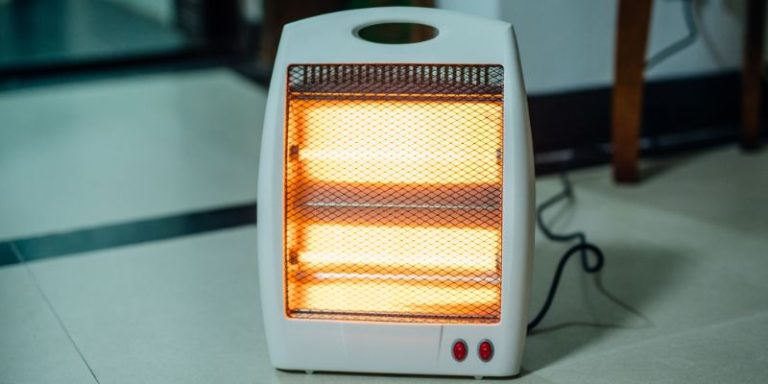
Radiant heaters warm objects directly. They use infrared rays. No air movement needed. Good for spot heating. They heat you instantly. Best for small areas or single rooms. Efficient and silent. Not ideal for whole house heating.
Fan heaters blow warm air around. They heat rooms quickly. Fans make noise. They are portable and easy to move. Good for quick warmth. Affordable and compact. Not suitable for large areas. Heat cools down fast when turned off.
Safety Features
Many heaters come with overheat protection
Heaters can tip over easily. A tip-over switch
Children touch everything. Some heaters have child-safe designs
Cost Considerations
The initial price of a heater can vary a lot. Some are cheap, while others cost much more. The price depends on the type and features. Basic models are less costly. More advanced ones with extra features cost more. It’s important to choose what fits your budget.
Maintenance costs are important to think about too. Some heaters need regular cleaning. Others might need parts replaced often. This can add to expenses over time. Choosing a heater with low maintenance can save money. Always check the maintenance needs before buying.
Efficiency matters for long-term savings. Some heaters use less energy. These can save money on bills. It’s good to know how much energy a heater needs. More efficient models might cost more upfront. But they often save money over time.

Credit: www.youtube.com
Installation And Portability
Permanent heaters stay in one spot. They need professional help for installation. These heaters often connect to gas or electricity. Built-in heaters save floor space. They usually work well in homes. Safety is key with these heaters. They should be placed away from flammable items.
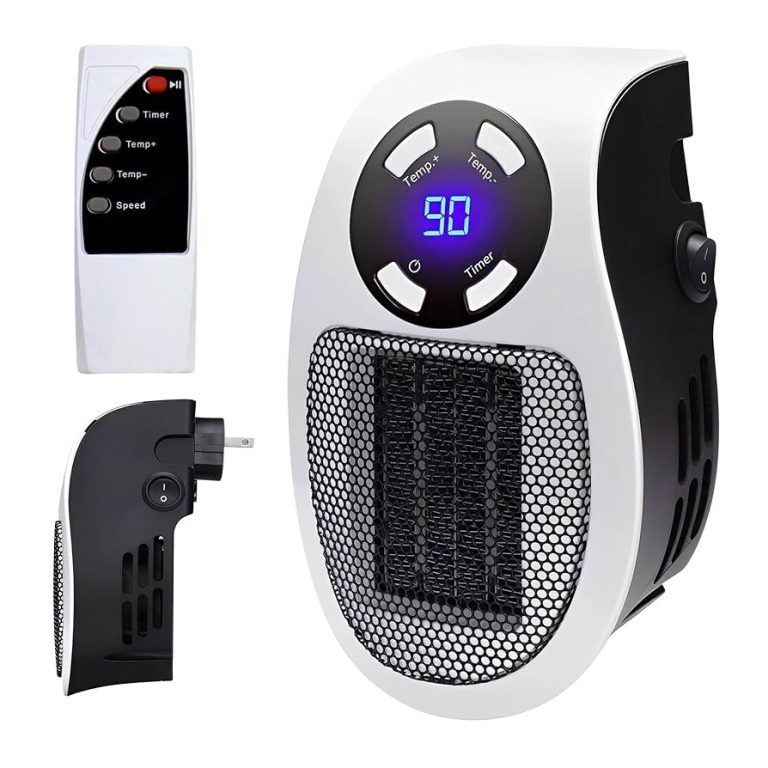
Portable heaters can move around easily. They are lightweight and handy. People use them in many rooms. These heaters are often electric. Some run on batteries or gas. They come in various sizes. Small ones fit on tables. Large ones may stand on the floor. Easy to use in different places.
Many heaters are easy to set up. Plug them into a socket. Some need more steps. Read the instructions carefully. Safety is very important. Keep heaters away from water. Make sure they have space around them. Safe use is very important.
Noise Levels
Some heaters are very quiet. Silent operation heaters make almost no sound. They are good for bedrooms and offices. These heaters use special technology. This technology reduces noise to a very low level. You can sleep or work without disturbance. Fan heaters usually make more noise. They blow air with a fan. This can be loud. Silent heaters do not use fans. They use radiant heat or convection methods. This keeps them quiet. Choosing the right heater can help maintain peace.
| Type of Heater | Noise Level |
|---|---|
| Fan Heater | High |
| Oil-Filled Radiator | Low |
| Ceramic Heater | Medium |
| Infrared Heater | Low |
| Convection Heater | Low |
Best Use Cases
For small spaces, portable heaters are ideal. They are compact and easy to move. They fit well in bedrooms or bathrooms. These heaters are energy-efficient. They heat up quickly and keep the room cozy. Many have safety features. This makes them safe for kids and pets.
In large rooms, a central heating system works best. It heats the room evenly. This system is good for living rooms. It can cover more space. Floor or wall heaters are also useful. They provide consistent warmth. A thermostat controls the temperature. This saves energy and money.
For outdoor heating, consider patio heaters. They are perfect for gardens or balconies. These heaters come in different styles. Some are electric, while others use gas. They provide heat in open areas. This allows you to enjoy the outdoors in cold weather. They are sturdy and weather-resistant.
Frequently Asked Questions
What Types Of Heaters Are Available?
There are several types of heaters, including electric, gas, oil-filled, and infrared. Electric heaters are portable and easy to use. Gas heaters are efficient for larger spaces. Oil-filled heaters provide consistent warmth. Infrared heaters offer targeted heating. Each type has unique benefits and uses, catering to different needs and spaces.
How Do Electric Heaters Work?
Electric heaters convert electricity into heat using resistive elements. When electric current passes through the element, it heats up. This heat is then transferred to the surrounding air. Some electric heaters use fans to distribute heat more evenly. They are generally safe, efficient, and easy to operate.
Are Infrared Heaters Energy Efficient?
Infrared heaters are known for their energy efficiency. They heat objects directly rather than warming the air. This results in less energy wasted and faster heating. Infrared heaters are ideal for spot heating. They can help reduce energy bills when used correctly, especially in well-insulated areas.
What Is The Safest Heater Type?
Oil-filled heaters are often considered the safest option. They have no exposed heating elements and maintain steady temperatures. They are less likely to cause burns or fires. Additionally, they operate quietly and are energy-efficient. Proper use and placement further enhance safety.
Conclusion
Choosing the right heater matters for comfort and efficiency. Not all heaters perform the same. Each type serves a different purpose and setting. Electric heaters suit small spaces well. Gas heaters work better for larger areas. Consider energy efficiency and cost before buying.
Safety features should not be ignored. Always check the heater’s power source compatibility. Remember to maintain your heater regularly. This ensures it works well and lasts longer. Decide wisely for warmth and peace of mind. Your choice impacts both your comfort and wallet.