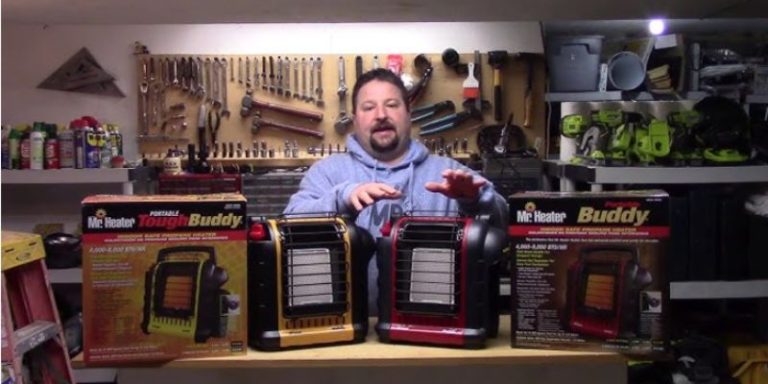
Portable Heaters Give Off Radiation, but It’s Safe
Do Portable Heaters Give Off Radiation? Yes, but it’s the safe kind! All portable heaters emit infrared radiation to warm you directly, much like the sun. This is completely harmless, non-ionizing radiation. This guide will explain the different types of portable heaters, how they work, and what you need to know about their radiation for safe and cozy heating.
For a related heater topic, Do Outdoor Porch Heaters Give Off CO? Essential Facts gives readers a useful next step.
Do you shiver when you think about turning on a portable heater? You’re not alone! Many people wonder if these handy devices are safe, especially when terms like “radiation” come up. It’s easy to get a little worried, but let’s clear the air together. Portable heaters are designed to keep you warm and comfortable, and understanding how they do it is simpler than you might think. We’ll break down exactly what kind of “radiation” they produce and why it’s something to welcome, not fear. Get ready to feel confident about choosing and using the perfect portable heater for your home!
Understanding Heater Radiation: The Basics
When we hear the word “radiation,” it’s easy to imagine something scary, like what you see in sci-fi movies. But in the world of heating, radiation is just energy traveling in waves or particles. There are two main types:
Ionizing radiation: This is the high-energy kind that can damage DNA, like X-rays or gamma rays. We don’t encounter this from everyday appliances.
Non-ionizing radiation: This is low-energy radiation that doesn’t damage DNA. It includes visible light, radio waves, microwaves, and the infrared radiation that most portable heaters use. This is the safe kind we’ll be talking about.
How Portable Heaters Generate Heat
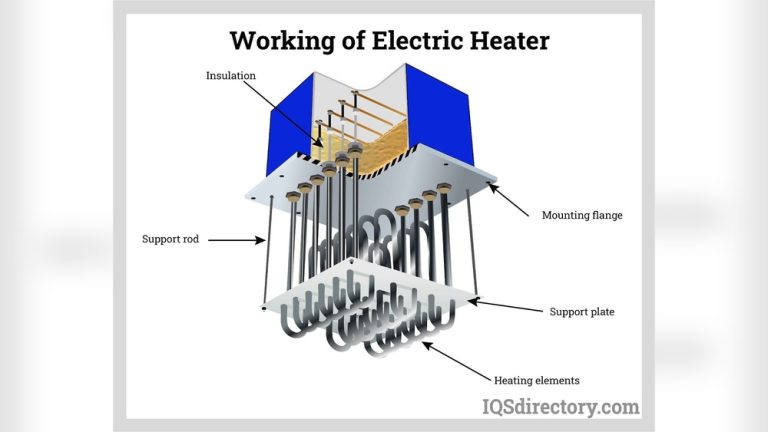
Portable heaters work in a few different ways, but most rely on converting electricity into heat. This heat is then transferred to you and your surroundings. The method of transfer is key to understanding the “radiation” aspect.
Infrared Radiation: The Sunbeam Effect
Many portable heaters, especially radiant or infrared heaters, work much like the sun. They generate invisible infrared waves. When these waves hit an object (like you, a wall, or furniture), they are absorbed, and the object warms up. This is why you might feel warm standing in front of an infrared heater, even if the air around you isn’t very hot yet. It’s a direct, cozy warmth.
Think of sitting by a campfire on a chilly evening. You feel its warmth even if the air isn’t toasty. That’s infrared radiation at play!

Common Types of Portable Heaters and Their Radiation
Different types of portable heaters use slightly different methods to heat a space, but they all fall under the umbrella of safe, non-ionizing radiation.
1. Radiant (Infrared) Heaters
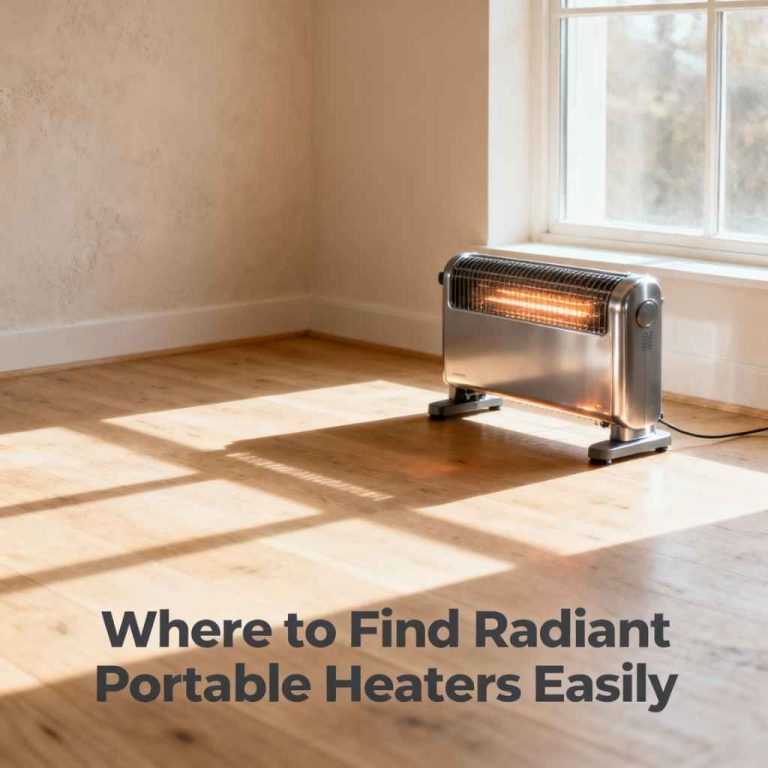
These heaters are designed to emit infrared radiation directly. You’ll often see them with a glowing element (like a bulb or panel) behind a protective grill.
How they work: They heat objects and people directly in their line of sight. They are excellent for spot heating a specific area, like your desk or a reading nook, without wasting energy heating the whole room.
Radiation type: Primarily infrared radiation. This is the same type of heat you feel from the sun or a warm lamp. It’s completely harmless and is often even used in therapeutic applications.
Pros: Instant warmth, energy-efficient for spot heating, quiet operation.
Cons: Less effective at heating an entire large room, can feel too intense if too close.
For more on safe heating practices, the U.S. Consumer Product Safety Commission (CPSC) offers excellent advice on using portable electric heaters safely.
2. Convection Heaters (like Oil-Filled Radiators)
These heaters don’t rely on direct radiation to heat the air. Instead, they heat oil (or another fluid) sealed inside, which then circulates and heats the air around the unit.
How they work: They heat the air, which then rises and circulates around the room, creating a more even, ambient warmth.
Radiation type: While they do emit some very low-level infrared radiation as a byproduct of heating, their primary method is convection. The heat you feel is the warm air moving around the room.
Pros: Provides steady, even heat, relatively quiet, good for larger rooms, safer to touch due to surface temperature.
Cons: Slower to heat up a room, can be less energy-efficient for quick spot heating.
3. Ceramic Heaters
Ceramic heaters use a ceramic element that heats up when electricity passes through it. A fan then blows air over this hot element.
How they work: They heat air using a ceramic component and then use a fan to push that warm air into the room. This is a form of forced-air heating.
Radiation type: These also primarily use convection, with the fan distributing the heated air. You might feel a slight amount of infrared radiation from the ceramic element itself, but it’s not the main heating method.
Pros: Fast to heat a room, portable, often have safety features like tip-over switches.
Cons: Can be noisy due to the fan, may dry out the air, less effective for large spaces.
4. Fan Heaters
Similar to ceramic heaters, fan heaters use a heating element (often wire or quartz) and a fan to circulate warm air.
How they work: Electricity heats a coil, and a fan blows air across it to distribute warmth.
Radiation type: Again, this is mainly convection. The heating element produces some infrared, but the fan is key to distributing the heat.
Cons: Can be noisy, might dry out the air, not ideal for silent operation.
Types of Heat Transfer
To understand why portable heaters are safe, it’s helpful to know how heat moves. There are three main ways:
Conduction: Heat transfer through direct contact. Like touching a hot stove (don’t do that!).
Convection: Heat transfer through the movement of fluids (liquids or gases). This is how warm air circulates around a room.
Radiation: Heat transfer through electromagnetic waves, like infrared light. This is the “sunbeam” effect.
Portable heaters primarily use convection and radiation. Conduction is usually less significant for how they heat a room.
Do All Portable Heaters Give Off Radiation?
Yes, all portable heaters give off some form of radiation, but specifically, they all emit non-ionizing infrared radiation.
Even heaters that primarily use convection will have a hot element that naturally emits infrared waves. The key is that this is a much lower energy form of radiation than something harmful like X-rays. It’s the same kind of energy that makes a road hot after the sun shines on it or the warmth you feel from a light bulb.
The intensity and how the heat is delivered vary by heater type. Radiant heaters focus on delivering this infrared radiation directly to you, while convection heaters use it to warm the air, which then transfers heat around the room.
Safety First: Understanding Radiation Levels
When we talk about radiation from portable heaters, we are always referring to the harmless, non-ionizing type. These heaters are designed to meet strict safety standards set by organizations like:
- Underwriters Laboratories (UL)
- Intertek (ETL)
- CSA Group
These certifications mean the product has been tested and meets specific safety requirements, including those related to heat output and emissions. You can usually find these certification marks on the heater’s packaging or on the unit itself.
For instance, the Federal Communications Commission (FCC) regulates radio frequency emissions from electronic devices to ensure they don’t interfere with communications or pose a health risk. While portable heaters aren’t typically “transmitters” in the FCC’s sense, the principle of regulating electromagnetic emissions for safety is a universal one in consumer product design.
What About the “Heat” You Feel?
The “heat” you feel from a portable heater is simply energy transferred to your body.
- Infrared Radiation: This directly warms your skin and objects. It’s a pleasant, direct warmth.
- Warm Air (Convection): This warms the air around you, which then transfers heat to your skin.
Neither of these processes involves harmful radiation. They are fundamental ways heat moves and how we experience warmth. Your body also emits infrared radiation as it generates heat, so you are constantly radiating heat!
Table: Heater Types and Radiation Focus
Here’s a quick comparison of how different portable heaters utilize heat transfer, including radiation:
| Heater Type | Primary Heat Transfer Method(s) | Role of Infrared Radiation | How You Feel The Heat |
|---|---|---|---|
| Radiant (Infrared) Heater | Radiation | High – Direct emission of IR waves | Directly warmed surfaces and people in line of sight. |
| Convection Heater (Oil-Filled) | Convection | Low – Byproduct of heating element/fluid | Warm air circulating around the room, providing ambient heat. |
| Ceramic Heater | Convection (with fan) | Low – From the ceramic element | Warm air blown into the room. |
| Fan Heater | Convection (with fan) | Low – From the heating element | Warm air blown into the room. |
Tips for Using Portable Heaters Safely and Effectively
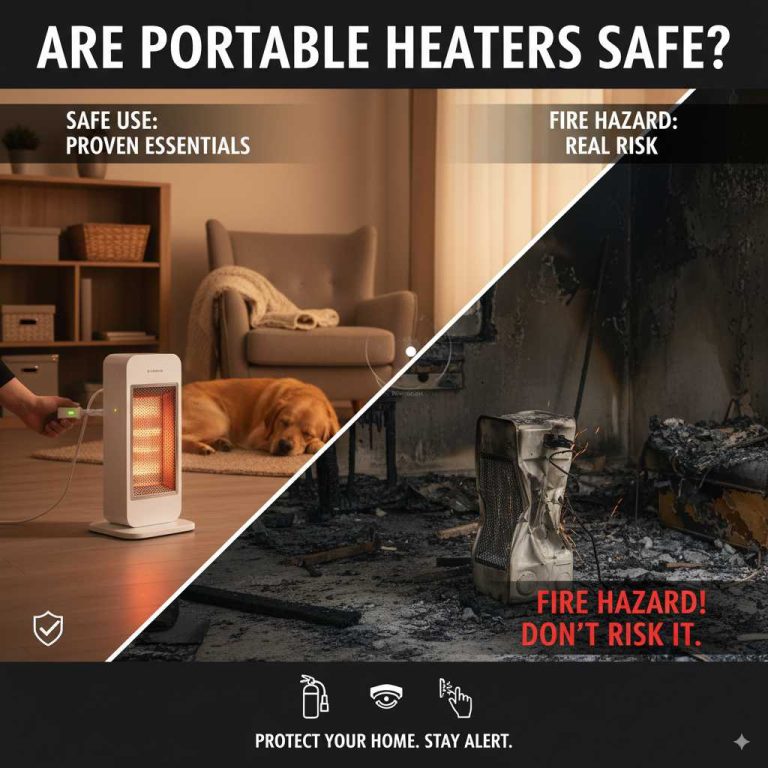
Understanding that portable heaters use safe infrared radiation is only part of the picture. Using them correctly ensures you get the most warmth with zero worries.
Placement is Key
Keep a Safe Distance: Always place heaters at least 3 feet away from combustible materials like curtains, furniture, bedding, and paper. Check your heater’s manual for specific distance recommendations.
Level Surface: Ensure the heater is on a stable, level surface to prevent tipping. Many have tip-over switches that shut them off if they do, but prevention is best.
Avoid Drafts: Place heaters where they aren’t in direct drafts that can blow heat away or cause the heater to cycle on and off unnecessarily.
Near You, Not Under Things: For radiant heaters, position them so they can aim heat directly at you. Never place anything on top of a portable heater.
Away from Water: Keep heaters away from bathrooms, sinks, or any damp areas to prevent electrical hazards.
Usage Best Practices
Read the Manual: Every heater is different. Always read and follow the manufacturer’s instructions for safe operation and maintenance.
Use Designated Outlets: Plug heaters directly into a wall outlet. Avoid using extension cords or power strips, as they can overheat and cause fires. If an extension cord is absolutely necessary, ensure it is rated for the heater’s wattage.
Don’t Leave Unattended: Never leave a portable heater running when you are sleeping or when the room is unoccupied. Turn it off when you leave the room or go to bed.
Check for Damage: Before each use, inspect the heater, cord, and plug for any signs of damage. If you find any, do not use the heater and have it repaired or replaced.
Ventilation: While portable heaters don’t produce significant fumes, it’s always good practice to ensure some level of ventilation in the room, especially if using the heater for extended periods.
Energy Efficiency
Spot Heating: Use radiant or targeted heaters for smaller areas or just for yourself. This is more energy-efficient than trying to heat an entire house with portable units.
Thermostat Control: If your heater has a thermostat, use it to maintain a comfortable temperature without overheating, saving energy
Pair with Central Heat: Portable heaters can supplement your central heating system, allowing you to turn down the thermostat for the whole house and only heat the rooms you are using.
Maintaining Your Portable Heater
Keeping your heater clean and in good working order ensures it operates safely and efficiently.
- Unplug First: Always make sure the heater is unplugged and completely cool before cleaning.
- Dust Removal: Gently dust the exterior with a soft, dry cloth.
- Grill Cleaning: Use a vacuum cleaner with a brush attachment or a soft brush to clean the intake and output grills. This helps maintain airflow and prevents dust buildup, which can be a fire hazard.
- Wipe Down: For tougher grime, slightly dampen a cloth with water and a mild detergent. Wipe down the exterior, then dry thoroughly. Never immerse the heater in water or use harsh chemicals.
- Storage: When not in use, store your heater in a cool, dry place, preferably in its original box or a protective cover to keep dust off.
Frequently Asked Questions (FAQ)
Here are answers to some common questions about portable heaters and their radiation:
Q1: Is the “radiation” from portable heaters harmful?
A: No, the radiation emitted by portable heaters is infrared radiation, which is a form of non-ionizing radiation. It is completely safe and is the same type of heat you feel from the sun or a warm lamp. It does not damage DNA or pose health risks.
Q2: Do ceramic heaters give off a lot of radiation?
A: Ceramic heaters primarily use convection, meaning they heat air and a fan blows it into the room. They do produce some infrared radiation from their hot ceramic element, but it’s not their main heating method, and it’s still the safe, non-ionizing type.
Q3: Can I sleep with a portable heater on in my room?
A: It is generally not recommended to leave any portable heater running unattended, including while you sleep. Most manufacturers advise against this. If you need to heat your room overnight, use a timer function if available, or ensure the heater has robust safety features like an automatic shut-off if it tips over or overheats, and maintain a safe distance from bedding.
Q4: Are oil-filled radiators safe regarding radiation?
A: Yes, oil-filled radiators are very safe. Their primary heating method is convection, warming the air evenly. Any radiation they emit is minimal, safe infrared radiation, and their surfaces tend to remain cooler to the touch, reducing burn risks.
Q5: What is the difference between ionizing and non-ionizing radiation?
A: Ionizing radiation has enough energy to remove electrons from atoms and molecules, which can damage DNA and cells (e.g., X-rays, gamma rays). Non-ionizing radiation does not have enough energy to do this and is considered safe in typical applications (e.g., visible light, radio waves, microwaves, and infrared heat from heaters).
Q6: How do I know if my portable heater is certified as safe?
A: Look for safety certification labels from reputable organizations such as UL (Underwriters Laboratories), ETL (Intertek), or CSA Group on the product packaging or the heater itself. These indicate that the heater has been tested against safety standards.
Conclusion
Navigating the world of home heating can feel complex, but when it comes to portable heaters and “radiation,” the answer is wonderfully simple: they are safe and designed to add cozy warmth to your home. All portable heaters emit harmless infrared radiation, the same gentle energy that warms you from the sun. Whether you choose a radiant heater for quick, direct warmth or a convection heater for steady, ambient heat, you can rest assured knowing that these devices are built with your safety and comfort in mind. By understanding how they work and following simple usage and safety tips, you can confidently use portable heaters to create a warm, inviting atmosphere in any room.
Remember to always place them at a safe distance from flammable materials, plug them directly into outlets, and never leave them running unattended. With these practices, your portable heater will be a reliable source of comfort throughout the colder months, making your home a perfectly cozy retreat without any worries.