Do Outdoor Porch Heaters Give Off CO? Essential Facts
The short answer is: Most modern, properly maintained outdoor porch heaters powered by propane or natural gas produce some Carbon Monoxide (CO), but generally not at dangerous levels when used correctly outdoors. Electric heaters produce zero CO. Safety hinges on proper ventilation and never using fuel-burning units indoors.
Thinking about enjoying your porch or patio well into the cooler months? That’s a wonderful idea! Adding an outdoor heater transforms your space into a cozy retreat. However, a common worry pops up immediately: safety, especially concerning that invisible gas, Carbon Monoxide (CO). You may have heard scary stories, and it’s smart to be cautious. Don’t let fear keep you inside. This guide cuts through the confusion. We will clearly explain which heaters create CO and exactly how to use them safely so you can relax and enjoy the warmth. Let’s make your outdoor space comfortable and safe, together!
Understanding Carbon Monoxide (CO): The Invisible Threat
Before we look specifically at your porch heater, let’s quickly define what we are worried about. Carbon Monoxide (CO) is often called the “silent killer.” Why? Because it is an odorless, colorless, and tasteless gas.
CO is produced whenever fuel—like wood, propane, or natural gas—burns without enough oxygen present. This process is called “incomplete combustion.” When CO enters your body, it attaches to your blood cells much more easily than oxygen does, essentially suffocating you from the inside out.
This danger is serious, which is why every homeowner needs to know the basics. Fortunately, CO poisoning almost always happens in enclosed or poorly ventilated spaces.
The Key Distinction: Fuel vs. Electric Heating
The big difference in CO production comes down to your heater’s power source. This is the most important thing to remember when asking, “do outdoor porch heaters give off CO?
- Fuel-Burning Heaters (Propane or Natural Gas): These heaters rely on combustion (burning gas) to create heat. Therefore, they naturally produce waste gases, including small amounts of CO, as a byproduct.
- Electric Heaters: These devices work by using electricity to heat up an element (like a toaster or a stovetop burner). Since there is no burning fuel involved, electric heaters produce absolutely zero Carbon Monoxide.
A Deep Dive into Outdoor Heater Types and CO Output
Outdoor porch heating falls into three main categories. Understanding how each one works directly answers your safety questions.
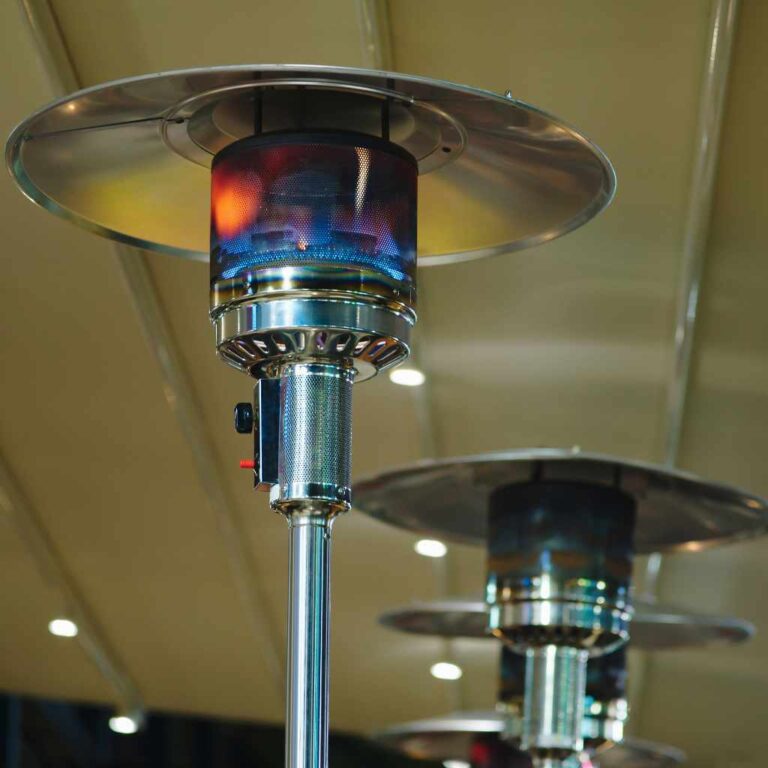
1. Propane Patio Heaters (The Tall Standing Models)
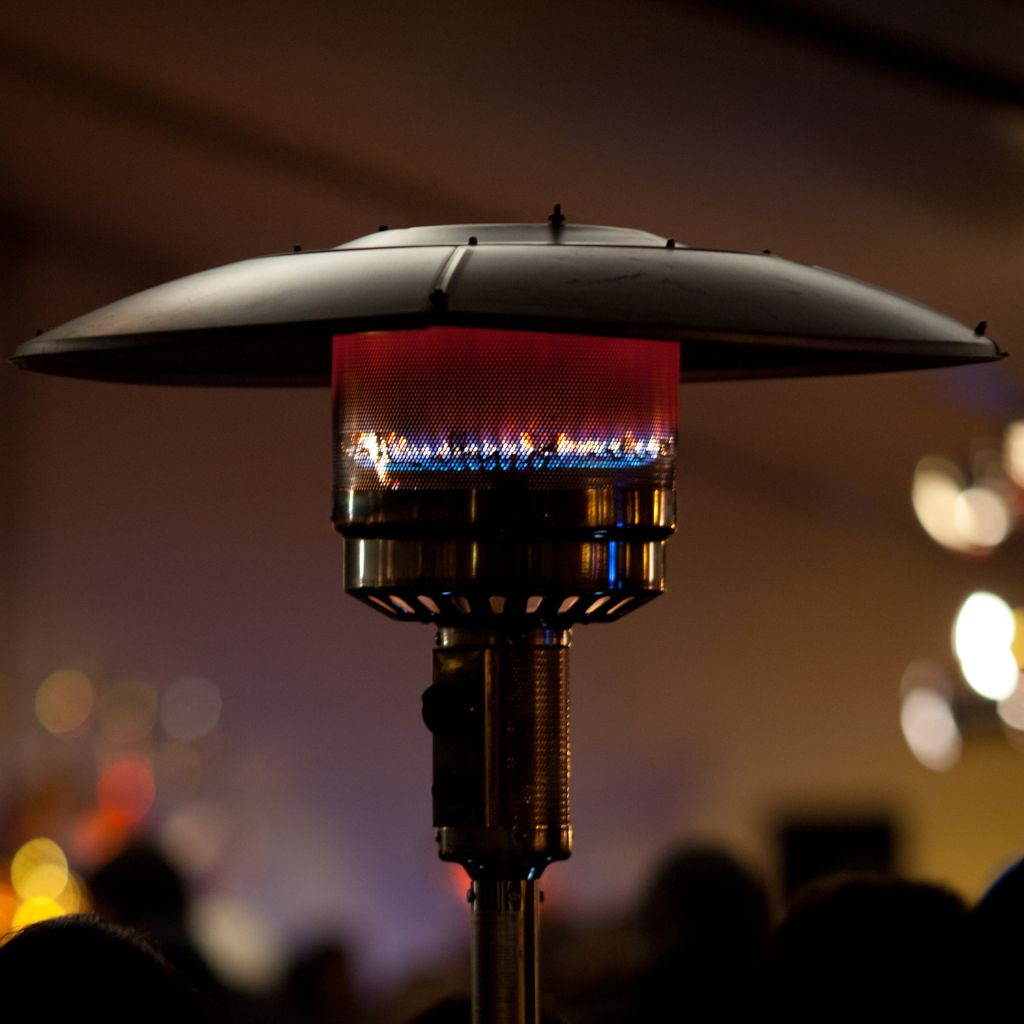
These are the heaters you often see at restaurants. They connect to a large propane tank hidden in the base.
Do they produce CO? Yes. Since they rely on burning propane, they release combustion byproducts. However:
- Designed for Outdoors: These heaters are engineered specifically for outdoor use with proper clearance. They push a significant amount of heat out, but the unit’s design allows the byproducts, including CO, to safely dissipate into the open air.
- Venting is Key: Because they are used outdoors, fresh air is constantly available for complete combustion, keeping CO levels low, assuming the heater is running correctly.
2. Natural Gas Patio / Infrasound Heaters
These are often permanently installed, connected directly to your home’s main natural gas line. They work similarly to propane models but use a steady supply rather than a tank.
Do they produce CO? Yes. Similar to propane, burning this fuel creates CO. If installed by a certified professional, the CO release is managed safely outside.
3. Electric Patio Heaters (Infrared or Quartz Heaters)
These heaters use electricity to create infrared waves that heat objects and people directly, rather than heating the air around them.
Do they produce CO? Absolutely not. This is their major safety advantage. Since no fuel is burned, there is zero risk of CO emissions. If safety concerns related to gas combustion are your primary worry, electric is the clear choice for worry-free heating.
Table 1: CO Risk Comparison for Common Outdoor Heater Types
| Heater Type | Fuel Source | CO Production? | Primary Safety Consideration |
|---|---|---|---|
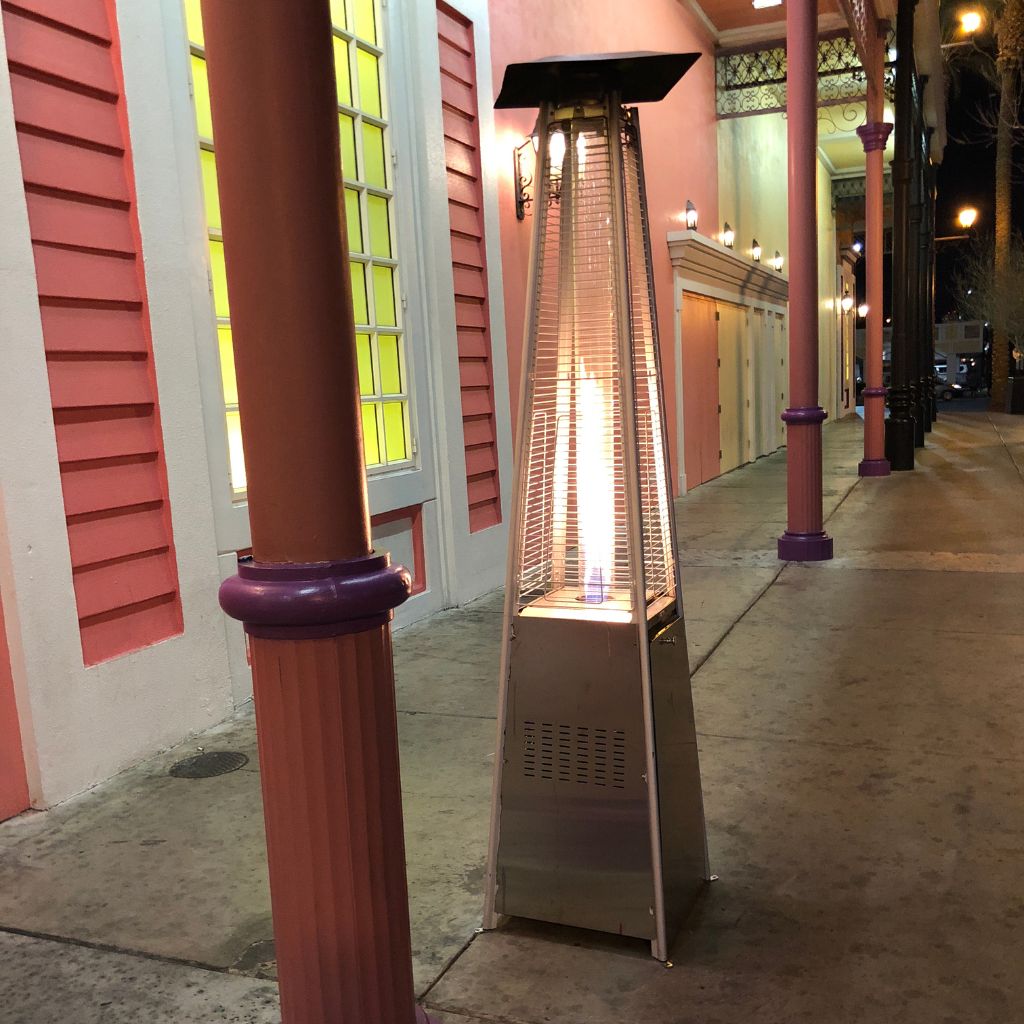
| Propane or Natural Gas Pillar Heaters | Combustion (Fuel) | Yes (Minimal Outdoors) | Ensure adequate fresh air circulation. |
| Electric Infrared Heaters | Electricity | No | Ensure proper electrical wiring and avoid water exposure. |
| Chiminea or Outdoor Fire Pits | Wood or Coal | Significant | Requires large, open area; high risk if near enclosed structure. |
The Golden Rule: Why Ventilation is Your Best Defense
Whether you are using a gas fireplace or a powerful propane patio heater, the environment—specifically, ventilation—is what stops a negligible gas release from becoming a real hazard. Authorities like the U.S. Environmental Protection Agency (EPA) stress that gas appliances must have access to fresh air to complete their combustion cycle.
If you use a fuel-burning heater outdoors, you are essentially safe because the outside air dilutes any minor CO output instantly. The danger only arises when you trap those exhaust gases.
When Does CO Become Dangerous Outdoors?
It’s rare, but CO can build up outdoors if the environment is highly restrictive. You must avoid using propane or gas heaters in these situations:
- Under Low Overhangs or Awnings (If Too Close): If your heater chimney is extremely close to a tightly enclosed structure, the gases can swirl back down before fully dispersing. Ensure there is significant vertical and horizontal clearance as specified by the manufacturer.
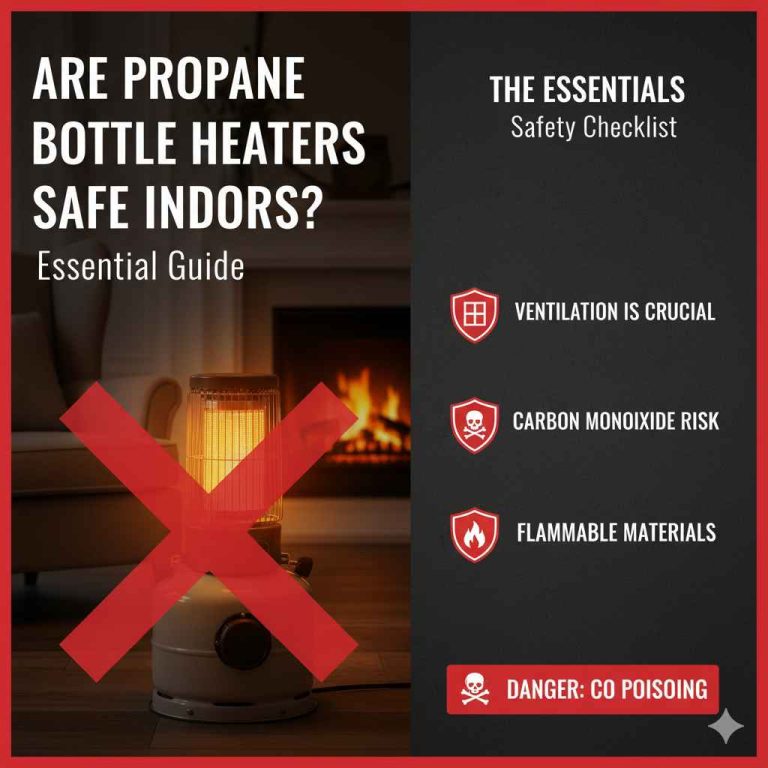
- In Enclosed Porches or Sunrooms: If your porch has walls on three or even two sides and very small openings to the outside, it is effectively an indoor space. Gas heaters MUST NOT be used in fully or semi-enclosed areas where air cannot move freely.
- Near Open Windows/Doors of the House: Even if the heater itself is outside, if the garage door is open or a window is directly above it, CO fumes could drift inside the main living area.
Safety Checklist: Using Gas Porch Heaters Without Worry
Confidence comes from knowing you’ve taken every necessary precaution. Follow these simple steps every single time you fire up your gas or propane heater.
Step 1: Read and Follow the Manual
This is non-negotiable. Your heater manual tells you the exact clearance distances required between the top of the unit and any ceiling, overhang, or wall. These distances are based on rigorous testing to ensure CO management.
Step 2: Monitor Clearance and Placement
Always ensure plenty of space on all sides.
- Keep the heater at least 3 feet away from walls, railings, draperies, and anything flammable.
- Ensure the top of the heater has at least 6 to 8 feet of open vertical space above it to allow exhaust to travel upward and away.
Step 3: Inspect Your Heater Regularly
Burners need clean air to combust fuel efficiently. A dirty or rusty burner is much more likely to produce higher levels of CO.
- Before the season starts, visually inspect the burner element. Look for soot or excessive black residue around the pilot light area.
- If you use propane, check the hose and tank connections for damage or leaks (you can often check for small propane leaks with soapy water—bubbles mean a leak!).
- Never attempt highly complex repairs yourself. If the flame looks yellow or smoky instead of clear blue, have a qualified technician service it, or retire the unit.
Step 4: Install Carbon Monoxide Detectors (The Ultimate Backup)
This is the best peace-of-mind investment you can make. Even if you are 99.9% sure your outdoor gas heater is fine, detectors warn you if something goes wrong, especially if breezes push lingering fumes toward your house entrances.
- Place a battery-operated CO alarm in the nearest interior space to the porch (e.g., the living room or kitchen adjacent to the patio door).
- Check the batteries every six months, usually when you change clocks for Daylight Saving Time.
Electric Patio Heaters As Your Zero-CO Solution
If the idea of combustion byproducts makes you uneasy, electric patio heaters are a fantastic, increasingly popular alternative. They offer safety, convenience, and often excellent efficiency.
Pros and Cons of Electric Outdoor Heaters
| Pros (Zero CO Risk) | Cons |
|---|---|
| Produce no harmful emissions or CO. | Requires a suitable outdoor-rated electrical outlet nearby (or a heavy-duty extension cord). |
| Instant heat when turned on. | Operating cost depends entirely on local electricity rates. |
| Very little maintenance required. | May not produce the same radiant “fire feel” as gas heaters. |
| Quiet operation. | Heat output can be somewhat blocked by heavy wind if not adequately shielded. |
Understanding Burner Health: Why Maintenance Matters So Much
When we talk about how much CO a gas heater emits, we are really talking about how clean it is burning the fuel. A healthy burner uses oxygen effectively, resulting in mostly harmless carbon dioxide and water vapor. A struggling burner produces excess CO.
Simple Troubleshooting for Cleaner Burning
Here are visual cues that your fuel-burning heater might be inefficient:
- Sooty Appearance: Check the reflector hood and near the burner ports. If you see excessive black soot, the fuel isn’t mixing right with the air, increasing CO production.
- Smell: While propane/natural gas itself often has an added odorant (a rotten egg smell) to detect leaks, you should never smell a strong odor of burning fuel or heavy exhaust when the heater is operating normally outdoors.
- Flame Color: A healthy flame is mostly blue. Yellow or orange flames mixed with smoke signal incomplete combustion and higher CO output.
How Local Conditions Affect Outdoor Heater Safety
We established that open air diffuses CO well. But what if your porch is particularly sheltered or windy?
If your outdoor space is recessed into the side of your house (sometimes called a “loggia” or heavily covered balcony), the lack of wind may be an issue. Even if you have space above, if the air around the heater surface cannot circulate freely, startup and cooldown phases can occasionally allow gases to linger.
For those living in areas prone to strong, swirling winds, the heater remains safe outside, but you should ensure the wind isn’t blowing fumes directly toward an open window leading into your main house—even if the CO level is low outside, continuous exposure is something to prevent.
For more information on managing air quality and ensuring safe combustion, you can always refer to safety guidelines from organizations focused on home safety and hazard prevention, such as the guidelines provided by the Centers for Disease Control and Prevention (CDC) regarding Carbon Monoxide safety.
A Quick Guide: What To Do If You Suspect CO Buildup
While rare on an open porch, knowing the signs of CO trouble indoors is crucial for everyone in the home.
These symptoms often mimic the flu, which is why they are so dangerous:
- Mild Headache or Dizziness
- Nausea or Vomiting
- Confusion or Difficulty Thinking
- Shortness of Breath
If you or a family member experiences these symptoms while the heater is running:
- Immediately move everyone outdoors into fresh air.
- If symptoms clear up once outside, call your gas company or fire department to inspect the heater and home systems.
- If symptoms persist, call emergency services immediately (911).
Frequently Asked Questions (FAQ) About Porch Heater CO Safety
Q1: Can I use my regular indoor gas fireplace insert heater on my outdoor porch?
A: No, absolutely not. Indoor appliances are designed for closed environments where venting is controlled by chimney or flue systems. Using an indoor unit outdoors means the exhaust gases, including CO, have no way to escape safely and can build up quickly around the patio boundaries.
Q2: Are electric porch heaters truly zero-risk for CO?
A: Yes. Electric heaters convert electricity into heat energy directly via a heating coil or element. Since no combustion (burning) takes place, they produce no Carbon Monoxide under any operating condition.
Q3: If my propane heater is running perfectly on my open deck, should I still worry about CO reaching the house?
A: The risk is extremely low if the heater is placed far enough away from open doors or windows. Modern patio heaters release very little CO when functioning correctly outdoors. However, keeping a detector inside near the patio door is your ultimate safety net for total peace of mind.
Q4: How often should I check my gas heater for maintenance to prevent high CO output?
A: You should aim for a thorough visual inspection at least once before the heating season begins (spring or fall). If you use it daily for several months, checking the flame appearance monthly during the season can catch efficiency drops early.
Q5: What is the difference between CO and the smoky smell from a wood fire pit?
A: A wood fire pit produces visible smoke, which contains particulates and recognizable odors. Carbon Monoxide is colorless and odorless (unless the fuel additive is leaking). While wood fire smoke is an irritant, CO is far more potent chemically because it interferes directly with your blood’s ability to carry oxygen.
Conclusion: Cozy, Warm, and Confident
We started with the big question: “Do outdoor porch heaters give off CO?” The answer gives us clarity: yes, fuel-burning units do emit trace amounts, but the great outdoors is designed to manage them safely. Electric heaters eliminate this concern entirely.
As your friendly home heating guide, my goal is to empower you. You now understand that safely enjoying the warmth of propane or natural gas heaters on your porch relies on one core principle: respecting ventilation. By keeping adequate space around gas units, ensuring they are clean, and backing up your setup with an inexpensive CO detector inside, you’ve taken every practical step necessary.
Don’t let vague worries rob you of comfortable evenings outside. Embrace the season, choose the heater that fits your lifestyle while honoring these simple safety guidelines, and get ready to enjoy the perfect temperature on your porch this year.