Infrared Heaters Vs Oil Filled Radiators: Ultimate Heating Showdown
Are you struggling to choose the right heater to keep your space warm and cozy? When it comes to staying comfortable during cold days, picking between infrared heaters and oil-filled radiators can feel confusing.
Each option has its own way of warming your room, and understanding how they work can help you make the best choice for your needs. You’ll discover the key differences between these two heaters, so you can find the perfect one that fits your home, your budget, and your comfort.
Keep reading to uncover which heater will truly warm your space the way you want.
Infrared Heaters Basics
Infrared heaters offer a unique way to warm spaces. They do not heat the air directly. Instead, they warm objects and people in the room. This method creates a cozy feeling quickly and can be more comfortable than traditional heating.
Understanding how these heaters work helps in choosing the right one. Let’s explore the basics of infrared heaters to see why many prefer them over other options.
How Infrared Heaters Work
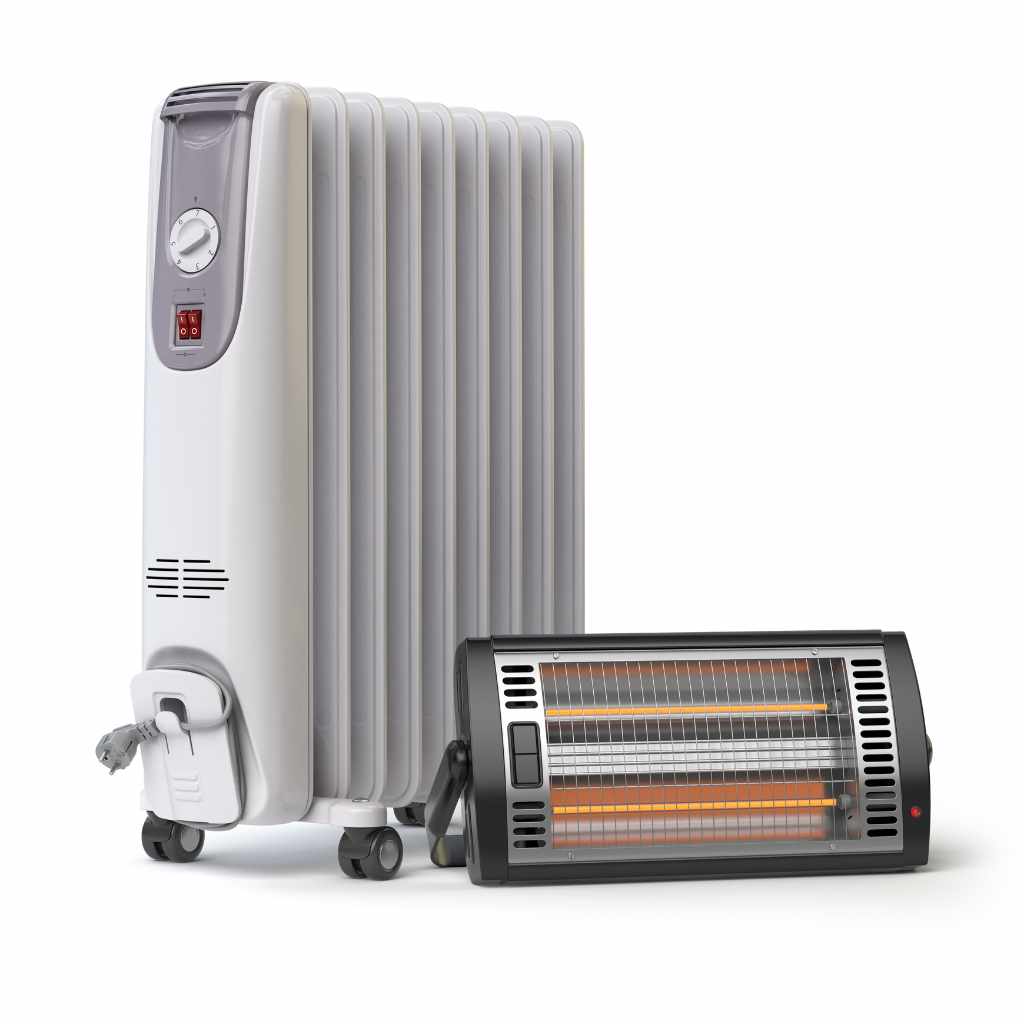
Infrared heaters use infrared light to create heat. This light is invisible but feels warm on the skin. The heater sends out rays that heat objects directly in its path. These objects then release heat into the air. This process warms the room without heating the air first.
Common Types Of Infrared Heaters
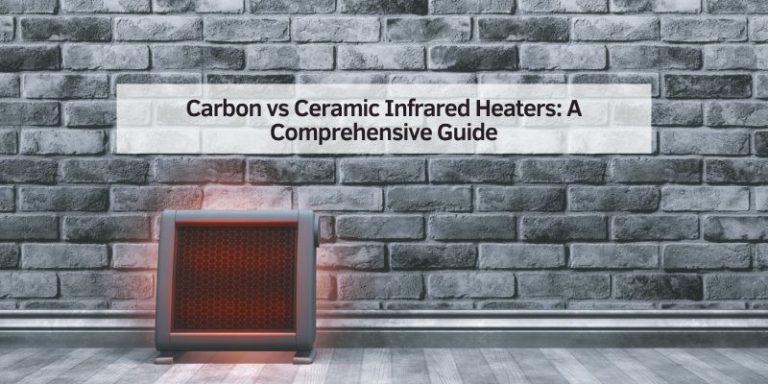
Infrared heaters come in several types. Quartz heaters use quartz tubes to produce heat. Carbon heaters use carbon fibers that glow when hot. Ceramic heaters have ceramic plates that get warm and radiate heat. Each type has its own benefits and suits different room sizes.
Energy Efficiency Of Infrared Heaters
Infrared heaters are energy efficient. They use less power because they heat objects, not air. This means less wasted energy. Rooms feel warm faster, so heaters run for shorter times. This helps save on electricity bills and reduces energy use.
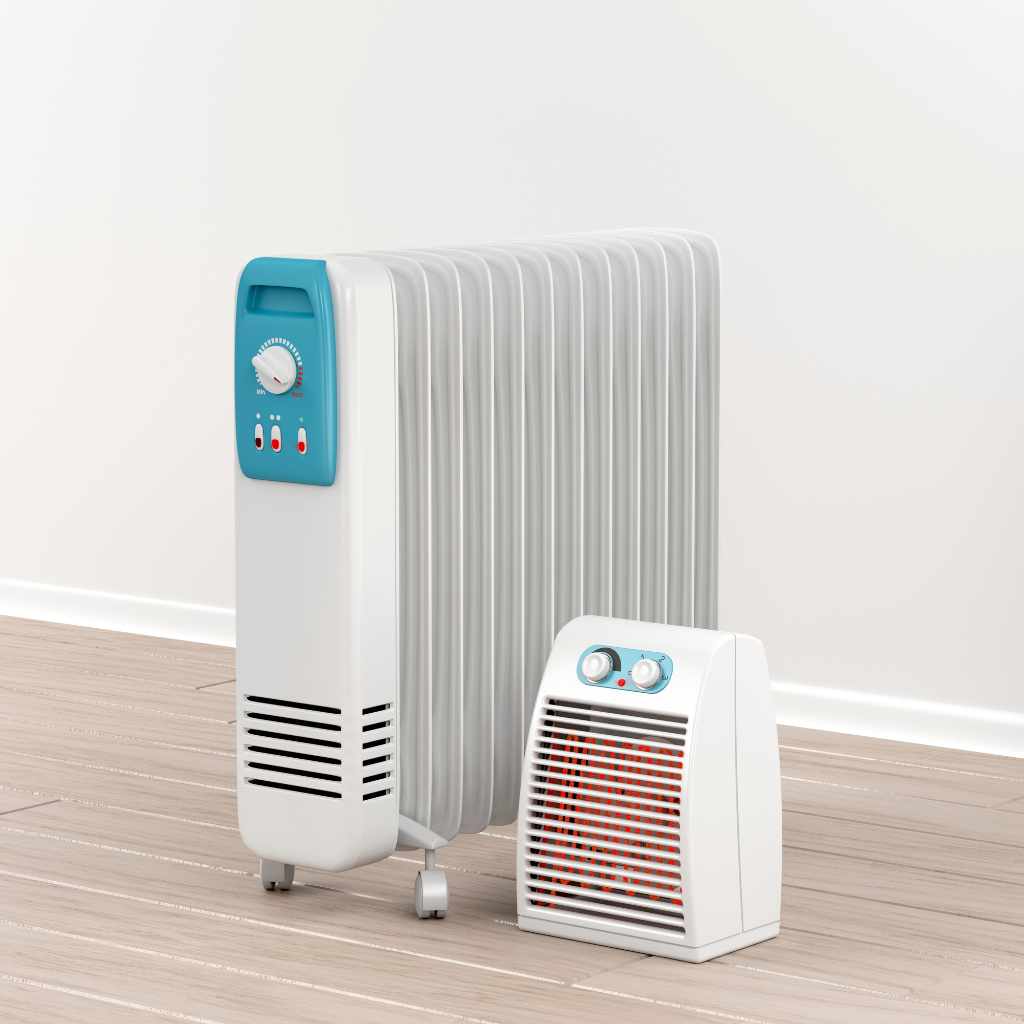
Oil Filled Radiators Essentials
Oil filled radiators are a popular choice for home heating. They provide steady warmth and are easy to use. Many people prefer them for their quiet operation and safety features. Understanding their basics helps in choosing the right heater for your space.
These heaters work well in bedrooms, offices, and small living areas. They keep the room warm for a long time after switching off. This makes them energy efficient and cost-effective for daily use.
Mechanism Behind Oil Filled Radiators
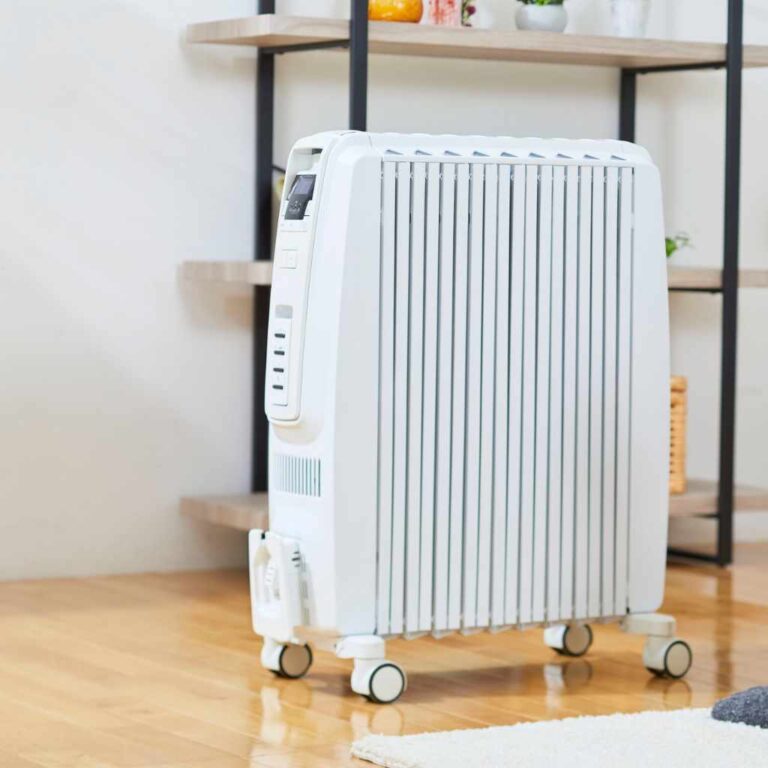
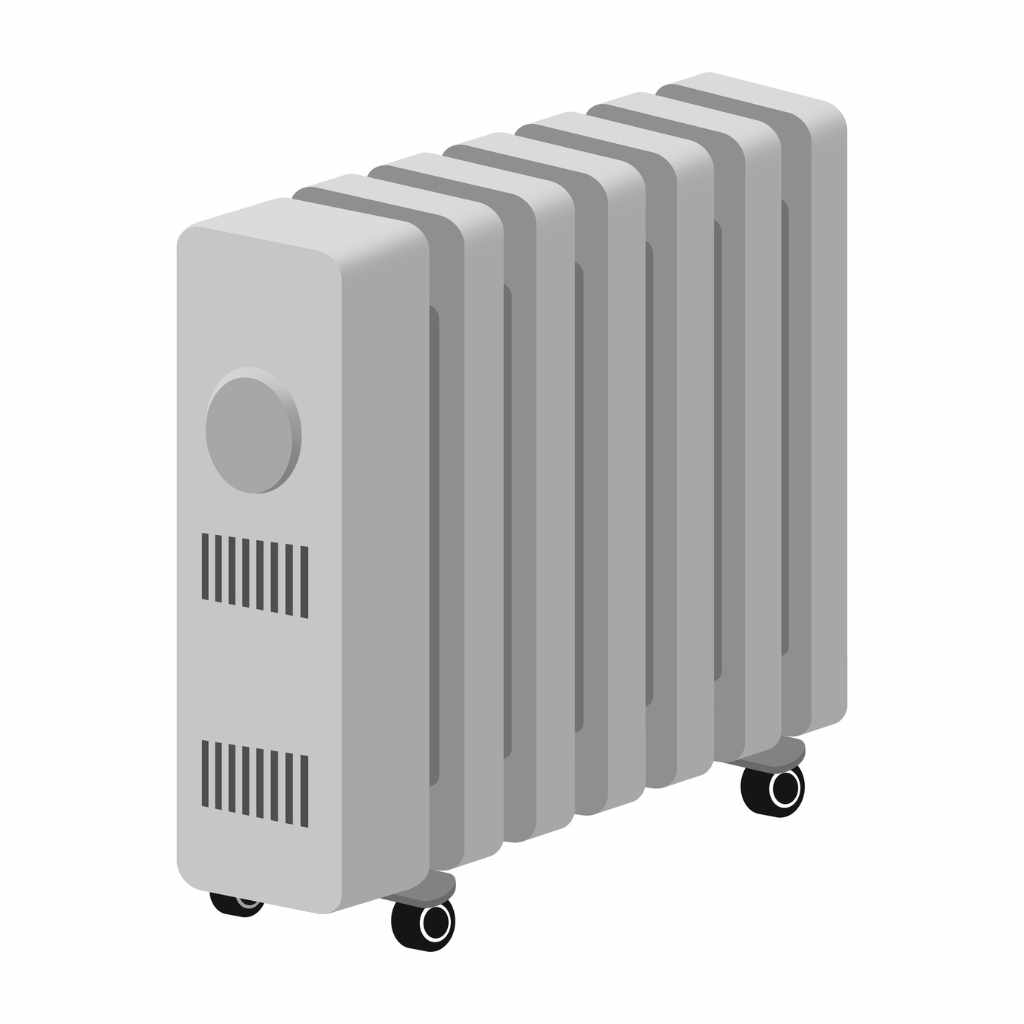
Oil filled radiators use special oil inside their metal fins. This oil heats up when electricity flows through the heater. The heated oil spreads warmth evenly across the surface.
The metal body then releases heat slowly into the room. This process does not need a fan. It creates gentle, steady heat without blowing dust or noise.
Popular Models And Designs
These heaters come in many sizes and shapes. Some have wheels for easy moving around. Others have extra features like timers and adjustable thermostats.
Common models include compact units for small rooms and larger ones for big spaces. Designs range from classic to modern styles. This variety helps match your room’s look and size.
Energy Consumption Patterns
Oil filled radiators use electricity but keep heat for longer. They consume power mainly when warming the oil. After that, less power is needed to maintain warmth.
This heating method saves energy compared to heaters that need constant power. Using a thermostat helps control energy use better. It turns the heater off once the room reaches the set temperature.
Heating Performance Comparison
Comparing heating performance helps decide the best heater for your needs. Infrared heaters and oil filled radiators work differently. Understanding their warm-up speed, heat distribution, and temperature retention is key. This guide breaks down these features clearly.
Warm-up Speed
Infrared heaters warm up almost instantly. They send heat directly to objects and people nearby. This means you feel warmth right away. Oil filled radiators take longer to heat. They need time to warm the oil inside. This delays the heat reaching the room.
Heat Distribution
Infrared heaters focus heat in one direction. They heat objects and people directly in front. Rooms may have cooler spots away from the heater. Oil filled radiators spread heat evenly around the room. They warm the air slowly but cover the whole area well.
Temperature Retention
Infrared heaters stop producing heat as soon as they turn off. The warmth disappears quickly. Oil filled radiators keep heat for a long time after switching off. The heated oil cools down slowly, releasing warmth steadily. This helps maintain a cozy room temperature.
Cost And Energy Efficiency
Choosing a heater means thinking about cost and energy use. Both infrared heaters and oil-filled radiators have different price points and energy needs. Understanding these differences helps pick the best option for your home and budget.
Initial Purchase Price
Infrared heaters usually cost less to buy. They have simpler parts and smaller designs. Oil-filled radiators tend to be pricier because of their size and materials. The price can vary by brand and features.
Operating Costs
Infrared heaters heat objects directly, not the air. This can save energy in small spaces. Oil-filled radiators warm the air slowly but keep heat longer. They use electricity steadily and may cost more to run.
Long-term Energy Savings
Infrared heaters can lower bills if used in short bursts. They heat fast and stop quickly. Oil-filled radiators work well for long use, keeping rooms warm after switching off. Choosing the right heater depends on your daily use and room size.
Safety And Maintenance
Safety and maintenance play a big role in choosing between infrared heaters and oil filled radiators. Both types need care to work well and stay safe. Understanding the risks and how to keep them clean helps you avoid problems. Also, knowing their lifespan helps plan for replacements.
Risk Factors And Precautions
Infrared heaters get very hot on the surface. Keep them away from curtains and furniture. Do not touch the heating element during use. Oil filled radiators use hot oil inside. They can leak if damaged. Avoid dropping or hitting them hard. Both heaters should have automatic shut-off if tipped over. Keep children and pets away from heaters. Use on flat, stable surfaces only.
Cleaning And Upkeep
Infrared heaters collect dust on the grill and bulbs. Clean gently with a dry cloth. Turn off and unplug before cleaning. Oil filled radiators need less cleaning. Wipe the surface with a damp cloth to remove dust. Never open or try to refill the oil. Check cords and plugs often for damage. Replace damaged parts quickly for safety.
Durability And Lifespan
Infrared heaters usually last 5 to 10 years with care. Bulbs may need replacing sometimes. Oil filled radiators often last 10 to 15 years. They have fewer moving parts and no bulbs. Proper cleaning and safe use extend lifespan for both types. Regular checks help spot problems early. Choose a heater that fits your long-term needs.
Best Uses And Ideal Environments
Choosing the right heater depends on the space and purpose. Infrared heaters and oil filled radiators serve different needs. Understanding their best uses helps pick the right one. This section covers where each type works best.
Suitable Room Sizes
Infrared heaters work well in small to medium rooms. They heat objects and people directly, not the air. Oil filled radiators heat air slowly but keep rooms warm longer. They suit medium to large rooms better. For open spaces, oil filled radiators provide steady warmth.
Indoor Vs Outdoor Use
Infrared heaters fit both indoor and outdoor use. They warm people quickly in open or drafty places. Oil filled radiators are for indoor use only. They need a dry environment and no wind. Outdoors, they lose heat fast and are unsafe.
Seasonal Considerations
Infrared heaters work well in chilly weather or quick heating needs. They are ideal for short use during cold months. Oil filled radiators are better for long, steady heating in winter. They keep rooms warm even after turning off. Choose based on how long and often you heat.
User Experience And Feedback
User experience and feedback provide real insights into how infrared heaters and oil filled radiators perform. They reveal comfort levels, ease of use, and any issues users face. This helps potential buyers make informed choices based on actual use.
Many users share their views online, highlighting both positive and negative points. These reviews often reflect daily use in homes or offices. Understanding these opinions can guide you to the best heating option for your needs.
Common Complaints
Infrared heaters sometimes get criticism for uneven heat spread. Some users feel warm only in front of the heater. The heat may not reach corners well.
Oil filled radiators can be heavy and take longer to warm a room. Some people mention a slight oil smell when heating starts. Moving these radiators can be difficult due to their weight.
Positive Reviews
Many users praise infrared heaters for quick warmth. They like that these heaters warm people and objects directly. This makes the room feel cozy fast.
Oil filled radiators receive positive feedback for steady, long-lasting heat. Users appreciate the silent operation and safety features. They find these heaters good for bedrooms and long use.
Expert Recommendations
Experts suggest choosing infrared heaters for spot heating and quick warmth. They recommend oil filled radiators for whole-room heating and energy efficiency. Both types have their place depending on the room size and use.
Experts advise checking wattage and safety features before buying. They also highlight the importance of user needs, like portability or silent operation.
Frequently Asked Questions
What Are The Main Differences Between Infrared Heaters And Oil Filled Radiators?
Infrared heaters warm objects directly using infrared rays. Oil filled radiators heat the air by warming oil inside. Infrared offers instant heat, while oil radiators provide steady, longer-lasting warmth. Both have unique benefits depending on room size and heating needs.
Which Heater Is More Energy Efficient: Infrared Or Oil Filled?
Infrared heaters are generally more energy efficient for quick, targeted heating. Oil filled radiators use more energy but maintain warmth longer. Efficiency depends on usage patterns, room insulation, and size. For short bursts, infrared saves energy; for prolonged heating, oil radiators perform better.
Are Infrared Heaters Safer Than Oil Filled Radiators?
Infrared heaters have lower surface temperatures but emit direct heat. Oil filled radiators have hot surfaces but are stable and tip-resistant. Both are safe with proper use, but infrared heaters may pose less burn risk. Always follow manufacturer safety instructions for both types.
Which Heater Is Better For Large Rooms?
Oil filled radiators are better for large rooms due to sustained heat release. Infrared heaters work best in small to medium spaces or spot heating. Large areas benefit from the consistent warmth oil radiators provide over time.
Conclusion
Choosing between infrared heaters and oil-filled radiators depends on your needs. Infrared heaters warm people and objects quickly. Oil-filled radiators provide steady, gentle heat for longer periods. Both types use electricity but work differently. Consider room size, heat speed, and energy use.
Think about safety, noise, and maintenance too. Each heater fits different situations well. Weigh the pros and cons before buying. This helps you stay warm and save energy. Simple choices lead to better comfort and savings.