

Choosing the right heating system for your home can feel overwhelming. You want something efficient, reliable, and cost-effective.
When it comes to electric options, two popular choices stand out: Electric Hydronic and Electric Baseboard heaters. But which one is best for your space? You’ll discover how these two systems work, their benefits, and what might suit your needs better.
By the end, you’ll have a clearer idea of which heater can keep your home warm and comfortable without breaking the bank. Keep reading to make an informed decision that fits your lifestyle perfectly.
Electric Hydronic Heating Basics
Electric hydronic heating offers a comfortable and efficient way to heat your home. It uses warm water to spread heat evenly across rooms. This system feels gentle and natural compared to other electric heaters. Understanding the basics helps in choosing the right heating method for your needs.
How Electric Hydronic Systems Work
Electric hydronic systems heat water using electric boilers or heating elements. The warm water flows through pipes installed under floors or in baseboard units. Heat transfers from the water to the room through radiation and convection. This process keeps the air warm without blowing hot air around.
Common Components
The main parts include an electric boiler, water pipes, and baseboard radiators or floor tubing. The boiler heats the water quickly and sends it through the system. Thermostats control the temperature to keep rooms cozy. Pumps move the water through the pipes steadily and quietly.
Energy Efficiency Factors
Electric hydronic heating uses less energy by keeping heat steady. It warms rooms evenly, so heaters run less often. Insulated pipes reduce heat loss during water circulation. Using modern thermostats and timers also saves electricity. This system offers better comfort with controlled energy use.
Electric Baseboard Heater Essentials
Electric baseboard heaters provide a simple way to heat rooms. They are common in many homes and apartments. These heaters work quietly and use electricity to warm the air. Understanding their basics helps you decide if they fit your needs.
They do not take up much space and are easy to control. You can set them to keep a room cozy without much effort. Knowing how they operate, their design, and energy use will guide your choice.
Operating Principles
Electric baseboard heaters use electric resistance to create heat. Electricity passes through metal coils inside the unit. These coils get hot and warm the metal fins around them. The fins then heat the air near the heater.
Warm air rises and circulates through the room. This process is called convection. It spreads heat evenly without noise or moving parts. The heater turns on and off based on the room’s temperature.
Design And Installation
Baseboard heaters are long, narrow units installed along walls near the floor. Their slim design fits under windows or along baseboards. Installation usually requires mounting the unit and connecting it to an electric circuit.
They do not need ducts or vents. This makes installation simpler than other heating systems. Proper placement is key for even heating and safety. A licensed electrician should handle the wiring for safe use.
Energy Consumption Patterns
Electric baseboard heaters use electricity directly to produce heat. Their energy use depends on the heater’s wattage and how long it runs. They are most efficient in small spaces or individual rooms.
They can raise electric bills if used in large areas or for long periods. A thermostat helps control energy use by turning the heater off when the room is warm. Using timers can also reduce unnecessary energy consumption.
Performance Comparison
Comparing electric hydronic and electric baseboard heaters helps you choose the right heating system. Both types warm your space but work differently. Understanding their performance can guide your decision.
Heating Speed And Consistency
Electric baseboard heaters warm up quickly. They blow hot air directly into the room. This means you feel heat fast. Electric hydronic heaters take longer to heat. They use hot water inside pipes to warm the room. But they keep the heat steady for a longer time.
Temperature Control
Electric baseboard heaters often have simple controls. You can turn them on or off or set a basic thermostat. Electric hydronic heaters usually have better temperature control. They adjust heat gradually. This helps keep the room temperature stable and comfortable.
Noise Levels
Electric hydronic heaters operate quietly. You barely hear them running. Electric baseboard heaters can make some noise. Fans or heating elements may hum or buzz. For quiet rooms, hydronic heaters are a better choice.
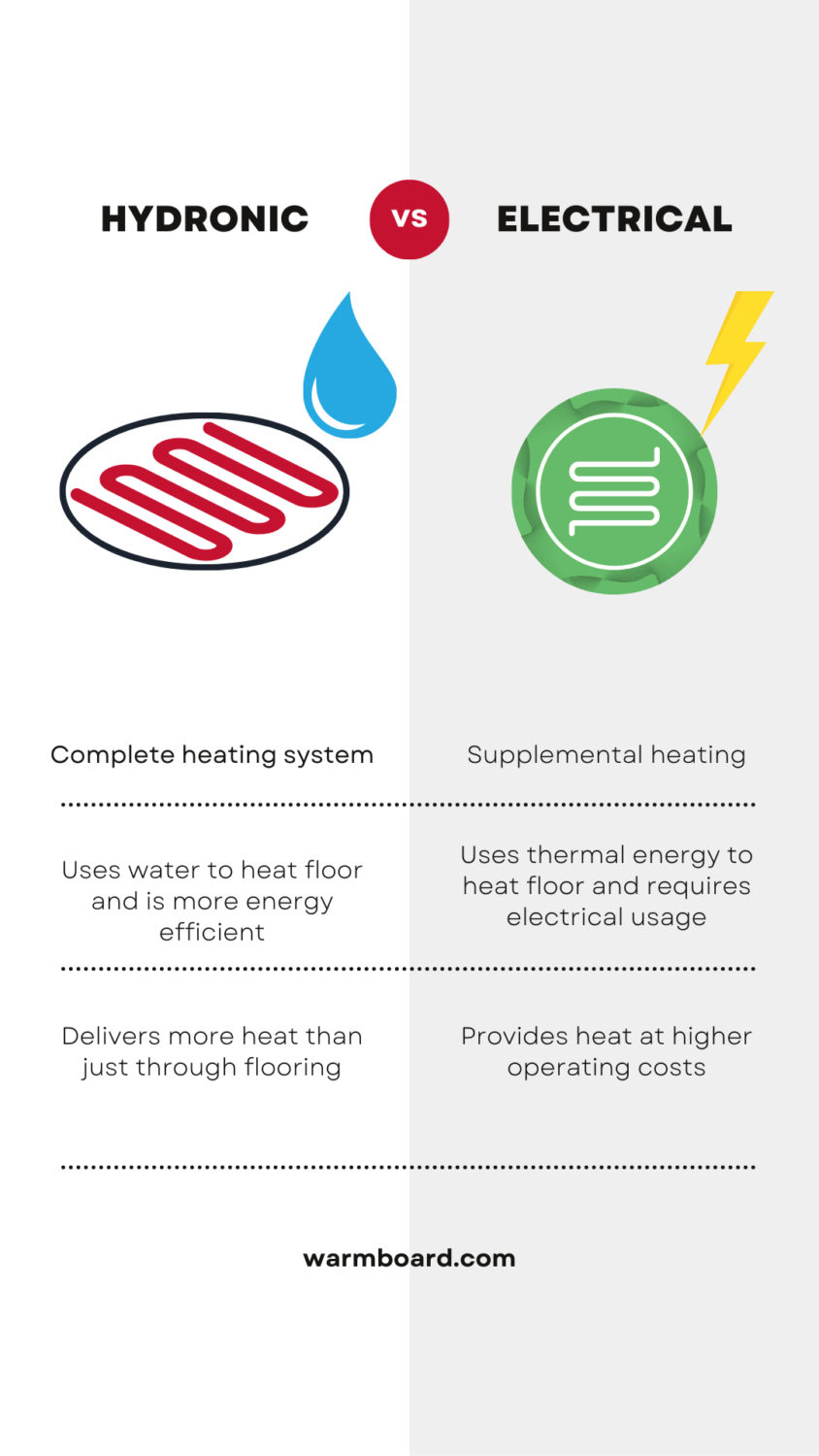
Cost Considerations
Cost plays a big role in choosing between electric hydronic and electric baseboard heaters. Understanding the costs helps to make the right decision for your home and budget. Different types of heaters have different expenses. Some costs come at the start, while others happen over time.
Initial Investment
Electric baseboard heaters usually cost less to buy. They have a simple design and are easy to install. Electric hydronic heaters need a higher upfront price. They include more parts like a water reservoir and pump. Installation for hydronic systems can be more complex and costly.
Maintenance Expenses
Baseboard heaters require little maintenance. Mostly, just occasional cleaning is enough. Hydronic heaters need regular checks. The water system must stay clean and free of leaks. Pumps and valves may need repairs or replacement. Maintenance costs for hydronic systems can add up over time.
Long-term Operating Costs
Electric baseboard heaters use electricity directly. They might cost more to run in colder months. Hydronic heaters heat water and keep warmth longer. This can lower energy use and reduce bills. Over time, hydronic systems often save money on energy costs compared to baseboard heaters.
Installation And Space Requirements
Choosing between electric hydronic and electric baseboard heaters depends a lot on installation and space needs. Both types offer different setups and room uses. Understanding these differences helps pick the right heater for your home or office.
Installation Complexity
Electric baseboard heaters are simple to install. They usually mount directly to the wall and connect to existing electrical wiring. No plumbing or water lines are needed. This makes the process quick and less costly.
Electric hydronic heaters require more work. They use heated water or fluid inside pipes. Installation needs plumbing and electrical skills. A professional often must install the system. This adds time and expense.
Space Utilization
Baseboard heaters take up wall space along floors. They are slim but long. This may limit furniture placement near the walls. Some rooms might feel crowded.
Hydronic heaters are often compact. They can fit in smaller areas because pipes can run inside walls or floors. This saves visible space and keeps rooms open.
Flexibility In Placement
Baseboard heaters must stay near walls and below windows. They need airflow to work well. This limits where you can put them.
Hydronic heaters offer more placement options. Pipes can run through floors or ceilings. This allows heaters to be hidden or placed in unusual spots. More freedom in design.
:max_bytes(150000):strip_icc()/Baseboardheater-GettyImages-182924153-839b39e85fdf4783b2af9850059da492.jpg)
Environmental Impact
Understanding the environmental impact of heating options helps in making smart choices. Electric hydronic and electric baseboard heaters both use electricity, but their effects on the environment differ. Exploring these differences clarifies which option suits eco-friendly goals.
Energy Source And Emissions
Electric heaters rely on electricity, which can come from various sources. Coal, natural gas, wind, solar, or hydroelectric power all generate electricity differently. Coal and natural gas produce high emissions and harm air quality. Renewable sources like wind and solar create little to no pollution.
Electric hydronic heaters often use less electricity because water holds heat well. Baseboard heaters heat air directly, using more energy to maintain warmth. Lower energy use means fewer emissions from power plants.
Sustainability Benefits
Hydronic systems offer better energy efficiency by circulating warm water through pipes. This method reduces energy waste. They can also pair with solar water heaters, cutting electricity use further.
Electric baseboard heaters have simple installation and low maintenance. Yet, they lack the efficiency of hydronic systems, leading to higher energy consumption.
Choosing hydronic heating supports sustainability by reducing carbon footprints. It also promotes longer-lasting, efficient heat distribution.
Ideal Use Cases
Choosing the right heater depends on your home and needs. Both electric hydronic and electric baseboard heaters work well in different settings. Knowing their ideal use cases helps you pick the best option. Each heater suits certain rooms and lifestyles better.
Best Settings For Hydronic Heating
Hydronic heaters work great in large rooms or open spaces. They provide steady, even heat that stays longer. This type suits homes with good insulation. Also, hydronic systems fit well in places where quiet operation is important. These heaters warm the air gently without blowing it around. Ideal for bedrooms, living rooms, and areas where comfort is key.
Hydronic heating suits homes with high ceilings or stone floors. It keeps the whole room warm without hot spots. This system is energy-efficient for long-term use. It works well with programmable thermostats for better control. Perfect for those who want a smooth, calm heat.
Situations Favoring Baseboard Heaters
Baseboard heaters are best for smaller rooms or tight spaces. They heat quickly and are easy to install. This type fits well in older homes without existing hydronic systems. Good for rooms where you need fast warmth, like bathrooms or kitchens. Baseboard heaters offer direct heat right where you need it.
They work well in rooms used less often or for short periods. Baseboard heaters turn on and off quickly, saving energy. They also require less maintenance than hydronic systems. Ideal for renters or those who want a simple heating solution. Best for homes with lower ceilings and smaller spaces.
Troubleshooting And Maintenance Tips
Troubleshooting and maintenance keep heating systems working well. Regular care helps prevent breakdowns and saves money. Both electric hydronic and baseboard heaters need simple checks. These tips help you spot problems early and fix them fast.
Common Issues In Hydronic Systems
Hydronic systems use hot water to heat rooms. Leaks are a common problem. Check pipes and valves for water drops or wet spots. Air trapped in pipes causes noise and cold spots. Bleed the system to release air. Thermostat problems can cause uneven heat. Test and replace batteries if needed. Pump failures stop water flow. Listen for strange sounds and check for vibrations. Regularly inspect the boiler for rust or corrosion.
Baseboard Heater Care
Baseboard heaters need dust-free surfaces. Turn off power before cleaning. Use a vacuum or soft brush to remove dust inside fins. Dust blocks heat flow and wastes energy. Check for loose or damaged wires. Tighten screws and replace frayed wires immediately. Avoid placing furniture close to the heater. Keep the area clear to allow proper air flow. Test the thermostat to ensure correct temperature control.
Frequently Asked Questions
What Is The Main Difference Between Electric Hydronic And Baseboard Heaters?
Electric hydronic heaters use heated water to warm a room, while baseboard heaters use electric coils. Hydronic systems provide steady, even heat. Baseboard heaters heat the air directly, often causing quicker temperature changes.
Which Heater Is More Energy Efficient: Hydronic Or Baseboard?
Electric hydronic heaters are generally more energy efficient. They retain heat longer, reducing energy use. Baseboard heaters heat up quickly but lose heat fast, leading to higher energy consumption.
Are Electric Hydronic Heaters Quieter Than Baseboard Heaters?
Yes, electric hydronic heaters operate quietly. They use water circulation, which produces minimal noise. Baseboard heaters can emit slight buzzing sounds due to electric elements heating.
Which Heater Provides More Consistent Room Temperature?
Electric hydronic heaters provide more consistent temperatures. The heated water circulates evenly, avoiding hot or cold spots. Baseboard heaters can cause fluctuating temperatures as they cycle on and off.
Conclusion
Choosing between electric hydronic and electric baseboard heaters depends on your needs. Electric hydronic heaters warm the room gently and keep heat longer. Electric baseboard heaters heat up quickly and are easier to install. Think about your budget, room size, and how fast you want heat.
Both types offer clean, quiet heating without vents. Consider energy use and maintenance before deciding. Either option can keep your home warm during cold months. Simple choices lead to cozy comfort.