Electric Baseboard Heaters: Essential Hydronic vs. Standard
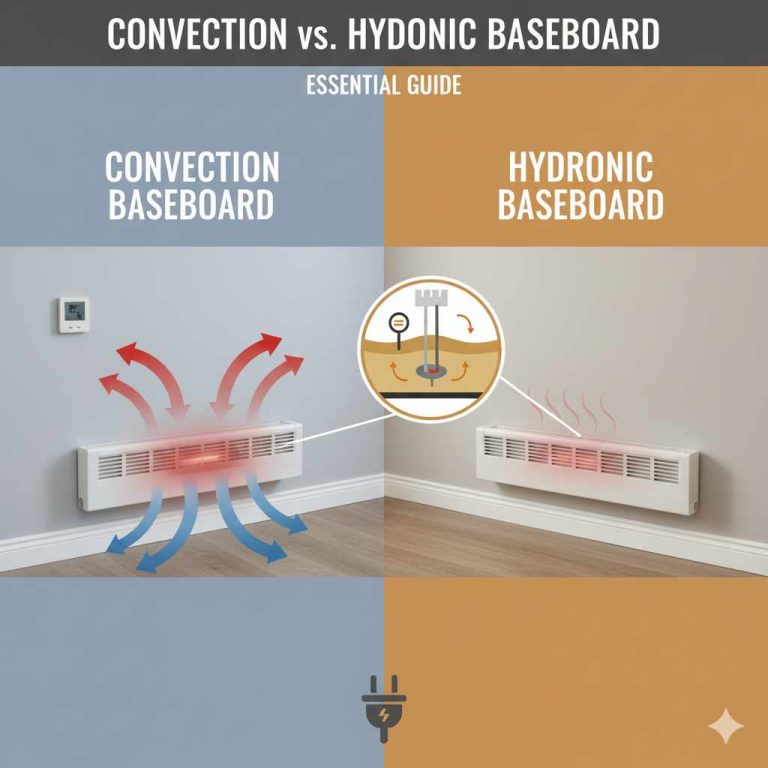
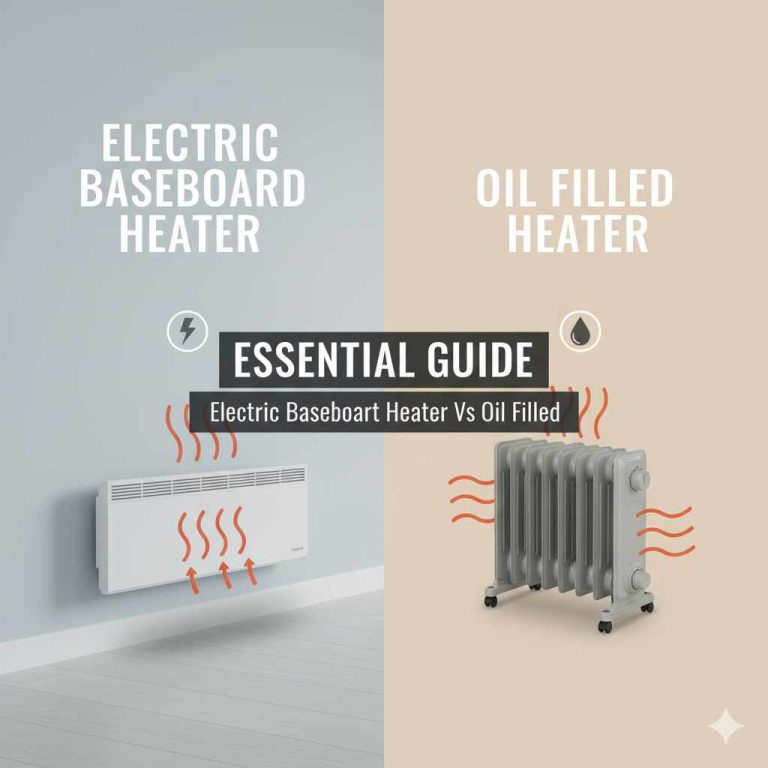
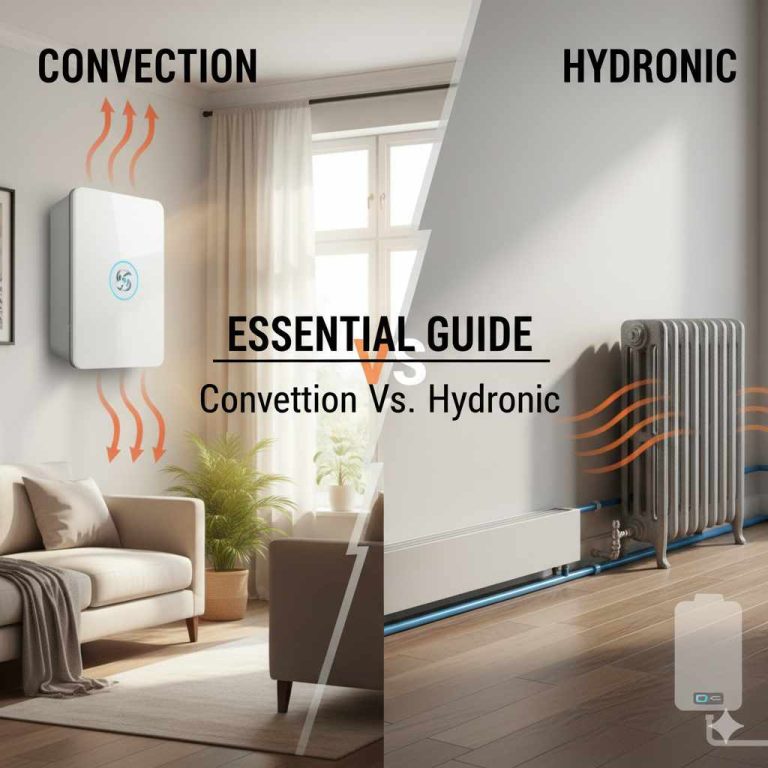
Choosing between hydronic and standard electric baseboard heaters is simpler than you think. Standard heaters offer quick, direct heat. Hydronic heaters provide a softer, more consistent warmth, often considered more energy-efficient for whole-room heating. This guide will clarify the differences to help you make the best choice for your cozy home.
Feeling chilly and thinking about upgrading your home’s heating? Electric baseboard heaters are a popular choice for many homes. But when you start looking, you might see two main types: standard and hydronic. It can feel a bit confusing trying to figure out which one is right for your space, especially if you want to keep your home warm without breaking the bank or dealing with complicated systems. Don’t worry! I’m Tanim, your friendly guide to home heating, and I’m here to make this decision super clear and easy. We’ll break down exactly what makes these heaters different, their pros and cons, and how to choose the best fit for your comfort and budget. Let’s get your home feeling perfectly cozy!
Understanding Electric Baseboard Heaters: The Basics
Electric baseboard heaters are a common way to add supplemental or primary heat to rooms. They are usually installed along the base of walls, where they can effectively heat the air that rises and circulates throughout the room. Unlike central heating systems that use ducts, these are individual units, making them great for specific rooms or areas that tend to get colder.
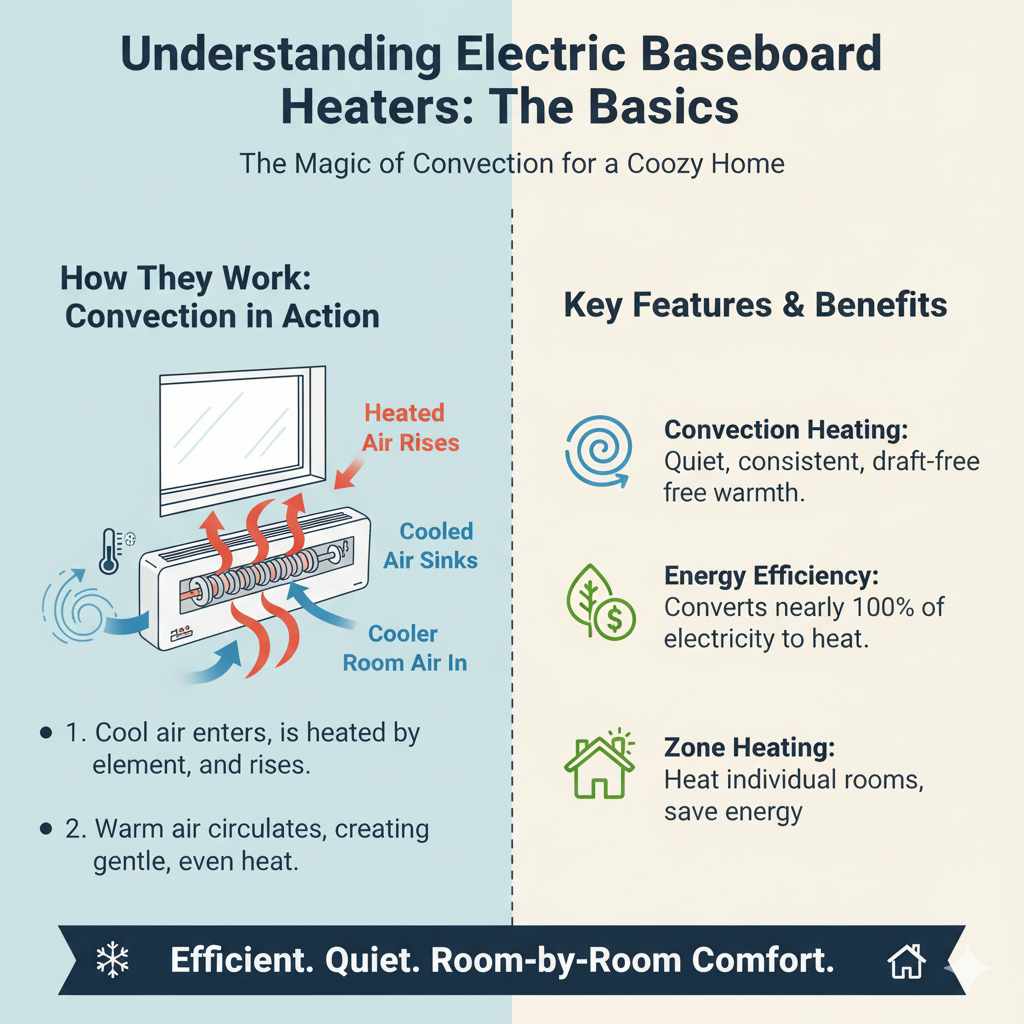
The basic idea is simple: electricity flows through a heating element inside the unit. This element gets hot and warms the air around it. A convection process then takes over, where the warm air rises, cools as it circulates, and then sinks back down to be heated again by the baseboard. This continuous circulation helps maintain a steady temperature.
How They Work: The Magic of Convection
Imagine a gentle breeze rising from the baseboard heater. That’s convection in action! Here’s a simple breakdown:
- Heating Element: Inside the heater is a resistance wire that heats up when electricity passes through it.
- Air Intake: Cooler room air is drawn into the bottom of the baseboard unit.
- Heating and Rising: As the air passes over the hot element, it warms up significantly.
- Air Outlet: The warm air then rises out of the top vents of the baseboard heater.
- Circulation: This rising warm air displaces cooler air, which sinks and is drawn back into the heater. This natural cycle, called convection, helps warm the entire room.
This process is what makes baseboard heaters a quiet and effective way to heat a space directly.
Standard Electric Baseboard Heaters: Quick Warmth, Simple Design
Standard electric baseboard heaters are the most common type you’ll encounter. They are designed for straightforward operation and deliver heat quickly. When you turn one on, the heating element inside gets hot, and it directly warms the air that flows through it.
These heaters are excellent for providing targeted heat to a specific room. They are relatively inexpensive to purchase and simple to install, making them a popular choice for homeowners and renters alike. Many standard baseboard heaters come with a built-in thermostat, or they can be connected to a wall-mounted thermostat for temperature control.
How They Deliver Heat
The heating process in a standard unit is all about direct contact air heating. Think of it like a gentle, silent fan pushing warm air upwards, but without the fan! The heat produced is immediate, so you’ll feel the warm air coming from the unit within minutes of turning it on.
Pros and Cons of Standard Electric Baseboard Heaters
Like any home appliance, standard electric baseboard heaters have their upsides and downsides. Understanding these can help you decide if they’re the right fit for your needs.
Pros:
- Fast Heating: They begin warming the room almost immediately after being turned on.
- Affordable Upfront Cost: Generally less expensive to purchase than hydronic models.
- Simple to Install: Usually a straightforward electrical hookup, making installation easier and potentially less costly.
- Individual Room Control: Each unit can often be controlled independently, allowing you to heat only the rooms you are using.
- Quiet Operation: They operate silently, contributing to a peaceful environment.
Cons:
- Can Be Less Energy Efficient: While they heat up fast, they can sometimes use more electricity overall to maintain a temperature compared to hydronic systems, especially in very cold climates or poorly insulated rooms.
- Dry Air: The direct heating process can sometimes lead to drier air in the room.
- Surface Heat: The heating elements and housing can become quite hot to the touch, which can be a concern in homes with young children or pets.
- Temperature Fluctuations: Some users find that standard units can lead to slightly more noticeable temperature swings as they cycle on and off.
Hydronic Electric Baseboard Heaters: Soft Heat, Consistent Comfort
Hydronic electric baseboard heaters, sometimes called hot water baseboard heaters, are a bit different. Instead of directly heating the air, these units heat a special thermal fluid (like water or oil) sealed inside the unit. This fluid then circulates within the heater, radiating a more gentle and consistent warmth into the room.
The key advantage of hydronic heaters is the quality of heat they provide. It’s often described as softer and more even, reducing drafts and dry air. Because the fluid retains heat, these units can continue to provide warmth even after the heating element has cycled off, leading to more stable temperatures and potentially better energy efficiency.
How They Deliver Heat
The heating process in a hydronic unit is two-phased. First, electricity heats a special fluid within the unit. Then, this warm fluid heats the metal fins of the baseboard, which in turn warms the air through convection. This indirect heating method is what gives them their signature even and comfortable output.
Think of it like this: a standard heater is like a quick burst of heat, while a hydronic heater is like a warm hug that lasts longer. The thermal fluid acts as a heat reservoir, smoothing out the temperature. For a more in-depth look at heat transfer and convection, you might find resources from educational institutions like The University of Toronto Physics Department helpful in understanding the underlying science.
Pros and Cons of Hydronic Electric Baseboard Heaters
Hydronic units offer a distinct approach to electric heating. Let’s look at what makes them stand out.
Pros:
- Consistent and Gentle Heat: They provide a steady, even heat without dramatic temperature swings, creating a very comfortable environment.
- Softer Air: The indirect heating method often results in less dry air compared to standard electric heaters.
- Quieter Operation (Often): While standard units are silent, hydronic units might sometimes produce a very faint “ticking” sound as the fluid expands and contracts, but this is usually minimal and many are virtually silent.
- Potential for Energy Efficiency: The thermal fluid retains heat, allowing the unit to continue warming the room after the element turns off, which can lead to lower overall energy consumption in certain situations.
- Safer surface temperatures: They can sometimes maintain slightly cooler surface temperatures compared to standard units, which can be a consideration for safety.
Cons:
- Slower to Heat Up: It takes longer for the hydronic fluid to heat up initially, meaning you won’t feel the warmth as quickly as with a standard unit.
- Higher Upfront Cost: Hydronic models typically cost more to purchase than standard electric baseboard heaters.
- More Complex Installation: While still generally manageable, installation can sometimes be a bit more involved due to the sealed fluid system.
- Potential for Leaks (Rare): Though very rare with modern manufacturing, any sealed system carries a tiny risk of leaks over its lifespan.
- Fixed Heat Output: Once the fluid is up to temperature, the heat output is more consistent, which might feel less ‘adjustable’ on demand than a standard unit.
Hydronic vs. Standard: Key Differences at a Glance
To make your decision even clearer, here’s a direct comparison of hydronic and standard electric baseboard heaters. This table highlights the main distinctions to help you weigh your options.
| FeatureStandard Electric Baseboard HeaterHydronic Electric Baseboard Heater | ||
|---|---|---|
| Heating Method | Directly heats air using an electric resistance element. | Heats a sealed thermal fluid, which then radiates heat. |
| Heat Delivery | Fast, immediate heat. Can feel like a burst of warmth. | Slower to heat initally, but provides a gentler, more consistent warmth. |
| Comfort Level | Can sometimes lead to drier air and more noticeable temperature swings. | Provides softer, more even heat with fewer temperature fluctuations. |
| Energy Efficiency | Can be less efficient if used for prolonged whole-room heating due to on/off cycling. | Potentially more efficient for maintaining consistent temperatures due to heat retention in the fluid. |
| Initial Cost | Generally lower purchase price. | Generally higher purchase price. |
| Installation | Simpler and quicker. | Can be slightly more complex. |
| Surface Temperature | Can get hotter to the touch. | Often maintains slightly cooler surface temperatures. |
Which Type is Right for Your Home? Factors to Consider
Deciding between hydronic and standard electric baseboard heaters largely depends on your priorities and your home. Here are a few questions to ask yourself:
1. What Kind of Warmth Do You Prefer?
If you love that quick “blast” of heat the moment you turn a heater on and don’t mind minor temperature ups and downs, a standard heater might be perfect. If you value a smooth, consistent, and gentle warmth that feels like it’s subtly filling the room, a hydronic unit will likely be your favorite.
2. How Will You Be Using the Heater?
For quick heating of a small space or a room you only use occasionally: Standard electric baseboard heaters are often ideal. They heat up fast, making them great for a bedroom you’re about to use or a bathroom you want to warm up quickly.
For consistent, whole-room heating or a primary heat source in well-insulated areas: Hydronic heaters can be more effective. Their ability to maintain a steady temperature can lead to greater comfort and potentially lower energy bills over extended periods.
3. What’s Your Budget?
The initial purchase price is a significant factor. Standard heaters are generally more budget-friendly upfront. If your budget is tight for the initial investment, they are a practical choice. Hydronic heaters have a higher upfront cost but may offer long-term savings in energy consumption, making them a good investment if you plan to use them frequently.
4. Are There Safety Concerns?
In homes with very young children or pets who might touch the heater, the slightly cooler surface temperatures of some hydronic models can be a reassuring factor. However, both types are designed with safety in mind, and always keeping flammable materials away from any heater is crucial. Always ensure your heaters meet current safety standards, such as those outlined by UL (Underwriters Laboratories), a well-respected safety consulting and certification company. You can often find UL certification marks on the product packaging or the unit itself.
5. Installation and Space
Both types are relatively compact. Standard heaters are typically very straightforward to install, often a simple connection to your home’s electrical system. Hydronic heaters might sometimes involve a slightly more involved installation, but it’s usually still within the scope of a DIYer or a professional electrician. Always consult your local building codes for any specific installation requirements.
Installation and Maintenance Tips from Tanim
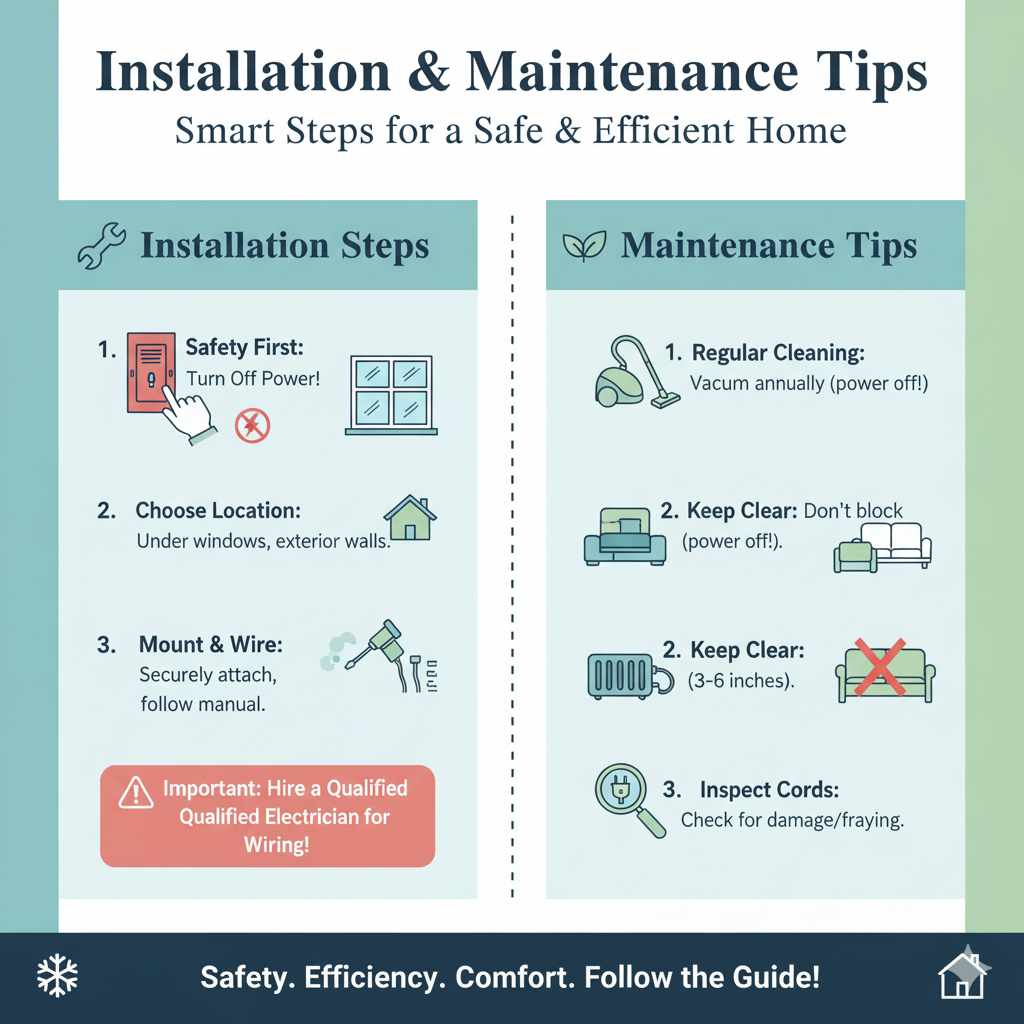
Once you’ve chosen your heater, getting it installed and keeping it running smoothly is key. Here are some tips to make sure your new heater provides warmth and comfort safely for years to come.
Installation Steps (General Overview)
Important Note: Working with electricity can be dangerous. If you are not comfortable or experienced with electrical work, it is always best to hire a qualified electrician. This is a general overview and not a substitute for professional advice or manufacturer instructions.
- Safety First: Always turn off the power to the circuit you’ll be working on at your home’s main electrical panel. Double-check that the power is off using a voltage tester.
- Choose the Location: Most baseboard heaters are designed to be mounted along an exterior wall, beneath a window, where they can help counteract cold drafts. Ensure there’s adequate clearance around the unit according to the manufacturer’s instructions.
- Mount the Heater: Securely attach the heater to the wall using the mounting brackets provided. Ensure it is level.
- Wire the Heater: For standard heaters, you’ll typically connect power wires (hot, neutral, ground) to the appropriate terminals inside the heater. For hydronic units, the wiring is similar for the electrical connection to heat the fluid. Follow the wiring diagrams in your owner’s manual precisely.
- Connect to Thermostat (if applicable): If you are using a separate wall thermostat, wire the heater according to the thermostat’s and heater’s instructions.
- Restore Power and Test: Once everything is securely wired and enclosed, turn the power back on at the breaker panel. Test the heater by setting the thermostat to a warm temperature and ensuring it heats up.
For detailed instructions, always refer to the specific manual that comes with your chosen heater model. Resources like the ENERGY STAR website offer excellent general information on home heating systems and energy efficiency.
Simple Maintenance for Longevity
Keeping your electric baseboard heaters in good shape is easy and doesn’t take much time. Regular, simple cleaning will help them work efficiently and safely.
- Regular Cleaning: Dust and debris can accumulate inside the heater and on the heating elements, which can reduce efficiency and potentially create odors or safety hazards. About once or twice a year (or more often if you have pets or allergies), turn off the power to the unit. Then, use a vacuum cleaner with a brush attachment or a long, narrow crevice tool to gently clean out any dust and debris from the fins and the interior of the unit.
- Check for Obstructions: Never block the airflow to your baseboard heaters. Ensure that furniture, curtains, rugs, or other items are kept at a safe distance (usually 3-6 inches, but check your manual) from both the bottom air intake and the top air outlet. This allows for proper convection and prevents overheating.
- Inspect Cords and Plugs: If your heater has a plug, periodically check the cord and plug for any signs of damage, such as fraying or overheating. If you find any damage, unplug the unit immediately and have it repaired or replaced by a qualified professional.
- Thermostat Check: If your heater is connected to a wall thermostat, ensure the thermostat is functioning correctly. Test it by adjusting the temperature and observing if the heater responds appropriately. If not, the thermostat might need recalibration or replacement.
By following these simple steps, you can enjoy reliable and safe warmth from your electric baseboard heaters all season long.
Frequently Asked Questions (FAQs)
Q1: Are electric baseboard heaters expensive to run?
Answer: Electric baseboard heaters use electricity, which can be more expensive per unit of heat than natural gas. However, their efficiency depends on how they’re used. Standard heaters are good for quick boosts, while hydronic heaters can be more efficient for consistent heating. Using them only in rooms you need and keeping your home well-insulated helps manage running costs.
Q2: Can I install electric baseboard heaters myself?
Answer: For those comfortable with electrical work, a DIY installation of standard electric baseboard heaters is often possible, following manufacturer instructions and local codes. However, if you have any doubts or are dealing with hydronic units or complex wiring, hiring a qualified electrician is always the safest bet to ensure proper and safe installation.
Q3: How much space should I leave around an electric baseboard heater?
Answer: You should always keep a clear space of at least 3 inches (7.5 cm) around the heater, especially at the bottom air intake and the top air outlet. Check the manufacturer’s manual for the exact recommended clearance. Obstructions can reduce efficiency and create a safety hazard.