Electric Vs Gas Heater Cost: Which Saves You More?
Choosing between an electric and a gas heater for your home can feel overwhelming, especially when you’re trying to make the most cost-effective decision. Have you ever wondered which option will save you more money in the long run?
Understanding the cost differences between these two types of heaters is crucial. This choice not only affects your monthly utility bills but also impacts the overall efficiency and comfort of your living space. Imagine a warm, cozy home that doesn’t break the bank.
The good news? You’re about to discover which heater aligns best with your budget and lifestyle. Keep reading to unveil the true cost comparison and make an informed decision that could save you money and enhance your comfort.
Initial Purchase Costs
Electric heaters are often cheaper to buy. Prices can start as low as $50 for basic models. Advanced electric heaters with smart features cost more. You might spend around $200 for these. Installation costs are usually low. Many electric heaters are plug-and-play. No need for complex setups. This saves money.
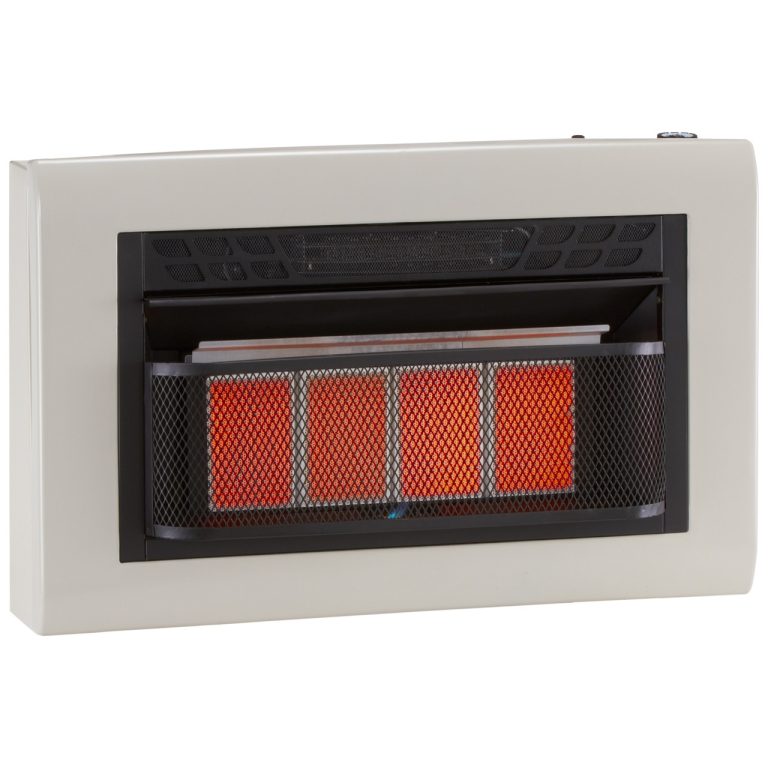
Gas heaters can be pricier upfront. Basic models may start at $100. Advanced gas heaters can cost up to $500. Installation can be costly too. Professionals might need to set up gas lines. This adds to total expenses. Long-term savings are possible, but initial costs are higher.
Installation Costs
Choosing between electric and gas heaters involves different installation costs. Electric heaters generally have lower upfront costs. Gas heaters, although pricier to install, can be more efficient in the long run.
Electric Heater Setup
Electric heaters are easy to install. They need a power source. This is usually a wall socket. An electrician can help. Electric heaters don’t need vents. This makes them simple. They can be installed quickly. Installation costs are lower. You might pay less for electric heater setup. It is often cheaper than gas setups. You save money on installation.
Gas Heater Setup
Gas heaters need more work to install. They require special vents. These vents let out gases. A professional is needed for this. Gas lines must be connected. This can be tricky. Gas heater setup costs more. Installation takes longer. You might need a permit. This adds to the cost. Overall, gas setups are pricey.
Energy Efficiency
Electric heaters are often very efficient. They convert almost all energy into heat. This means less waste. Electric heaters usually have a high energy rating. This makes them good for small spaces. But, they can be costlyto use for long hours. Electric heaters are also safer. They do not produce harmful gases.
Gas heaters can warm up a room quickly. They are often less expensiveto run than electric ones. Gas heaters can be very powerful. This makes them suitable for large areas. But, they may waste some energy. Some heat can escape through the vent. Regular maintenance is needed for safety. They produce gases that must be vented outside.
Monthly Operating Costs
Electric heaters are often cheaper upfront. They use electricity to warm your home. The monthly bill depends on how much you use. When you use it a lot, the cost goes up. Electricity rates vary by location. Some areas are more expensive. Energy-efficient models can lower bills. They use less power. But they might cost more to buy.
Gas heaters use natural gas. They can be cheaper to run. Gas rates are often lower than electricity. The monthly cost depends on usage. If you run it often, the bill gets bigger. Efficient models use less gas. They help keep bills low. Installation costs can be higher. Safety checks might add to the cost.
Maintenance Expenses
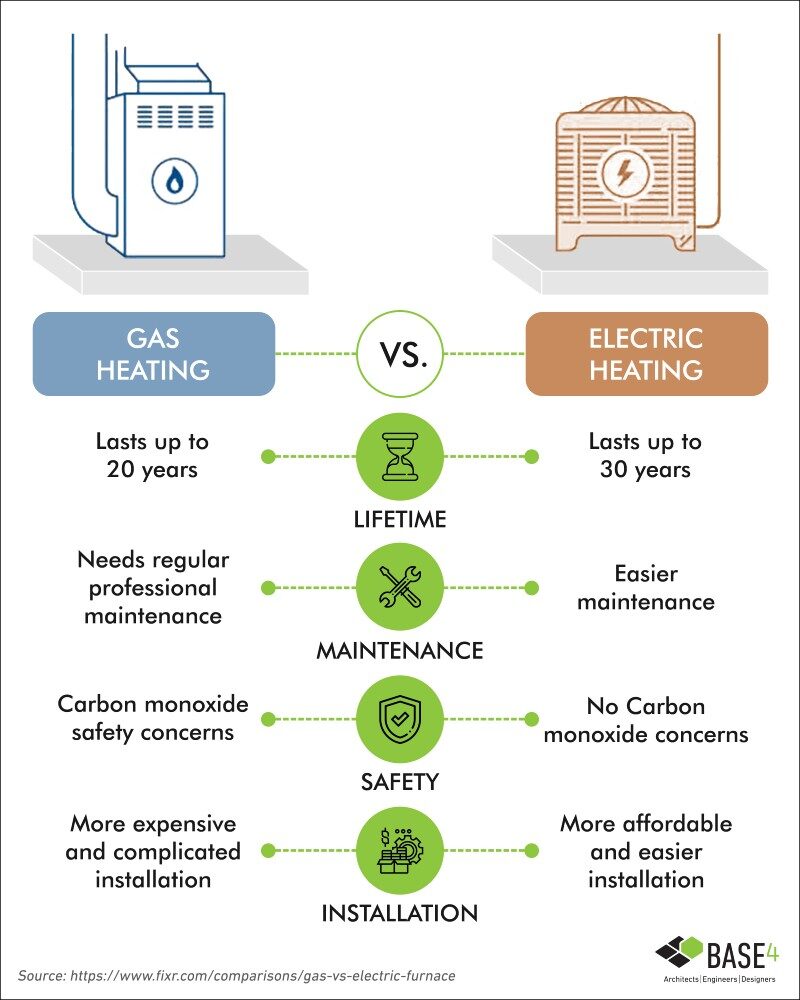
Electric heaters typically have lower maintenance costs compared to gas heaters. Gas heaters require regular inspections for safety and efficiency. Choosing between them depends on budget and service needs.
Electric Heater Maintenance
Electric heaters need less maintenance. They have fewer parts that can break. Cleaning the heater is important. Dust can make it work harder. Check the heater’s wires sometimes. Make sure they are not damaged. Replace any broken wires. This keeps the heater safe. Annual checks by a professional are good. They ensure the heater works well.
Gas Heater Maintenance
Gas heaters need more care. They have more parts to check. Clean the burner often. Dust can block it. Check the pilot light. It should be blue. Yellow means a problem. Vents must be clear. Blocked vents can be dangerous. Professional checks are very important. They make sure gas leaks do not happen. These checks keep your home safe.
Credit: www.base-4.com
Environmental Impact
Electric heaters use clean energy if powered by renewable sources. This helps the planet by reducing pollution. They do not produce harmful gases or smoke. They are quiet and do not disturb nature. Making electricity can still pollute if done with coal or gas. Solar and wind power are better for the Earth. Electric heaters are safer for the environment when powered by green energy.
Gas heaters use natural gas or propane. Burning gas can release carbon dioxide. This gas is not good for the air. It can add to global warming. Gas heaters can also leak. Leaks can harm plants and animals. They make the air dirty. Choosing gas heaters can affect the air quality around us. Gas heaters need careful handling to prevent leaks and pollution.
Long-term Savings
Electric heaters are often cheaper to buy. But they can cost more over time. They need electricity to run. Electricity can be expensive. Some electric heaters last a long time. Others might need replacing. This adds to the cost. Maintenance costs are usually low. But it is important to keep them clean. This helps them work well. Think about the energy bills. They can add up fast. Always remember to turn off the heater when not in use. This saves money.
Gas heaters can be more expensive to buy. But they often cost less to run. They use natural gas. Gas can be cheaper than electricity. Gas heaters might need more care. Maintenance can be costly. This keeps them safe and working well. They also need regular checks. This prevents problems. They might last a long time. But if they break, fixing them can be costly. Consider these costs before buying one.

Credit: www.gntos.org
Regional Cost Variations
Electricity costs vary in different places. Some areas have low rates. Others have high rates. In the city, electricity is sometimes more expensive. Rural areas may have cheaper rates. Always check your local prices before buying. This can save you money. It helps in choosing the right heater.
Gas prices are not the same everywhere. Some regions have lower prices. Others have higher costs. Gas is often cheaper in areas with many gas companies. Prices can change with the seasons. Cold months might see a price rise. Always compare gas prices in your area. This helps in making a good choice.
Frequently Asked Questions
What Are The Main Cost Factors?
The main cost factors include purchase price, installation, and operational costs. Electric heaters often have lower upfront costs but higher operational expenses. Gas heaters might cost more initially but can be cheaper to run. Consider fuel prices and efficiency when evaluating total costs.
Which Heater Type Is Cheaper Long-term?
Gas heaters are generally cheaper long-term due to lower operational costs. They are more efficient in heating large spaces. Electric heaters might incur higher electricity bills over time. It’s essential to weigh initial costs against long-term expenses.
How Does Efficiency Affect Heater Cost?
Efficiency directly impacts the operational cost of heaters. Higher efficiency means less energy wastage and lower bills. Gas heaters often have higher efficiency ratings, leading to reduced long-term costs. Electric heaters might be less efficient, potentially increasing energy expenses.
Are Electric Heaters Cheaper To Install?
Electric heaters are typically cheaper and easier to install. They require less infrastructure, making installation costs lower. Gas heaters may need venting systems and gas lines, increasing installation expenses. Initial cost savings can be significant with electric heaters.
Conclusion
Choosing between electric and gas heaters depends on your needs. Electric heaters often have lower upfront costs. They can be easier to install too. Gas heaters may cost more initially but save on bills long-term. They can be more efficient in colder climates.
Consider your budget and home environment. Think about installation and maintenance costs. Also, consider energy consumption. Both options have pros and cons. Weigh these carefully before deciding. Your choice impacts comfort and costs. Make a choice that fits your lifestyle and budget.
Stay warm and make the smart choice for your home.