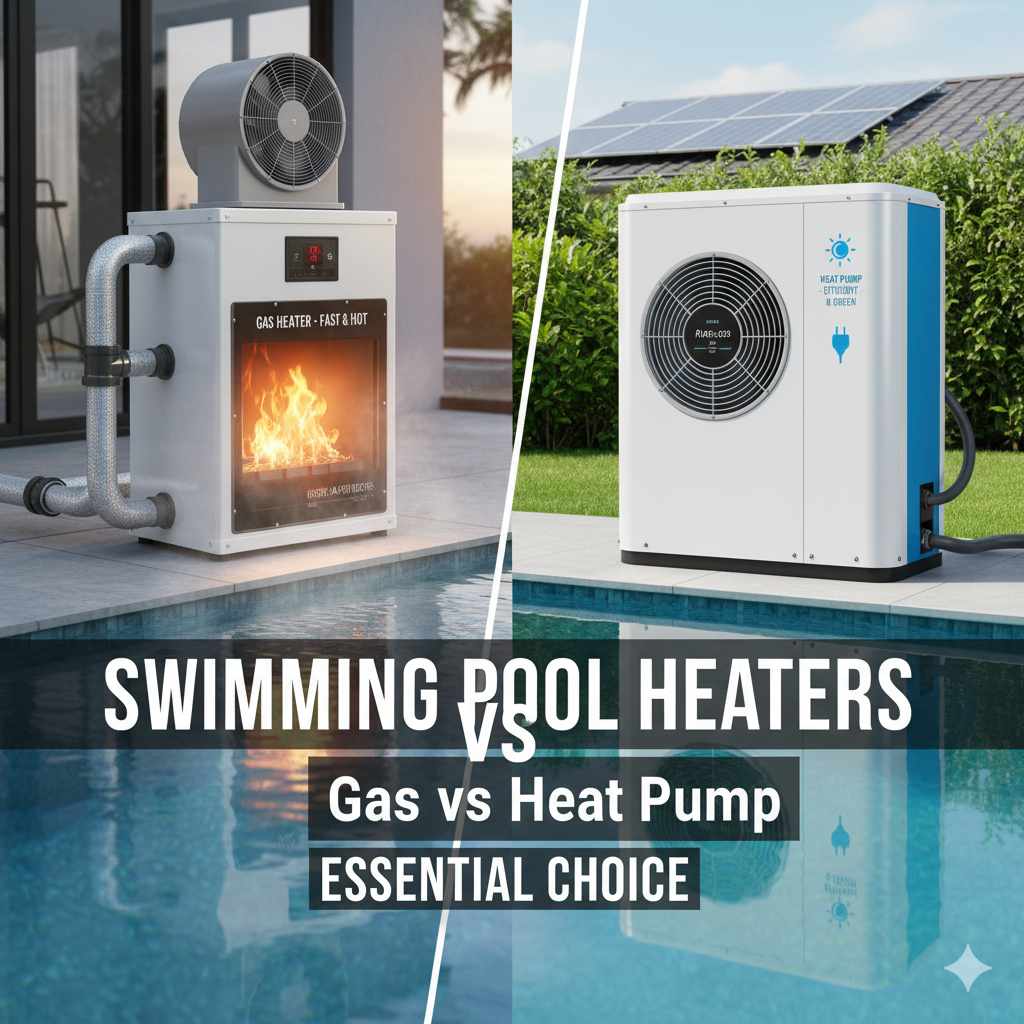
Swimming Pool Heaters: Gas vs Heat Pump – Essential Choice
Choosing between a gas pool heater and a heat pump is essential for comfortable swimming. Gas heaters offer rapid heating but are less energy-efficient. Heat pumps are highly energy-efficient and cost-effective for ongoing use, though they take longer to heat. Your decision depends on your budget, climate, and how quickly you need your pool warm.
Imagine stepping into your swimming pool on a cool evening, and the water is perfectly, invitingly warm. That dream can be your reality, but it starts with choosing the right pool heater. Many homeowners find themselves puzzled by the options, especially when comparing gas heaters and heat pumps. It’s a common point of confusion, but don’t worry! I’m here to help you understand both types with simple, clear explanations. We’ll break down the pros and cons, costs, and ideal uses for each, so you can make a confident choice that keeps your pool warm and your wallet happy.
Swimming Pool Heaters: Gas vs. Heat Pump – Making Your Essential Choice
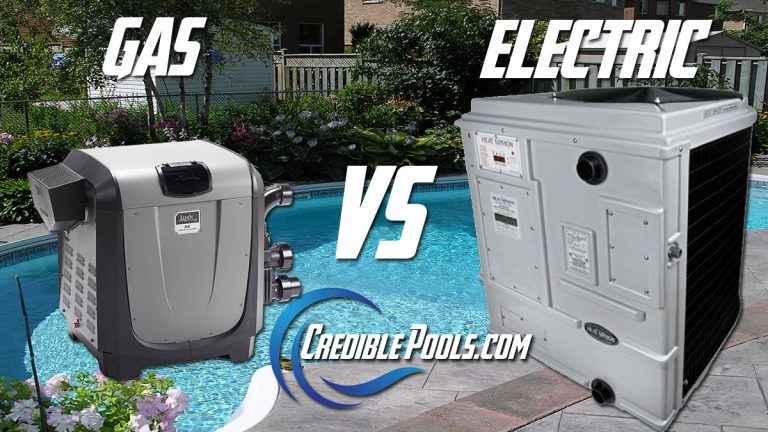
Having a swimming pool is a fantastic way to relax and have fun. But if the water temperature isn’t quite right, it can make your pool less enjoyable. That’s where a pool heater comes in. The biggest decision most homeowners face is whether to go with a gas heater or a heat pump. Both do a great job of warming your water, but they do it in different ways, with different costs and benefits.
Think of it like choosing between a powerful, quick-heating oven and a super-efficient, slow-cooker for your pool. Your choice will depend on what’s most important to you: speed, ongoing energy costs, your climate, and how often you plan to use your heated pool. Let’s dive into each type so you can see which one fits your backyard oasis best!
Understanding Gas Pool Heaters
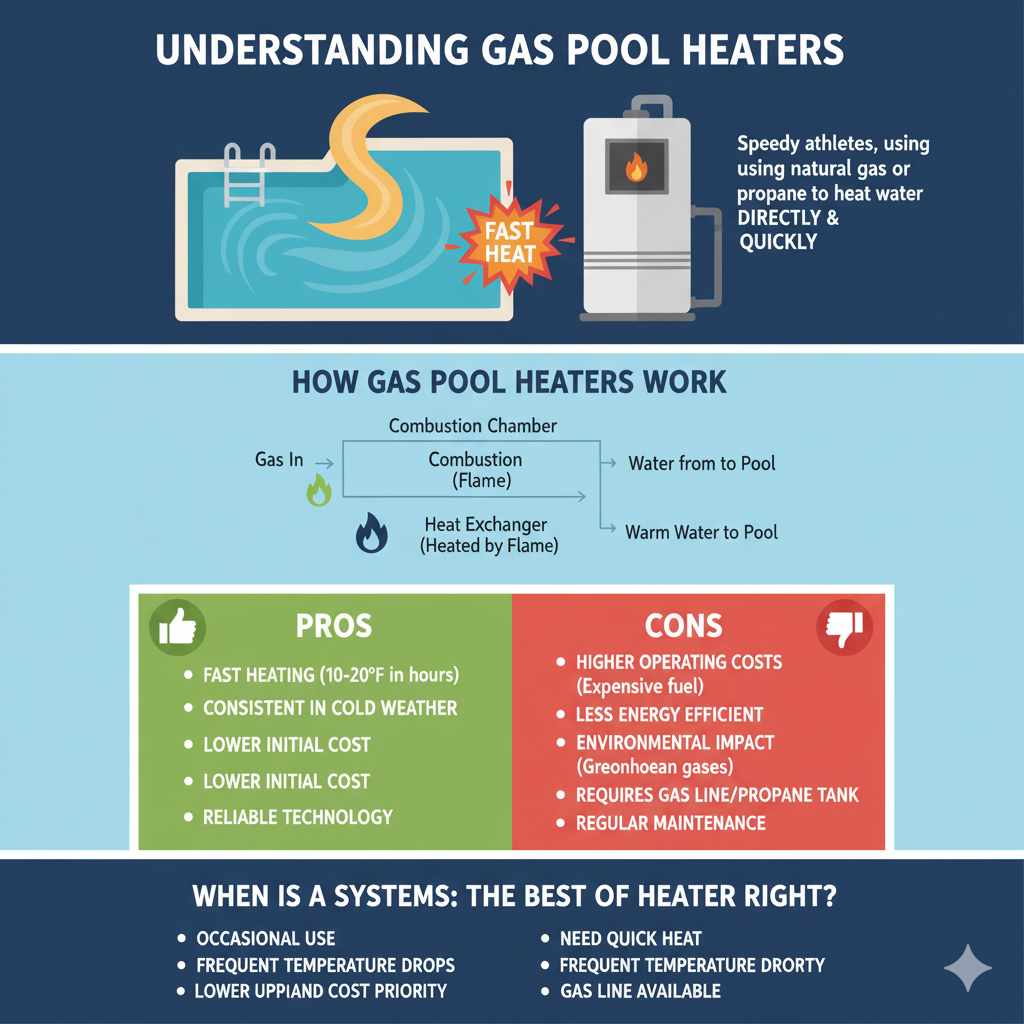
Gas pool heaters are like the speedy athletes of the pool heating world. They use natural gas or propane to create a flame that directly heats the water as it passes through the unit. This means they can heat your pool much faster than other types of heaters.
How Gas Pool Heaters Work
When you turn on a gas heater, gas flows into a combustion chamber. This combusts, creating a hot flame. Water from your pool is pumped through a heat exchanger, which is directly exposed to this flame. The heat from the flame transfers to the water, warming it up. The heated water then returns to your pool.
This direct heating method is very efficient at getting the water temperature up quickly. It’s a great option if you only want to heat your pool occasionally or if you live in a climate where you experience rapid temperature drops and need to warm the water up fast.
Pros of Gas Pool Heaters
- Fast Heating: This is their biggest advantage. They can raise the pool temperature by 10-20 degrees Fahrenheit in just a few hours, making them ideal for spontaneous dips or if you only heat your pool periodically.
- Consistent Performance in Cold Weather: Gas heaters are not affected by ambient air temperature. They will heat your pool effectively even on chilly days or at night, making them suitable for year-round swimming in many climates.
- Lower Initial Cost: Generally, gas heaters tend to have a lower purchase price compared to heat pumps of similar capacity.
- Reliable: They are a well-established technology with a proven track record for durability and effectiveness.
Cons of Gas Pool Heaters
- Higher Operating Costs: Natural gas and propane are typically more expensive than electricity (used by heat pumps). This translates to higher monthly utility bills.
- Less Energy Efficient: While they heat quickly, they consume a significant amount of energy to do so. This makes them less environmentally friendly and more costly for continuous pool heating.
- Environmental Impact: Burning fossil fuels releases greenhouse gases, contributing to air pollution.
- Requires gas line/Propane Tank: You’ll need access to a natural gas line hookup or space and a supply for a propane tank, which can be an installation consideration.
- Maintenance: Like any combustion appliance, they require regular maintenance, including checks of the burner and venting, to ensure safety and efficiency. You can find more information on pool heater maintenance from resources like the U.S. Department of Energy.
When is a Gas Pool Heater the Right Choice?
A gas pool heater is often the best bet if:
- You don’t plan to heat your pool constantly but rather for occasional use.
- You need your pool to reach your desired temperature very quickly.
- You live in a climate that experiences significant and frequent temperature drops.
- Your priority is lower upfront cost, and you’re prepared for higher running expenses.
- You already have a natural gas line available or easy access to propane.
Understanding Heat Pump Pool Heaters
Heat pump pool heaters operate on a different principle, similar to how your home’s air conditioner or a refrigerator works, but in reverse. They don’t generate heat directly; instead, they transfer heat from the surrounding air into your pool water. This makes them incredibly energy-efficient.
How Heat Pump Pool Heaters Work
A heat pump pulls in the ambient air using a fan. This air passes over an evaporator coil that contains a refrigerant. The heat from the air causes the liquid refrigerant to turn into a gas. This gas then travels through a compressor, which increases its temperature and pressure. The now very hot gas flows through a heat exchanger (water passes through the other side), transferring its heat to the pool water. The refrigerant then cools, condenses back into a liquid, and the cycle repeats.
Because they “borrow” heat from the air rather than creating it with combustion, heat pumps can be up to 500% more energy-efficient than gas heaters! This means they can heat your pool using significantly less electricity. However, their efficiency is tied to the air temperature, so they work best when the ambient air is warm.
Pros of Heat Pump Pool Heaters
- High Energy Efficiency: They use electricity to move heat, not generate it, making them extremely efficient. For every unit of electricity they consume, they can produce 4-6 units of heat.
- Lower Operating Costs: Despite using electricity, their high efficiency means they are much cheaper to run for continuous heating compared to gas heaters.
- Environmentally Friendly: They produce fewer greenhouse gas emissions than gas heaters, making them a greener choice.
- Longer Lifespan: Heat pumps typically have a longer operational lifespan than gas heaters, often lasting 15-20 years with proper maintenance.
- Quiet Operation: Many modern heat pumps are designed for quiet operation, minimizing noise disruption in your backyard.
- Consistent Heating (in suitable climates): When used in appropriate conditions, they provide steady, reliable warmth.
Cons of Heat Pump Pool Heaters
- Slower Heating: They don’t heat water as quickly as gas heaters. It can take 12-48 hours to initially heat a pool, depending on size, temperature, and ambient conditions.
- Dependent on Air Temperature: Their efficiency and heating speed decrease significantly as the outside air temperature drops. Most models are not very effective below 50°F (10°C).
- Higher Initial Cost: Heat pumps usually have a higher upfront purchase price than gas heaters.
- Requires Electricity: They need a dedicated electrical circuit, which might involve additional installation costs.
- Can Be Affected by Humidity/Corrosion: In coastal areas with high humidity and salt, components might be more susceptible to corrosion over time, though many units are built with protective coatings.
When is a Heat Pump Pool Heater the Right Choice?
A heat pump pool heater is a fantastic choice if:
- You plan to heat your pool consistently for an extended swimming season.
- Your primary goal is to keep ongoing energy costs as low as possible.
- You live in a climate where the average temperature is consistently above 50°F (10°C) during your swimming season.
- You are most concerned with energy efficiency and environmental impact.
- You don’t need your pool to heat up in just a few hours and can plan ahead.
Key Differences: Gas vs. Heat Pump at a Glance
To help you visualize the differences, here’s a table comparing the two types of pool heaters:
| FeatureGas Pool HeaterHeat Pump Pool Heater | ||
|---|---|---|
| Heating Method | Direct combustion of gas (natural gas or propane) | Transfers heat from ambient air to water |
| Heating Speed | Very Fast (hours) | Slow (12-48 hours for initial heat) |
| Energy Efficiency | Lower (consume more energy per unit of heat) | Very High (produce 4-6 units of heat per unit of electricity used) |
| Operating Costs | Higher (especially for continuous heating) | Lower (for continuous heating) |
| Initial Cost | Lower | Higher |
| Performance in Cold Weather | Excellent, unaffected by air temp | Decreases significantly below 50°F (10°C) |
| Environmental Impact | Higher (fossil fuel emissions) | Lower (uses electricity, often from cleaner sources) |
| Ideal Use Case | Occasional heating, rapid temperature boosts, cooler climates | Continuous heating, longer swimming season, warmer climates, energy savings |
| Lifespan | Approx. 10-15 years | Approx. 15-20 years |
Factors to Consider for Your Decision
Making the right choice involves looking at your specific situation. Here are some key factors to weigh:
1. Your Climate
This is perhaps the most crucial factor. If you live in a region with mild to warm weather for most of the year, a heat pump will likely serve you very well. Its efficiency shines when the air is warm. If you experience cold snaps or have very short swimming seasons with dips in temperature, a gas heater might be more reliable for consistent warmth, or you might need a hybrid setup.
According to the U.S. Department of Energy, understanding your local climate is key to selecting the most energy-efficient and cost-effective heating solution for your home, which extends to your pool.
2. Your Budget – Upfront vs. Ongoing Costs
As the table shows, gas heaters are generally cheaper to buy, while heat pumps cost more initially. However, if you plan to use your heater regularly, the lower operating costs of a heat pump will likely save you money over the long term. Calculate how much you expect to run your heater and compare the estimated annual operating costs. A good rule of thumb is: if you’re heating often, invest in a heat pump for savings. If it’s just for a few special occasions, a gas heater might be kinder to your initial budget.
3. How Quickly Do You Need Your Pool Heated?
If you’re the spontaneous type who might decide to swim on a whim, a gas heater’s rapid heating capability is a significant advantage. It can take a heat pump a full day or more to make a noticeable difference in water temperature, especially if the air is cool. If you need immediate warmth, gas is your go-to.
4. Pool Size and Usage Patterns
For larger pools or those that lose heat quickly (e.g., due to wind or evaporation), the fast heating power of a gas heater can be very beneficial. For smaller pools or if you heat consistently, a heat pump can also do the job effectively, albeit more slowly.
Consider how many hours per day and how many days per week you expect to run your pool heater. If it’s extensive, the energy savings of a heat pump become very compelling.
5. Environmental Concerns
If you’re passionate about reducing your carbon footprint, a heat pump that utilizes ambient air and electricity (especially from renewable sources) is the greener option. Gas heaters, by burning fossil fuels, have a higher direct environmental impact.
Installation and Maintenance Tips
No matter which type you choose, proper installation and regular maintenance are vital for the heater’s performance, lifespan, and safety. Consulting with a qualified pool professional is highly recommended for both.
Gas Heater Installation and Maintenance
- Installation: Requires a dedicated gas line (natural gas or propane), proper ventilation to the outdoors, and connection to your pool’s plumbing. It’s crucial to ensure it’s installed according to local building codes and manufacturer specifications.
- Maintenance: Annual inspections are recommended. This typically includes checking the burner, igniter, heat exchanger, gas valve, and venting for optimal performance and safety. Keeping the unit clean and free of debris is also important.
Heat Pump Installation and Maintenance
- Installation: Requires a dedicated electrical circuit and space with good airflow around the unit. It connects to your pool’s plumbing. The unit should be installed on a level, stable pad.
- Maintenance: Regularly clean the air intake fins to ensure optimal airflow. Check for any leaks, unusual noises, or error codes. Periodic professional checks can ensure the refrigerant levels are correct and the electrical components are in good shape. For those in coastal areas, cleaning the unit with fresh water regularly can help prevent salt corrosion.
For more detailed information on best practices, you can refer to resources from organizations like the Pool & Hot Tub Alliance (PHTA), which provides industry standards and guidance.
Hybrid Systems: The Best of Both Worlds?
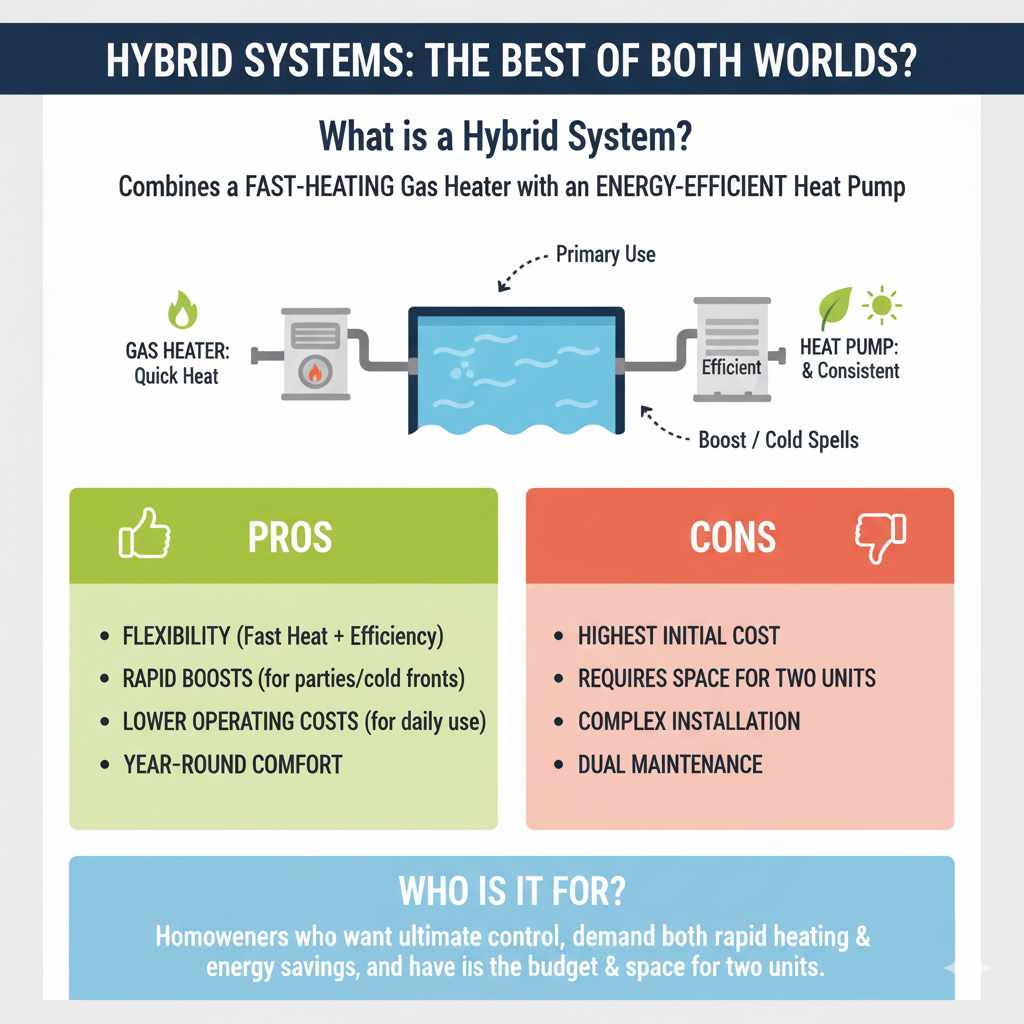
For homeowners who want both rapid heating and energy efficiency, a hybrid system might be an option. This typically involves pairing a smaller, faster-heating gas heater with a larger, energy-efficient heat pump. You could use the heat pump for consistent, day-to-day heating to save on operating costs, and then use the gas heater for quick boosts for weekend parties or when the weather turns unexpectedly cold.
This setup offers flexibility but comes with the highest initial cost and requires space for two units. It’s a solution for those who demand ultimate control over pool temperature and operating expenses.
Conclusion: Your Warm Pool Awaits!
Choosing between a gas pool heater and a heat pump is a significant decision that impacts your comfort, budget, and how you enjoy your swimming pool. By understanding their core differences—speed, efficiency, upfront costs, and operating expenses—you can confidently select the system that best aligns with your needs and lifestyle.
Gas heaters are your swift, potent solution for quick warm-ups and reliable heating in cooler conditions, ideal for occasional use. Heat pumps, on the other hand, are your long-term champions of energy efficiency and lower running costs, perfect for extending your swimming season in milder climates. Whether you lean towards the immediate power of gas or the sustained savings of a heat pump, or even consider a hybrid approach, the right choice will lead to many enjoyable, comfortably heated swims for years to come.
Frequently Asked Questions (FAQ)
Q1: Which type of pool heater is cheaper to run?
Generally, a heat pump pool heater is cheaper to run because it is much more energy-efficient. It uses electricity to transfer heat from the air, rather than generating heat through combustion. While electricity costs vary, the cost per unit of heat produced by a heat pump is typically lower than gas or propane.
Q2: Which type of pool heater heats my pool faster?
Gas pool heaters are significantly faster at heating your pool. They can raise the water temperature by 10-20 degrees Fahrenheit in just a few hours, making them ideal for spontaneous heating needs. Heat pumps can take 12-48 hours to bring a pool up to temperature initially.
Q3: Can a heat pump heat my pool in cold weather?
Heat pump effectiveness decreases as the outside air temperature drops. Most heat pumps operate best in air temperatures above 50°F (10°C). Below this temperature, their efficiency drops dramatically, and some may stop heating altogether. Gas heaters, however, work effectively regardless of outdoor air temperature.
Q4: What is the average lifespan of a gas pool heater versus a heat pump?
A gas pool heater typically lasts about 10-15 years with proper maintenance. A heat pump pool heater often has a longer lifespan, averaging around 15-20 years with consistent care. Both depend heavily on usage, maintenance quality, and environmental conditions.