How to Tell If Heater Repair Is Safe to DIY
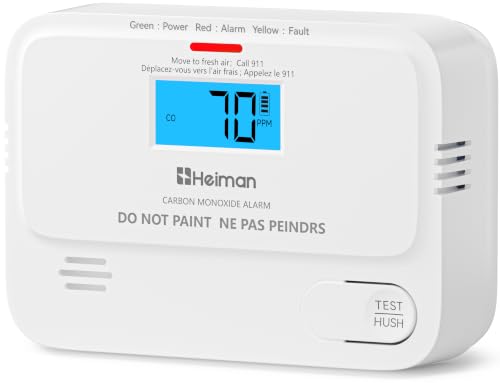
If the problem is a dirty filter, blocked vent, tripped breaker, or dead thermostat battery, you can usually check it yourself. If you smell gas, see soot, hear loud bangs, trip a breaker twice, or get a carbon monoxide alarm, stop and call a pro. Ignoring the wrong symptom can turn a small repair into fire, shock, carbon monoxide, or a much larger bill. This guide separates homeowner-safe checks, maintenance-only tasks, and warning signs that mean you should stop immediately.
What heater problems are safe to check yourself?


Start with the parts meant for homeowner checks: the thermostat, filter, vents, and power supply. Those checks can explain many no-heat and weak-heat complaints without opening the burner area, touching gas parts, or testing internal wiring. Once the problem points inside the cabinet, it stops being a quick DIY job.
Thermostat basics
A thermostat problem can be as simple as a low setpoint, wrong mode, dead battery, or lost call-for-heat signal. Those are safe to inspect because they do not require opening gas or electrical components. If the display is blank, the batteries are weak, or the setpoint is below room temperature, start there before anything else.
Filter and airflow checks
A clogged filter can restrict airflow, cause short cycling, and make the heat feel weak even when the burner or element is working. Check whether your unit uses a replaceable filter or a washable one, then match the replacement to the exact size and airflow direction shown on the frame. The owner manual should set the replacement interval rather than a guess. For broader airflow and filter guidance, DOE Energy Saver and many manufacturer manuals stress keeping filters clean so airflow stays within the system’s design range.
Breaker and power checks
For electric units and many blower problems, a tripped breaker is a common first check. If the breaker is tripped once, reset it one time only after you have a clear reason to do so; if it trips again, stop. Repeated trips can suggest an electrical fault, so more resets are unlikely to help. Safety guidance from the Consumer Product Safety Commission is consistent: repeated electrical trouble is a stop sign, not something to keep forcing.
Heater safety triage table
| Symptom | Safe homeowner action | Stop/call-pro threshold |
|---|---|---|
| Gas smell | Leave the area, avoid switches and flames, and move people away from the heater. | Call the gas utility or emergency services right away. Do not operate the unit or open panels. |
| Burning odor | Shut the system down if the smell is strong or does not fade after a short startup period; check the filter for dust and look at nearby vents only after the unit is off. | Stop if the smell is hot metal, electrical, or persistent. Do not keep cycling the heater. |
| No heat | Check thermostat mode, setpoint, batteries, filter, and breaker. | Call a pro if the unit still will not start, the breaker trips again, or the blower never comes on. |
| Short cycling | Inspect the filter, return vents, and supply registers for blockage. | Stop if the burner lights then quits, or if the system keeps shutting off after brief runs. |
| Dirty filter | Replace or clean it only if your model allows that type of filter care. | Call a pro if airflow does not recover after a correct filter change. |
| Tripped breaker | Reset once after checking for obvious blockage or a frozen fan path on electric units. | Stop if it trips twice. That points to an electrical fault. |
| Dirty burner | Do not clean gas burners as a homeowner. | Call a pro. Burner work involves gas flow parts and ignition risk. |
| Weak airflow | Check the filter, closed vents, blocked returns, and any obvious duct obstruction. | Stop if airflow stays weak after those checks. The blower or motor may be failing. |
| Loud noise | Turn the unit off and note when the sound happens, such as at startup or shutdown. | Call a pro for banging, scraping, or repeated loud startup noise. |
| Suspected cracked heat exchanger | Do not inspect or run the furnace further. | Call a pro immediately. A crack can create a carbon monoxide hazard. |
When should you stop and call a pro?
Stop when the problem moves from surface checks to gas, flame, wiring, or heat-exchanger risk. A homeowner can inspect a filter or thermostat. A homeowner should not open gas piping, test live electrical circuits, or decide whether a combustion part is damaged. If the symptom suggests a leak, ignition failure, or carbon monoxide risk, the safe move is to shut the unit down and call for help. If you need a structured next step before choosing a technician, garage heater troubleshooting before calling a pro can help frame the same “check first, then escalate” logic.
Gas smell
If you smell gas, leave the area and call the gas utility or emergency services. Do not flip switches, do not relight anything, and do not open the furnace cabinet. A gas odor is an emergency until a utility or qualified technician says otherwise. This lines up with standard utility emergency guidance and NFPA-style safety advice: get out, avoid ignition sources, and let trained responders handle the leak.
Burning odor
A light dusty smell at first startup can happen after a long shutdown, but it should fade quickly. If the odor is hot metal, electrical, or lasts beyond startup, shut the system off. Do not keep restarting it to “see if it clears,” because that can turn a small fault into a larger one.
Suspected cracked heat exchanger
Do not try to inspect a heat exchanger for cracks yourself. A cracked heat exchanger can mix combustion gases with household air, and this is generally considered a pro-level diagnosis. If you also have headaches, a carbon monoxide alarm, soot, or abnormal flame behavior, treat the system as unsafe. The Consumer Product Safety Commission and utility carbon monoxide guidance both treat those signs as reason to stop using the equipment until it is checked.
Electrical fault signs
A breaker that trips twice, scorch marks, buzzing from the cabinet, or a blower that will not start can point to a wiring or motor problem. Leave voltage testing and resistance testing to a technician. Internal electrical diagnosis belongs behind the access panel, with the power isolated and the right tools. If a breaker keeps tripping after one reset, the problem is no longer a simple reset issue; it needs diagnosis, not repeated retries.
What you can safely do in 10 minutes
Keep the first pass simple. Check the thermostat, filter, vents, and power supply without opening gas components or disturbing combustion parts. Those checks solve many common heater complaints and help you decide whether the problem is maintenance, power, or a true repair issue.
-
Check the thermostat. Make sure it is set to heat, the setpoint is above room temperature, and the batteries are fresh if the display is weak or blank. If the thermostat has lost power, the heater may never get a call-for-heat signal.
-
Inspect the filter. Remove the filter and check whether it is loaded with dust or installed backward. Replace or clean it only if your model allows that type of filter; otherwise use the correct replacement size and airflow direction from the frame or manual.
-
Look at vents and returns. Open supply registers, clear furniture or rugs away from returns, and confirm that no vent is blocked. Poor airflow can cause weak heat, short cycling, and extra strain on the blower.
-
Reset power once. If the breaker is tripped on an electric heater or blower circuit, reset it one time after you have checked for visible blockage or obvious overload. If it trips again, stop and call a technician.
-
Check condensate only from the outside. If your system has a visible drain line or drain pan, look for obvious water, kinks, or a backed-up line without opening the cabinet. DOE-style maintenance guidance and manufacturer manuals commonly note that clogged condensate can trigger shutdowns, but internal cleaning is a repair step.
Suppose a furnace filter is installed backward and packed with dust. The heater may run, but weak airflow can make the house feel cold and trigger short cycling. Correcting the filter direction can restore airflow without touching any internal part.
Say the thermostat battery dies overnight on a gas furnace with electronic ignition. The display may go blank, the heater will not call for heat, and the unit can look broken when it is not. Replacing the battery is a safe first check; opening the gas valve is not.
Why internal heater parts are not DIY
Once the issue involves flame, gas flow, wiring, or the heat exchanger, the risk changes. A homeowner can handle maintenance. A homeowner should not disassemble a burner assembly, test a flame sensor with improvised methods, or decide whether a gas valve is failing.
Flame sensor or thermocouple issues
On gas heaters, the flame sensor or thermocouple helps prove that ignition actually happened. Dust buildup can stop reliable flame detection, which is why a burner may light and then quit. That symptom points to a control problem inside the cabinet, and cleaning or replacement should be done with care by a qualified tech.
A burner that lights and then shuts off can have more than one cause, including a flame-sensing issue or a gas-valve fault. That is one reason symptom matching is useful but not definitive: the same shutdown pattern can come from different internal failures.
Burner assembly and ignition parts
Dirty burners, soot, delayed ignition, or repeated startup failures are not casual DIY problems. They involve gas-side work, ignition parts, and combustion adjustment. Phillips Mechanical warns that heater work can involve wires, gas flow parts and pressure balance, and that a mistake can cause heat loss, shocks, leaks or even fire.
Heat exchanger and combustion risk
A cracked heat exchanger is not a cleaning issue. It is a professional inspection and replacement decision because the stakes include carbon monoxide and unsafe combustion. If the unit is older, has soot, abnormal flame behavior, or shuts down in a way that does not match a simple airflow issue, stop and call for service.
Wiring, voltage, and motor faults
Blower motors, control boards, igniters, and safeties all depend on correct voltage and resistance. Those checks require tools and knowledge that go beyond a homeowner inspection. If electrical work is needed inside the cabinet, power isolation is not enough; the diagnosis itself should be handled by a technician.
Is it safe to repair an electric heater yourself?
Basic checks on an electric heater are often safe, but internal repair usually is not. You can inspect the thermostat, breaker, filter, and vents, and you can clear obvious dust from accessible surfaces after the power is off. Anything involving heating elements, wiring, controls, or motor testing should be left to a technician.
What is usually safe on electric units?
Start with the breaker, thermostat, and airflow path. If the unit has a washable filter, clean it only according to the manual. If the heater’s access panel must come off to reach live wiring or internal elements, that is the stop point for most homeowners.
What still needs a technician
Burned wiring, a repeatedly tripped breaker, a failed element, or a noisy blower points to parts that need electrical testing. Those problems may look simple from outside the cabinet, but the actual fault can be hidden inside the control path. Leave live testing to a pro.
When power work becomes a no-go
If you are unsure whether the circuit is dead, stop. If the breaker trips again after reset, stop. If there is any sign of scorch marks, melted insulation, or a smell that resembles hot metal, the system needs professional diagnosis.
How to fix a heater problem without making it worse
Use the least invasive check first and stop the moment the symptom points to gas, wiring, or combustion. That means checking settings before parts, airflow before access panels, and the breaker before any assumption of failure. The goal is to confirm a simple cause, not to force the heater back on.
Repair versus maintenance
Routine cleaning and filter replacement are maintenance. Replacing a flame sensor, opening a gas burner assembly, testing a valve, or tracing a wiring fault is repair. Keep that line clear so a simple homeowner task does not become an unsafe teardown.
When a symptom points deeper
If the heater lights and then quits, the flame sensor or thermocouple may not be proving flame correctly. If the unit bangs, trips, or smells like gas, the issue may be in the burner assembly, ignition path, or gas supply. If the blower hums but barely moves air, the motor, capacitor, or duct path may need service.
Maintenance that prevents repeat problems
Most heaters last longer with basic care, and the simplest care is the kind a homeowner can do safely. That means following the owner manual for filter type, replacement interval, and any washable-filter steps. It also means keeping vents open and watching for water where it should not be.
Filter care based on the manual
Do not use a generic interval if the manual gives one. Some filters are disposable, some are washable, and some models need different care based on airflow and dust load. A correct filter size and airflow direction matter as much as the replacement itself.
Keep vents and returns clear
Blocked supply registers or returns can make a good heater seem weak. Keep furniture, boxes, and rugs away from airflow openings. Clear airflow reduces short cycling and helps the blower move air the way the system was designed to move it.
Watch condensate lines for clogs or leaks
On condensing systems, a clogged condensate drain or leak can cause water damage and shutdowns. That is a different problem from combustion-side failure. If you see water around the unit, inspect the drain path only as a basic visual check and call a pro if the leak continues. Manufacturer manuals typically treat persistent condensate trouble as a service issue rather than a homeowner fix.
Use the owner manual for intervals
Manufacturer guidance is the safest source for filter care, cleaning, and service intervals. A simple manual check can prevent guesswork and help you avoid opening the wrong panel. If the manual is unclear, use the model number to verify the exact procedure before you touch anything.
Frequently asked questions
How to tell if heater repair is safe to DIY
If the issue is limited to the thermostat, filter, vents, or a single tripped breaker, it is usually safe to check yourself. If the problem involves gas smell, soot, repeated breaker trips, flame failure, or a carbon monoxide alarm, stop. Those are pro-only signs, not homeowner repair territory.
What heater problems are safe to handle yourself?
Homeowner-safe tasks usually include changing a filter, checking thermostat power, clearing blocked vents, and resetting a tripped breaker once. Some condensate drain checks are also safe if you are only looking for a clog or leak. Anything inside the burner, wiring, or heat exchanger belongs to a technician.
When should I stop DIY and call a heater technician?
Stop when the heater smells like gas, trips the breaker more than once, lights and then shuts off, or shows soot, banging, or weak combustion behavior. Those symptoms can point to flame sensor trouble, burner problems, electrical faults, or a cracked heat exchanger. Those are not safe homeowner repairs.
What should I do if my heater smells like burning dust?
A light dusty smell at startup can be normal for a short time after the system sits unused. If the smell is strong, smells like hot metal, or does not fade quickly, shut the heater down. Check the filter and visible vents only after the unit is off, then call a pro if the odor returns.
What parts are homeowner-safe to check and what parts are pro-only?
Homeowner-safe checks are the thermostat, filter, vents/registers, breaker once, visible condensate or drain path, and the location of the emergency shutoff. Pro-only parts include the flame sensor, thermocouple, pilot, burner assembly, heat exchanger, and internal wiring. If the symptom points to one of those parts, the safest next step is service.