Is Wires near Heaters Dangerous in 2026? Safety Tips & Buys
Understanding The Risks Of Wires Near Heaters
If you’ve ever wondered whether wires placed close to heaters pose a danger, you’re not alone. Many people face this concern when setting up or maintaining electrical systems around heating devices. The heat can affect the wires’ insulation and safety, which raises valid questions about what kind of wiring is appropriate.
Choosing the right wire for use near heaters can be confusing. There are trade-offs between heat resistance, flexibility, durability, and price. Some wires handle extreme temperatures but may be less flexible or more costly. Others might be easier to work with but less suited for harsh heat conditions. Understanding these differences is key to making a safe and effective choice.
What Matters When Picking Heat-resistant Wires
When selecting wires for high-temperature environments, it’s important to focus on insulation quality and heat tolerance rather than just basic specs. Good heat-resistant wires typically use specialized materials like mica and fiberglass to protect against melting, cracking, and electrical hazards. They also need to maintain performance over time despite repeated heating cycles.
Another important factor is the wire’s application. Are you wiring a heater, oven, kiln, or industrial equipment? Each use case might demand different temperature ratings or flexibility. Also consider the wire gauge and length required for your project to avoid unnecessary complications.
Common Mistakes To Avoid
One common error is using standard electrical wire too close to heaters without checking its heat rating. This can lead to insulation failure and fire risks. Another is overlooking the mechanical protection of the wire, which helps it withstand wear and tear in tough environments. Lastly, not verifying the wire size or voltage rating can cause compatibility problems.
How To Approach Your Decision
Focus first on the environment where the wire will be installed and the maximum temperatures it will face. Then think about the balance between durability, flexibility, and cost. Reliable wiring for heaters should combine heat resistance with safe insulation and ease of installation.
With these points in mind, you can better understand the options available and what to look for in heat-resistant wires.
Below, you’ll find a selection of wires suited for high-temperature applications. These options were chosen to cover a range of needs, from more affordable solutions to premium, highly durable cables. This should help you find the right fit for your specific setup.
Awclub Mica Heat Resistant Wire
Is wires near heaters dangerous? This mica glass fiber wire offers high heat resistance, making it safer for wiring near heating elements.
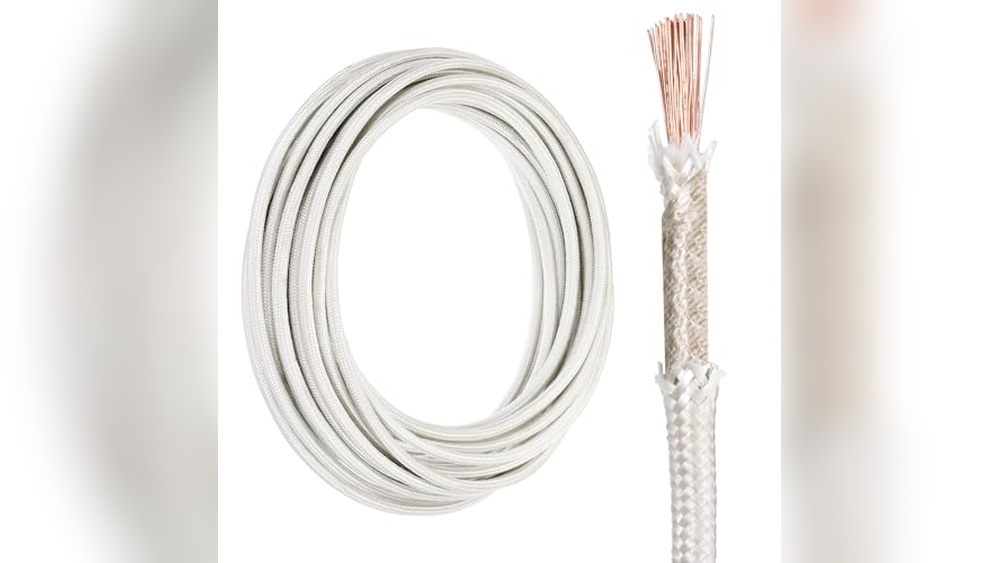
The Awclub Mica Heat Resistant Wire is designed to handle temperatures from -60 up to 500 degrees Celsius, making it ideal for use near heaters and other hot appliances. Made from copper with mica tape and fiberglass insulation, it offers excellent heat resistance and electrical insulation to reduce risks associated with wiring near heat sources.
Using this flexible and durable wire simplifies wiring in harsh environments like ovens and electric heaters. Its strong mica and glass fiber braiding provide mechanical protection and wear resistance, giving confidence in long-term safety and performance without frequent replacements.
Key Benefits for High-Temperature Wiring
- Withstands extreme temperatures up to 500°C safely
- Strong insulation with mica tape and fiberglass for heat and flame resistance
- Flexible cable easily cut to length for custom applications
- High dielectric strength reduces electrical hazards
- Mechanical protection against abrasion and wear
- Suitable for diverse industrial and household heating equipment
Considerations Before Buying
- Wire size (17AWG) may not fit all electrical needs
- Requires careful stripping of silicone coating before wiring
- More specialized and possibly pricier than standard wires
Where This Wire Excels
This wire is best for anyone wiring electrical components near heat sources who needs reliable heat resistance to avoid fire hazards. It removes the guesswork of using generic wire that may degrade or fail under high temperatures, adding safety and durability.
To get the best results, ensure you carefully strip the silicone coating without damaging the copper core for secure connections. The tough construction means fewer surprises and longer-lasting wiring in demanding environments.
If you value peace of mind when working near heaters, this wire balances flexibility and protection well without added hassle.
| Best for | Why |
|---|---|
| Electric heaters and boilers | Handles continuous high temperatures safely |
| Ovens and lighting heat sources | Heat-resistant insulation prevents damage and shorts |
| Industrial furnaces and kilns | Durable mica and fiberglass protect wiring in harsh settings |
| High-temperature electrical maintenance | Flexible and easy to cut for custom wiring needs |
Bryne Mica High Temp Wire
Is wires near heaters dangerous? This Bryne mica insulated wire safely handles extreme heat up to 450°C, reducing fire risks around heating devices.
This is a stranded nickel-plated copper wire insulated with mica and fiberglass, designed to withstand temperatures from -60°C up to 450°C. It is suitable for harsh environments like electric heaters and power plants where heat resistance is critical. This wire helps prevent electrical failures caused by high temperatures.
Using this wire near heaters provides peace of mind due to its robust insulation and high voltage rating. It feels reliable and consistent, minimizing the worry about wire degradation or fire hazards in high-heat setups.
Key Advantages for Heat-Resistant Wiring
- Withstands extreme temperatures up to 450°C safely
- Nickel-plated copper strands improve conductivity and durability
- Insulated with mica and fiberglass for excellent heat resistance
- Rated for 600V nominal voltage, tested at 1500V for safety
- Suitable for electric heating and other high-temperature equipment
- White color for easy identification in wiring setups
Considerations Before Buying
- Only available in AWG14 gauge and 10-foot length, limiting size options
- Price per foot is higher than standard wires due to specialty insulation
- Primarily for industrial or specialized heating applications, not general household use
Who Should Choose This Wire
This wire is ideal for anyone installing or repairing electrical systems near heaters or other high-temperature sources. It reduces the risk of wire damage or fire, removing guesswork about wire safety in extreme heat.
When installing, ensure proper connections and avoid mechanical stress to get the full benefit of the mica and fiberglass insulation. This approach offers reliable performance and fewer surprises over time.
If you value safety and durability near heat sources, this wire is a solid choice that supports peace of mind in demanding conditions.
| Best for | Why |
|---|---|
| Electric heater wiring | Handles high temperatures without insulation breakdown |
| Industrial drying rooms | Resists heat and maintains conductivity in harsh environments |
| Power plant electrical systems | Rated for high voltage and extreme heat for safety compliance |
| Petrochemical equipment | Durable insulation prevents failures in high-heat conditions |
Heat Resistant Mica Wire 15ft
Is wires near heaters dangerous? This heat resistant mica insulated wire offers a safe, fireproof solution for wiring close to high-temperature appliances.
This electrical wire is specially designed to withstand extreme heat up to 500°C (932°F) without melting or cracking, making it ideal for use near heaters, ovens, and kilns. Its mica tape insulation and fiberglass braid provide reliable fire resistance where standard wires would fail.
Using this wire gives confidence in safety and durability during installation or repairs. It is flexible and easy to handle, helping reduce guesswork and ensuring consistent performance around high-temperature equipment.
Key Benefits for High-Heat Wiring
- Withstands continuous heat up to 752℉ for safe heater proximity
- Multi-layer mica and fiberglass insulation protects against fire and abrasion
- Copper core ensures stable conductivity even after repeated heating cycles
- Flexible and easy to cut for precise, customized wiring
- Includes ceramic wire nuts for secure, heatproof connections
- Suitable for home and industrial heating appliances
Considerations Before Buying
- Limited to 15 feet in length, may need multiple units for larger projects
- Higher price point compared to standard electrical wires
- Not designed for outdoor or wet environments without additional protection
Who This Wire Works Best For
This wire is perfect for anyone needing safe, reliable wiring near heaters or ovens, including DIY enthusiasts restoring vintage appliances or professionals wiring industrial heaters. It removes the worry about insulation failure or fire hazards near high temperatures.
To get the best results, pair the wire with the included ceramic wire nuts for heatproof connections that last. This choice offers peace of mind with durable, fire-resistant materials that reduce surprises during use.
| Best for | Why |
|---|---|
| Wiring near ovens and kilns | Handles extreme heat without melting or cracking |
| Repairing vintage or industrial heaters | Flexible and easy to cut for custom installations |
| Fire-resistant home wiring projects | Multi-layer insulation prevents fire hazards |
| High-temperature appliance connections | Copper core maintains conductivity under heat stress |
Understanding High Temperature Electrical Wire
High temperature electrical wires are designed to maintain performance and safety under extreme heat conditions. These wires use specialized insulation materials such as mica tape and fiberglass braiding to resist heat, flames, and mechanical wear. Choosing the right wire depends on the environment, temperature range, and application requirements.
Key Factors To Consider When Choosing Mica Insulated Wire
Temperature Ratings and Application
Consider the maximum continuous temperature the wire can withstand. For example, some wires are rated up to 500°C, suitable for ovens and heaters, while others may have slightly lower limits. Match the wire’s temperature rating with your equipment’s operating conditions.
Conductor Material and Construction
Wires commonly use copper or nickel-plated copper conductors. Stranded conductors offer flexibility, which is helpful for installations requiring bending. Check if the conductor type suits your mechanical and electrical needs.
Insulation and Durability
Mica tape combined with fiberglass braiding provides thermal insulation and abrasion resistance. Multi-layer insulation improves fireproofing and mechanical protection. Confirm that the insulation meets safety and longevity expectations for your use case.
Wire Gauge and Length
Select the appropriate wire gauge (AWG) based on current requirements and installation constraints. Also, consider the available length options to avoid splicing or excess waste.
Common Mistakes To Avoid
- Using wire with insufficient temperature rating for the application, which can lead to insulation failure.
- Ignoring the importance of conductor flexibility, especially in tight or moving installations.
- Overlooking the quality and thickness of insulation layers, reducing durability and safety.
- Not verifying wire size before purchase, potentially causing compatibility or performance issues.
Best Practices For Installation And Maintenance
Preparation
Cut the wire to the desired length carefully. Remove only the insulation covering the conductor to avoid damaging the wire core.
Connection
Use appropriate connectors, such as ceramic wire nuts, to ensure heat-resistant and secure connections.
Inspection
Regularly inspect wiring in high-temperature environments for signs of insulation wear, brittleness, or damage to prevent failures.
Frequently Asked Questions
Can these wires be used outdoors?
These wires are primarily designed for high-temperature indoor applications. Exposure to moisture or direct weather conditions may require additional protective measures.
Are mica insulated wires flexible enough for tight spaces?
Many mica insulated wires use stranded conductors and flexible braiding, offering reasonable flexibility for most installations, but they are stiffer than standard wires.
What is the typical lifespan of these wires?
Lifespan depends on usage conditions, but high-quality mica insulated wires maintain integrity for years under proper operating temperatures and maintenance.
Is it safe to use these wires with standard electrical equipment?
Yes, when the wire gauge and temperature ratings match the equipment’s requirements. Always ensure proper installation and connection methods.
Do I need special tools to strip mica insulated wire?
Standard wire strippers can be used carefully, but due to the tough insulation, specialized tools or techniques may help avoid damaging the conductor.
Final Thoughts On Choosing High Temperature Mica Insulated Wire
Selecting the right high temperature wire involves understanding your environment’s heat demands and the wire’s construction. Prioritize wires with appropriate temperature ratings, reliable insulation, and suitable flexibility for your project. Proper installation and regular inspection will help maintain safety and performance over time.