How To Find Heater Core Inlet And Outlet
Many car owners wonder about the heater core. It helps keep your car warm. But finding its inlet and outlet hoses can be tricky, especially for folks new to car repair.
Don’t worry! We’ll make it super simple. This guide will walk you through exactly how to find the heater core hoses step-by-step.
Get ready to learn what’s next!
Locating Heater Core Inlet And Outlet Hoses
Finding the heater core inlet and outlet hoses is a common task for car owners wanting to perform maintenance or repairs. These hoses are vital parts of your car’s heating system. They carry hot coolant from the engine to the heater core, where the heat is then blown into the cabin.
Sometimes, these hoses can be hidden, making them hard to spot. This section will guide you through the process of identifying them so you can proceed with confidence.
Understanding The Cooling System Basics
Your car’s engine generates a lot of heat when it runs. To prevent overheating, a cooling system circulates a mixture of coolant and water. This coolant absorbs heat from the engine.
It then travels through hoses to the radiator, where it’s cooled by airflow. A portion of this hot coolant is diverted to the heater core, which acts like a small radiator inside your car’s dashboard.
The heater core’s job is to transfer that engine heat into the car’s cabin. This is how your defroster and cabin heater work. Without a functioning heater core and its connected hoses, you wouldn’t have warmth inside your vehicle on a cold day.
The Role Of Coolant
Coolant, also known as antifreeze, is a special fluid that prevents your engine from overheating or freezing. It typically has a high boiling point and a low freezing point. In automotive cooling systems, a mixture of coolant and water, usually 50/50, is used.
This mixture circulates throughout the engine block, absorbing excess heat.
When the engine reaches its operating temperature, the thermostat opens, allowing the hot coolant to flow. This hot coolant is what fuels your car’s heating system. The coolant flows through various pathways, including those leading to and from the heater core, before returning to the engine to repeat the cycle.
How The Heating System Works
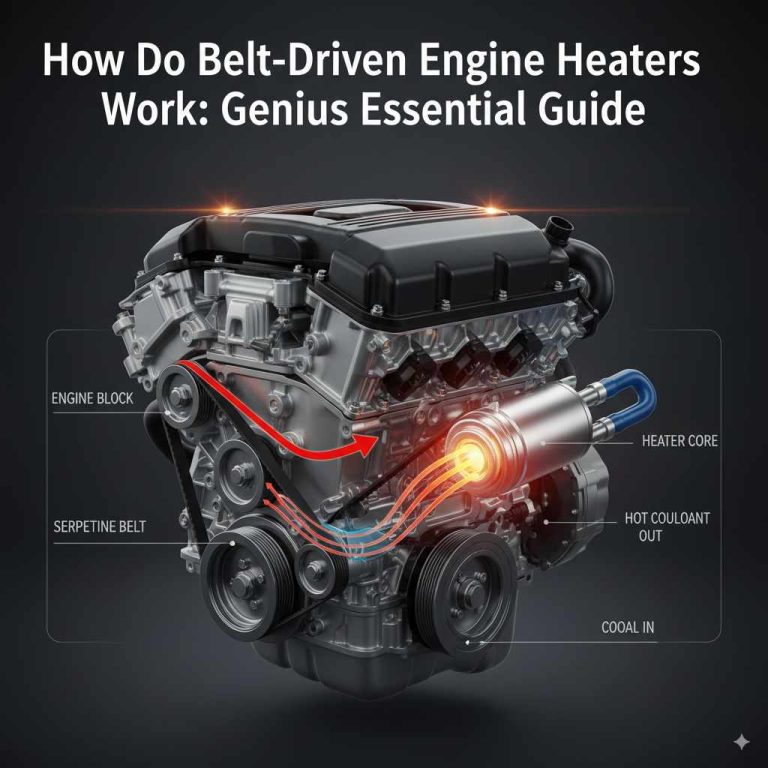
The car’s heating system is cleverly integrated with the engine’s cooling system. When you turn on your car’s heater or defroster, you’re activating this system. Hot coolant from the engine is directed through two specific hoses into the heater core.
The heater core is a small, finned radiator located behind the dashboard. As the hot coolant passes through it, heat transfers to the metal fins. A fan then blows air across these hot fins, warming the air and sending it into the cabin through your car’s vents.
The cooled coolant then returns to the engine via another hose to be reheated.
Identifying The Heater Core Location
The heater core itself is usually located behind the dashboard on the passenger side of the vehicle. You might not be able to see it directly, but you can usually see its hoses as they enter or exit the firewall, the metal panel separating the engine compartment from the passenger cabin.
Think of the firewall as a wall between the engine and you. The heater core hoses must pass through this wall to connect the engine’s cooling system to the heater core inside the car. These are the points you’ll want to look for.
Visual Inspection Points
To find the heater core inlet and outlet hoses, start by looking under the hood. Focus your attention on the area where the dashboard meets the engine bay, typically on the passenger side. You’ll be searching for two rubber hoses that go through the firewall.
These hoses will be connected to the engine’s cooling system, usually near the engine block or intake manifold. They are typically larger than vacuum hoses and will feel warm to the touch when the engine is running and has reached operating temperature. They will be connected to metal pipes that go through the firewall.
Tracing The Hoses From The Engine
A good way to be sure you have the right hoses is to trace them back to their source. The heater core hoses connect to the engine’s cooling system. One hose will usually connect to a pipe coming from the engine block or the water pump.
The other will often connect to a pipe on the intake manifold or thermostat housing.
Follow each hose from where it enters the firewall. You should see them lead back to different points on the engine’s cooling system. This tracing helps confirm that you’ve identified the correct pair of hoses related to the heating system, not just random coolant lines.
Common Heater Core Hose Configurations
Heater core hose setups can vary slightly between different car makes and models. However, the fundamental principle remains the same: two hoses connecting the engine’s coolant flow to the heater core through the firewall. Understanding these common setups can help you identify them more easily.
Two-Hose System
The most common configuration involves two distinct rubber hoses. One is the inlet hose, which carries hot coolant from the engine to the heater core. The other is the outlet hose, which carries cooler coolant back from the heater core to the engine’s cooling system.
These hoses are typically connected to metal nipples that protrude from the heater core assembly. When you locate them passing through the firewall, you can often see these metal pipes. They are usually clamped securely to the rubber hoses.
Location On Firewall
The location of these hoses on the firewall is a key identifier. They will emerge from the passenger side of the firewall, near the area where the vehicle’s heater and air conditioning components are housed. This is often a bundled section of components, and the hoses are a clear signpost.
Sometimes, there might be a plastic or metal cover over these connections for protection or aesthetics. You may need to remove this cover to get a clear view of the hoses and the metal pipes they connect to. The diameter of these hoses is often around 5/8 inch or 3/4 inch, but this can differ.
Inlet Versus Outlet
Distinguishing between the inlet and outlet hose can be helpful, though often not critical for simple repairs. The inlet hose carries hot coolant to the heater core. The outlet hose carries cooler coolant away.
Generally, the inlet hose is connected to a port that receives hotter coolant directly from the engine. The outlet hose returns coolant that has passed through the heater core. If you are ever unsure, observing the direction of coolant flow when the system is running can provide clues, but safety is paramount.
Always work on a cool engine.
Tools And Safety Precautions
Before you start looking for heater core hoses, it’s important to gather the right tools and take necessary safety precautions. Working on a car can be dangerous if not done carefully. Having the right equipment and following safety guidelines will make the job easier and safer.
Essential Tools
You won’t need a lot of fancy tools for this task. Most of what you’ll need is common for basic auto maintenance. Having these items ready will prevent interruptions.
- Safety Glasses: To protect your eyes from debris or fluids.
- Gloves: To keep your hands clean and protected from heat or chemicals.
- Flashlight or Work Light: To see clearly in dimly lit areas of the engine bay.
- Basic Wrench Set or Pliers: You might need these if you need to move any components obstructing your view, though usually not for just identification.
Safety First
Safety is the most important aspect of any automotive work. Always prioritize your well-being. By following these simple rules, you can avoid injuries and ensure a smooth experience.
- Engine Cool Down: Always ensure the engine is completely cool before touching any hoses or engine components. Hot coolant can cause severe burns.
- Battery Disconnection: For some tasks, it’s advisable to disconnect the negative battery terminal. While not always necessary just to locate hoses, it’s a good general practice for electrical safety.
- Work Area: Ensure you are working in a well-lit and well-ventilated area. If working on the ground, use sturdy jack stands and wheel chocks for stability.
Dealing With Coolant
Coolant is a toxic substance. It should be handled with care and disposed of properly. If you spill any coolant, clean it up immediately.
Never pour used coolant down drains or into the environment.
If you have to handle coolant for a repair, wear appropriate gloves and eye protection. Many auto parts stores accept used coolant for recycling. Always check local regulations for proper disposal methods.
This prevents harm to animals and the environment.
Putting It All Together A Step-By-Step Guide
Now that you understand what you’re looking for and how to stay safe, let’s walk through the process of actually finding those heater core inlet and outlet hoses. This step-by-step approach will make the task clear and manageable, even if you’ve never done it before.
Step 1 Open The Hood
Begin by parking your vehicle on a level surface. Ensure the engine has had sufficient time to cool down completely. Open the hood and secure it properly.
This gives you access to the engine bay where you’ll start your search.
Take a moment to survey the engine compartment. Familiarize yourself with the general layout of hoses and components. This initial overview helps orient you before you start looking for specific parts.
Step 2 Locate The Firewall
The firewall is the metal barrier between the engine compartment and the car’s interior. You’ll typically find it towards the back of the engine bay. On most front-wheel-drive cars, the firewall is a large, flat piece of metal.
On rear-wheel-drive vehicles, it might be slightly more angled.
Pay close attention to the passenger side of the firewall. This is where the heater core components usually enter the cabin. Look for any rubber hoses that seem to pass through this metal barrier.
Step 3 Identify The Hoses
Your main goal is to find two rubber hoses that are connected to pipes going through the firewall. These hoses will be part of the engine’s cooling system. They will likely be black or a colored rubber, and they will feel thick and durable.
Follow these hoses from where they enter the firewall. See where they connect on the engine side. They will typically lead to a metal pipe that is part of the engine block, the water pump, or the intake manifold.
This connection point is key to confirming you’ve found the right hoses.
Step 4 Confirm With Engine Running (Optional And With Caution)
If the engine is cool and you are comfortable doing so, you can start the engine briefly to confirm. With extreme caution and ensuring no body parts are near moving components, you can carefully feel the two hoses you’ve identified. One hose should be significantly hotter than the other, indicating the flow of hot coolant to the heater core.
The cooler one is the return line.
Remember, this is an optional step. Identifying the hoses based on their path through the firewall and connection points to the engine is usually sufficient. Always prioritize safety and only perform this step if you are completely comfortable and aware of the risks involved.
Real-Life Examples And Scenarios
Let’s look at a couple of common situations where knowing how to find these hoses is essential. These examples will help illustrate the practical application of this knowledge.
Scenario 1 Replacing A Leaking Heater Hose
Imagine you notice a puddle of green or orange coolant under your car, specifically on the passenger side. You suspect a heater hose has sprung a leak. Your first step is to identify which hose is leaking.
Using the methods described, you’d locate the two heater hoses passing through the firewall. You would then visually inspect them for cracks, bulges, or signs of fluid leakage. If one hose is clearly damaged, you’ve found your culprit.
You can then proceed to clamp off the coolant flow (if possible) and prepare for replacement.
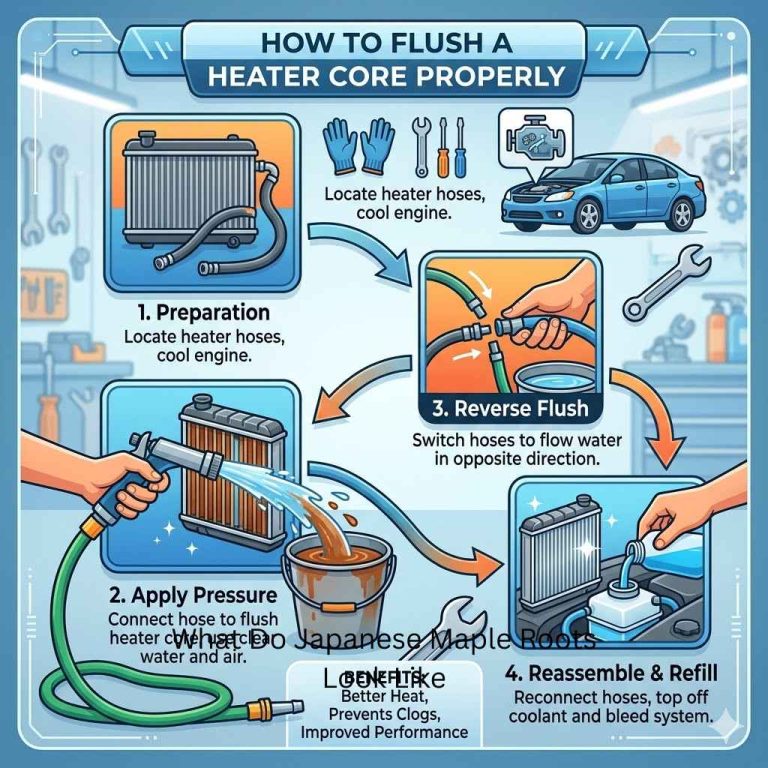
Scenario 2 Flushing The Heater Core
Perhaps your car’s heater isn’t blowing as hot as it used to, suggesting a clogged heater core. To flush it, you need to disconnect the heater hoses.
You would follow the steps to find the inlet and outlet hoses. Once identified, you would disconnect them from the firewall side or the engine side, depending on your flushing method. This allows you to introduce a cleaning solution or water directly into the heater core to clear out any blockages.
Proper identification is crucial for effective flushing.
Troubleshooting Common Issues
Sometimes, finding these hoses can be more challenging than expected. Here are a few common issues you might encounter and how to address them.
Obstructed View
In some vehicles, the heater hoses might be partially hidden by other engine components, plastic covers, or air intake systems. If you can’t get a clear view, try to identify the general area where they should be and look for any pipes or connections that disappear into the firewall.
You might need to carefully remove an air intake duct or a plastic shield to gain better access. Always consult your vehicle’s service manual if you’re unsure about removing any parts. Taking pictures before you remove anything can help with reassembly.
Multiple Hoses
Some vehicles might have additional hoses or lines running through the firewall for other systems, like HVAC or power steering. The key is to look for hoses that are directly connected to the engine’s cooling system (radiator, water pump, thermostat housing) and are of a size consistent with heater hoses.
Heater hoses are typically larger diameter than vacuum lines and are often made of reinforced rubber. If you’re still uncertain, look for any control valves or actuators attached near the firewall entry point, as these are common on heater hose lines.
Corroded Or Damaged Pipes
Occasionally, the metal pipes that go through the firewall might be corroded or difficult to see clearly. Focus on the rubber hoses themselves and trace them back. The material they are connected to on the engine side will be the best indicator.
If the pipes are severely rusted, it might indicate a larger issue with the firewall integrity. However, for simply locating the hoses, focus on the flexible rubber sections and their engine bay connections.
Frequently Asked Questions
Question: What happens if I disconnect the wrong hoses
Answer: Disconnecting the wrong hoses can lead to coolant leaks, engine overheating, or loss of power steering if you disconnect those lines. It’s important to be sure you’ve identified the correct heater core hoses by tracing them back to the engine’s cooling system.
Question: How do I know which hose is the inlet and which is the outlet
Answer: Generally, the inlet hose brings hot coolant from the engine to the heater core, and the outlet hose returns cooler coolant back. While not always critical to distinguish for basic identification, the inlet is often connected to a hotter part of the engine.
Question: Can I drive my car if a heater hose is leaking
Answer: It’s not recommended to drive with a leaking heater hose. Leaks will cause your coolant level to drop, which can lead to severe engine damage from overheating. If you suspect a leak, it’s best to stop driving and address the issue.
Question: How tight should heater hoses be clamped
Answer: Heater hoses should be clamped firmly enough to prevent leaks but not so tight that they damage the hose or the metal pipe it’s attached to. Most hose clamps have a specific torque range, but for typical screw clamps, snug is usually sufficient. Ensure there are no gaps.
Question: What is the typical lifespan of heater hoses
Answer: Heater hoses typically last between 3 to 5 years, or about 50,000 to 100,000 miles, depending on driving conditions and material quality. It’s a good idea to inspect them regularly for signs of wear like cracking, swelling, or softness.
Final Thoughts
You’ve learned how to find your car’s heater core inlet and outlet hoses. It involves looking for two rubber hoses passing through the firewall on the passenger side. Trace them back to the engine’s cooling system.
Remember to always work on a cool engine and use caution. With this knowledge, you can tackle heating system tasks confidently.