Ceramic vs Electric Space Heaters: Which One Warms Your Home Best?
Hey there! If you’re trying to decide between ceramic and electric space heaters to keep your home cozy, you’re in the right place. I’ve spent plenty of chilly evenings researching and testing heaters to figure out which type works best. Both have their strengths, but they’re not the same. Let’s dive into the details to help you pick the perfect one for your space.
Understanding Space Heaters: A Quick Overview
When winter hits, staying warm becomes a priority. Space heaters are a great way to heat specific areas without cranking up your central heating. I’ve used both ceramic heaters and other electric heaters to warm my living room, bedroom, and even my drafty home office. Each type has unique features, and knowing how they work can make your decision easier.
A space heater is a portable device that generates heat to warm a small area. Ceramic heaters are a type of electric heater, but they use a ceramic heating element. Other electric heaters might use metal coils, oil, or infrared technology. The main difference lies in how they produce and distribute heat, which affects efficiency, safety, and comfort.
How Ceramic Heaters Work
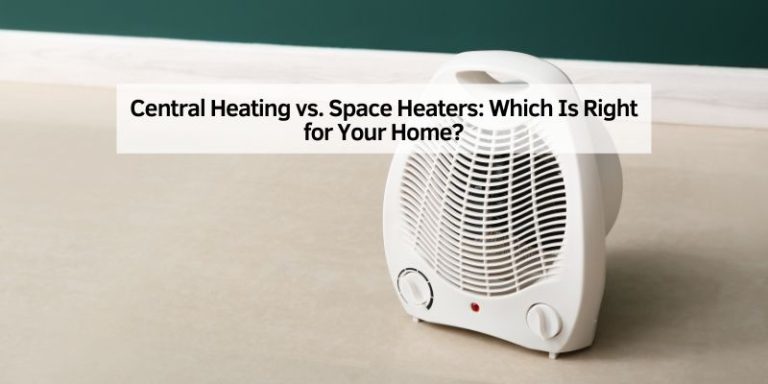
I remember the first time I plugged in a ceramic heater. It warmed up my room so quickly! These heaters use a ceramic heating element, usually made of ceramic plates or coils. When electricity passes through, the ceramic gets hot and transfers that heat to the air. A fan often blows the warm air out, spreading it evenly.
What I love about ceramic heaters is their ability to heat up fast. The ceramic element is durable and retains heat well, so the heater stays efficient. Many models also have built-in thermostats, so you can set your desired temperature. I’ve found this feature super handy for keeping my bedroom cozy without overheating.
How Electric Heaters Work
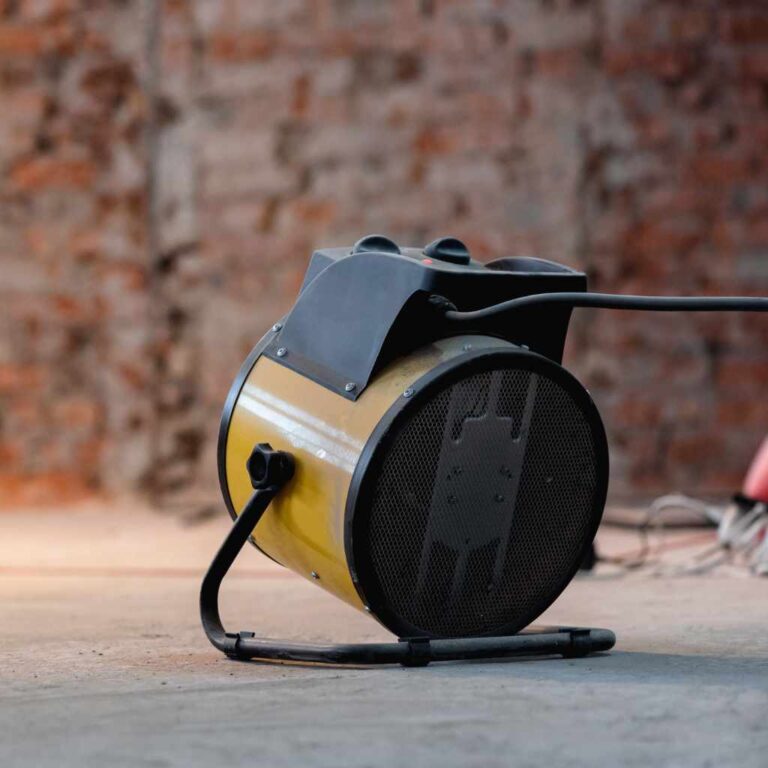
When I talk about electric heaters, I’m referring to non-ceramic types like coil, oil-filled, or infrared heaters. These use electricity to generate heat but in different ways. For example, I’ve used a coil heater that glows red-hot and radiates heat directly. Oil-filled heaters, on the other hand, warm up oil inside the unit, which then radiates heat slowly and steadily.
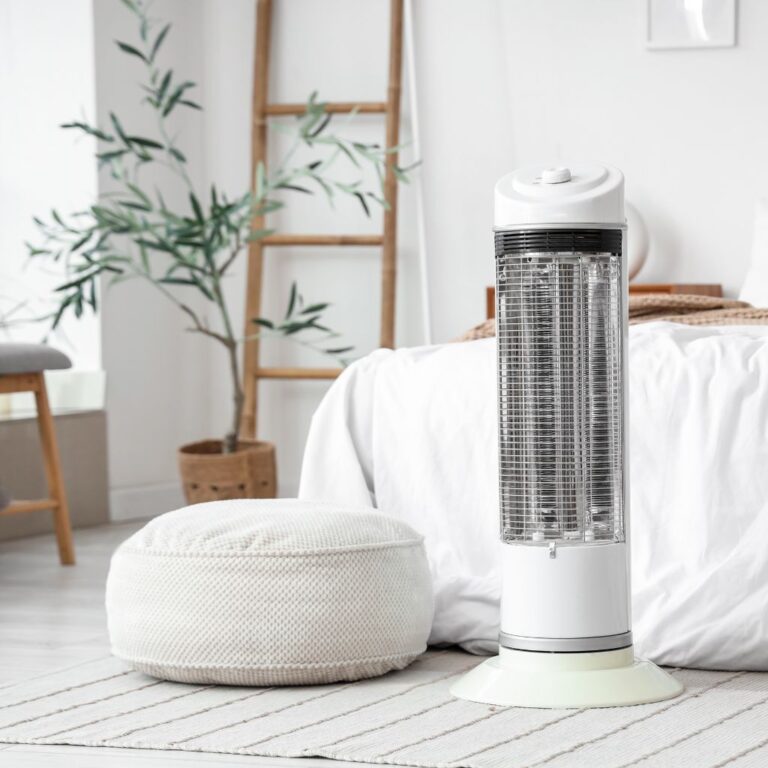
Infrared heaters are another option I’ve tried. They heat objects and people directly rather than the air, which feels like sitting in sunlight. Each type has its vibe, but they all rely on electricity to work. The key is understanding which one fits your needs based on how they deliver heat.

Comparing Efficiency: Which Saves More Energy?
Energy efficiency matters, especially when you’re running a heater for hours. I’ve tracked my electric bill while testing both types, and here’s what I found. Ceramic heaters tend to be more energy-efficient for quick heating. Their ceramic elements heat up fast and cool down quickly, so they don’t waste energy when you turn them off.
Electric heaters, like oil-filled ones, take longer to warm up but retain heat longer. I noticed this when I used an oil-filled heater in my living room—it kept the space warm even after I switched it off. However, coil heaters can be less efficient because they lose heat quickly. If you’re looking to save on energy, a ceramic heater is often the better pick for small spaces.
Here’s a quick comparison table to break it down:
| Feature | Ceramic Heaters | Electric Heaters (Non-Ceramic) |
|---|---|---|
| Heat-Up Time | Fast (within minutes) | Slower (especially oil-filled) |
| Energy Efficiency | High for short-term use | Varies (oil-filled more efficient for long-term) |
| Portability | Lightweight, easy to move | Heavier (especially oil-filled) |
| Cost to Run | Lower for quick heating | Higher for coil, lower for oil-filled |
Safety Features: Keeping Your Home Secure
Safety is a big deal when you’re dealing with heaters. I’ve got kids and pets, so I’m always cautious about what I bring into my home. Ceramic heaters are generally safer because their heating elements don’t get as hot as metal coils. Many models have cool-touch exteriors, so you don’t burn your hand if you accidentally brush against them.
Most ceramic heaters also come with safety features like tip-over protection and overheat shutoff. I once knocked over my heater while chasing my dog, and it turned off instantly—phew! Electric heaters vary widely. Coil heaters can get very hot, posing a burn risk. Oil-filled heaters are safer since they don’t have exposed elements, but they’re heavier and harder to move.
In my experience, ceramic heaters win for safety, especially in homes with kids or pets. But always check for safety certifications like UL or ETL, no matter which type you choose.
Heating Performance: Which Warms Better?
I’ve tested both types in different rooms, and performance depends on your space. Ceramic heaters are fantastic for small to medium rooms, like a bedroom or office. Their fan-driven heat spreads evenly, so you feel warm quickly. I used one in my 150-square-foot office, and it was toasty in under 10 minutes.
Electric heaters shine in different scenarios. Oil-filled heaters are great for larger rooms or long-term heating. I left one on low in my living room overnight, and it kept the space comfortable without drying out the air. Infrared heaters work best when you’re sitting close by, like in a small den. For quick, even heating, I lean toward ceramic heaters, but for steady warmth, oil-filled electric heaters are hard to beat.
Cost: Upfront and Long-Term
Let’s talk money. When I started shopping for heaters, I noticed ceramic heaters are often pricier upfront, ranging from $30 to $100 depending on features like oscillation or remote control. Basic coil electric heaters can be cheaper, starting at $20, but they lack advanced features. Oil-filled heaters cost more, often $50 to $150, due to their durability.
Over time, ceramic heaters save money if you use them for short bursts. Their efficiency means lower electric bills. I ran a ceramic heater for a few hours daily and barely noticed a spike in my bill. Oil-filled heaters are cost-effective for all-day use, but coil heaters can rack up costs if left on too long. Check your heater’s wattage—lower watts (around 750–1500) mean less energy use.
Portability and Design
I move my heaters around a lot, so portability is key. Ceramic heaters are usually lightweight and compact, with handles for easy carrying. I can tote mine from my bedroom to the living room without breaking a sweat. Many also have sleek designs that blend into modern decor.
Electric heaters vary. Coil heaters are portable but often look basic. Oil-filled heaters are bulky and heavy—I struggled to lug one upstairs. Infrared heaters can be slim but aren’t always easy to move. If you want something you can carry easily, ceramic heaters are the way to go.
Noise Levels: Quiet or Annoying?
Noise can be a dealbreaker, especially if you’re using a heater while working or sleeping. Ceramic heaters often have fans, which can create a low hum. I don’t mind it, but if you’re sensitive to sound, look for models with quiet modes. My ceramic heater was barely noticeable on its lowest setting.
Most electric heaters are quieter. Oil-filled and infrared heaters don’t use fans, so they’re nearly silent. I used an oil-filled heater in my bedroom, and it was like it wasn’t even there. If silence is your priority, skip fan-based ceramic heaters and go for an oil-filled or infrared model.
Maintenance and Durability
I’m all about low-maintenance gadgets. Ceramic heaters are easy to care for—just dust the exterior and clean the filter if it has one. Their ceramic elements are sturdy, so they last years with proper care. I’ve had mine for three winters, and it’s still going strong.
Electric heaters depend on the type. Coil heaters can burn out if overused, and I’ve replaced one after a year. Oil-filled heaters are super durable since the oil never needs refilling, but they’re prone to leaks if damaged. Infrared heaters are low-maintenance but can be less durable. For longevity, ceramic and oil-filled heaters are my top picks.
Environmental Impact
I try to be eco-conscious, so I looked into how these heaters affect the planet. Ceramic heaters are generally greener for short-term use because they use less energy. Their quick heat-up time means you’re not running them for hours. Electric heaters like oil-filled models are efficient for long-term heating but use more energy overall.
Both types rely on electricity, so their environmental impact depends on your local power grid. If you’re in an area with renewable energy, you’re in better shape. I always turn off my heater when I don’t need it to reduce my carbon footprint.
Which One Should You Choose?
Choosing between ceramic and electric heaters depends on your needs. I’ve used both and found that ceramic heaters are best for quick, efficient heating in small spaces. They’re safe, portable, and budget-friendly for short-term use. If you need to heat a larger room for hours, an oil-filled electric heater is a better bet for steady, silent warmth.
Think about your space, budget, and how long you’ll run the heater. If you’re like me and want something versatile for daily use, a ceramic heater is hard to beat. But if you need long-lasting heat without a fan’s hum, consider an oil-filled or infrared electric heater.

Conclusion
After testing both ceramic and electric heaters through several winters, I can say they both have their place. Ceramic heaters are my go-to for quick warmth, safety, and portability. They’re perfect for small rooms and busy households. Electric heaters, especially oil-filled ones, are great for larger spaces or all-day heating. Whichever you choose, prioritize safety features and energy efficiency to keep your home cozy and your bills low. Stay warm out there!
FAQs
Are ceramic heaters safer than electric heaters?
Yes, ceramic heaters are generally safer. Their elements don’t get as hot as metal coils, and many have tip-over and overheat protection. Coil electric heaters can pose a burn risk, but oil-filled models are safer since they don’t have exposed elements.
Which heater is better for a small room?
For small rooms, I’d pick a ceramic heater. It heats up quickly, spreads warmth evenly, and is easy to move. They’re ideal for spaces like bedrooms or offices.
Do ceramic heaters use less electricity?
In my experience, ceramic heaters use less electricity for short-term heating because they’re so efficient. Oil-filled electric heaters can be more economical for long-term use, though.
Can I leave a space heater on overnight?
I wouldn’t recommend it unless the heater has safety features like overheat and tip-over protection. Ceramic heaters with these features are safer for overnight use, but always follow the manufacturer’s guidelines.
How do I maintain my space heater?
For ceramic heaters, dust the exterior and clean the filter if it has one. For electric heaters, check for damage and keep them clean. Oil-filled heaters need little maintenance but inspect for leaks.