7.1 vs 5.1 Home Theater: Which Surround Sound System Is Right for You?
Hey there! If you’re reading this, you’re probably dreaming of turning your living room into a cinematic paradise. I get it—there’s nothing like the thrill of immersive sound when you’re watching a blockbuster or gaming with friends. But here’s the big question: should you go for a 7.1 or a 5.1 home theater system? I’ve spent countless hours researching, testing, and enjoying both setups, and I’m excited to share everything I’ve learned. Let’s dive into the world of surround sound and figure out which system is the perfect fit for your home.
Choosing between a 7.1 and 5.1 home theater can feel overwhelming. Both promise incredible audio, but they cater to different needs, room sizes, and budgets. In this guide, I’ll break down the differences, benefits, and drawbacks of each system. Whether you’re a movie buff, a gamer, or just someone who loves music, I’ve got you covered with all the details you need to make an informed decision.
What Is a Home Theater System?
Before we compare 7.1 and 5.1, let’s talk about what a home theater system actually is. Imagine sitting in a movie theater, where sound comes from every direction—explosions rumble behind you, whispers float from the side, and music swells all around. A home theater system brings that experience to your living room. It’s a combination of speakers, a receiver, and sometimes a subwoofer, all working together to create surround sound.
The numbers 5.1 and 7.1 refer to the speaker setup. The first number (5 or 7) tells you how many speakers are in the system, and the “.1” indicates a subwoofer for deep bass. So, a 5.1 system has five speakers and one subwoofer, while a 7.1 system has seven speakers and one subwoofer. Simple enough, right? Now, let’s explore what makes each system unique.
Understanding the 5.1 Home Theater System
I’ve always thought of the 5.1 system as the gold standard for home theater beginners. It’s been around for years and is still incredibly popular. Here’s why it’s such a great choice.
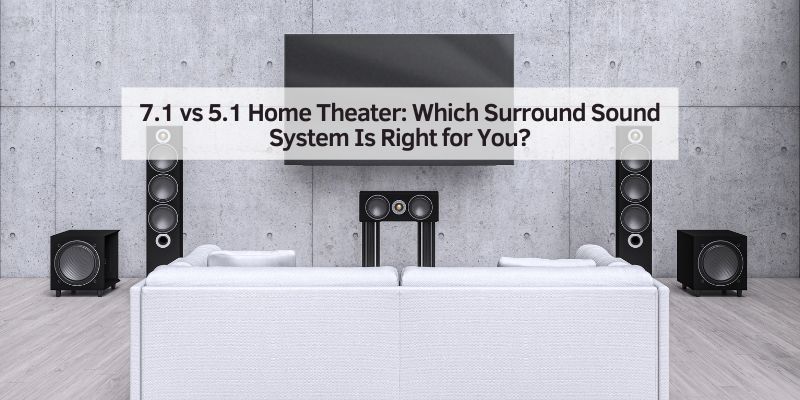
A 5.1 system includes five speakers: a center speaker, two front speakers (left and right), and two rear speakers (left and right). The subwoofer handles the low-frequency sounds, like explosions or the thump of a bassline. The center speaker is crucial for dialogue, making sure you hear every word clearly. The front speakers create the main soundstage, while the rear speakers add depth, making you feel like you’re in the middle of the action.
Setting up a 5.1 system is pretty straightforward. You place the center speaker below or above your TV, the front speakers on either side, and the rear speakers behind your seating area. The subwoofer can go almost anywhere, as bass is less directional. I’ve found that this setup works beautifully in small to medium-sized rooms, like a typical living room or apartment.
One thing I love about 5.1 systems is their versatility. They’re great for movies, music, and gaming. Whether it’s the roar of a dinosaur in Jurassic Park or the subtle background music in a drama, a 5.1 system delivers a balanced and immersive experience. Plus, it’s usually more affordable than a 7.1 system, which is a big win if you’re on a budget.
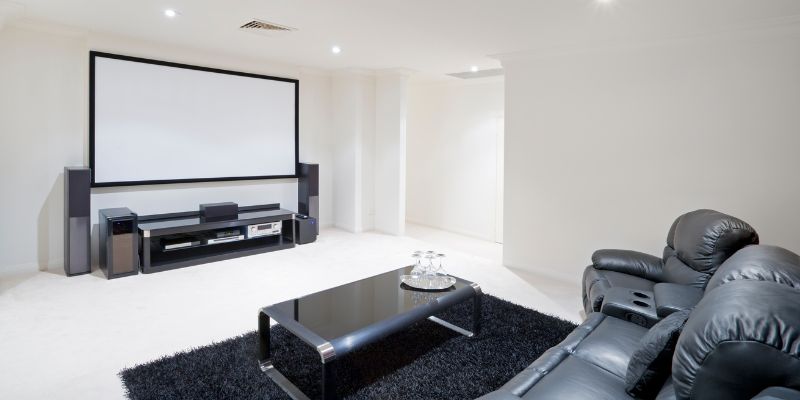
Exploring the 7.1 Home Theater System
Now, let’s step up to the 7.1 system. When I first upgraded to a 7.1 setup, it felt like I’d unlocked a new level of audio bliss. This system takes everything a 5.1 offers and adds two more speakers for an even more enveloping sound.
A 7.1 system includes the same five speakers as a 5.1 setup, plus two additional surround speakers. These extra speakers are placed to the sides of your seating area, creating a 360-degree sound field. The result? You’re not just hearing sound from the front and back—you’re surrounded by it. It’s like being in the center of a storm during an action movie or feeling the crowd roar in a sports game.
I’ve noticed that 7.1 systems shine in larger rooms. The extra speakers fill the space with sound, making it ideal for dedicated home theater rooms or open-plan living areas. If you’re watching a movie with Dolby Atmos or DTS:X, the 7.1 system can take full advantage of these advanced audio formats, delivering a more dynamic and precise soundstage.
But here’s the catch: a 7.1 system is more complex to set up. You’ll need more space, more cables, and a receiver that can handle seven speakers. It’s also pricier, which might not suit everyone. Still, if you’re a serious audiophile or love hosting movie nights, the investment can be worth it.
Key Differences Between 7.1 and 5.1 Systems
So, what sets these two systems apart? I’ve put together a handy table to highlight the main differences:
| Feature | 5.1 Home Theater | 7.1 Home Theater |
|---|---|---|
| Number of Speakers | 5 speakers + 1 subwoofer | 7 speakers + 1 subwoofer |
| Room Size | Best for small to medium rooms | Ideal for large rooms |
| Sound Immersion | Great surround sound | More immersive, 360-degree sound |
| Cost | More affordable | More expensive |
| Setup Complexity | Easier to install | More complex, needs more space |
| Audio Formats | Supports Dolby Digital, DTS | Supports Dolby Atmos, DTS:X |
The biggest difference is the number of speakers. With 5.1, you get a solid surround sound experience, but 7.1 takes it further by adding side speakers. This makes a huge difference in larger spaces or when you’re watching content with advanced audio formats. However, the extra speakers mean a higher cost and a more involved setup process.
Which System Is Best for Your Room Size?
When I was choosing between 5.1 and 7.1, room size was a major factor. Let me break it down for you.
If your living room is small to medium-sized (say, under 300 square feet), a 5.1 system is usually enough. I set up a 5.1 system in my old apartment, and it filled the space perfectly. The rear speakers created a convincing surround effect, and I never felt like I was missing out. In a smaller room, the extra speakers in a 7.1 system might feel overkill, and you could end up with cluttered sound.
On the other hand, if you have a large living room or a dedicated home theater room (over 300 square feet), a 7.1 system can really shine. I’ve seen it work wonders in bigger spaces, where the side speakers add depth and realism. For example, when I watched Mad Max: Fury Road on a 7.1 system, the sound of engines roaring from all directions made me feel like I was in the desert chase.
Here’s a quick tip: measure your room before deciding. If you’re tight on space or your seating is close to the walls, stick with 5.1. If you’ve got a spacious area and can place speakers at least a few feet from your seating, 7.1 could be the way to go.
Cost and Budget Considerations
Let’s talk money. I know budget is a big deal for most of us, and both systems have different price tags.
A 5.1 system is generally more affordable. You can find decent 5.1 setups for $300 to $1,000, depending on the brand and quality. I started with a budget-friendly 5.1 system, and it was a game-changer for movie nights without breaking the bank. The lower cost also means fewer cables and a simpler receiver, which keeps things wallet-friendly.
A 7.1 system, however, can set you back $500 to $2,000 or more. The extra speakers and a more powerful receiver drive up the cost. When I upgraded to 7.1, I had to save up for a few months, but the immersive sound was worth it for my larger living room. If you’re on a tight budget, starting with 5.1 and upgrading later might be a smart move.
Don’t forget ongoing costs like maintenance and electricity. Both systems use similar power, but 7.1 systems require more wiring and potentially more frequent speaker calibration. If you’re handy with tech, you can save money by setting it up yourself, like I did.
Setup and Installation: What to Expect
Setting up a home theater system can feel like a puzzle, but it’s doable with some patience. Here’s what I learned from setting up both 5.1 and 7.1 systems.
For a 5.1 system, the process is pretty simple. You place the center speaker near your TV, the front speakers on either side, and the rear speakers behind your couch. The subwoofer can go in a corner or under a table. I spent about an hour setting up my first 5.1 system, and most of that was running cables neatly. If you’re not a fan of wires, wireless 5.1 systems are available, though they’re pricier.
A 7.1 system takes more effort. You’ll need to place the two extra side speakers, which means more cables and more planning. I had to rearrange my furniture to make room for the side speakers, and running cables across a large room was a challenge. It took me a full afternoon to get everything perfect, but the result was worth it. If you’re not comfortable with DIY, you might want to hire a professional for a 7.1 setup.
Pro tip: invest in a good receiver. It’s the brain of your system, handling audio processing and speaker connections. Make sure it supports the audio formats you want, like Dolby Atmos for 7.1 systems.
Audio Quality and Immersion
Let’s get to the fun part: how do these systems sound? This is where things get exciting.
A 5.1 system delivers fantastic audio. When I watched Star Wars on my 5.1 setup, the lightsaber battles felt alive, with sounds moving smoothly from front to back. The subwoofer added punch to explosions, and the center speaker made dialogue crystal clear. It’s a great all-around experience that works for most content.
But a 7.1 system? It’s next-level. The extra side speakers create a seamless sound bubble. I remember watching Gravity with a 7.1 system, and the sound of debris flying around me was so realistic I ducked a few times. If you love action
immersive movies or games, a 7.1 system elevates the experience to a whole new level.
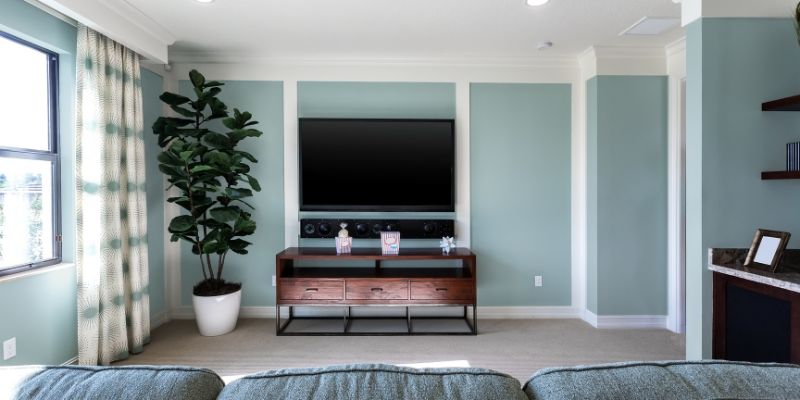
Compatibility with Modern Audio Formats
If you’re a tech nerd like me, you’ll want to know about audio formats. Both 5.1 and 7.1 systems support popular formats like Dolby Digital and DTS, which are standard for DVDs and streaming services. However, 7.1 systems have an edge with newer formats like Dolby Atmos and DTS:X.
Dolby Atmos, for example, adds height channels to create a 3D sound effect. While you can get Atmos with a 5.1.2 system (5.1 plus two ceiling speakers), a 7.1 system provides a fuller base for Atmos setups. I noticed a huge difference when I switched to a 7.1 system for Atmos content—the sound felt like it was coming from above and around me, not just from the sides.
If you’re buying new content, check if it supports Atmos or DTS:X. Most modern Blu-rays and streaming platforms like Netflix and Disney+ offer these formats, making a 7.1 system a future-proof choice.
Which System Suits Your Lifestyle?
Your lifestyle plays a big role in choosing between 5.1 and 7.1. If you’re a casual viewer who loves movies and music but doesn’t need the ultimate audio experience, a 5.1 system is plenty. It’s what I started with, and it was perfect for my small apartment and occasional movie nights.
If you’re a home theater enthusiast, a gamer, or someone who hosts big viewing parties, a 7.1 system might be your dream setup. I upgraded to 7.1 when I moved to a bigger house, and it’s been a game-changer for immersive gaming and epic movie marathons. Think about how often you’ll use the system and whether the extra speakers are worth the investment.
Upgrading and Future-Proofing
One thing I love about home theater systems is their flexibility. You can start with a 5.1 system and upgrade to 7.1 later by adding two speakers and a compatible receiver. I did this myself, and it was a cost-effective way to level up my setup without buying everything at once.
If you’re thinking long-term, consider a 7.1 system for future-proofing. As more content supports advanced formats like Dolby Atmos, a 7.1 system gives you more options. However, 5.1 systems are still widely supported and won’t become obsolete anytime soon.
My Final Thoughts
After diving deep into both 5.1 and 7.1 home theater systems, I can say they’re both fantastic in their own ways. The 5.1 system is a reliable, budget-friendly choice that delivers immersive sound for most homes. It’s easy to set up and perfect for small to medium rooms. The 7.1 system, though, is a step above, offering a truly cinematic experience that’s ideal for larger spaces and audio enthusiasts.
For me, the choice came down to my room size and how much I wanted to invest. My 5.1 system was a great starting point, and upgrading to 7.1 felt like stepping into a movie theater. Whichever you choose, you’re in for a treat—surround sound transforms how you experience entertainment.
So, what’s the right pick for you? If your room is on the smaller side and you want something affordable, go with 5.1. If you’ve got the space, budget, and passion for top-tier audio, 7.1 is the way to go. Either way, you’re about to make your home entertainment way more exciting. Happy listening!
Frequently Asked Questions
What’s the main difference between 5.1 and 7.1 home theater systems?
The main difference is the number of speakers. A 5.1 system has five speakers and a subwoofer, while a 7.1 system has seven speakers and a subwoofer. The extra two speakers in a 7.1 system are side surrounds, creating a more immersive sound experience.
Can I use a 5.1 system in a large room?
You can, but a 5.1 system works best in small to medium rooms. In a large room, the sound might not feel as enveloping. A 7.1 system is better suited for bigger spaces because the extra speakers fill the room more effectively.
Is a 7.1 system worth the extra cost?
It depends on your needs. If you have a large room and love immersive audio for movies or gaming, a 7.1 system is worth it. For smaller rooms or casual use, a 5.1 system is often enough and saves you money.
Do I need a special receiver for a 7.1 system?
Yes, you need a receiver that supports 7.1 channels. A 5.1 receiver won’t work for a 7.1 setup because it lacks the extra channels. Check the receiver’s specs to ensure it matches your system.
Can I upgrade from 5.1 to 7.1 later?
Absolutely! You can start with a 5.1 system and add two more speakers and a 7.1-compatible receiver later. It’s a great way to build your system over time without spending everything upfront.