Convection Heater Vs Fan Heater: Essential Guide
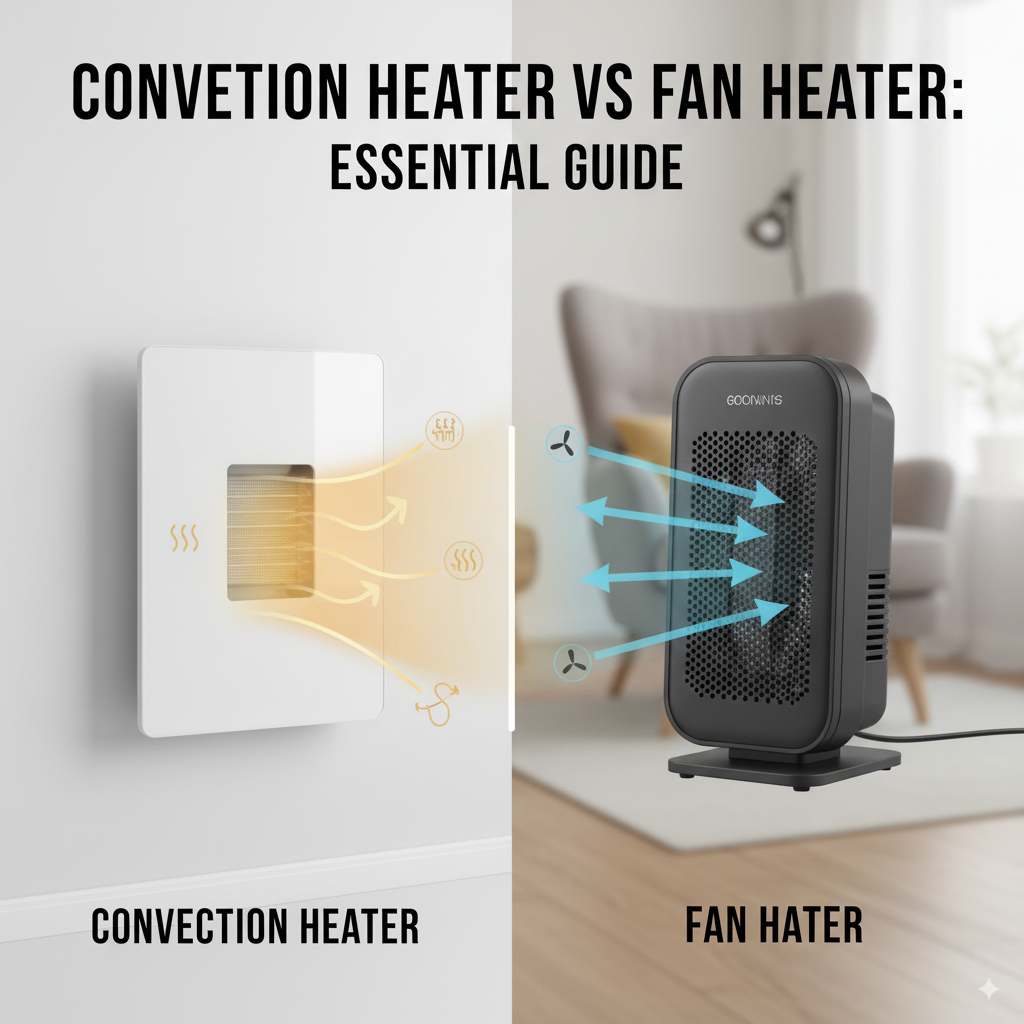
Can’t decide between a convection heater and a fan heater? Convection heaters offer gentle, even warmth ideal for larger rooms and maintaining temperatures, while fan heaters provide quick spot heating and excellent air circulation. Your best choice depends on your needs for speed, room size, and desired heat distribution.
For a related heater topic, Convection Vs. Hydronic: Essential Guide gives readers a useful next step.
Keeping your home cozy doesn’t have to be complicated! Many of us wonder about the best way to heat a room, especially when faced with different heater types. Two popular options you’ve likely seen are convection heaters and fan heaters. They both aim to warm you up, but they do it in surprisingly different ways. It can feel a bit confusing to know which one is right for your needs. This guide is here to take the guesswork out of it. We’ll break down exactly how each heater works, their pros and cons, and where they shine, so you can make a confident choice for a warmer, more comfortable home.
Convection Heater vs Fan Heater: Understanding the Basics
Choosing the right heater can make a big difference in how warm and comfortable your home feels, not to mention how much you spend on energy. Convection heaters and fan heaters are two common types that homeowners often consider. While both produce heat, their methods are quite distinct, leading to different strengths and ideal uses. Getting a clear picture of how each works will help you pick the perfect heater for your specific needs, whether it’s for a drafty living room or a chilly home office.
How a Convection Heater Works: Gentle, Even Warmth
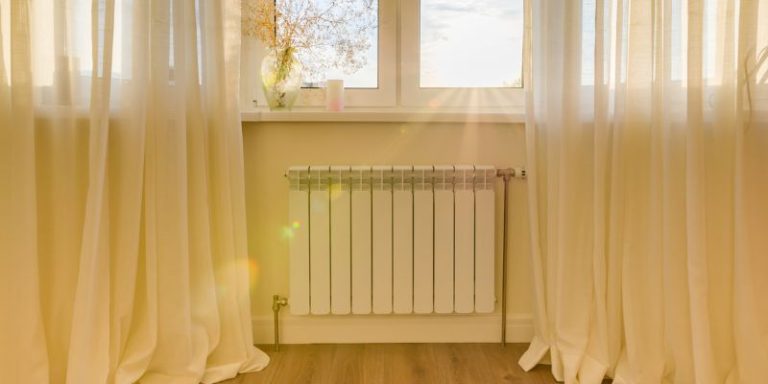
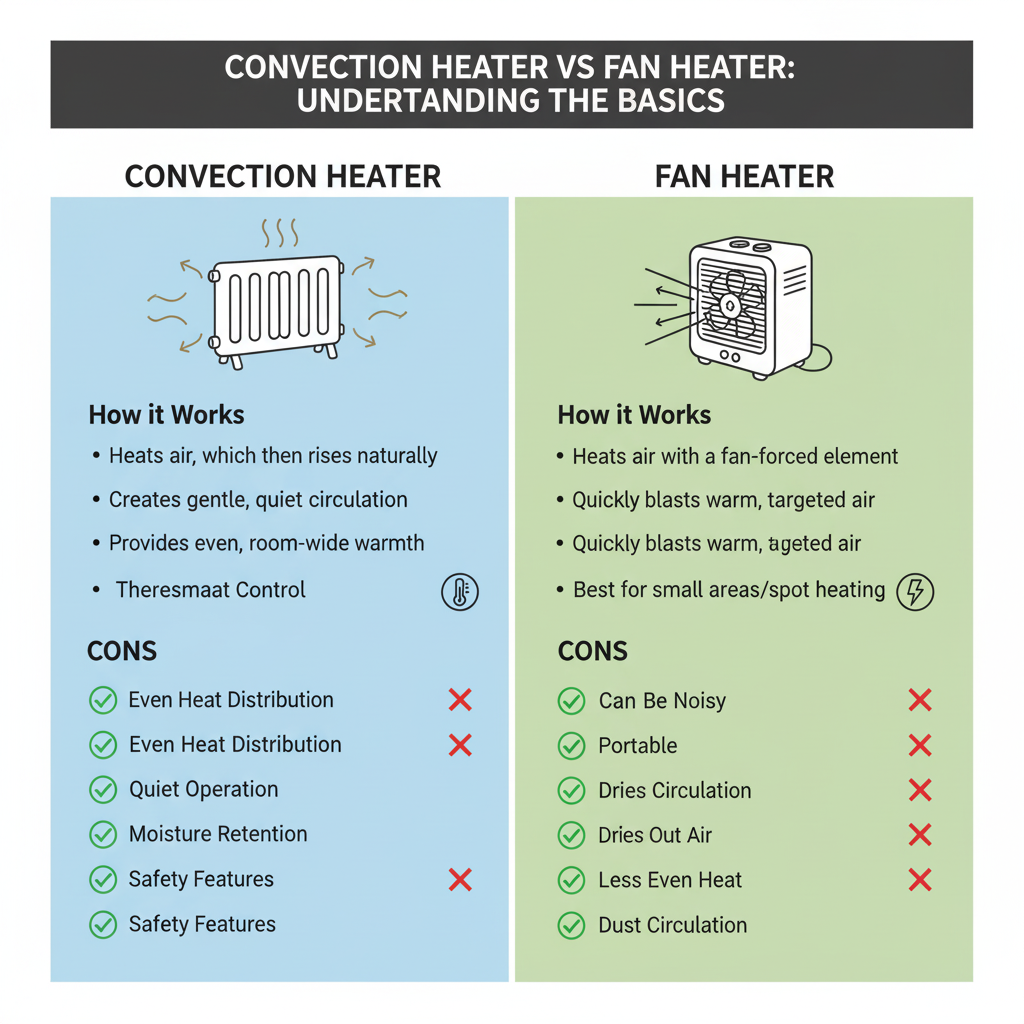
Convection heaters work by heating the air around them. Inside the heater, a heating element warms up. As the air near the element gets warm, it becomes less dense and rises. This warm air then circulates naturally throughout the room. Cooler, denser air from the room is drawn into the heater to replace the rising warm air, creating a continuous, gentle cycle. This process, known as convection, fills the entire space with consistent warmth without a lot of noise or drafts.
Think of it like gently warming a pot of water on the stove. The heat rises from the bottom, and the water circulates. Convection heaters do this for the air in your room. Because the air movement is natural and gradual, this type of heating is very quiet and provides a steady, comfortable temperature. It’s great for maintaining a cozy atmosphere without sudden bursts of heat or dried-out air.
Pros of Convection Heaters:
- Even Heat Distribution: Excellent at heating an entire room gradually and uniformly.
- Quiet Operation: They are very quiet, making them ideal for bedrooms or living areas where peace is valued.
- Moisture Retention: They are less likely to dry out the air compared to fan heaters, contributing to a more comfortable environment.
- Thermostat Control: Many models come with thermostats to maintain a set temperature, saving energy.
- Safety Features: Often include overheat protection and cool-touch exteriors.
Cons of Convection Heaters:
- Slower Heating: Takes longer to initially warm up a cold room compared to fan heaters.
- Less Direct Heat: The heat is dispersed, so it might not feel as intense if you’re looking for immediate warmth directly on you.
- Room Size Dependence: Effectiveness is best in well-insulated rooms within their specified size range.
How a Fan Heater Works: Quick, Targeted Heat
Fan heaters, also known as ceramic heaters or fan forced heaters, work a bit differently. They also have a heating element, but this element is typically made of ceramic or nichrome wire. Once the heating element warms up, a built-in fan activates and blows air across the hot element. This hot air is then forcefully pushed out into the room, providing rapid and targeted heating.
The key here is the fan. Instead of relying on natural air circulation, it actively blasts heated air where you point it. This makes fan heaters excellent for quickly warming up a specific area or a smaller room. The fan also helps to circulate the air in general, which can be useful on warmer days if the heater has a “cool blow” setting, though its primary purpose is heating.
Pros of Fan Heaters:
- Rapid Heating: Excellent at quickly warming up a small to medium-sized space or a specific spot.
- Portable: Generally lightweight and compact, making them easy to move between rooms.
- Air Circulation: The fan can help move air around, which can be beneficial.
- Cost-Effective: Often more affordable to purchase than convection heaters.
- Spot Heating: Perfect for directing warmth precisely where you need it.
Cons of Fan Heaters:
- Can Be Noisy: The fan operation can produce a noticeable hum or whirring sound.
- Dries Out Air: The forced air movement can sometimes dry out the air in a room.
- Less Even Heat: May create hot and cool spots in larger or poorly insulated rooms.
- Energy Consumption: Running the fan continuously can sometimes use more energy than anticipated, especially if not used efficiently.
- Dust Circulation: Can sometimes blow dust around the room, which might be a concern for allergy sufferers.
Convection Heater vs Fan Heater: Key Differences at a Glance
To make the choice even clearer, let’s look at a direct comparison. Understanding these core differences will help you pinpoint which type of heater best aligns with your comfort needs and the space you want to heat.
| Feature | Convection Heater | Fan Heater |
|---|---|---|
| Heating Method | Natural air circulation; heats air gently and evenly throughout the room. | Forced air circulation; fan blows air over a hot element and pushes it out. |
| Speed of Heating | Slower to warm up a room. | Very fast to warm up a specific area or small room. |
| Heat Distribution | Uniform and consistent throughout the room. | More targeted; can create hot/cold spots in larger spaces. |
| Noise Level | Extremely quiet (almost silent). | Noticeable fan noise (hum/whir). |
| Effect on Air Humidity | Generally preserves air moisture. | Can dry out the air. |
| Best Use Case | Maintaining steady warmth in medium to large rooms, continuous heating. | Quickly heating small areas, targeted spot heating, chilly mornings. |
| Portability | Can be larger and heavier, though portable models exist. | Typically compact, lightweight, and easy to move. |
| Energy Efficiency | Efficient for maintaining temperatures over long periods once room is warm. | Great for short bursts of heating; efficiency depends on usage pattern. |
When to Choose a Convection Heater
You’ll likely find a convection heater to be an excellent choice if your primary goal is to maintain a comfortable, consistent temperature in a larger room or if you dislike noise. They are particularly good for spaces that tend to get cooler overall and need a steady source of warmth to keep them pleasant.
Consider a convection heater for:
- Living Rooms and Bedrooms: Where you want even, background warmth for extended periods.
- Larger Spaces: To gradually heat an entire room without creating cold spots.
- Quiet Environments: If noise is a significant concern (e.g., for sleeping or working).
- Maintaining Temperature: For rooms you want to keep at a steady warmth throughout the day or night.
- Those Sensitive to Dry Air: As they are gentler on indoor humidity.
Many convection heaters come with built-in thermostats that allow you to set a desired temperature. The heater will then cycle on and off to maintain that warmth, which is a highly energy-efficient way to heat. For more information on energy-efficient heating practices, resources from the U.S. Department of Energy’s Energy Star program can be very helpful, offering tips on selecting efficient appliances and understanding energy labels.
When to Choose a Fan Heater
A fan heater is your go-to solution when you need heat now and specifically where you want it. Their ability to deliver a quick blast of warmth makes them incredibly useful for many everyday situations. If you’re often feeling a chill and want to chase it away fast, a fan heater will likely serve you well.
A fan heater is ideal for:
- Small Bathrooms: To quickly take the chill off before and after a shower.
- Home Offices or Desks: To create a comfortable personal warming zone.
- Situations Needing Quick Heat: Such as warming up a cold basement room before you settle in.
- Temporary Heating: For spaces that are only occupied for short periods.
- Budget-Conscious Purchases: Fan heaters are often the more affordable option upfront.
When using a fan heater, remember that their powerful airflow can disperse dust. If you or someone in your household suffers from allergies, ensure you regularly clean the unit and the surrounding area. For guidance on managing indoor air quality and reducing allergens, the U.S. Environmental Protection Agency (EPA) provides excellent advice.
Understanding Safety Features and Energy Efficiency
Regardless of whether you choose a convection heater or a fan heater, safety and energy efficiency are paramount. Modern heaters are designed with many features to ensure they can be used worry-free, and understanding these will give you peace of mind.
Essential Safety Features to Look For:
- Overheat Protection: This is a crucial safety feature that automatically shuts off the heater if it starts to get too hot, preventing potential fire hazards. Most reputable heaters will have this.
- Tip-Over Switch: If the heater is accidentally knocked over, this switch will immediately cut off the power. This is especially important for portable heaters that might be in high-traffic areas.
- Cool-Touch Exterior: Some heaters are designed with casings that stay relatively cool to the touch, reducing the risk of burns, which is a great feature if children or pets are around.
- Flame Retardant Materials: Look for heaters made from robust, flame-retardant plastics.
- Safety Certifications: Check for recognized safety certifications like UL (Underwriters Laboratories) or ETL (Intertek) markings, which indicate the product has met specific safety standards.
Tips for Energy-Efficient Heating:
Both types of heaters can be used efficiently, but it’s about smart usage:
- Right Size for the Space: Don’t use a heater designed for a small room in a large one, or vice-versa. An oversized heater will waste energy, and an undersized one will struggle and run constantly.
- Thermostat Control: Use the thermostat! Setting a comfortable, moderate temperature (e.g., 68-70°F or 20-21°C) is more efficient than cranking it up high. Learn more about ideal home temperatures from resources like ASHRAE (American Society of Heating, Refrigerating and Air-Conditioning Engineers), though their professional standards are about comfort and efficiency in larger systems, the principles apply to personal comfort too.
- Zone Heating: Heat only the room you are using. Turning off heaters in unoccupied rooms saves significant
energy. This is where fan heaters shine for quick, targeted warmth. - Seal Drafts: Prevent warm air from escaping and cold air from entering. Check for drafts around windows and doors, and use weatherstripping or draft stoppers if needed. The U.S. Department of Energy’s Energy Saver has great guides on how to do this yourself.
- Combine with Other Heating: Sometimes, a supplement from your central heating is enough for a larger space, with a heater to boost comfort in your immediate vicinity.
- Regular Maintenance: Keep your heater clean, especially the vents and filters (if any), to ensure it operates at its best efficiency.
According to Energy Star, for every degree you lower your thermostat for an extended period, you can save 1-3% on your heating bill. While this often refers to whole-house heating, similar principles apply to using localized heating sources effectively.
Installation and Usage: Easy as 1-2-3
The best part about convection heaters and fan heaters is their simplicity. There’s no complicated installation required – you can usually plug them in and start enjoying warmth right away. However, knowing a few best practices will maximize their effectiveness and ensure safe operation.
Setting Up Your Heater:
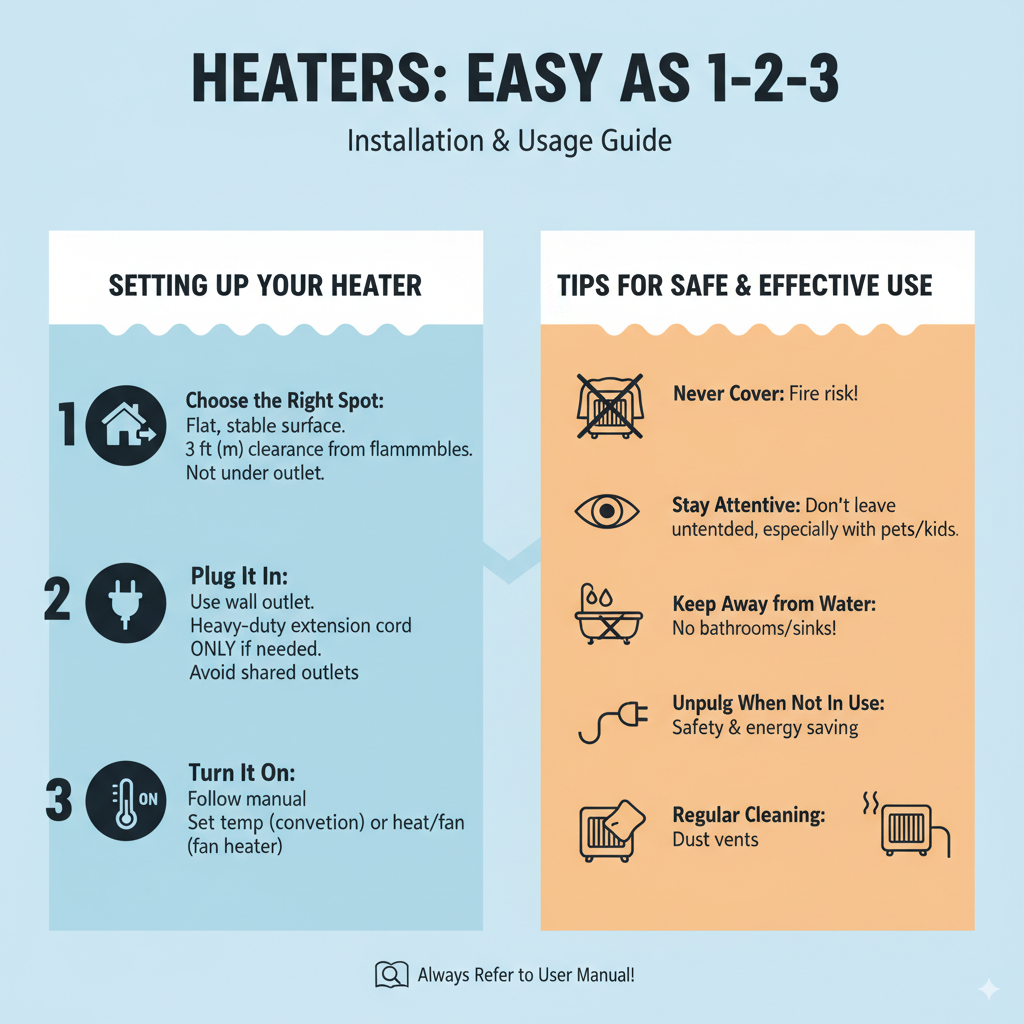
- Choose the Right Spot: Place your heater on a flat, stable surface. Ensure there’s adequate clearance around it – at least 3 feet (about 1 meter) of space from walls, curtains, furniture, and anything flammable. Never place a heater directly next to or under an outlet.
- Plug It In: Use a wall outlet, not an extension cord, if possible. If an extension cord is absolutely necessary, ensure it’s a heavy-duty one rated for the wattage of your heater. Avoid using the same outlet as other high-draw appliances if you can.
- Turn It On and Set the Controls: Follow the manufacturer’s instructions. For convection heaters, set your desired temperature. For fan heaters, you might select a heat setting (low/high) and a fan speed.
Tips for Safe and Effective Use:
- Never Cover the Heater: Blocking the vents, whether to dry clothes or simply because it’s in the way, is a significant fire risk and greatly reduces efficiency.
- Stay Attentive: While modern heaters have safety features, it’s always wise not to leave any portable heater running unattended for extended periods, especially if you have pets or young children.
- Keep Away from Water: Do not use portable heaters in bathrooms or near sinks, bathtubs, or showers. This is a critical safety measure to prevent electric shock.
- Unplug When Not in Use: For safety and to save energy, unplug the heater when you leave the room for an extended time or when it’s not needed.
- Regular Cleaning: Gently dust the exterior and any accessible vents with a soft cloth to keep the heater working efficiently and safely.
For definitive instructions tailored to your specific model, always refer to the user manual provided by the manufacturer. If you ever lose it, a quick search for the model number on the manufacturer’s website often yields a downloadable PDF.
Heater Comparison Table: At a Glance
To quickly summarize and help you make a final decision, here’s a handy comparison table:
| Factor | Convection Heater | Fan Heater |
|---|---|---|
| Best For | Even, whole-room heating; continuous warmth. | Quick spot heating; small rooms. |
| Speed | Slow to moderate. | Fast. |
| Noise | Very quiet. | Noticeable fan hum. |
| Air Feels | Gentle, humiditized. | Dryer, circulated. |
| Portability | Moderate to good. | Excellent. |
| Energy Use Pattern | Best for long periods at a steady temp. | Best for short bursts. |
| Cost (Initial) | Moderate to high. | Low to moderate. |
Frequently Asked Questions (FAQ)
Q1: Which heater is more energy-efficient, convection or fan?
Both can be energy-efficient depending on how you use them. Convection heaters are efficient at maintaining a steady temperature over long periods in a whole room. Fan heaters are efficient for quick, targeted heating because you use them for short bursts only where needed, thus not heating unused space or running for too long.