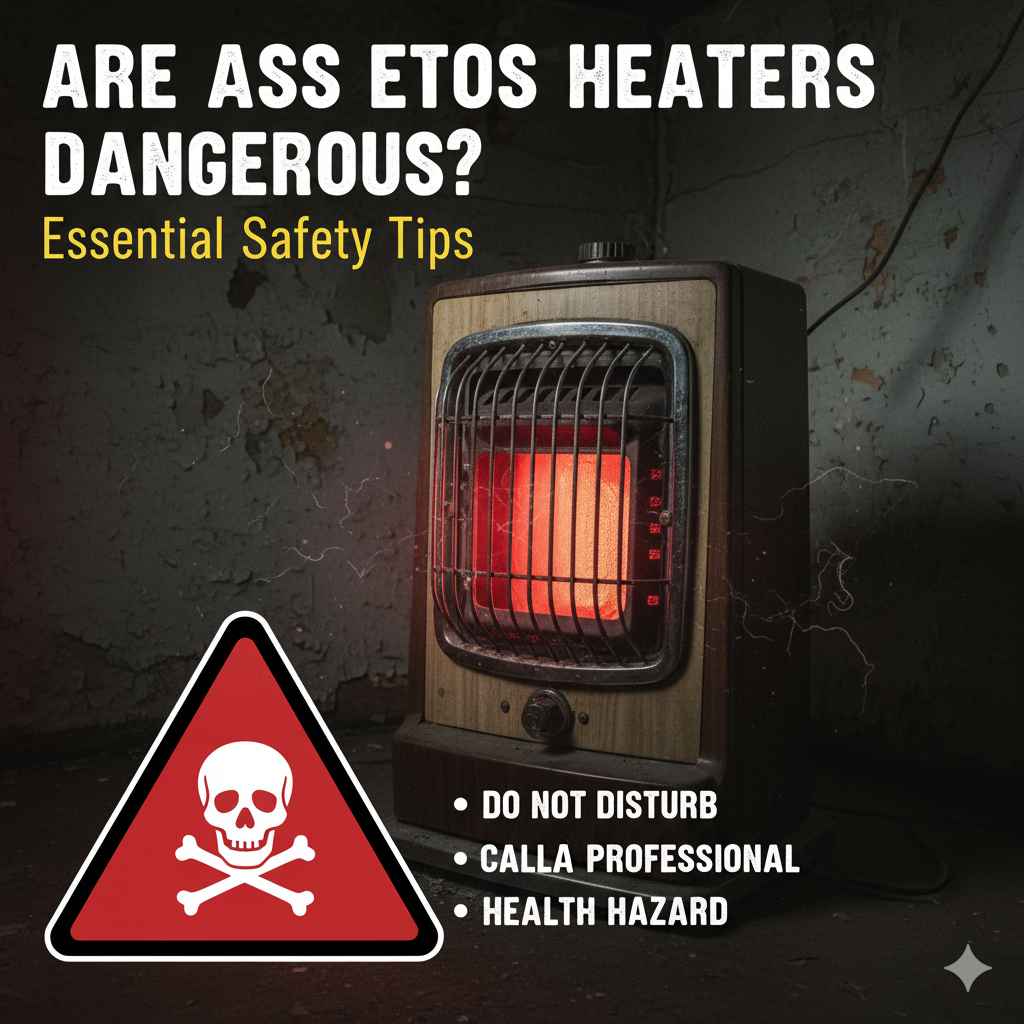
Are Asbestos Heaters Dangerous? Yes, They Can Be
Are Asbestos Heaters Dangerous? Yes, they can be. If disturbed, asbestos fibers can be released, posing serious health risks. This guide provides crucial safety tips for identifying and managing potential asbestos in your home’s heating system.
Worried about your home’s heating system, especially if it’s older? You’re not alone. Many homeowners wonder about the safety of older heating appliances and the materials they might contain. One of those historically used materials is asbestos. If you’ve heard that asbestos in heaters can be dangerous, you’re probably looking for clear answers and practical advice. This guide is here to help! We’ll break down what you need to know about asbestos and your heater in simple steps, so you can feel confident managing your home’s comfort and safety.
Understanding Asbestos in Home Heaters
Asbestos is a naturally occurring mineral that was once widely used in building materials because it’s strong, heat-resistant, and an excellent insulator. From the 1930s to the 1980s, it found its way into many parts of homes, including heating systems. Think of things like insulation wraps on pipes, gaskets, seals, and even components within older furnaces or boilers. Its ability to withstand high temperatures made it a popular choice for keeping heating equipment working efficiently and preventing fires.
Why Was Asbestos Used in Heaters?
Manufacturers loved asbestos for a few key reasons:
- Excellent Insulation: It stayed hot without breaking down, keeping heat where it belonged and improving efficiency.
- Fire Resistance: Its non-flammable nature made it a safe choice for components near flames or hot surfaces.
- Durability: Asbestos materials didn’t easily degrade, making them long-lasting.
- Affordability: At the time, it was a cost-effective material for manufacturing.
However, we now know that asbestos isn’t safe when its fibers become airborne. This is where the danger comes in, and it’s why understanding its presence in older heating systems is so important for your family’s health.

The Dangers of Asbestos Exposure
The real problem with asbestos isn’t the material itself when it’s intact and undisturbed. The danger arises when asbestos-containing materials (ACMs) become damaged, deteriorated, or disturbed. When this happens, tiny, sharp asbestos fibers can be released into the air. If these fibers are inhaled, they can lodge deep in the lungs and other tissues. Over time, this can lead to serious and life-threatening diseases.
These diseases don’t usually show up right away. They can take many years, even decades, to develop after exposure. The main health concerns linked to asbestos inhalation include:
- Asbestosis: A chronic lung disease that causes scarring of lung tissue, leading to shortness of breath and persistent cough.
- Mesothelioma: A rare cancer that affects the lining of the lungs, chest, abdomen, or heart. It is almost exclusively caused by asbestos exposure.
- Lung Cancer: Asbestos exposure significantly increases the risk of developing lung cancer, especially when combined with smoking.
- Other Cancers: Some studies suggest links to other cancers, such as those of the larynx and ovaries.
Because heating systems produce airflow, any disturbed asbestos fibers near them can easily spread throughout your home, making potential exposure much wider. This is why identifying and safely managing asbestos in your heating system is a top priority for homeowners.
Identifying Potential Asbestos in Your Heating System
Spotting asbestos can be tricky because it often looks like many other common building materials. Generally, if your heating system was installed before the 1980s, there’s a higher chance it might contain asbestos. You’ll often find it in:
- Insulation: This could be on pipes, ducts, the boiler itself, or even surrounding the furnace. It might look like a gray-brown wrap, a powdery substance, or hard, cement-like material.
- Gaskets and Seals: Older furnaces and boilers often used asbestos gaskets to create airtight seals around doors or access panels. These might be brittle or crumbly.
- Cement Boards and Panels: Some older heating systems used asbestos-cement boards for heat shielding or structural components.
- Duct Wrap: Flexible insulation wrapped around metal air ducts.
- Furnace Cement: Used to seal joints and cracks in furnace components.
Important Note: Never try to test for asbestos yourself by scraping or breaking suspected materials. This is the most dangerous thing you can do, as it releases fibers into the air. The only way to be certain is through professional testing.
When to Suspect Asbestos in Your Heater
You should be particularly suspicious if you notice any of the following signs with your older heating system:
- Materials that look like they are crumbling, turning to powder, or feel very brittle to the touch (even without touching them).
- Distressed or damaged insulation around pipes or the unit itself.
- Any recent renovation or repair work that may have disturbed older parts of the heating system.
If you see these signs, it’s best to stay away from the area and consider professional inspection.
The Crucial Step: Professional Testing
Because of the significant health risks, the most important advice I can give is: do not attempt to identify asbestos yourself by disturbing the material. The safest approach is to assume that any old, suspicious material could contain asbestos and to leave it untouched until it can be tested by a qualified professional.
Here’s how professional testing works:
- Contact a Certified Asbestos Inspector: Look for licensed professionals in your area. They have the expertise and equipment to safely take samples. Websites like the U.S. Environmental Protection Agency (EPA) offer guidance on finding certified professionals.
- Safe Sampling: The inspector will visit your home and carefully take small samples of suspected materials using special tools and containment procedures to prevent fiber release.
- Laboratory Analysis: These samples are then sent to an accredited laboratory for analysis. The lab uses specialized microscopes to determine if asbestos is present and, if so, what type and concentration.
- Report and Recommendations: You will receive a report detailing the findings. If asbestos is confirmed, the report will often include recommendations for managing or removing it.
DIY asbestos test kits exist, but they are generally not recommended for homeowners. The process of taking the sample yourself can still release fibers, and interpreting the results can be difficult without expert knowledge. Professional testing is the safest and most reliable option.
Safety Tips for Asbestos-Containing Heaters
If testing confirms that your heating system contains asbestos, don’t panic! Living with intact asbestos-containing materials (ACMs) is often safer than attempting to remove them without proper expertise. The key is to manage them safely. Here are essential safety tips:
1. Leave Intact Materials Alone
If the asbestos material is in good condition – not crumbling, not damaged, and not easily disturbed – the best course of action is often to leave it in place. Asbestos fibers are only dangerous when they become airborne. Intact materials are contained and pose little to no risk.
2. Avoid Disturbing Suspect Materials
This is the golden rule. Never:
- Scrape, sand, drill, or break asbestos-containing materials.
- Sweep or vacuum materials that might contain asbestos (use a HEPA-filtered vacuum only if recommended by a professional for specific cleanup).
- Climb on or place items on top of asbestos insulation.
- Allow children or pets to play near suspect areas.
3. Monitor Condition Regularly
If you have confirmed ACMs in your heating system, keep an eye on their condition periodically. Look for any signs of wear and tear, such as:
- Cracking or fraying
- Delamination (layers separating)
- Powdering or crumbling
- Water damage
If you notice any changes, contact an asbestos abatement professional immediately. You can find resources and guidance on monitoring from organizations like the Occupational Safety and Health Administration (OSHA).
4. Control Airflow
Your heating system circulates air throughout your home. If asbestos fibers are present and disturbed, they can spread quickly. If you have confirmed asbestos in your heater, consider limiting the use of your heating system, especially if you suspect damage. Running fans or air purifiers might spread fibers further if the source is not contained. Always consult with a professional on how to best manage airflow.
5. Seal and Enclose (If Recommended)
In some cases, professionals might recommend encapsulating or enclosing damaged asbestos materials. Encapsulation involves applying a sealant that binds the fibers together, preventing them from becoming airborne. Enclosure involves covering the material with a protective barrier, like a metal wrap or new insulation. These are temporary measures and should only be performed by trained professionals.
6. Professional Removal (Abatement)
When asbestos materials are significantly damaged, deteriorating, or pose an immediate risk, removal (abatement) is often the safest long-term solution. This is a complex and regulated process that should ONLY be performed by licensed asbestos abatement contractors.
The removal process typically involves:
- Setting up containment barriers to prevent fiber spread to other parts of the house.
- Using specialized negative air pressure machines with HEPA filters.
- Carefully removing the asbestos materials.
- Cleaning the area thoroughly.
- Disposing of the asbestos waste following strict regulations.
- Conducting air monitoring to ensure the area is safe before removing containment.
This process can be expensive, but it is crucial for health and safety if removal is necessary.
When to Consider Replacing Your Heating System
Beyond asbestos concerns, older heating systems can become inefficient, unreliable, and costly to maintain. If your furnace or boiler is several decades old, even if it doesn’t contain asbestos, you might be considering a replacement. This can be a great opportunity to upgrade to a newer, more energy-efficient system that is completely asbestos-free.
Factors that might push you towards replacement:
- Age of the System: Most furnaces and boilers typically last 15-30 years.
- Frequent Repairs: If you’re constantly calling for repairs, replacement might be more cost-effective.
- Declining Efficiency: Older systems use more energy to produce the same amount of heat, costing you more on utility bills.
- Concerns about Safety: Even without asbestos, older systems can pose other risks.
- Environmental Concerns: Newer systems are often more environmentally friendly.
When choosing a new heating system, ensure you are working with reputable installers who can advise you on the latest, safest, and most energy-efficient options available. They will also be able to properly remove and dispose of your old system, ensuring no residual asbestos concerns remain.
Cost of Asbestos Testing and Removal
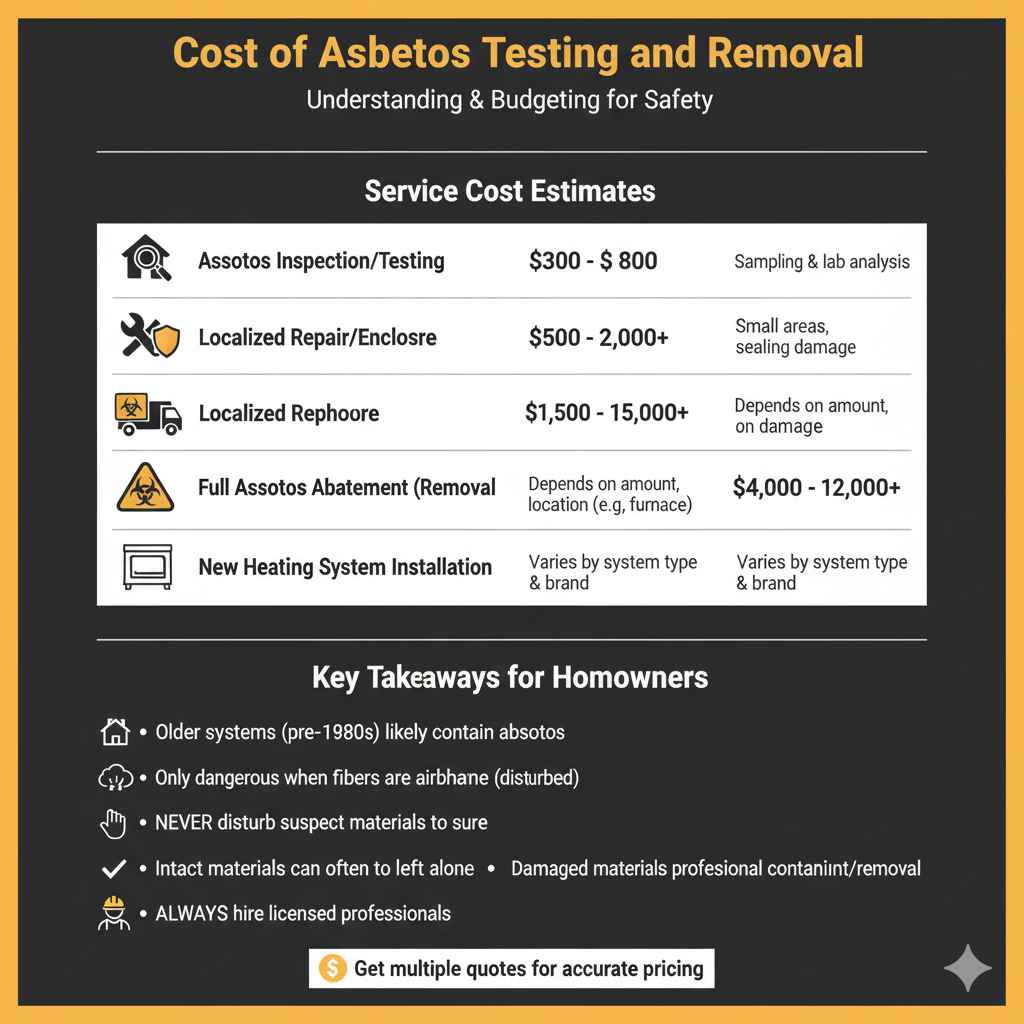
Understanding the potential costs involved can help you budget and plan. These figures are approximate and can vary significantly based on your location, the accessibility of the material, and the extent of the problem.
Here’s a general idea:
| Service | Typical Cost Range | Notes |
|---|---|---|
| Asbestos Inspection/Testing | $300 – $800 | Includes sampling and lab analysis for a typical home. |
| Localized Asbestos Repair/Enclosure | $500 – $2,000+ | For small areas or sealing minor damage. |
| Full Asbestos Abatement (Removal) | $1,500 – $15,000+ | Highly dependent on the amount of material, location (e.g., attic vs. furnace), and complexity. A full furnace removal can be at the higher end. |
| New Heating System Installation | $4,000 – $12,000+ | Cost varies greatly by system type (furnace, boiler, heat pump) and brand. |
It’s always best to get multiple quotes from licensed and reputable asbestos abatement professionals and HVAC installers for accurate pricing for your specific situation.
Key Takeaways for Homeowners
To wrap it up, here’s what’s most important to remember about asbestos and your heater:
- Older systems (pre-1980s) are more likely to contain asbestos.
- Asbestos is only dangerous when fibers become airborne (i.e., when disturbed).
- Never disturb suspect materials yourself.
- Professional testing is the only way to be sure.
- Intact materials can often be left alone.
- Damaged materials may require professional containment, enclosure, or removal (abatement).
- Always hire licensed professionals for testing and abatement.
Taking these steps will help ensure your home remains a safe and comfortable haven for your family.
Frequently Asked Questions (FAQ)
Q1: How do I know if my heater contains asbestos?
The best way to know for sure is to have a certified asbestos inspector test the materials. If your heating system was installed before the 1980s and has insulation, gaskets, or cement-board components that look old or damaged, it might contain asbestos. However, never assume or test yourself by disturbing suspect materials.
Q2: Is it safe to use my heater if I suspect it has asbestos?
If you suspect asbestos and the material appears damaged or disturbed, it’s best to avoid using the heater if possible and stay away from the immediate area. If the material is intact and in good condition, the risk is lower. However, for peace of mind and safety, we strongly recommend professional testing before using it extensively.
Q3: What should I do if I accidentally disturbed asbestos in my heater?
If you’ve accidentally disturbed material you suspect contains asbestos, leave the area immediately. Do not clean it up yourself. Close off the room if possible and call a licensed asbestos abatement professional. They can assess the situation, perform air testing, and advise on the necessary cleanup procedures to ensure your safety.
Q4: How often should asbestos materials in my heater be checked?
If asbestos-containing materials in your heating system are confirmed to be in good condition and are left in place, they usually only need to be visually monitored periodically by you for any signs of deterioration. You only need to re-test if the material becomes damaged or if you plan to undertake renovations that might disturb it. A professional inspection after damage occurs is essential.
Q5: Can asbestos from my heater spread to other parts of my house?
Yes, airborne asbestos fibers can spread throughout your home via the HVAC system’s airflow or by being tracked on shoes and clothing. This is why it’s crucial to manage any suspected asbestos safely and to have professional cleanup if fibers have been released.
Q6: Are newer heaters safe from asbestos?
Yes, asbestos has been banned for use in most building materials, including new heating equipment, in the United States since the late 1980s. Any heating system manufactured and installed recently should be free from asbestos.
Conclusion
Navigating the presence of asbestos in older home heating systems can feel daunting, but with the right knowledge and a commitment to safety, you can manage it effectively. Remember, the key danger lies in disturbed fibers, not in the material itself when it’s intact. Always prioritize professional testing and hiring licensed professionals for any abatement or repair work. By taking proactive steps and understanding the risks, you can ensure your home remains warm, comfortable, and most importantly, safe for everyone.