Should You Heat an Encapsulated Crawl Space? Find Out
Deciding Whether To Heat An Encapsulated Crawl Space
If you’ve ever inspected your crawl space, you know it can be damp, cold, and sometimes musty. This often leads to the question: should you add heat after encapsulating the space? It’s a common concern for homeowners trying to maintain comfort and protect their home’s structure.
Choosing the right approach isn’t always straightforward. Heating an encapsulated crawl space can improve comfort but may increase energy costs. On the other hand, leaving it unheated might save money but could risk moisture issues if not done properly. The balance between moisture control, insulation, and energy use adds complexity to the decision.
This article will help clarify the main factors you should consider when deciding about heating your encapsulated crawl space. It’s designed to guide you through the key points without overwhelming technical details.
What Matters Most When Considering Heating
Before you decide, focus on how your crawl space is sealed and insulated. Proper vapor barriers and moisture control are essential, whether you plan to heat the space or not. Without these, heating could cause more harm than good by trapping moisture and encouraging mold growth.
Think about your climate, the existing insulation, and how you use the space above. Each situation might call for a different approach, so understanding your home’s specific needs is important.
Common Misunderstandings About Crawl Space Heating
Many assume encapsulation alone solves moisture problems, but it’s only part of the solution. Adding heat doesn’t always mean better results if the space isn’t properly sealed. Also, heating a crawl space can increase costs without significant benefits if the home is already well insulated.
It’s easy to get caught up in technical specs or product claims. Instead, focus on the overall system and how components work together to maintain a dry, stable environment.
With these ideas in mind, let’s explore some products designed to help you encapsulate and manage your crawl space effectively. The options vary to fit different budgets and home setups, so you’ll find choices suited for your specific needs.
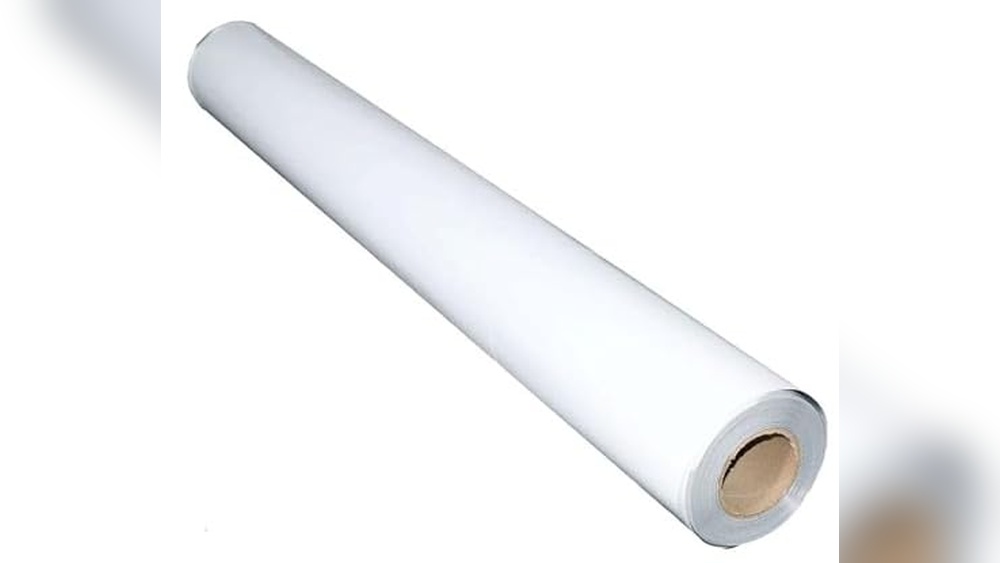
Trade Winds Crawl Space Vapor Barrier
Should You Heat a Encapsulated Crawl Space? This vapor barrier helps maintain a dry environment, essential for deciding on heating strategies.
This product is a heavy-duty 14 mil vapor barrier designed for crawl space encapsulation. It creates a solid, tear-resistant shield that blocks moisture, helping prevent mold and wood rot issues in damp crawl spaces or similar areas.
Installing this vapor barrier gives you confidence in reducing crawl space humidity. Its strength and reliable moisture block simplify maintenance and can improve the overall efficiency of your heating or cooling system when used in encapsulated spaces.
Key Benefits for Moisture Control
- Super heavy-duty 14 mil thickness prevents tears and punctures
- Woven polyethylene scrim adds industrial strength and durability
- Passes ASTM fire safety standards for building materials
- Zero water vapor permeability ensures effective moisture barrier
- Large 12’x100′ size covers extensive crawl space areas
- Suitable for various applications including attics and sheds
Considerations Before Buying
- Not a heating solution; it only controls moisture in crawl spaces
- Installation requires careful handling due to size and weight
- Does not come with additional sealing accessories or installation guides
When This Vapor Barrier Makes Sense
This vapor barrier is ideal if you want to improve crawl space conditions before deciding whether to add heat. It reduces moisture-related problems that can complicate heating decisions.
By installing it, you eliminate guesswork about dampness affecting your crawl space environment. A practical tip is to ensure the barrier is sealed properly at seams and edges for maximum effectiveness.
With this barrier, you gain peace of mind knowing your crawl space is protected from moisture damage, supporting long-term structural health and energy efficiency.
| Best for | Why |
|---|---|
| Homeowners sealing crawl spaces | Reduces moisture that can cause mold and wood decay |
| Renovators upgrading insulation | Provides a solid base for improved energy efficiency |
| Those assessing heating needs | Controls humidity, helping decide if heating is necessary |
| Users needing durable vapor barriers | Industrial strength prevents damage during installation |
Trade Winds White Vapor Barrier
Should You Heat a Encapsulated Crawl Space? This heavy-duty vapor barrier helps maintain moisture control and radon protection for encapsulated crawl spaces.
The Trade Winds White Vapor Barrier is designed to encapsulate crawl spaces, reducing moisture and radon gas infiltration. Its 14 mil thickness and industrial strength material provide a solid, tear-resistant moisture barrier that also passes fire safety standards. This product is ideal for maintaining a dry and safe environment under your home.
Using this vapor barrier gives confidence that your encapsulated crawl space will stay protected from dampness and radon without worry of tearing or degradation. Installation feels straightforward with a durable material that resists damage, making the process less stressful and more reliable over time.
Key Benefits for Crawl Space Encapsulation
- Super heavy-duty 14 mil thickness for lasting moisture protection
- Industrial strength woven polyethylene resists tears and rips
- Passes ASTM fire test ensuring material safety
- Zero water vapor permeability for effective vapor blocking
- Provides radon protection as part of encapsulation system
- Large coverage area of 6000 sqft supports whole crawl spaces
- White color helps visibility and inspection after installation
Considerations Before Buying
- Higher price point may not fit tight budgets
- Material thickness and strength require careful handling during installation
- Not a standalone heating solution; used with encapsulation systems only
When This Barrier Fits Best
This vapor barrier is perfect for homeowners or contractors encapsulating crawl spaces who want a robust moisture and radon barrier. It removes guesswork around durability and fire safety, helping reduce concerns about long-term damage.
For best results, ensure the crawl space is properly prepared and sealed before installing this barrier to maximize moisture control. Its industrial strength offers peace of mind against tears or punctures, keeping your space consistently dry and safe.
| Best for | Why |
|---|---|
| Encapsulated crawl spaces | Designed for comprehensive moisture and radon protection under homes |
| Heavy-duty vapor barriers | Thick 14 mil material resists tears and rips during installation |
| Fire-safe building materials | Passes ASTM fire test for safer indoor air quality |
| Large area coverage | 6000 sqft size fits most residential crawl space projects |
Understanding Vapor Barriers For Crawl Spaces
Vapor barriers are designed to limit moisture movement in crawl spaces, protecting structural elements from damage and preventing mold growth. When selecting a vapor barrier, consider the thickness, material durability, and coverage area. Thicker barriers tend to offer better puncture resistance, but may be less flexible during installation.
Key Factors To Consider Before Purchase
Material Strength and Durability
Look for vapor barriers made of heavy-duty polyethylene with woven scrim reinforcement. This ensures resistance against tears and punctures during installation and use.
Size and Coverage
Measure your crawl space accurately to choose a vapor barrier that provides sufficient coverage. Consider overlap needs and any obstacles in the space.
Fire Safety Compliance
Check if the product passes relevant fire safety standards to ensure it meets building codes and provides added security.
Breathability and Moisture Control
A vapor barrier should have very low permeability (close to 0.0 perms) to effectively block water vapor transmission while preventing condensation issues.
Common Installation Challenges
Proper installation is crucial for vapor barriers to function effectively. Common challenges include:
- Ensuring a tight seal around foundation walls and piers
- Handling large sheets without damaging the material
- Overlapping seams correctly to prevent moisture intrusion
Planning the installation process and preparing the crawl space beforehand can reduce these issues.
Frequently Asked Questions
How thick should a crawl space vapor barrier be?
A thickness of 12 to 14 mil is typically recommended for crawl space vapor barriers to balance durability with ease of handling.
Can I install a vapor barrier myself?
Yes, with proper preparation and tools, DIY installation is possible. However, careful sealing and overlap are essential for effectiveness.
Does a vapor barrier prevent radon gas?
While vapor barriers can help reduce radon infiltration, they should be part of a broader radon mitigation strategy for full protection.
How long do vapor barriers usually last?
High-quality vapor barriers can last many years if installed correctly and protected from physical damage.
Are all vapor barriers white?
Many vapor barriers are white or clear, but color does not impact function. Choose based on visibility preferences and product specifications.
Final Considerations
When selecting a crawl space vapor barrier, prioritize quality materials and proper sizing for your space. Understanding your specific moisture control needs will help you choose a product that provides long-term protection. Taking time to plan the installation can minimize common issues and ensure effective performance.