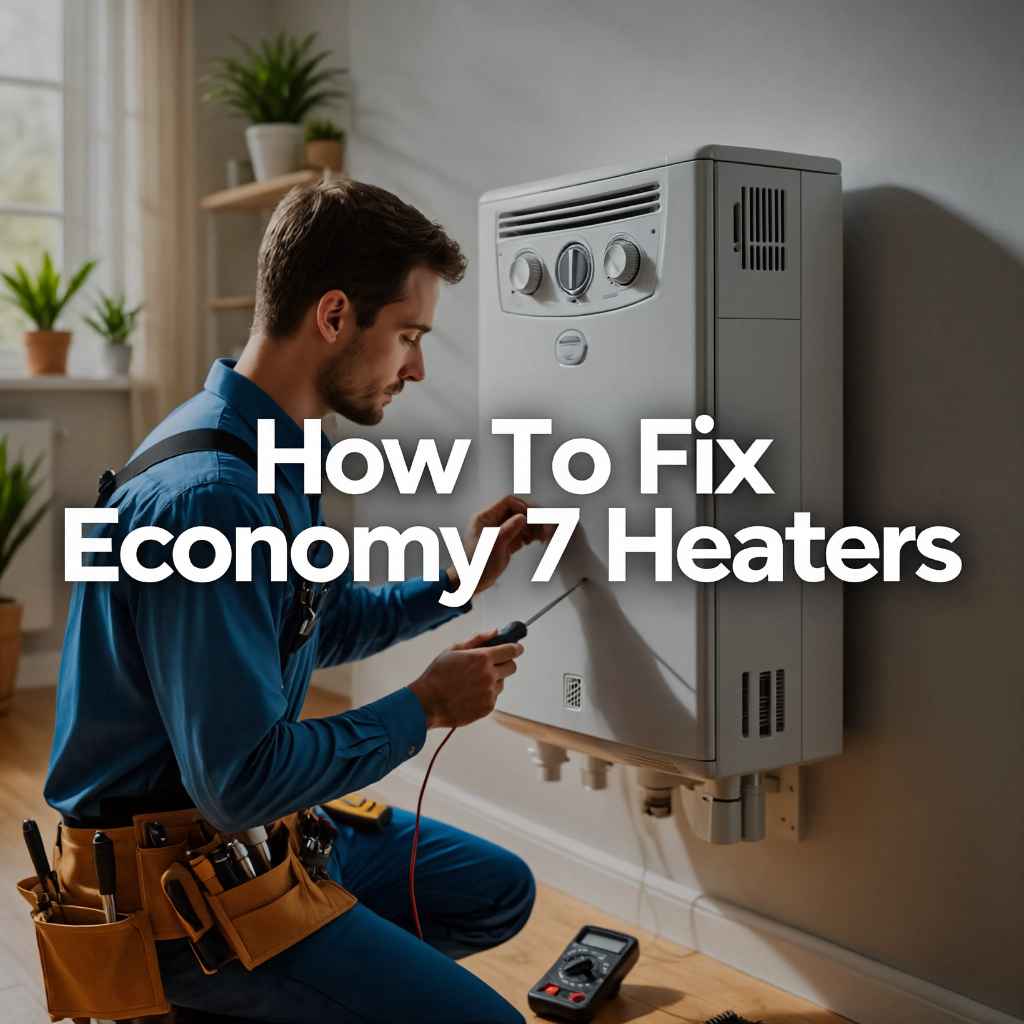
How To Fix Economy 7 Heaters
Economy 7 heaters are great for saving money on electricity. They store heat when power is cheaper at night and release it during the day. But sometimes, they don’t work right, and figuring out why can feel tricky, especially if you’re new to home repairs.
For a related repair path, How to Fix a Heater Core Properly can help readers narrow down the next troubleshooting step.
Many people wonder, “How to Fix Economy 7 Heaters” when they stop heating properly. Don’t worry, it’s usually not as hard as you think. We’ll walk through simple steps to get your heater working again.
Understanding Economy 7 Heater Problems
Economy 7 heaters are designed to utilize off-peak electricity rates, typically overnight. This allows them to store heat in materials like ceramic bricks. When daytime electricity rates are higher, the stored heat is then released into the room. This system relies on a timer and a thermostat to manage the heating cycle. Common issues arise when this delicate balance is disrupted.
This section will help you identify the symptoms of a malfunctioning heater and understand the basic principles behind its operation. This knowledge is the first step in knowing how to fix Economy 7 heaters.
What Is Economy 7 and How Does It Work
Economy 7 is an electricity tariff that offers lower prices for electricity used during specific off-peak hours, usually for a seven-hour period overnight. This system is ideal for storage heaters, which absorb heat from the electricity during these cheaper hours and then release it gradually throughout the day. The heater typically has an input control to manage how much heat is stored and an output control (thermostat) to regulate the room temperature.
A key component of the Economy 7 system is the timer. This timer, often located in your fuse box or as a separate unit, signals the heater when to start and stop charging. It is usually controlled by your electricity supplier’s meters. If the timer isn’t set correctly or malfunctions, the heater won’t charge when it should. This means no heat will be available during the day, even if the heater itself is working fine.
Signs Your Economy 7 Heater Needs Fixing
Several signs indicate your Economy 7 heater might not be working correctly. The most obvious is that the heater isn’t producing any heat during the day, or it’s not getting warm at all overnight when it’s supposed to be charging. You might also notice that the heater feels cold to the touch even when it should be hot. Some heaters make unusual noises, like humming or clicking, that weren’t there before.
Another common problem is that the heater gets too hot, overheating the room, or it doesn’t get hot enough to warm the space effectively. If your heater has a fan, you might notice the fan isn’t blowing hot air, or it’s blowing cold air. If you see scorch marks or smell burning odors, turn off the heater immediately and do not use it. These are clear warnings that something is seriously wrong and requires attention.
Common Causes of Economy 7 Heater Failure
Many things can cause an Economy 7 heater to stop working. One frequent culprit is a faulty thermostat. The thermostat regulates the heat output, and if it’s broken, it might not tell the heater to heat up or cool down properly. Another common issue is problems with the timer. If the timer isn’t switched on or is malfunctioning, the heater won’t receive power during the off-peak hours, meaning it won’t store any heat.
The heating elements inside the heater can also fail. These elements are what actually generate the heat. Over time, they can degrade or break, stopping the heater from working. Connection issues are another possibility. Loose wires or damaged connections can interrupt the flow of electricity to the heater or its internal components. Sometimes, the problem is as simple as a blown fuse or tripped circuit breaker.
Troubleshooting Basic Economy 7 Heater Issues
Before calling a professional, there are several simple checks you can perform to try and fix your Economy 7 heater. These steps involve looking at the power supply, checking the timer settings, and examining the heater’s controls. Often, a common problem can be resolved with these basic troubleshooting steps, saving you time and money. Knowing how to fix Economy 7 heaters yourself starts with these foundational checks.
Checking The Power Supply And Fuses
The very first thing to check is whether your heater is actually receiving power. Look at your fuse box or consumer unit. Find the circuit breaker that controls your Economy 7 heater. If it has tripped, it will be in a different position than the other switches. Simply flip it back to the “on” position. If it trips again immediately, there might be a more serious electrical fault, and you should not reset it again.
Also, check any fuses associated with the heater. Some older Economy 7 heaters might have a fuse within the unit itself or on the plug if it’s a portable model. Carefully remove the fuse and inspect it. If the metal wire inside is broken or looks burnt, the fuse needs replacing. Always use a fuse with the correct rating as specified in your heater’s manual.
Understanding And Adjusting The Timer
The timer is crucial for Economy 7 heaters. It tells the heater when to charge. Most timers are located near your electricity meter. They usually have an “auto” setting, a “manual” setting, and sometimes an override or boost setting. Make sure the timer is set to “auto” so it works with the off-peak electricity times provided by your supplier.
If your timer has manual controls, ensure they are set correctly for when you want the heater to charge. Some timers can be programmed with specific times. Consult your timer’s manual to understand how to set it. If you suspect the timer itself is faulty, you might need to have it repaired or replaced. This is often a job for a qualified electrician.
Examining The Heater’s Controls
Economy 7 heaters have several controls on them. There’s usually an input control, which determines how much heat the heater stores. This is often a dial or slider. If this is set too low, the heater won’t store enough heat for the day. You can try turning this up to see if it makes a difference.
There’s also an output control or thermostat. This regulates the heat released into the room. If this is set too low, the heater will stop emitting heat even if it has stored plenty. Try turning the thermostat up to a higher setting. Be cautious not to set it too high, which could make the room uncomfortably warm or even cause overheating.
Deeper Dive Into Fixing Economy 7 Heaters
If the basic checks don’t solve the problem, you might need to look at more involved solutions. This involves understanding the internal components of the heater and how they might fail. Knowing how to fix Economy 7 heaters at this level often requires more technical knowledge or the help of a specialist.
Identifying Faulty Heating Elements
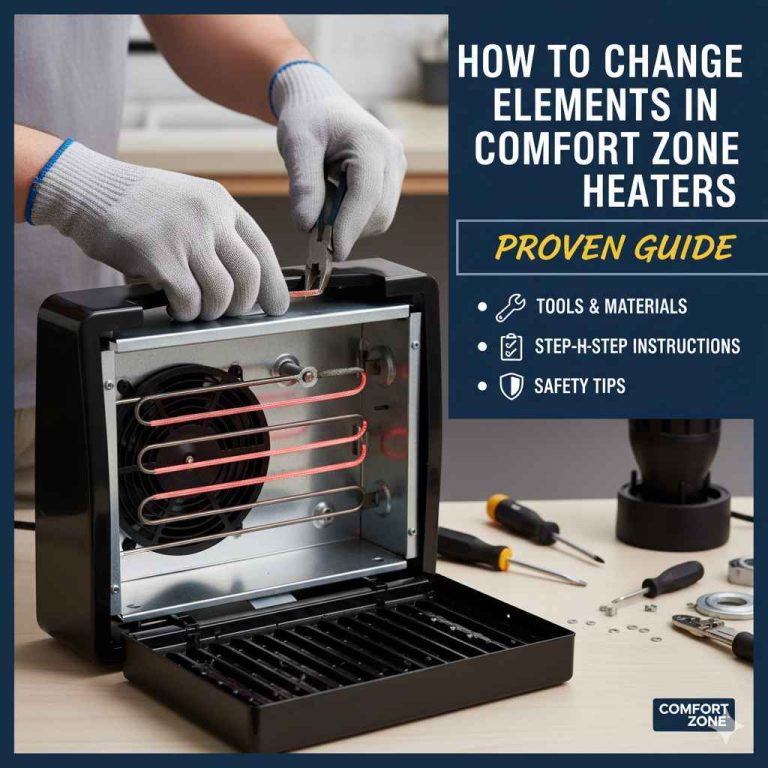
The heating elements are the heart of the storage heater. They are long rods that heat up when electricity passes through them. Over time, these elements can burn out or break. If one or more elements have failed, the heater won’t store enough heat, or any heat at all.
To check the elements, you would typically need to remove the outer casing of the heater. This should only be done if you are comfortable with electrical work and have the correct tools. You would then look for visible signs of damage, such as discoloration or breaks in the element. Testing the continuity of the elements with a multimeter is the most reliable way to determine if they are working. If an element is faulty, it will need to be replaced.
Troubleshooting The Thermostat And Safety Cut-out
The thermostat controls how much heat is released into the room. It also works with a safety cut-out, which is a device that prevents the heater from overheating. If the thermostat is faulty, it might not signal the heater to release heat, or it might cause it to overheat. The safety cut-out, if it has tripped, will prevent the heater from working altogether until it is reset.
To test the thermostat, you can try turning it to different settings. If you don’t notice any change in heat output, it might be faulty. The safety cut-out is often a small button that you can press to reset it. Consult your heater’s manual for its exact location. If the cut-out trips repeatedly, it suggests there’s an underlying problem causing the heater to overheat, and this needs to be addressed.
Repairing Or Replacing The Fan Unit (If Applicable)
Some Economy 7 heaters have a fan to help distribute the stored heat more quickly and evenly. If the fan isn’t working, the heater might still store heat, but it won’t be released effectively. You might hear the fan motor humming, but no air is moving, or the fan might not make any noise at all.
If the fan unit is faulty, it might be possible to repair it by cleaning away any dust or debris that is obstructing its blades. In many cases, however, the fan motor itself may have failed and will need to be replaced. This is a more complex repair and usually requires a qualified technician.
Dealing With Wiring And Connection Issues
Loose or damaged wiring can be a common cause of heater failure. Over time, vibrations or heat can cause electrical connections to loosen. This can interrupt the flow of electricity to the heater’s components or even pose a fire risk.
When inspecting the wiring, look for any signs of scorching, melting, or frayed wires. Ensure all connections are secure. If you find any loose wires, carefully tighten them. However, if you are not experienced with electrical wiring, it is highly recommended to call a qualified electrician. Incorrectly handled wiring can be dangerous.
Advanced Troubleshooting And Maintenance
For those who are comfortable with more detailed work, there are advanced steps that can be taken. Regular maintenance can also prevent issues before they occur. Understanding these aspects is key to long-term successful operation of your Economy 7 heaters.
The Role Of The Boost Function
Many Economy 7 heaters have a “boost” function. This allows you to manually heat the room using direct electricity, bypassing the off-peak charging cycle. This is useful for quickly warming a room if the stored heat isn’t enough. If the boost function isn’t working, it could indicate a problem with the timer, the wiring to the boost element, or the element itself.
The boost function usually operates independently of the main storage heating system. It draws power directly from the mains supply. If it’s not working, it’s worth checking the separate fuse or circuit breaker that might control this function, if one exists. Sometimes, a faulty switch or a loose connection related to the boost function can be the cause.
Internal Components And Their Lifespans
Each component within an Economy 7 heater has a lifespan. Heating elements, thermostats, and fan motors are all subject to wear and tear. Heating elements can last many years, but eventually, they will degrade. Thermostats can become less accurate over time, and fan motors can fail due to bearing wear.
Understanding the typical lifespan of these parts can help you anticipate potential problems. For instance, if your heater is over 10-15 years old, it’s more likely to experience issues with its internal components. Proactive replacement of older parts, especially heating elements that are showing signs of wear, can prevent a complete system failure.
Regular Maintenance Tips For Longevity
Regular cleaning is essential for keeping your Economy 7 heaters in good working order. Dust and debris can accumulate inside the heater, especially around the fan and air vents. This can reduce efficiency and cause the heater to overheat.
Wipe down the exterior of the heater regularly with a damp cloth. Periodically, you might need to remove the outer casing to clean out dust from the internal components. Ensure the heater is turned off and unplugged before performing any internal cleaning. Check that vents are not blocked by furniture or curtains, as this restricts airflow and reduces performance.
When To Call A Professional Electrician
There are several situations where calling a professional electrician is the safest and most effective course of action. If you’ve tried the basic troubleshooting steps and your heater is still not working, it’s time to seek expert help.
If you suspect a fault with the main wiring, the timer unit, or any of the internal electrical components like heating elements or thermostats, an electrician has the tools and expertise to diagnose and fix the problem safely. They can also advise on whether a repair is cost-effective compared to replacing the unit. For any issues involving the main power supply or if you see signs of burning or smell electrical odors, do not attempt to fix it yourself.
Real-Life Scenarios And Solutions
Let’s look at some common situations people face with their Economy 7 heaters and how they were resolved. These examples show how understanding the system can lead to a quick fix.
Scenario 1: No Heat During The Day
Mrs. Davies noticed her living room heater wasn’t warm at all during the day. She checked the timer and saw it was set to manual and had been accidentally switched off. After setting it to auto and ensuring the charging period was active, the heater started storing heat overnight and was warm the next day.
Scenario 2: Heater Is Too Hot
Mr. Chen’s bedroom heater was constantly making the room uncomfortably hot. He realized the thermostat control on the heater was set to its highest setting. He turned it down, and the heater now maintains a comfortable temperature, releasing heat appropriately.
Scenario 3: Strange Noise From The Heater
The Miller family heard a loud buzzing noise coming from their storage heater. They unplugged it and, after waiting a few minutes, plugged it back in. The noise stopped, and the heater began working correctly. It seemed like a minor electrical glitch that a reset cleared.
DIY vs Professional Repairs
Not sure whether to fix it yourself or call an electrician? Here’s a quick guide.
Safe DIY Tasks (No Electrician Needed)
- Check and reset circuit breakers
- Replace blown fuses (£2-£5)
- Adjust timer settings to “auto”
- Turn input/output controls up or down
- Clean dust from vents and exterior
- Press the safety cut-out reset button
Time required: 5-30 minutes per task
Call a Professional For:
- Heating element replacement (£130-£250 parts + labour)
- Thermostat replacement (£100-£180)
- Any wiring repairs or loose connections
- Fan motor issues (£150-£280)
- Timer unit replacement (£120-£200)
- Any burning smell or scorch marks
- Repeated safety cut-out tripping
Key rule: If you smell burning or see scorch marks — always call a qualified electrician.
Frequently Asked Questions
Question: How do I know if my Economy 7 heater is charging at night
Answer: You can check if your heater is charging by feeling it during the off-peak hours. It should feel warm or hot to the touch. Some models also have an indicator light that shows when it is actively heating.
Question: Can I use an extension cord with my Economy 7 heater
Answer: It is strongly advised not to use extension cords with storage heaters. They draw a significant amount of power, and using an extension cord can be a fire hazard and may not be able to handle the electrical load safely.
Question: My heater is making a loud bang noise what should I do
Answer: A loud bang noise could indicate a serious issue, possibly with a heating element or a safety mechanism. Turn off the power to the heater at the fuse box immediately and call a qualified electrician to inspect it.
Question: How often should I have my Economy 7 heaters serviced
Answer: It is generally recommended to have your Economy 7 heaters serviced by a professional at least once every two years to ensure they are running efficiently and safely.
Question: What if my Economy 7 tariff times change
Answer: If your Economy 7 tariff times change, you will need to ensure your timer unit is reprogrammed to reflect these new times. Your electricity provider can usually assist with this or advise you on how to do it yourself.
Question: How much does it cost to fix an Economy 7 heater
Answer: Simple fixes like resetting the timer or replacing a fuse are free or under £10. Replacing a heating element costs £130-£250 for parts plus £80-£150 for an electrician. A full heater replacement costs £400-£1,200.
Question: Can I fix an Economy 7 heater myself
Answer: Basic troubleshooting like checking fuses, adjusting the timer, and cleaning vents are safe DIY tasks. Any work involving internal electrical components or wiring should be done by a qualified electrician.
Question: How long do Economy 7 heaters last
Answer: Economy 7 storage heaters typically last 15-20 years with proper maintenance. Heating elements may need replacement every 10-15 years.
Question: How much does it cost to fix an Economy 7 heater
Answer: Simple fixes like resetting the timer or replacing a fuse are free or under £10. Replacing a heating element costs £130-£250 for parts plus £80-£150 for an electrician. A full heater replacement costs £400-£1,200.
Question: Can I fix an Economy 7 heater myself
Answer: Basic troubleshooting like checking fuses, adjusting the timer, and cleaning vents are safe DIY tasks. Any work involving internal electrical components or wiring should be done by a qualified electrician.
Question: How long do Economy 7 heaters last
Answer: Economy 7 storage heaters typically last 15-20 years with proper maintenance. Heating elements may need replacement every 10-15 years.
Quick Troubleshooting Checklist
Problem: No heat at all during the day
- □ Check circuit breaker — reset if tripped
- □ Check fuses — replace if blown (£2-£5)
- □ Verify timer is set to “auto”
- □ Check input control is not at zero
- □ Check output thermostat is turned up
- □ Feel the heater overnight — is it warming up?
Problem: Heater too hot / overheating
- □ Turn down output thermostat
- □ Check if vents are blocked by furniture
- □ Clean dust from internal components
- □ Reset safety cut-out if tripped
- □ If overheating persists, call electrician
Problem: Strange noises from heater
- □ Turn off and unplug for 5 minutes
- □ Check for loose panels or covers
- □ Clean fan blades if applicable
- □ If noise persists, call electrician
Problem: Fan not working
- □ Check if fan switch is turned on
- □ Clean dust from fan blades
- □ Listen for motor humming
- □ If motor is silent, it may need replacement
Summary
Fixing your Economy 7 heater often involves simple checks like looking at fuses and timer settings. You can also adjust controls and clean vents. For more complex issues like faulty elements or wiring, a professional is your best bet.
By following these steps, you can get your heater working again and enjoy warmth and savings.