How to Calculate Heated Space: Genius Affordable Guide
Calculating heated space is essential for selecting the right heater size and improving energy efficiency. To find your heated space, simply measure the length and width of each room you plan to heat, then multiply these for the square footage. Sum up the square footage for all rooms to get your total heated area. This simple calculation helps ensure comfort without wasted energy.
Ever felt like your heater just isn’t quite cutting it, or maybe it’s running all the time without making your home cozy? It’s a common puzzle, and often, the root of the problem is knowing exactly how much space you need to heat. Getting this number wrong can lead to discomfort, higher energy bills, and even wear and tear on your heating system. But don’t worry! Figuring out your heated space is simpler than you might think, and it’s the first smart step towards a warmer, more affordable home. This guide will walk you through it easily, so you can make informed choices about your heating.
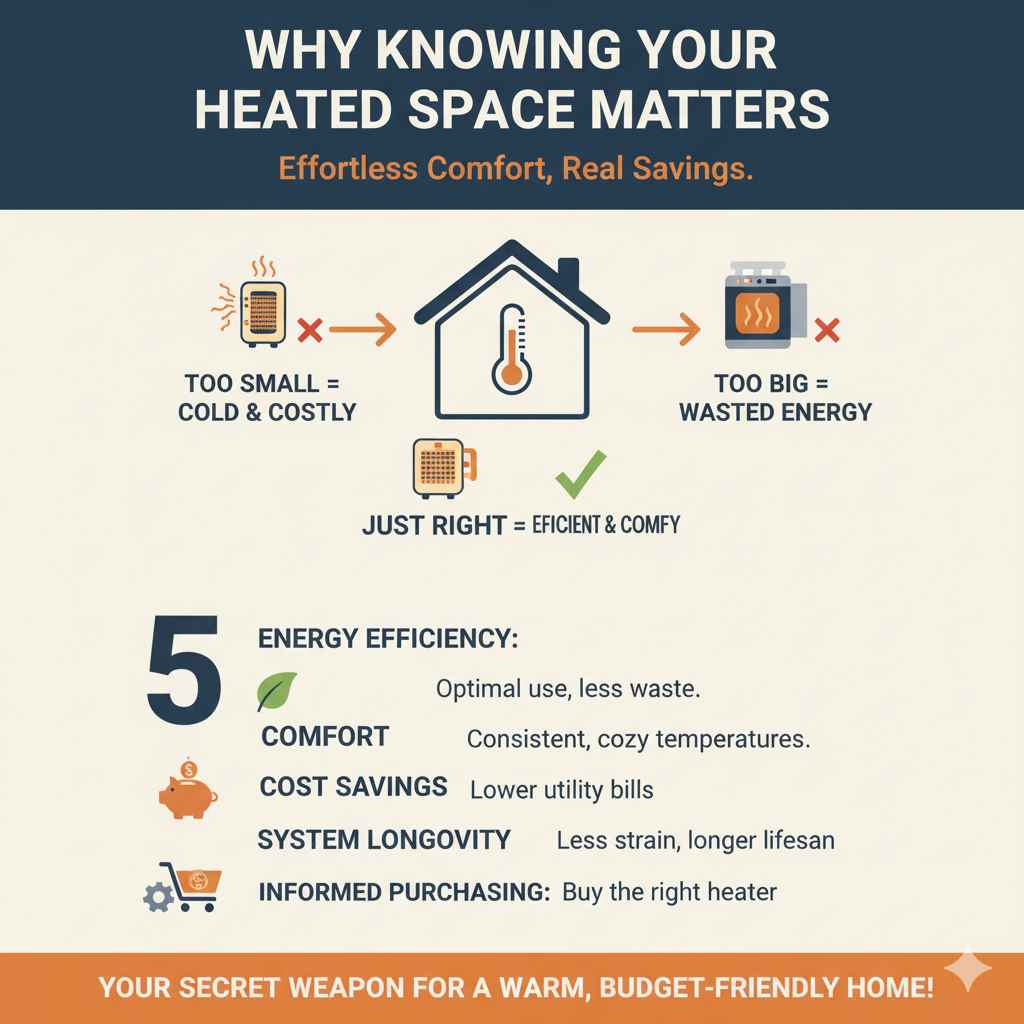
Why Knowing Your Heated Space Matters
Understanding the square footage of the areas you want to warm is the cornerstone of efficient and effective home heating. It’s not just about picking a heater; it’s about picking the right heater. Think of it like buying shoes – you wouldn’t buy a size 10 if you wear a size 8, right? The same applies to heating. A heater that’s too small will struggle to keep up, running constantly and still leaving you chilly. On the flip side, an oversized heater can lead to frequent on-off cycles, uneven heating, and wasted energy, which means higher utility bills.
Furthermore, knowing your heated space helps in several other ways:
- Energy Efficiency: Matching your heater to your space prevents it from overworking or underworking, leading to optimal energy use.
- Comfort: The right-sized heater provides consistent and comfortable temperatures throughout your intended living areas.
- Cost Savings: By avoiding energy waste, you’ll see a positive impact on your monthly energy bills.
- System Longevity: A properly sized heater experiences less strain, potentially extending its lifespan.
- Informed Purchasing Decisions: Whether you’re buying a portable heater, a central heating system, or even looking at insulation upgrades, this number is key.
This calculation is your secret weapon for a warm, comfortable, and budget-friendly home. Let’s dive into how to get this all-important number.
How to Measure Your Heated Space: A Step-by-Step Guide
Calculating your heated space is primarily about finding the square footage of the rooms you intend to heat. It’s a straightforward process that requires just a few basic tools and a little bit of time. We’ll break it down into simple, manageable steps.
Step 1: Gather Your Tools
Before you start measuring, make sure you have what you need. This keeps the process smooth and avoids interruptions.
- Measuring Tape: A standard retractable measuring tape (15-25 feet is usually sufficient for most rooms).
- Pen and Paper (or a Digital Note-Taking App): To record your measurements.
- Calculator: For the multiplication, though you can also do this on your smartphone.
- A Helper (Optional but Recommended): An extra pair of hands can make holding the tape measure much easier, especially for longer walls.
Step 2: Identify the Areas to Heat
Decide which rooms or spaces you want to include in your heated square footage calculation. This might be the entire house, or perhaps just specific zones you use more often during colder months. For example, you might decide to only heat your main living area, bedrooms, and kitchen, while keeping less-used spaces like a formal dining room or guest bedroom cooler.
Step 3: Measure Each Room
For each room you’ve decided to heat, measure its length and width. Here’s how:
- Measure the Walls: Stand at one end of a wall and extend the measuring tape to the opposite wall. Make sure the tape is straight and level. Record this measurement.
- Measure the Adjacent Wall: Do the same for the perpendicular wall.
- Handle Irregular Shapes: If a room isn’t a perfect rectangle, break it down into smaller rectangular or square sections. Measure each section individually and then add their areas together. For example, a room with an L-shaped section can be measured as two separate rectangles.
Pro Tip: Most people measure in feet. If your walls are measured in inches, remember that there are 12 inches in a foot. So, 108 inches would be 9 feet (108 ÷ 12 = 9).
Step 4: Calculate the Square Footage of Each Room
Once you have the length and width of a room (or a section of an irregularly shaped room), you can calculate its square footage. This is done by multiplying the length by the width.
Formula: Square Footage = Length × Width
For example, if a room is 12 feet long and 10 feet wide, its square footage is 12 feet × 10 feet = 120 square feet.
Step 5: Sum the Square Footage of All Heated Rooms
After calculating the square footage for each individual room you want to heat, the final step is to add all these numbers together. This grand total will give you the total heated space in your home, expressed in square feet.
Example:
- Living Room: 15 ft × 20 ft = 300 sq ft
- Kitchen: 10 ft × 12 ft = 120 sq ft
- Master Bedroom: 12 ft × 14 ft = 168 sq ft
- Second Bedroom: 10 ft × 10 ft = 100 sq ft
- Total Heated Space: 300 + 120 + 168 + 100 = 688 sq ft
If your home has multiple stories, repeat this process for each floor and then add the totals together for your entire home’s heated square footage.
Considerations for More Accurate Calculations
While the basic length x width calculation is a great starting point, a few additional factors can refine your heated space calculation for even better results. These considerations help account for real-world conditions that affect heating needs.
Ceiling Height
Most heater sizing guides use standard ceiling heights (typically 8 feet). If your rooms have significantly higher ceilings, you’ll have more air volume to heat. While standard square footage often suffices for initial estimates, very high ceilings (e.g., 10 feet or more) might mean you need a slightly more powerful heater than the square footage alone suggests. For most residential applications, sticking to the square footage calculation is perfectly adequate.
Insulation Levels
The quality of your home’s insulation plays a huge role in how much heat it retains. A well-insulated home will require less heating power than a poorly insulated one of the same size. While you don’t directly measure insulation for the heated space calculation, be aware that if you have poor insulation, you might need to oversize slightly or focus on improving insulation for greater efficiency. Resources from the U.S. Department of Energy’s Energy Star program offer excellent insights into insulation types and their benefits: Energy Star Insulation Guide.
Windows and Doors
The number, size, and type of windows and doors can impact heat loss. A room with many large, single-pane windows will lose heat more quickly than a room with fewer, double-pane windows. If you have a room with significant glass exposure, consider it a factor. For very precise calculations, especially when choosing a central heating system, a professional HVAC technician will factor these elements in, often using Manual J calculations, which are a more complex industry standard.
Climate Zone
Your local climate is a major determinant of heating needs. If you live in a very cold climate, your calculated heated space will demand more robust heating than the same square footage in a milder climate. Heater manufacturer guidelines often provide recommendations based on square footage and climate severity.
Occupancy and Usage Patterns
Are you heating a home that’s occupied all day, or one where people are mostly present in the evenings? If you only need to heat specific areas at certain times, you can adjust your calculation to focus on those zones. For example, if you live in a smaller household and only use certain rooms regularly, you might calculate the square footage of those rooms instead of the entire house and use supplementary heaters strategically.
Choosing the Right Heater Based on Heated Space
Once you have your total heated space number, you’re ready to select a heater. Most heater manufacturers provide guidelines that relate the heater’s output (measured in BTUs – British Thermal Units) to the square footage it can effectively warm. A general rule of thumb for estimating BTU needs is:
General BTU Estimate: 20 BTUs per square foot.
Let’s see how this plays out:
| Heated Space (Sq Ft) | Estimated BTU Output Needed |
|---|---|
| 100 – 200 sq ft | 2,000 – 4,000 BTUs |
| 200 – 300 sq ft | 4,000 – 6,000 BTUs |
| 300 – 400 sq ft | 6,000 – 8,000 BTUs |
| 400 – 500 sq ft | 8,000 – 10,000 BTUs |
| 500 – 600 sq ft | 10,000 – 12,000 BTUs |
| 600 – 700 sq ft | 12,000 – 14,000 BTUs |
| 700 – 800 sq ft | 14,000 – 16,000 BTUs |
| 800 – 1000 sq ft | 16,000 – 20,000 BTUs |
Example Application: If your calculation shows you need to heat 688 sq ft (from our earlier example), you would look for a heater with an output between 12,000 and 14,000 BTUs. If you live in a very cold climate or have poor insulation, you might lean towards the higher end of that range.
Portable Heaters and BTUs
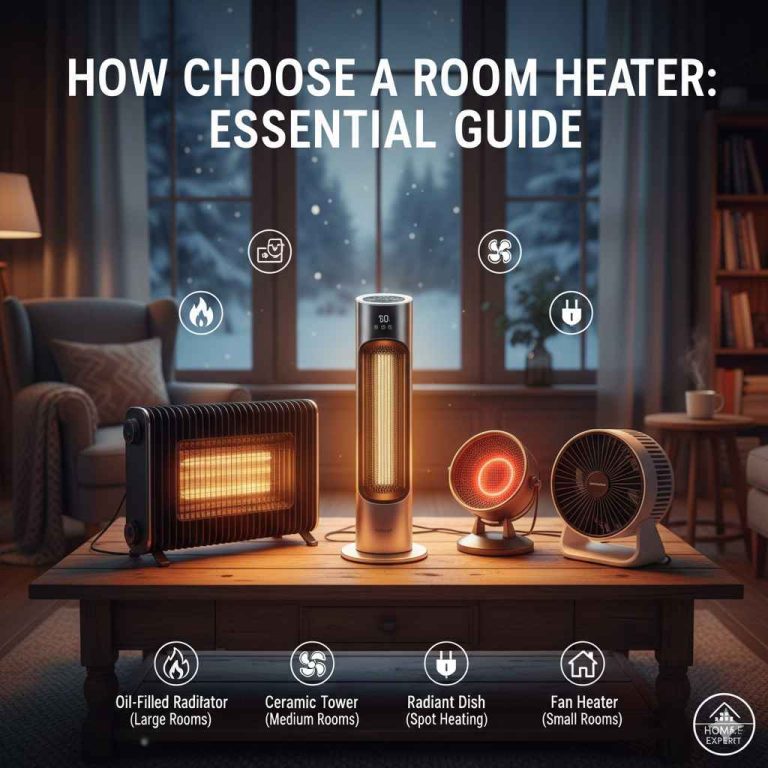
Portable heaters like electric space heaters, ceramic heaters, or oil-filled radiators are rated in watts and BTUs. Many electric heaters have thermostats and multiple settings, allowing you to adjust their output. Always check the product specifications for the manufacturer’s recommended room size.
Central Heating Systems (Furnaces, Boilers, Heat Pumps)
For whole-house heating, the process is more complex. HVAC professionals use specialized load calculation software (like those adhering to ACCA standards, e.g., Manual J) that considers not just square footage but also insulation, window types, climate, and more. If you’re installing a new central system, always get a proper load calculation done by a qualified technician. You can find information on HVAC sizing at the Air Conditioning Contractors of America (ACCA) website.
Tips for Affordable and Efficient Heating
Calculating your heated space is a fantastic first step towards saving money. Here are more ways to keep your home warm and your bills low:
- Seal Air Leaks: Drafts around windows, doors, and other openings can send a surprising amount of heat outside. Use caulk or weatherstripping to seal them. The U.S. Department of Energy’s Energy Saver has great resources on weatherizing your home.
- Use a Programmable Thermostat: Set your thermostat lower when you’re asleep or away from home. This simple step can save a significant amount on heating costs.
- Ceiling Fans in Reverse: In winter, set your ceiling fan to rotate clockwise at a low speed. This pushes warm air that rises to the ceiling back down into the living space.
- Close Curtains and Blinds at Night: This adds a layer of insulation to your windows, helping to keep heat inside.
- Zone Heating: If your building allows, try heating only the areas you use most often. Smaller, portable heaters are great for this.
- Regular Maintenance: Ensure your heating system (whether central or a space heater) is well-maintained. Clean filters and annual checks can improve efficiency.

Frequently Asked Questions (FAQ)
Q1: Do I need to measure every single room if I want to heat my whole house?
A: Yes, ideally you would measure every room you intend to heat for the most accurate total. This ensures you get a comprehensive picture of your home’s heating needs.
Q2: What if my rooms are not perfectly square or rectangular?
A: For irregular rooms, break them down into smaller, regular geometric shapes (like rectangles and squares). Measure each section separately and then add their areas together. For example, an L-shaped room can be divided into two rectangles.
Q3: Should I include hallways and bathrooms in my heated space calculation?
A: It depends on your preference. If you plan to keep hallways and bathrooms warm to a comfortable temperature, then yes, measure and include them. If you’re okay with them being cooler, you can omit them.
Q4: Are BTUs important for electric heaters too?
A: Yes! While electric heaters might also be rated in watts, BTUs are the standard measure of heat output across all heater types. Always look for the BTU rating to understand how much heat a heater can produce.
Q5: How do I know if my calculated heated space is correct?
A: If you’ve followed the steps and feel your home is adequately heated with your current system, your calculation is likely on track. If your home is too cold or your heating bill is excessively high, it might indicate an issue with heater size, insulation, or drafts.
Q6: Can I use my calculated square footage to choose insulation upgrades?
A: Absolutely. Knowing the total square footage of your home or specific areas you want to improve (like the attic or walls) is crucial when discussing insulation projects with professionals and understanding quotes.
Q7: What’s the difference between heated space and gross living area?
A: Heated space refers specifically to the areas you intend to heat for comfort. Gross living area is a broader real estate term that includes all finished, above-grade, usable living space, which might include areas you don’t actively heat year-round.
Conclusion
You’ve now got the knowledge to confidently calculate your home’s heated space! It’s a surprisingly simple process that unlocks significant benefits – from ensuring you buy the right-sized heaters to making your current system work more efficiently and saving you money on energy bills. Remember, measuring is key: identify the areas you want to warm, take your length and width measurements, multiply to get the square footage for each section, and then add them all up. With your total square footage in hand, you can confidently select heaters that are perfectly suited to your needs, or discuss whole-house heating solutions with professionals armed with accurate data.
By taking this foundational step, you’re not just calculating a number; you’re paving the way for a cozier, more comfortable, and more affordable home. Keep an eye out for those drafts, consider your insulation, and enjoy the warmth!