What Permits Do You Need to Replace a Water Heater?
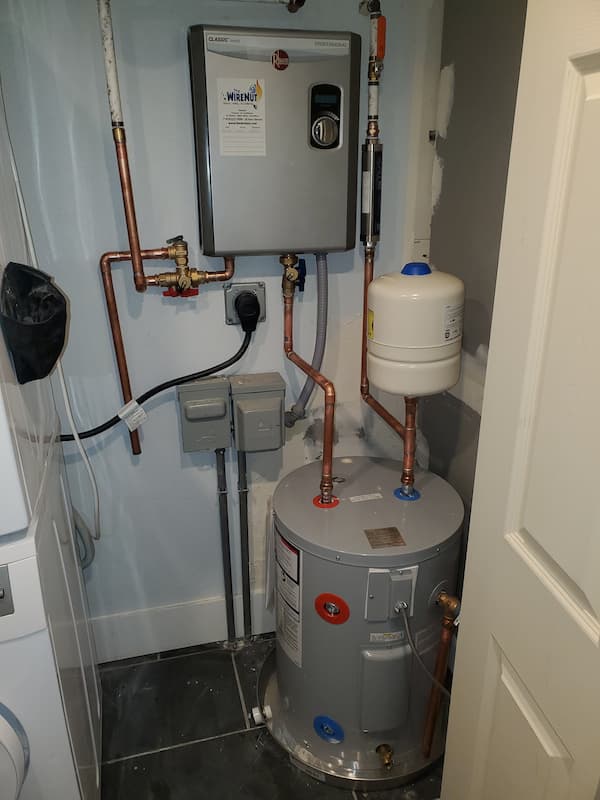
Many water heater replacements need a plumbing or mechanical permit; electric units may also need an electrical permit if wiring changes, and gas units may need a gas permit if the vent, shutoff, or gas line is altered. Skip the permit and you can face failed inspections, fines, insurance problems, or a forced redo. I have seen a simple swap turn into a correction job because the permit was skipped. This guide maps each replacement scenario to the permit it triggers, who usually pulls it, and whether an inspection follows.
What permits do you need to replace a water heater?
The short answer: the scope of work decides the permit
The permit usually follows the work that changes the system, not the appliance box itself. A straight same-fuel swap may fall under a plumbing permit in one town and a minor work permit in another, while a fuel change, vent change, or relocation often pushes the job into a fuller review.
How replacement is different from repair or maintenance
Replacing a failed heater is not the same as repairing a valve, anode rod, or thermostat. Ordinary maintenance is often exempt in New Jersey under the UCC, but replacing the unit, changing the fuel type, moving the heater, or altering piping usually crosses into permit territory.
Why the local building department has the final say
The local municipality controls the permit path, fee schedule, forms, and inspection timing. Two houses on the same block can face different paperwork if one city treats a direct swap as ordinary maintenance and another requires a plumbing permit and final inspection.
According to water.newarknj.gov — Newark lists a water application and admin fee of $500.00. (source)
Which permit does your water heater job trigger?
The permit type depends on what gets touched: the structure, the water piping, the electrical circuit, the gas piping, or the venting. Many replacements start as a plumbing permit, then add electrical or gas permits when the scope includes wiring, shutoffs, flue changes, combustion air, or a tank-to-tankless conversion.
Building permit: when the install changes the approved system
A building permit is more likely when the replacement changes layout, location, or compliance features tied to the structure. Relocating the heater, changing clearances, modifying an enclosure, or affecting the approved installation path can move the job beyond simple equipment replacement.
Plumbing permit: common for water heater replacement and piping work
Plumbing permits are commonly used for water heater replacement because the job ties into domestic water lines, drains, temperature-and-pressure discharge, and sometimes gas piping under local rules. Many cities route the application through the local construction code office or building division.
Electrical permit: required for electric units and wiring changes
If the heater is electric, the circuit, disconnect, grounding, or wiring changes can trigger an electrical permit. Even a like-for-like electric replacement may need separate electrical sign-off if the disconnect, breaker size, or conductors are altered.
Gas permit: required when gas piping, venting, or combustion parts change
Gas work raises its own permit issues because piping, vent sizing, combustion air, flue routing, and draft conditions can all change the safe operation of the appliance. If the gas line, shutoff, vent connector, or chimney-related parts are modified, a gas permit is often part of the job.
Use this 4-scenario permit decision table
| Scenario | Likely permit type | Who usually pulls it | What to ask the inspector |
|---|---|---|---|
| Same-fuel, same-location swap | Plumbing permit or minor work permit; sometimes no permit if local ordinary maintenance rules apply | Licensed plumber or homeowner, depending on local rules | Ask whether the replacement can be signed off as ordinary maintenance and whether a final inspection is still needed |
| Electric replacement | Plumbing permit plus electrical permit if circuit, disconnect, or wiring changes | Electrician for electrical work; plumber or contractor for the heater swap | Ask if the existing breaker, conductor size, and disconnect are acceptable as-is |
| Gas replacement with venting changes | Plumbing permit and gas permit; sometimes a chimney verification is required | Licensed plumber, HVAC contractor, or gas fitter, based on local license rules | Ask whether the vent connector, draft, and combustion air need field verification before final approval |
| Tankless conversion | Plumbing permit plus gas permit or electrical permit, depending on fuel and equipment | Licensed contractor is often required; homeowner approval varies by city | Ask what changes are required for gas sizing, electrical load, condensate, venting, and wall mounting |
What license do you need to install a water heater?
The license depends on the work being performed, not just the appliance. A plumber typically handles water connections and many replacement jobs, while electric and gas changes can require trade-specific credentials. Some places allow homeowners to do their own work, but others limit that right or require a licensed contractor.
When a licensed plumber is usually required
A licensed plumber is often required when the heater connects to water distribution piping, relief valves, drains, or gas piping under plumbing code. If the job includes removal, setting the replacement unit, reconnecting supply lines, or testing the water-side parts, the plumber usually owns the scope.
When electrical or gas work must be done by a trade license holder
If the replacement needs a new circuit, new disconnect, panel work, or wiring changes, an electrician may need to pull the electrical permit and do the work. Gas piping, combustion-air adjustments, vent changes, or connector work often require a licensed gas installer, plumber, or HVAC contractor, depending on local rules.
When a homeowner can do the work themselves
Some municipalities allow a homeowner to replace a water heater in their own house if they pull the permit and follow code. That is not universal. Homeowner work limits can be strict, especially for gas, venting, and electrical changes, so the permit office should confirm the allowed scope before the old unit comes out.
Do you need a permit in New Jersey?
In New Jersey, the Uniform Construction Code framework matters because work can fall under permit required, minor work, or ordinary maintenance. A straight replacement may still need approval if plumbing, electrical, or fuel-fired equipment changes are involved. The local construction code office should confirm the exact form and inspection path before work starts.
How the UCC treats minor work, full permits, and ordinary maintenance
New Jersey DCA says permit projects use UCC forms like F100, F120, and F130. It also identifies ordinary maintenance as no permit work. That means the same water heater job can move between no permit, minor work, or full permit depending on whether the swap changes the fuel, venting, electrical connection, or piping layout. (nj.gov)
When a straight replacement may still need approval
A same-location replacement may still need a plumbing subcode review if the piping, relief valve discharge, flue, or chimney connection changes. New Jersey DCA also includes a chimney verification form for replacement of fuel-fired equipment, which matters when a gas or oil unit uses existing venting.
What to ask the local construction code office before starting
Ask whether the job is ordinary maintenance, minor work, or permit required. Ask which form applies, whether a plumbing subcode technical section form F130 or an electrical subcode technical section form F120 is needed, and whether the job needs a final inspection or chimney verification before approval is issued.
Newark as a practical example
Newark says residents and private companies must get approval before work affecting water or sewer systems, and it lists a water application and admin fee of $500.00, a sewer application and admin fee of $500.00, and a water and/or sewer inspection fee of $750.00. Newark also says tank removal permits can be applied for online, while other construction applications must be brought into the office. (water.newarknj.gov)
Do you need a permit to install a water heater in California?
California rules are local, so the answer depends on the city or county building department and the exact work. A straight replacement may be handled differently from a relocation, vent change, gas conversion, or electrical modification. The safest route is to ask the local building division which permit type matches the planned scope.
What usually changes the answer in California
Fuel type, venting, earthquake strapping rules, electrical demand, and gas line sizing often determine whether a permit is needed. If the heater is tankless, relocated, or tied to a new electrical circuit, expect the permit question to get more specific than a simple replacement.
Do you need a permit to replace a water heater in Florida?
Florida cities and counties set the permit path, so there is no single statewide answer that fits every replacement. Many jobs need a permit when plumbing, gas, or electrical connections are touched. Before buying the heater, check the local permit office for the required trade permit and inspection timing.
What to confirm in Florida before you start
Ask whether the replacement needs a plumbing permit, mechanical permit, or electrical permit, and whether the city wants separate inspections for gas or venting. Homeowners should also confirm whether they are allowed to do the work themselves or must use a licensed contractor.
Do you need a permit to replace a water heater in Texas?
Texas permit rules vary by municipality, and the trigger usually comes from plumbing, gas, or electrical changes. A same-fuel swap may be treated differently from a tankless conversion or a vent modification. The local building department or code office should confirm the permit type before installation starts.
What matters most in Texas
Ask whether the heater is tank or tankless, whether it is gas or electric, and whether the venting or wiring is changing. Those details often decide whether the project needs a plumbing permit alone or adds gas and electrical permits too.
Do you need a permit to replace a water heater in Washington state?
Washington communities often tie permits to the exact scope of replacement, not just the appliance swap. If the job includes new electrical work, gas piping, venting changes, or relocation, the permit burden usually rises. Local jurisdictions still control the final answer and inspection requirements.
What to ask before starting in Washington
Ask the permit desk whether a direct swap is treated as a simple replacement or a permitted plumbing job, and whether any added electrical or gas work needs a separate trade permit. If the heater is in a tight closet or attic, ask about access and clearance rules too.
Do you need a permit to replace a water heater in Michigan?
Michigan permit requirements are local, and the job scope controls the answer. A plumbing permit is common for replacement, while gas and electrical changes can add separate approval. If the work is being done by a homeowner, the city should confirm whether homeowner-permit rules apply.
What to check in Michigan
Confirm who pulls the permit, which inspection is required, and whether the city treats the job as repair, replacement, or equipment change. That distinction matters when the project includes venting, discharge piping, or a new fuel hookup.
Do you need a permit to replace a water heater in Colorado?
Colorado permit rules also depend on the local building department. A like-for-like swap may need a plumbing permit, and any gas, venting, or electrical changes can add more permits. Tankless conversions usually draw closer review because they often change the gas load, venting, or power supply.
What to ask in Colorado before you buy the heater
Ask whether the replacement can be filed as minor work or needs a full permit, and whether the inspector wants the old and new equipment information before installation. If the heater is gas-fired, ask about venting and chimney review before the old unit is removed.
What to check before you buy the heater
Before buying, match the heater to the existing fuel, location, and utility capacity. A wrong choice can turn a simple replacement into a permit-heavy retrofit. The model matters because tank-to-tankless, gas-to-electric, or electric-to-gas changes often trigger new permits and inspections.
Fuel type, tank vs tankless, and venting
Gas and electric heaters do not follow the same permit path. Tankless units often need different venting, gas sizing, or electrical support than tank units. If the vent material, draft hood, or combustion air changes, the permit office may want a gas or mechanical review.
Location changes and clearances
Moving the heater can trigger building review because the installation may affect access, fire clearance, or drainage. A same-location swap is simpler than a relocation. That distinction matters when a closet, attic, garage, or utility room has limited space.
Panel capacity, gas size, and shutoff access
Electric heaters need enough circuit capacity and proper disconnect access. Gas heaters need the right pipe size, shutoff access, and venting path. If the existing utilities do not match the new unit, the job is no longer a simple swap.
What happens after the permit is pulled?
After the permit is issued, the job usually ends with inspection, approval, and recordkeeping. Some projects need a rough inspection before walls are closed, and most need a final inspection after the unit is set and connected. Keep the approval paperwork with the property records.
Rough and final inspection
A rough inspection may be needed when piping, venting, or wiring is open and can still be corrected. A final inspection checks the completed installation, safety controls, venting, drainage, shutoff access, and the general code compliance of the job.
Approval paperwork and records to keep
Keep the permit, inspection card, and final sign-off with the house file. Landlords should keep these records for turnover, insurance, and future inspections. If the city uses an online approval system, save the confirmation number and final report.
What can go wrong if the work is done first
If the heater is replaced before the permit is pulled, the city may require a correction permit, reinspection, or partial removal so the inspector can verify hidden work. That can add delay and cost, and it may create problems when selling the home or filing a claim after a leak or fire.
Frequently asked questions
Do you need a permit to replace a water heater?
Often yes, but not always. Many jurisdictions require a plumbing or mechanical permit for replacement, and gas, electrical, or venting changes can add more permits. The local building department decides whether a straight same-location swap counts as ordinary maintenance or permit work.
Can a homeowner replace a water heater without a contractor?
Sometimes, but only where local rules allow homeowner work and the homeowner pulls the required permit. Gas, electrical, and venting changes can limit that option. Even when DIY is allowed, the city may still require inspection and final approval before the job is considered closed.
What license do you need to install a water heater?
It depends on the scope. A licensed plumber often handles the water-side replacement, while electricians handle circuit and disconnect changes, and gas work may require a licensed gas fitter, plumber, or HVAC contractor. Homeowner installation rights vary by city and state.
Do you need a permit to replace a water heater in New Jersey?
Usually yes, unless the work fits ordinary maintenance under the UCC. New Jersey distinguishes between permit required, minor work, and no-permit maintenance, so the exact answer depends on whether the job changes plumbing, electrical, venting, or fuel-fired equipment. Ask the local construction code office first.
Do you need a permit to install a water heater in California?
Most California jurisdictions require some level of permit when the installation changes plumbing, gas, venting, or electrical systems. A straight replacement may be simpler than a tankless conversion or relocation, but the city or county building department has the final call. Check before buying the unit.
Do you need permits to replace a water heater in Florida?
Often yes, especially when the job touches plumbing, gas, or electrical connections. Florida rules are set locally, so permit type and inspection timing vary by city and county. Ask the local permit office whether the project needs one trade permit or more than one.