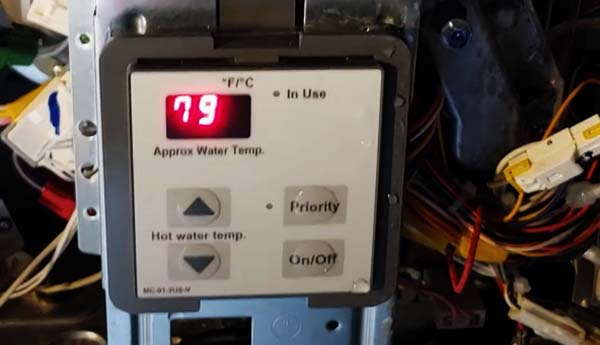
How to Maintain a Water Heater for Longer Life Safely
To help a water heater last longer, flush sediment once a year, test the pressure relief valve yearly, check the anode rod every 2 to 3 years, and keep the thermostat at 120°F. Skip those jobs, and scale, rust, and pressure wear shorten tank life and push energy bills up. This guide lays out a simple maintenance schedule, with each step tied to the problem it prevents.
What you’ll need
- Adjustable wrench
- Garden hose long enough to reach a drain or floor drain
- Bucket
- Screwdriver set
- Flashlight
- Gloves and eye protection
- Teflon tape for reassembly if fittings are opened
- Manufacturer manual for the model
- Descaling solution or white vinegar for tankless units
- Multimeter only if the manual calls for electrical checks
Shut off power at the breaker for electric units, or set gas controls to pilot or off as the manual directs. Close the cold-water supply before opening any drain or fitting. If you smell gas, see active leaking, or find scorch marks, stop and call a licensed technician before touching anything.
According to The Importance of Regular Maintenance for Water Heaters — A well-maintained water heater can be 20% more efficient.
Follow this maintenance schedule
Use a fixed schedule instead of waiting for trouble. Water heaters usually last 8-10 years without proper care, and regular maintenance can add years to that span. A well-kept unit can be 20% more efficient, and well-maintained water heaters last 50% longer.
| Unit type | Task | Frequency | Purpose | DIY difficulty | Escalate if you see |
|---|---|---|---|---|---|
| Tank | Visual leak and rust check | Monthly | Catches corrosion, dripping fittings, and early wear and tear | Easy | Rust at the tank seam, active leaks, wet insulation, or low water pressure |
| Tank | Flush sediment from the tank | Yearly; every 6 months in hard-water homes | Removes sediment that hurts heat transfer, makes noise, and can overheat the tank | Moderate | Brown water, clogged drain valve, no flow, or repeated overheating |
| Tank | Check anode rod | Every 2 to 3 years | Protects the steel tank from corrosion | Moderate to hard | Rod is heavily eaten away, stuck fast, or tank already shows rust at fittings |
| Tank | Test temperature and pressure relief valve | Yearly | Confirms the safety function that releases excess pressure and heat | Easy | Valve will not discharge briefly, leaks after test, or discharge pipe is damaged |
| Tankless | Clean inlet filter and check venting | Every 6 months | Keeps water flow steady and supports safe combustion or exhaust | Easy to moderate | Error codes, soot, blocked intake, or weak flow after cleaning |
| Tankless | Descale heat exchanger | Yearly; every 6 months in hard-water homes | Removes scale that blocks flow and reduces energy efficiency | Moderate | Repeated error codes, fluctuating temperature, or poor output after descaling |
| Tankless | Professional service check | Yearly | Confirms burner, sensors, flow controls, and venting are within spec | Pro only | Gas smell, combustion issues, or recurring faults |
Hard-water homes need shorter flushing intervals because minerals settle faster on the bottom of the water heater tank. Soft-water homes can usually stay with annual flushing unless the unit starts rumbling or sending cloudy water. Scale, rust, and corrosion are the maintenance targets that shorten life fastest.
- Set a monthly reminder for leak checks, temperature checks, and a quick visual inspection.
- Schedule six-month service for tankless filters and hard-water flushing.
- Reserve the yearly flush, relief-valve test, and full safety review on the same date.
- Mark anode rod inspection every 2 to 3 years for tank-style units.
- Call a pro for gas, venting, electrical, or control problems you cannot verify safely.
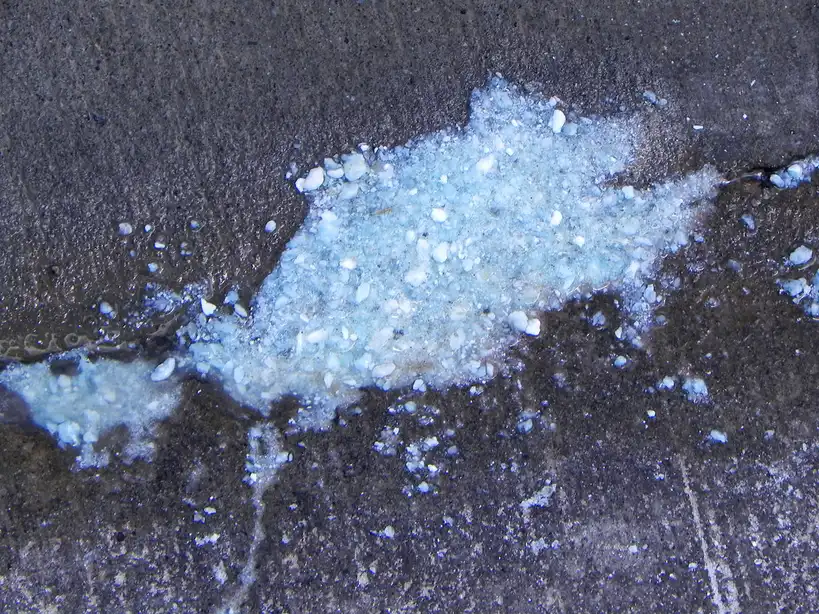
How do you maintain a tank water heater?

Maintain a tank water heater by checking for leaks monthly, flushing sediment yearly, testing the temperature and pressure relief valve yearly, and inspecting the anode rod every 2 to 3 years. Those steps target the main tank risks: corrosion, mineral buildup, and pressure stress that can crack parts or shorten tank life.
- Look for rust, moisture, and corrosion at the tank base and fittings.
- Flush the drain valve until the water runs clear.
- Inspect the anode rod and replace it if it is heavily worn.
- Lift and release the temperature and pressure relief valve briefly to confirm it moves and reseats.
- Keep the thermostat at about 120°F and check that the output is not running hotter than intended.
If that didn’t work, try this next: shut off power or gas, close the cold-water supply, and repeat the flush with a hose to a drain. If flow stays weak, the drain valve may be clogged with sediment, which often means a service call rather than more flushing. If the tank shows rust at the seam, replacement is usually closer than repair.
How do you maintain a tankless water heater?
Maintain a tankless water heater by cleaning the inlet filter, checking venting, descaling the heat exchanger, and reviewing error codes on schedule. Tankless units do not store a large volume of hot water, so they need less tank flushing and more attention to flow, scale, and service intervals in the manual.
- Shut off power or gas and close the service valves.
- Remove and rinse the inlet filter.
- Run the descaling cycle with the solution the manual calls for.
- Check the vent path for blockage, soot, or loose fittings.
- Review the display for recurring codes and record them before resetting.
If that didn’t work, try this next: repeat the cleaning cycle only once, then stop if the unit still throws the same code or the water temperature swings. Persistent flow problems, combustion faults, or venting trouble are pro-level issues. A tankless heater that keeps tripping after descaling may need sensor, burner, or exchanger service.
How does maintenance help lower energy use and repair costs?
Maintenance lowers energy use by keeping heat transfer efficient and reducing strain on the heater. Sediment acts like insulation on the bottom of a tank, so the burner or elements work harder for the same hot water. A well-maintained water heater can be 20% more efficient, and maintenance can help prevent high energy bills.
The cheapest savings usually come from flushing sediment, fixing drips, and keeping the thermostat at 120°F. Those steps reduce run time and lower the chance of overheating, which is where wear and tear start. Neglected units may develop low water pressure, another sign that scale or buildup is stealing performance.
In practice, the tasks that save the most money first are the yearly flush for tank units, the descaling cycle for tankless units, and the relief-valve check. They protect heat transfer and safety at the same time.
Common mistakes
Skipping flushes in hard-water homes leaves sediment in place, and that sediment can cause noise, slow heating, and overheating. Waiting until the tank rusts before checking the anode rod is another expensive mistake because the rod is meant to sacrifice itself first.
Testing the temperature and pressure relief valve the wrong way can create a leak that will not reseat. Open it only long enough to confirm movement, then close it fully. If water drips afterward, the valve may need replacement.
Waiting too long to call for service is the last mistake. A wet base, repeated error codes, rusty water, or low water pressure means the problem has moved beyond routine upkeep.
Prevention: keep a maintenance log with dates for flushing, valve tests, and anode checks. A simple note on the water heater cabinet stops missed intervals.
How do I extend the life of my water heater?
Extend the life of a water heater by removing sediment before it hardens, keeping corrosion under control, and catching safety issues early. Yearly flushing, valve testing, and routine leak checks reduce stress on the tank, while tankless units last longer when scale is removed before flow drops or heat transfer declines.
Use the right interval for the water in the house. Hard-water homes need more frequent flushing and descaling, while softer water usually allows standard yearly service. The goal is simple: keep mineral buildup low enough that the unit does not run hotter or longer than it should.
How do I know if my water heater needs repairs?
A water heater needs repair when maintenance no longer restores normal operation. Repeated leaks, rusty water, tripped safety controls, low water pressure, and recurring error codes point to parts that are worn, blocked, or failing. If the tank itself is rusting through, replacement is usually the better answer.
Watch for a relief valve that leaks after testing, a tank that keeps rumbling after flushing, or a tankless unit that loses temperature control after descaling. Those are signs that the fix is no longer simple upkeep. If the unit is already near the 8-10 year range and showing those symptoms, replacement becomes more likely.
Frequently asked questions
How often should I maintain a water heater?
Check it monthly for leaks and rust, test safety parts yearly, and do a full flush or descale on the yearly schedule. Hard-water homes often need flushing every 6 months. Tankless units usually need six-month filter checks and yearly descaling, while tank units need yearly sediment removal.
What maintenance does a water heater need?
Tank units need leak checks, flushing, anode rod inspection, and pressure valve testing. Tankless units need inlet filter cleaning, venting checks, and descaling. Both types benefit from thermostat checks and a quick look for corrosion, drip marks, or low output before small issues turn into repairs.
Should I flush my water heater every year?
Yes for most tank-style units. Annual flushing helps remove harmful materials and keeps sediment from building up on the bottom of the tank. In hard-water homes, flushing every 6 months is the safer interval because mineral buildup forms faster and causes more heat loss and wear.
What parts should I check when maintaining a water heater?
Check the tank body, drain valve, inlet and outlet fittings, anode rod, and temperature and pressure relief valve on tank units. On tankless units, check the inlet filter, venting, service valves, and error display. These parts show early signs of corrosion, blockage, or pressure trouble.
Can maintenance lower my energy bills?
Yes. Removing sediment improves heat transfer, so the heater does less work to warm the same water. Keeping the thermostat at 120°F and fixing leaks also helps. A well-maintained water heater can be 20% more efficient, and that difference shows up in utility use over time.
Do tankless and tank water heaters need the same maintenance?
No. Tank water heaters need flushing and anode rod checks because they store water in a corrosion-prone tank. Tankless units need descaling, filter cleaning, and venting checks because scale and airflow affect performance. Both need safety checks, but the service tasks are not the same.