Best Portable Heaters for Ice Fishing Shelters (2026)
For many one- to two-person insulated ice shelters, a 3,000- to 5,000-BTU propane heater is a common portable choice; move to about 6,000 to 9,000 BTU for larger, leakier, or windier shelters. Too little heat leaves frost inside and numb hands; too much heat wastes fuel and can raise carbon monoxide risk if ventilation is poor. This guide matches heater size to shelter type, insulation, wind, trip length, and the safety gear you need before you buy.
Quick comparison
| Product | Badge | Best for | Price | ||
|---|---|---|---|---|---|
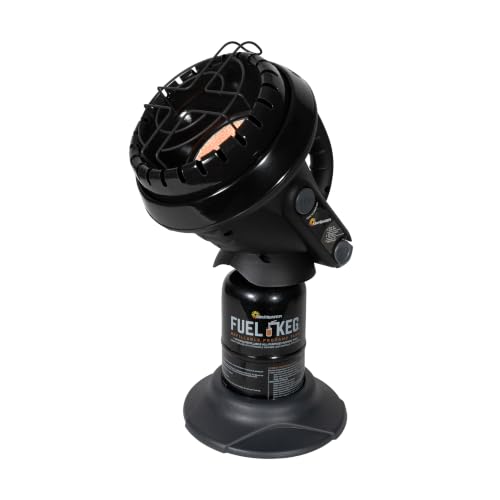 |
Mr. Heater 3,800 BTU Little Buddy Portable Radiant PropaneMr. Heater | Our pick | 3,800 BTU · radiant · midnight edition | $78.09
Price as of 17 Nov 2026
|
View |
 |
Mr. Heater 9,000 BTU Portable Buddy Radiant Heater (Canada)Mr Heater | Also great | 9,000 BTU · radiant · portable buddy | $89.00
Price as of 17 Nov 2026
|
View |
 |
Dyna-Glo BF30PMDG 30,000 BTU Liquid Propane Blue Flame VentDyna-Glo | Also great | $295.95
Price as of 17 Nov 2026
|
View |
The right pick depends on fishable area, leakiness, and how long you plan to stay. A heater that looks underpowered on paper can work well in a small insulated shelter, while a stronger unit may be the safer choice in wind or for longer sessions.
How we chose
FishUSA lists 9 ice fishing heater items in its catalog, and its buying guidance points to a few useful filters: rated output, dimensions, control arrangement, and intended application. Those are the right starting points, but they are not enough on their own.
We compared the published output ranges, stated coverage, shelter fit, and accessory compatibility. We also separated short day trips from longer sits, since runtime and fuel planning change the buy decision as much as heater size does.
Safety mattered as much as heat. Any heater used in a shelter needs ventilation, a stable base, and a plan for cold-start ignition, condensation, and tip-over risk.
Ice shelter sizing matrix
This matrix is the most practical way to size a heater. It ties together shelter area, insulation, wind leakage, and angler count so you can see why a given BTU range works or fails.
| Shelter type | Insulated or uninsulated | Angler count | Wind exposure | Recommended BTU range | Why that choice works or fails |
|---|---|---|---|---|---|
| One-person flip-over or hub, about 20 to 40 sq ft fishable area | Insulated | 1 | Low to moderate | 3,000 to 4,500 | Holds heat with less fuel. A larger unit can cycle too hot, dry the air too fast, and waste propane. |
| One-person shelter | Uninsulated | 1 | Moderate to high | 4,500 to 6,000 | Heat loss through fabric and door gaps rises fast. A small heater may light the space but never keep hands or feet warm. |
| Two-person hub or shack, about 40 to 70 sq ft fishable area | Insulated | 2 | Low to moderate | 4,000 to 6,000 | Usually a good match for short trips. Works well if doors stay closed and the shelter is not leaking around seams. |
| Two-person shelter | Uninsulated | 2 | Moderate to high | 6,000 to 9,000 | Wind and leakage push the load up. A lower-output heater may warm the air near the unit but leave the far end cold. |
| Four-person hub or cabin, about 80 to 120 sq ft fishable area | Insulated | 3 to 4 | Moderate | 6,000 to 9,000 | Higher output helps recover heat after door openings. A small unit can struggle once several anglers are inside. |
| Four-person shelter | Uninsulated | 3 to 4 | High | 9,000 or higher, with strong ventilation | Heat loss is heavy. If the shelter breathes a lot of outside air, small heaters burn fuel fast and still leave cold corners. |
Mr. Heater Portable Buddy: best for most anglers
- Two heat settings
- Emergency low oxygen safety system
- Heats up to approximately 225 square feet
This is the strongest all-around choice for most one- to two-person shelters because the published range is 4,000 to 9,000 BTUs, and FishUSA lists it at 9,000 BTU. Go Salmon Fishing also lists it as suitable for ice fishing shelters and says it can heat spaces up to 225 square feet.
It fits the middle of the market well. The two heat settings help you trim output on milder days and turn it up when wind pushes through seams. The tip-over safety switch and piezo igniter add the basics most buyers want in a shelter heater.
The drawback is simple: 9,000 BTU can be too much for a small, well-insulated one-person shelter if you leave it on high. That can mean more propane use and more need to manage airflow carefully.
Why it fits medium shelters
Use this model when the shelter is more than a tight solo setup. It gives you room to cover a two-person insulated hut, a leaky fabric shelter, or a setup where the door opens often and cold air keeps entering.
Built-in safety and ignition
The built-in tip-over shutoff and piezo igniter are useful in subzero conditions, where matches and lighters are awkward. Even so, any enclosed shelter still needs fresh-air openings and a working carbon monoxide plan.
Accessory fit to check
Check whether your hose assembly and filter are matched to the heater connection, not just the fuel source. A wrong-fitting hose can stop the setup from sealing, and a mismatched filter can leave the system unusable.
Mr. Heater Little Buddy: best for small shelters
- Directional radiant heat
- Runs on a 1 lb. propane tank
- No electricity required
This compact unit is the best fit for a small one-person shelter or a snug two-person shelter that holds heat well. The same source lists it at 3,800 BTU, and the product is built for directional radiant heat on a 1 lb. propane tank with no electricity required.
The strength here is control. In a small insulated shelter, that lower output is often enough to keep frost down without blasting the space. It is also easy to carry, which matters when you are moving gear across ice.
The drawback is limited output. In wind, in a bigger shelter, or with frequent door openings, 3,800 BTU may be too little to keep the far side of the shelter comfortable.
Compact 3,800 BTU output
That output makes the Little Buddy a good fit for short sits, solo fishing, and tight shelters where a larger heater would cycle too hard. It is not the model to choose if you want to warm a roomy cabin-style shelter.
Best use case by shelter size
Best for one-person shelters and small, insulated two-person setups. If your shelter is leaky, tall, or exposed to steady wind, size up instead of asking this heater to cover too much space.
Mr. Heater Big Buddy: best for larger shelters
For larger shelters, the Big Buddy is the practical step up. The same source lists the Portable Big Buddy at 18,000 BTU, which gives you more headroom when the shelter is larger, the fabric leaks more air, or you need faster warm-up after setup.
This model makes sense for anglers who sit longer, fish with several people, or use a bigger hub where lower-output heaters need too much recovery time. The available accessories, including hose, filter, and carry bag options, make it easier to match the heater to a more permanent ice setup.
The drawback is fuel demand. Extra output helps in cold, windy conditions, but it can also empty a tank faster than a smaller heater. It is overkill for many small insulated shelters.
When extra output matters
Choose more output when the shelter is large, the outside wind is steady, or the doors open often. Heat loss is usually less about raw square footage than about leakage and recovery time after people move in and out.
Hose, filter, and bag options
FishUSA sells a Mr. Heater Propane Hose Assembly, a Mr. Heater Universal Fuel Filter, and carry bags for both Big Buddy and Buddy heaters. Match the hose and filter to the heater model before the trip, because fitment problems are one of the easiest ways to turn a cold setup into a nonstarter.
What heater type should you buy?
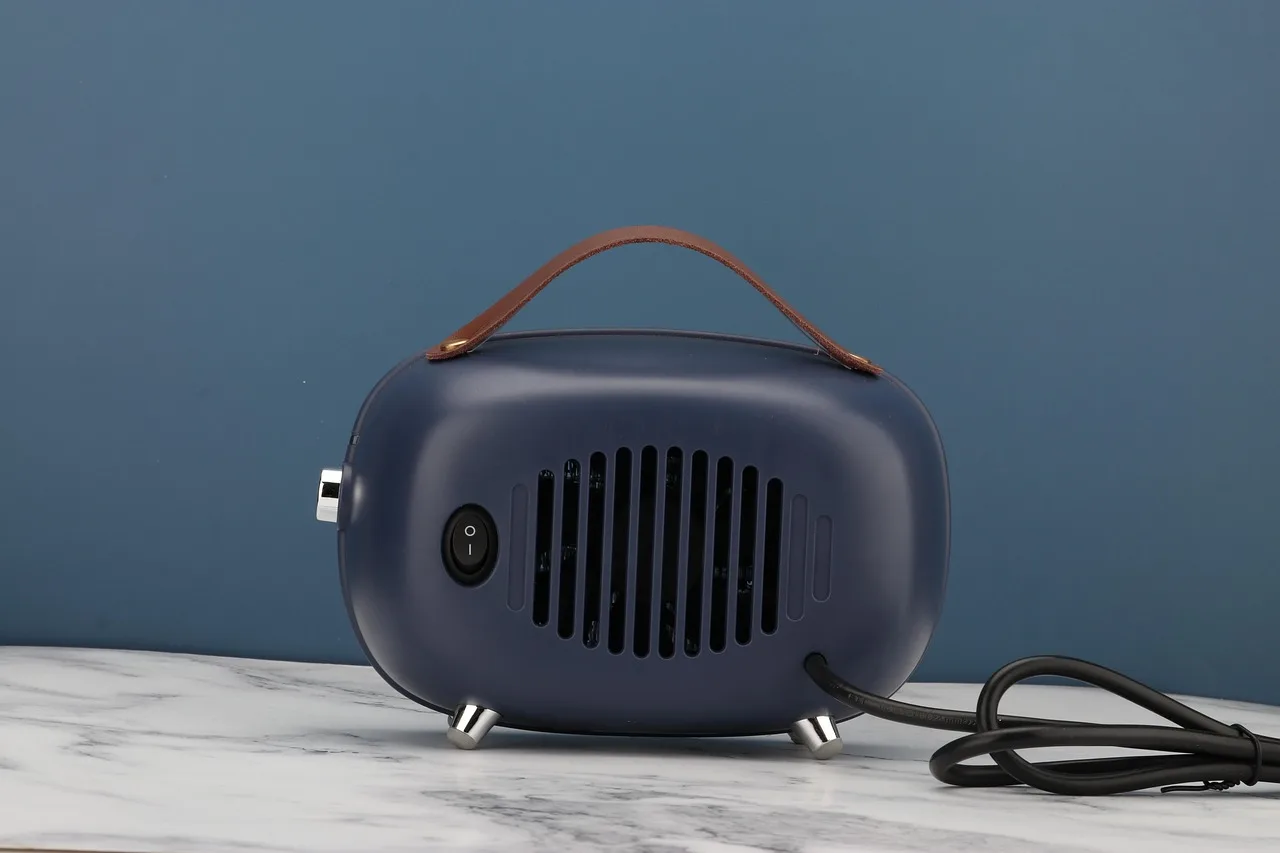
For most ice shelters, a radiant propane heater is the better fit. It gives direct heat in a small enclosed space, starts quickly, and works well when you want warmth aimed at people and gear rather than just moving air around.
Tank-top propane heaters are a different tool. They are higher-output, open-flame/radiant units used for ice fishing and tree stands, and they make more sense for very open, drafty, or utility-style use than for a tightly enclosed shelter.
Radiant propane heater use case
Pick radiant heat for a fabric shelter, a hub, or a hard-sided shelter where you want fast warmth near the seating area. It is the safer default when the shelter is small enough that a steady hot blast would be too much.
Tank-top heater use case
Pick a tank-top style only when the shelter is open enough, the ventilation is strong, and the use case calls for higher output. It is less forgiving in a tight shelter because the flame is exposed and the heat is less controlled.
Insulated shelter vs uninsulated shelter
Insulated shelters usually need less heater output because they hold heat and block wind better. Uninsulated shelters lose warmth through the fabric and seams, so they need more output or a shorter comfort target. That difference is why BTU alone is not enough.
Day trips vs overnight trips
Short day trips favor a smaller heater with simple fuel planning. Overnight ice camping changes the equation: you need longer runtime, more stable fuel supply, and more caution about ventilation and condensation. In that setting, a heater that is only “good enough” for a few hours may fall short.
Say your shelter is a two-person insulated hub with one angler and a small heater opening left cracked. A 3,800-BTU unit may be enough on a calm day, but the same setup can feel weak if the wind rises and the door opens every few minutes.
Suppose the shelter is a four-person uninsulated shack with two anglers and a lot of seam leakage. A 4,000-BTU class heater may warm the air near the unit, yet the far corners will still feel cold, and fuel use will climb because heat keeps escaping.
Best portable heater comparison table
| Model | Best for | Listed output | Strength | Drawback |
|---|---|---|---|---|
| Mr. Heater Little Buddy | Small shelters | 3,800 BTU | Compact, directional radiant heat, no electricity required | Not enough output for leaky or larger shelters |
| Mr. Heater Portable Buddy | Most one- to two-person shelters | 4,000 to 9,000 BTU | Flexible output, tip-over safety switch, piezo igniter | Can be too much for a tiny insulated shelter |
| Mr. Heater Portable Big Buddy | Larger shelters | 18,000 BTU | High output for bigger spaces and tougher conditions | Greater fuel use and more than many small shelters need |
| Clam CH-4200 Portable Propane Heater | Small shelters and modest setups | 4,200 BTU | Foldable base for stability; heats up to 105 square feet | Limited coverage for bigger shelters |
| Tank-top propane heater | High-output use cases | Varies by model | Strong radiant heat for open or drafty setups | Less controlled for enclosed shelters |
How many BTUs do I need for an ice fishing shelter?
The right number depends on fishable area, insulation, angler count, and how much cold air leaks through doors and seams.
That is why a heater with a low published BTU can still be the best choice for one shelter, while a stronger unit is needed for another that is only slightly bigger. Air exchange and heat retention matter as much as square footage.
One-person shelters
A one-person shelter usually works best with a lower-output heater, especially if it is insulated and mostly sealed from wind. If the shelter is uninsulated or the wind is high, move up rather than expecting a tiny heater to carry the load.
Two-person shelters
Two-person shelters are where the middle range starts to matter. A compact unit can work in a warm, calm setup, but a larger heater becomes the better choice once you add wind, wet gear, or frequent entry and exit.
Four-person shelters
Four-person shelters need more output because the interior volume is larger and door openings have a bigger effect. In uninsulated versions, the heater often has to recover heat as fast as people can lose it.
Is a propane heater safe inside an ice fishing tent?
A propane heater can be used safely in an ice fishing tent only when it is made for enclosed use, the tent is ventilated, and the heater is kept stable. You also need a tip-over shutoff, clearances from fabric, and a carbon monoxide plan.
The safest habit is simple: open vent points before lighting, keep fresh air moving, and never run a heater in a sealed shelter. A heater that warms well but starves for air is the wrong tool.
Ventilation and condensation
Cold air and warm breath create condensation quickly inside a shelter. If the heater runs hard with too little airflow, moisture can build on walls, windows, and gear, then freeze again as frost. That is a sign the shelter needs more fresh air, not just more heat.
Cold-start performance
In subzero weather, ignition and fuel flow can be less forgiving. A piezo igniter helps, and hoses or accessories should be rated and connected correctly so the heater can light cleanly without repeated attempts.
Do insulated ice fishing shelters need less heater output?
Yes. Insulated shelters hold heat better and resist wind leakage, so they usually need less BTU than an uninsulated shelter of the same size. That means you can often step down one output class if the shelter fabric is thermal and the seams are tight.
The savings are real, but they are not automatic. A larger insulated shelter can still need more heat than a small uninsulated one if the fishable area, angler count, or door openings are higher.
What insulation changes
Insulation slows heat loss through the walls and reduces the effect of gusts. That lets you run a smaller heater longer and keep a steadier temperature instead of chasing cold spots with a bigger unit.
What insulation does not change
Insulation does not fix poor ventilation, and it does not make a heater safe in a sealed tent. You still need fresh air and a stable setup, even when the shelter holds heat better.
What accessories do I need with an ice fishing heater?
Most buyers need three accessory checks: the right propane hose assembly, the correct fuel filter, and a carry bag that fits the exact heater model. Those accessories are not universal, so compatibility matters as much as price.
A hose that does not match the heater connection can stop the setup before it starts. A filter that does not match the hose and heater combination can create the same problem, even if each part is fine on its own.
- Check the heater’s fuel connection before buying any hose.
- Match the filter to the heater and hose setup.
- Confirm the carry bag is made for that heater model.
- Pack a stable fuel tank location so the hose does not kink.
- Test the full assembly before the first cold trip.
FishUSA sells a Mr. Heater Universal Fuel Filter and a Mr. Heater Propane Hose Assembly, plus carry bags for both Big Buddy and Buddy heaters. Those listings are a reminder to buy by fit, not by brand name alone.
Which one should you buy?
Choose the Little Buddy if you fish small insulated shelters, want the simplest carry, and value lower output over extra heat. Choose the Portable Buddy if you want the safest all-around balance for most one- to two-person shelters. Choose the Big Buddy when the shelter is larger, leakier, or used for longer sessions.
If you are sizing for a four-person shelter or for overnight ice camping, move up in output and plan for more fuel. If your shelter is insulated and tight, step down rather than overbuying heat you cannot use well.
The Clam CH-4200 fits the small-shelter category too, with a 4,200 BTU rating, a foldable base for stability, and a stated heating area up to 105 square feet. It is a practical option when you want a modest-output heater and a stable footprint, though it is not the answer for larger or draftier shelters.
Tank-top heaters are the outlier. They belong in high-output, open, or utility-style use cases, and they are a poor fit for many enclosed ice shelters unless the setup is designed around strong ventilation and more aggressive heat.
Frequently asked questions
What is the best portable heater for an ice fishing shelter?
For most one- to two-person insulated shelters, the Mr. Heater Portable Buddy is the best all-around choice because it gives adjustable output, basic safety features, and enough heat for common shelter sizes. Smaller shelters can step down to the Little Buddy, while larger or leakier shelters need the Big Buddy.
Should I choose a radiant or forced-air heater for ice fishing?
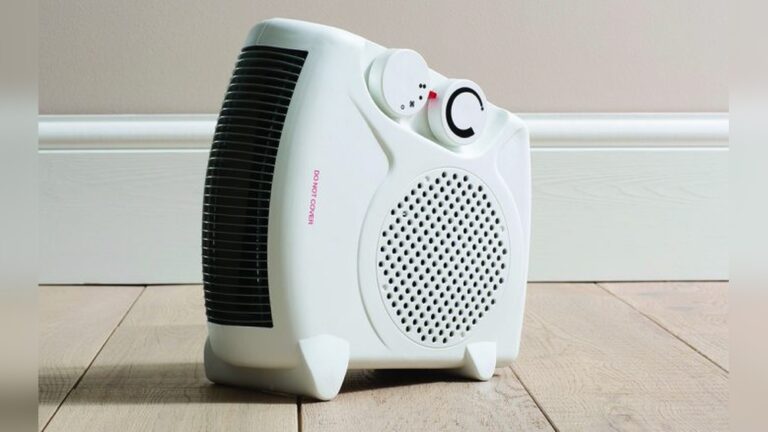
Radiant propane heaters are usually the better match for small enclosed shelters because they heat people and gear quickly without moving much air around. Forced-air units are generally a different class of heater and are less relevant to the shelter-focused options covered here.
What size heater works for a one-person ice fishing shelter?
A one-person insulated shelter often does well with a 3,000- to 4,500-BTU heater. If the shelter is uninsulated or exposed to wind, you may need more. The goal is steady comfort, not the largest heater you can fit inside.
How long will a portable propane heater run on a tank?
Runtime depends on tank size, heater output, and how high the control is set. Higher output shortens runtime quickly, while lower settings stretch it much longer. For day trips, a small tank may be enough; for longer use, you need to plan fuel more carefully and carry extra propane.