How to Convert Fireplace to Pellet Stove: Easy Steps for Cozy Heat
Are you tired of your traditional fireplace’s low heat output and high maintenance? Converting your fireplace to a pellet stove could be the perfect solution to warm your home more efficiently and save money on fuel.
Imagine enjoying a cozy fire that’s cleaner, easier to control, and better for the environment—all while using your existing fireplace space. You’ll discover simple steps to make this smart switch and transform your home heating experience. Keep reading to find out how you can upgrade your fireplace into a modern pellet stove with ease.
Assessing Your Fireplace
Before converting your fireplace to a pellet stove, start by assessing the existing fireplace. This step helps ensure safety and efficiency. You need to understand your fireplace’s type and condition. Also, check ventilation options to avoid future problems. Proper assessment saves time and money during installation.
Taking a close look at these factors gives a clear picture of what changes are necessary. It also helps you decide if your fireplace is suitable for conversion. Let’s break down these important checks.
Check Fireplace Type And Condition
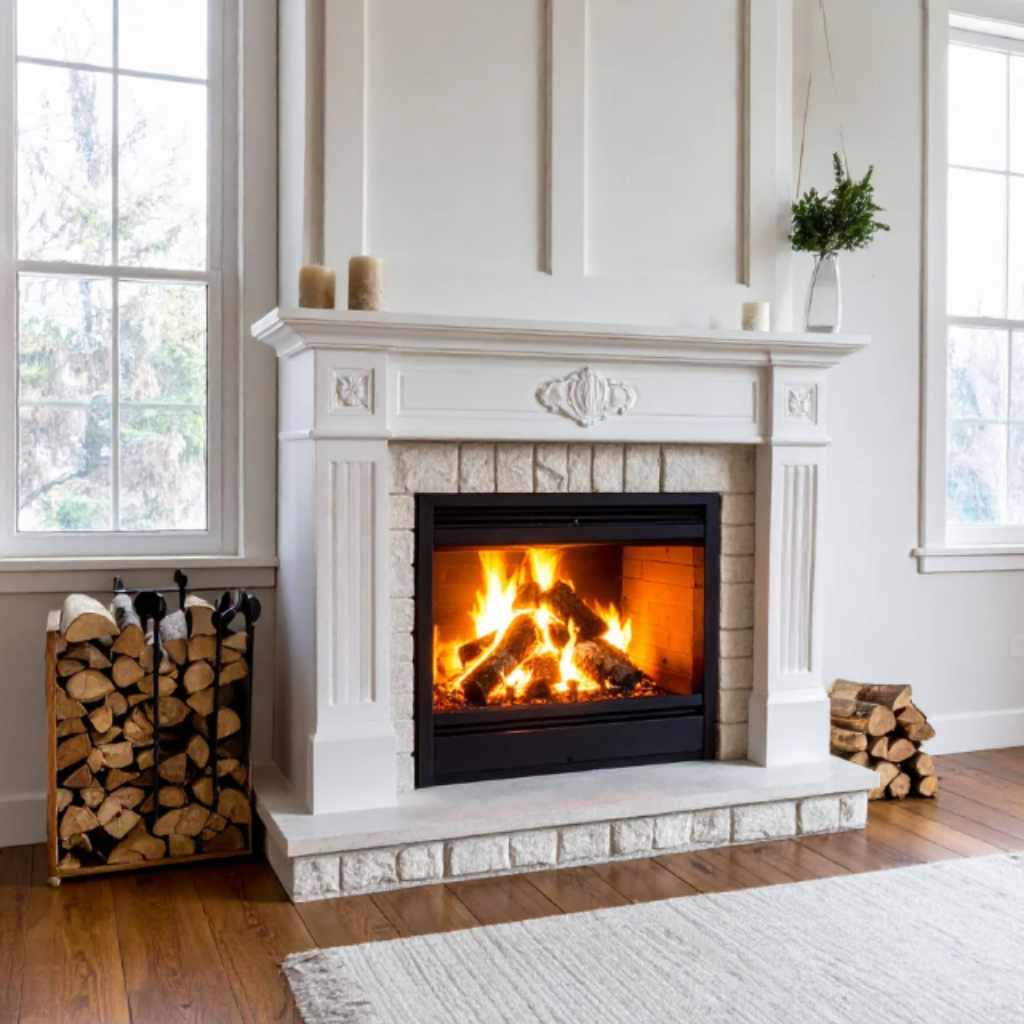
Identify whether your fireplace is wood-burning or gas. Wood-burning fireplaces often suit pellet stove inserts better. Next, inspect the fireplace’s structure. Look for cracks, rust, or damage inside the firebox. Check the chimney for blockages or creosote buildup. These issues affect stove performance and safety. A clean, solid fireplace is easier to convert. If problems exist, consider repairs before installation.
Evaluate Ventilation Options
Proper ventilation is critical for pellet stove operation. Pellet stoves need a vent pipe to exhaust smoke and gases. See if your chimney can support a vent liner. The liner must fit inside the chimney and reach outside. If the chimney does not work, explore other venting methods. Some pellet stoves allow side or direct venting through an external wall. Ensure ventilation meets local building codes. Good airflow keeps your home safe and stove efficient.
Choosing The Right Pellet Stove
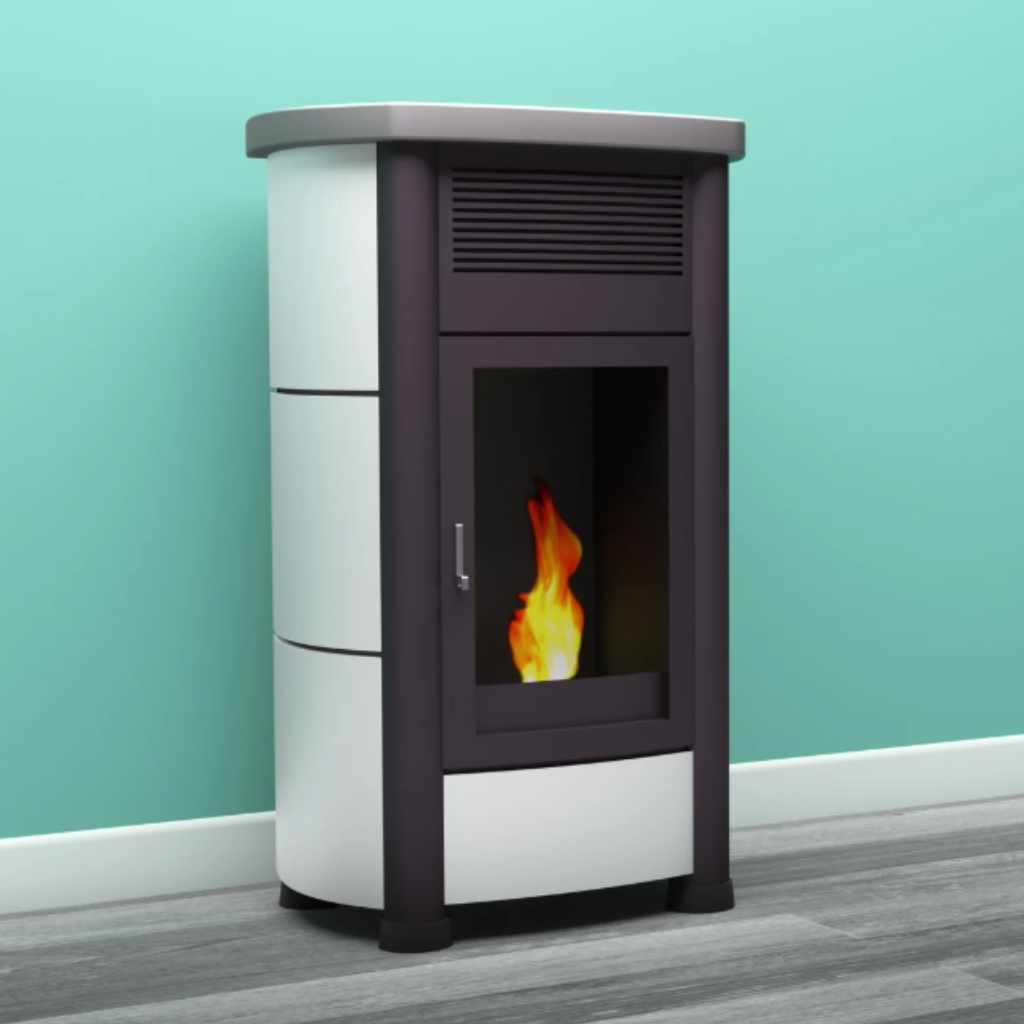
Choosing the right pellet stove is key to a successful fireplace conversion. The stove must fit your space and heating needs well. It should also match your home’s style and offer useful features. This guide helps you pick the best pellet stove for your home.
Size And Heat Output
The size of the pellet stove must fit your room. A stove too big wastes fuel and overheats. One too small won’t warm the space enough. Check the stove’s heat output, measured in BTUs. Match the BTU rating to your room size. Larger rooms need stoves with higher BTU ratings. Choose a stove that heats your space efficiently.
Design And Features
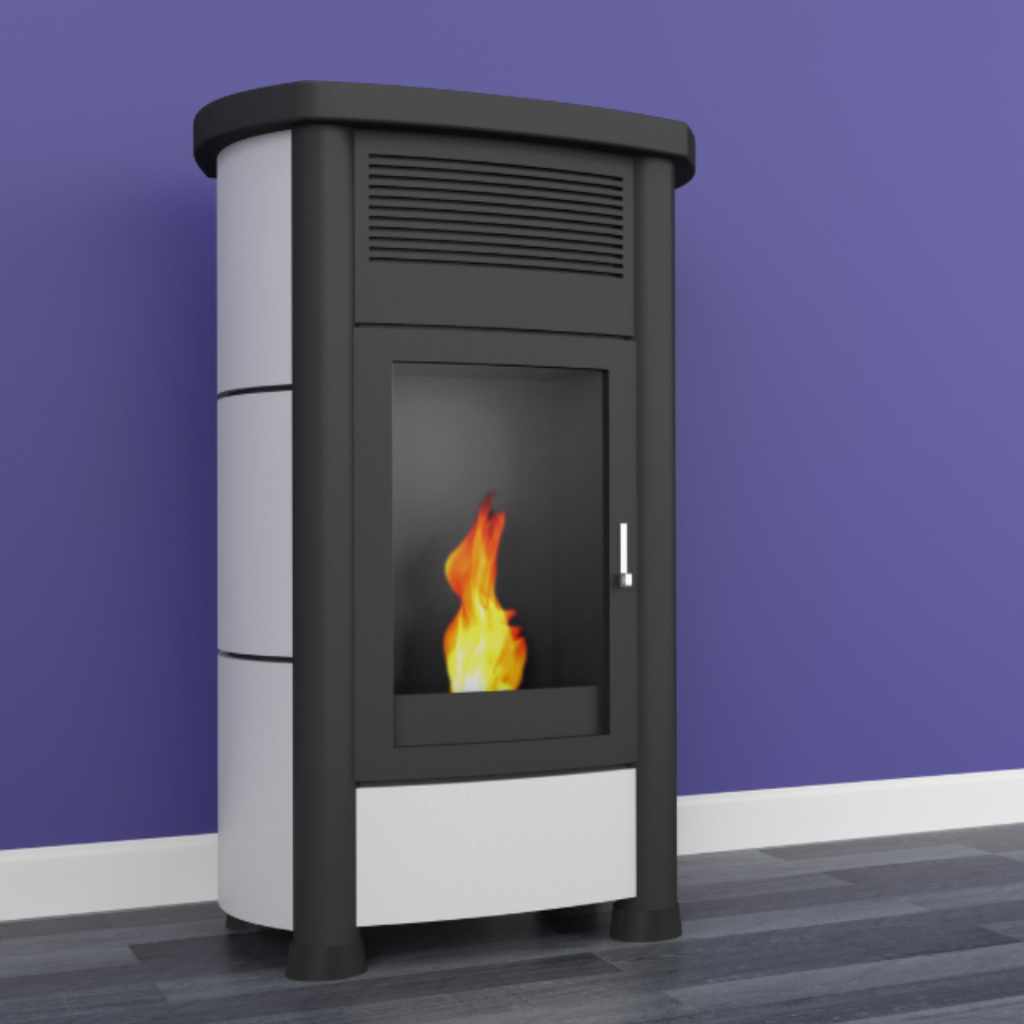
Pick a design that complements your home décor. Pellet stoves come in classic and modern styles. Some have glass fronts to see the flames. Others focus on simple, clean lines. Look for features like automatic ignition and easy cleaning. A hopper size that fits your usage saves refilling time. Quiet operation adds comfort to your living space. Select features that make your stove easy to use daily.
Preparing The Fireplace For Conversion
Preparing your fireplace for conversion to a pellet stove is an important step. It ensures safety and improves stove efficiency. Proper preparation helps your new stove work well and last longer.
Cleaning And Sealing The Chimney
Start by cleaning the chimney thoroughly. Remove soot, creosote, and debris to prevent fire hazards. A clean chimney allows smoke and gases to escape safely.
Check for cracks or gaps in the chimney walls. Seal any openings to stop leaks and drafts. Proper sealing improves heat efficiency and keeps your home safe.
Hire a professional chimney sweep if needed. They can inspect and clean your chimney to meet safety standards.
Installing A Pellet Stove Insert
Measure the fireplace opening carefully. The pellet stove insert must fit snugly without gaps. A tight fit helps the stove heat your room better.
Place the insert inside the fireplace. Connect it to the chimney using a proper venting system. This system must follow pellet stove guidelines for safe exhaust flow.
Ensure the stove insert is stable and level. Secure it to prevent movement or tipping. Check all seals and connections before use.
Follow the manufacturer’s instructions for installation. This ensures your stove works efficiently and safely from the start.
Installing Venting Systems
Installing venting systems is a key step to convert a fireplace to a pellet stove. Proper venting ensures safe smoke removal and efficient stove operation. It also protects your home from harmful gases. The right vent system helps the pellet stove work well and last longer.
Selecting Vent Pipe Materials
Choose vent pipes made of durable materials that resist heat and corrosion. Stainless steel pipes are a popular choice. They handle high temperatures and last many years. Avoid using pipes that can rust or melt. Double-wall pipes provide extra insulation and safety. Select the right diameter pipe to match your pellet stove’s requirements. Use pipes approved for pellet stove venting only.
Proper Vent Placement
Place the vent pipe to allow smooth airflow from the stove to outside. Avoid sharp bends or long horizontal runs. These can reduce draft and cause smoke to back up. The vent should exit through a wall or roof, following local building codes. Keep vents away from windows, doors, and air intakes. Make sure the vent is easy to inspect and clean. Proper placement helps your pellet stove work safely and efficiently.
Electrical And Safety Considerations
Converting a fireplace to a pellet stove involves important electrical and safety steps. These steps protect your home and ensure the stove runs smoothly. Understanding power needs and safety devices is key before installation.
Power Supply Requirements
A pellet stove needs electricity to run its fan and feed system. Check if your current fireplace area has a nearby power outlet. The stove usually requires a standard 120-volt outlet. Avoid using extension cords. A direct connection is safer and more reliable.
Consider hiring a licensed electrician to install a dedicated circuit. This prevents overload and reduces fire risk. Ensure the power source matches the stove’s specifications. Proper wiring supports efficient and safe operation.
Smoke And Carbon Monoxide Detectors
Safety devices like smoke and carbon monoxide detectors are essential. Pellet stoves burn fuel and can produce harmful gases. Install detectors near the stove and in sleeping areas. Test detectors regularly to ensure they work well.
Replace batteries yearly or as needed. Detectors alert you to dangerous conditions early. This helps protect your family and property. Never ignore alarms or disable these devices.
Operating And Maintaining Your Pellet Stove
Operating and maintaining your pellet stove is key for safe and efficient heating. Understanding how to load fuel and clean the stove helps it work well. Regular care extends the stove’s life and keeps your home warm.
Fuel Loading And Ignition
Use high-quality pellets for best results. Open the hopper lid and pour pellets inside. Fill it only up to the recommended level to avoid jams. Most stoves have an automatic ignition system. Press the start button and wait a few minutes. The stove will ignite the pellets and start producing heat. Always check the stove’s manual for specific instructions.
Routine Cleaning And Maintenance
Clean the burn pot every two to three days. Remove ash and leftover pellets to keep airflow clear. Empty the ash pan weekly to prevent buildup. Wipe the glass door with a soft cloth and cleaner made for stoves. Inspect the vent pipe monthly for blockages or damage. Schedule a professional service once a year for a deep clean and safety check.
Benefits Of Pellet Stove Conversion
Converting your fireplace to a pellet stove offers many benefits. It improves heating and reduces waste. Pellet stoves burn small wood pellets made from compressed sawdust. They produce more heat and less smoke than traditional fireplaces.
This change also helps save money and is better for the environment. Many homeowners choose pellet stoves for these reasons. They provide a cleaner, efficient way to keep your home warm.
Energy Efficiency
Pellet stoves use fuel more efficiently than wood fireplaces. They burn pellets at a steady rate, giving consistent heat. This steady burn means less fuel is wasted. Your home stays warmer for longer with less effort. Pellet stoves often have fans that spread heat evenly. This helps warm every corner of your room quickly.
Environmental Impact
Pellet stoves produce fewer emissions than wood-burning fireplaces. The pellets burn cleaner and create less smoke. This lowers the amount of harmful gases released into the air. Using pellets also helps reduce waste by recycling wood by-products. It is a greener choice for your home and the planet. Switching to a pellet stove helps protect the air quality around you.
Cost Savings
Pellet stoves can save you money on heating bills. Pellets are often cheaper than other heating fuels like gas or oil. The efficient burn means you use less fuel over time. Pellet stoves also need less maintenance than traditional fireplaces. This lowers costs for cleaning and repairs. Over time, the savings add up and make heating affordable.
Frequently Asked Questions
How Do I Convert A Fireplace To A Pellet Stove?
To convert a fireplace to a pellet stove, first remove the existing firebox. Install a pellet stove insert with proper venting. Ensure the chimney is compatible or install a new vent pipe. Follow local codes and safety guidelines for installation.
What Are The Benefits Of A Pellet Stove Conversion?
Pellet stoves offer higher efficiency and cleaner burning than traditional fireplaces. They reduce heating costs and provide consistent heat output. Pellet fuel is renewable and eco-friendly. Converting improves home heating and reduces smoke emissions.
Can I Use My Existing Chimney For Pellet Stove Venting?
In some cases, yes. Pellet stoves require a vent liner that fits inside the chimney. If the chimney is in good condition, a stainless-steel liner can be installed. Otherwise, a new vent pipe may be necessary for safety and efficiency.
How Much Does It Cost To Convert A Fireplace To A Pellet Stove?
The cost varies between $2,500 and $5,000. It depends on the pellet stove model, installation complexity, and chimney modifications. Additional expenses may include venting materials and labor. Always get multiple quotes and consider long-term savings.
Conclusion
Converting a fireplace to a pellet stove saves energy and cuts heating costs. It offers a cleaner, more efficient way to warm your home. Installation takes some planning but is worth the effort. Regular maintenance keeps the stove working well for years.
Enjoy cozy warmth with less smoke and fuss. This upgrade suits many homes and lifestyles. Start your project step by step and enjoy the benefits soon.