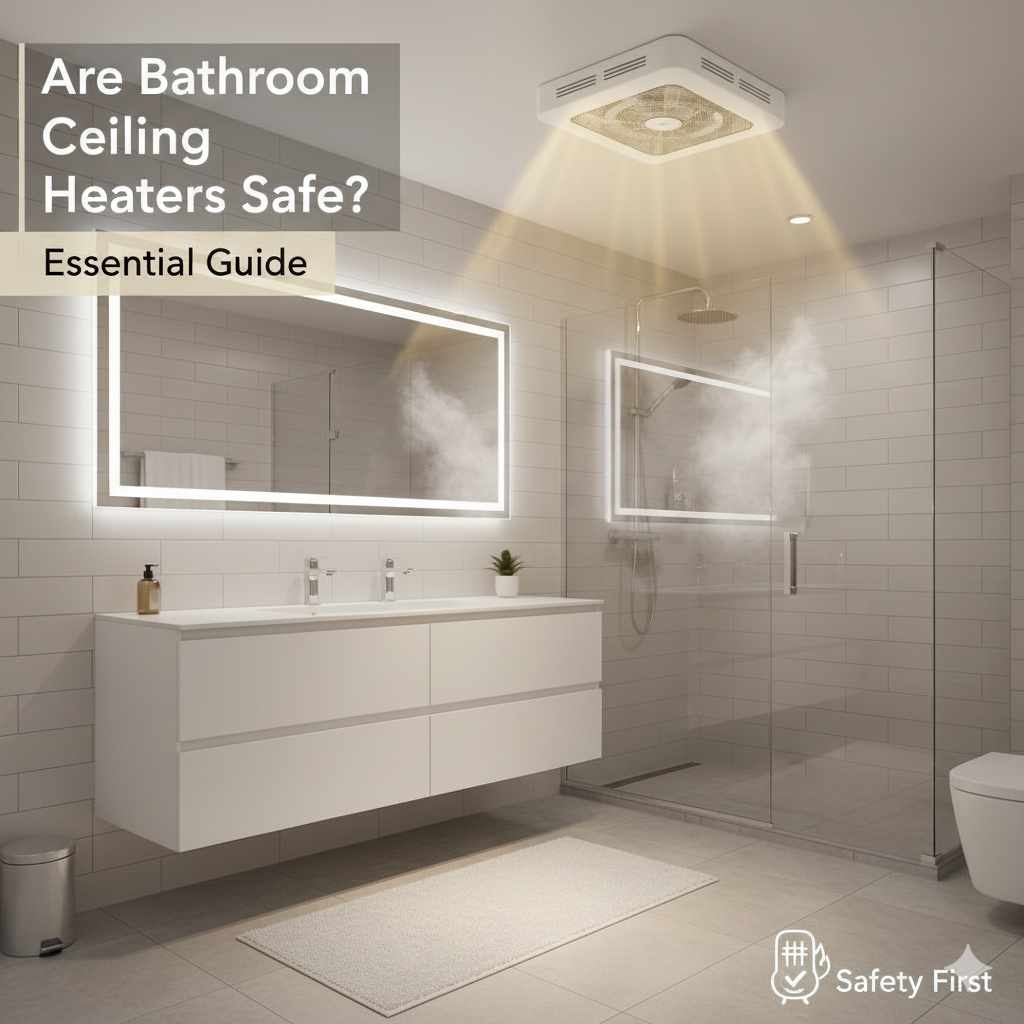
Bathroom Ceiling Heaters Are Safe When Installed Right
Yes, bathroom ceiling heaters are generally safe when properly installed and used according to manufacturer instructions. Key safety features, like overheat protection and robust construction, make them a reliable heating solution for bathrooms. Regular maintenance and correct installation are crucial for ensuring ongoing safety.
Feeling a chill when you step out of a steamy shower? It’s a common bathroom problem! Many homeowners wonder about adding a little extra warmth without cluttering precious floor space. That’s where bathroom ceiling heaters come in. These clever units are designed to tuck away unobtrusively, offering cozy comfort when you need it most. But before you consider one, a big question often comes to mind: are bathroom ceiling heaters safe? You’re in the right place to find out! We’ll break down everything you need to know in simple terms, so you can make a confident choice for your home.
Understanding Bathroom Ceiling Heaters: What Are They?
Bathroom ceiling heaters are specialized heating appliances designed to be installed directly into your bathroom’s ceiling. Unlike portable heaters that take up floor space or wall-mounted units that might interfere with your decor, these heaters are a discreet and efficient way to add warmth to a room that can often feel like the coldest spot in the house. They come in various types, but their core purpose is to provide targeted heat when and where you need it, especially in a space that experiences a lot of moisture.
Types of Bathroom Ceiling Heaters
There isn’t just one kind of ceiling heater; understanding the options can help you pick the best fit for your needs. The most common types you’ll encounter are:
- Infrared Panel Heaters: These work by emitting infrared radiation, which directly heats objects and people in the room, much like the sun. They don’t heat the air itself, so they can be very efficient for quick warmth. They are often sleek and flat, blending well into most ceiling designs.
- Fan Heaters (Forced Air): These are small, powerful units that draw in cooler air, heat it up, and then blow the warm air into the bathroom. They provide rapid heating of the entire room’s air. They often have a grille that sits flush with the ceiling.
- radiant heaters: Similar to infrared in principle, these emit radiant heat. They are excellent for making surfaces and people feel warm quickly, even if the air temperature isn’t extremely high.
Each type has its advantages, but the principle of being mounted above you offers a unique heating experience.
The Safety Question: Are Bathroom Ceiling Heaters Safe?
This is the big one, and the answer is a reassuring yes, when they are installed and used correctly. Safety is paramount, especially in a bathroom where water and electricity are present. Manufacturers understand this and build in several layers of protection to make these units safe for home use.
Key Safety Features to Look For
When choosing a bathroom ceiling heater, always look for these essential safety features. They are the hallmarks of a well-designed and trustworthy product:
- Overheat Protection: This is a critical feature. If the heater gets too hot for any reason (like a vent being blocked), this system automatically shuts it off to prevent damage or fire hazards.
- Thermostat Control: A built-in or compatible thermostat ensures the heater doesn’t continuously run at maximum power. It maintains a set temperature, preventing overheating and saving energy.
- Damp-Rated Construction: Bathrooms are humid environments. Heaters designed for bathrooms should be specifically rated to handle moisture and prevent corrosion or electrical shorts. Look for IP (Ingress Protection) ratings that indicate suitability for moist areas. For instance, an IPX4 rating means it’s protected against splashing water.
- Automatic Shut-Off Timers: Many models come with timers that can be set to turn off the heater after a certain period. This is great for ensuring you don’t accidentally leave it on for too long.
- Durable Materials: Quality heaters are made from robust, fire-resistant materials that can withstand the heat they generate.
- Grounding: Proper electrical grounding is essential for any electrical appliance, especially in a bathroom. Ensure the unit and its installation are correctly grounded.
These features work together to create a safe heating experience, allowing you to enjoy the warmth without worry.
Installation: The Most Crucial Step for Safety
While the heater itself might have great safety features, a faulty installation can compromise everything. This is why professional installation is highly recommended for bathroom ceiling heaters.
Why Professional Installation Matters
Electricians and qualified HVAC technicians have the expertise and tools to ensure your heater is installed correctly and safely. They will:
- Ensure Proper Wiring: Connecting the heater to your home’s electrical system correctly is vital. Incorrect wiring is a major fire hazard.
- Check for Grounding: A proper ground connection protects against electrical shocks.
- Secure the Unit: They’ll ensure the heater is firmly attached to the ceiling structure, preventing it from falling.
- Adhere to Building Codes: Professional installers are aware of local building and electrical codes that must be followed for safety and compliance. For tips on electrical safety, the National Safety Council offers valuable guidance.
- Install Controls Correctly: Whether it’s a thermostat or a timer, they’ll ensure it’s wired and functioning as intended.
Attempting a DIY installation without proper knowledge can be dangerous and may void your heater’s warranty. It’s an area where investing in professional help pays off significantly in peace of mind and safety.
How to Use Your Bathroom Ceiling Heater Safely
Once installed, using your bathroom ceiling heater safely is also key. It’s all about understanding how your specific unit works and following some general best practices:
Best Practices for Safe Usage
- Read the Manual: Every heater is different. Take the time to read and understand the manufacturer’s instructions for your specific model.
- Keep Vents Unobstructed: Never block the heater’s air intake or output vents. This is crucial for preventing overheating. Ensure nothing is placed directly above or below the heater that could block airflow.
- Avoid the Splash Zone: While designed for bathrooms, most ceiling heaters are not meant to be directly sprayed with water. Ensure they are installed away from the direct spray of showers or baths.
- Use Timers and Thermostats Wisely: Program your heater to run only when needed. Let the thermostat maintain the desired temperature; don’t set it to the highest setting all day if you’re not using the room.
- Regular Visual Checks: Periodically look at your heater. Do you see any signs of damage, discoloration, or debris around it? If so, turn it off and have it inspected.
- Supervise Heating: Don’t leave the heater running unattended for extended periods, especially when you’re not home, unless it has robust, built-in safety timers and thermostats.
- Keep Flammables Away: As with any heating appliance, keep towels, bathmats, cleaning supplies, and other flammable items a safe distance from the unit.
By simply being mindful and following these guidelines, you can enjoy the comfort of your ceiling heater without any safety concerns.
Comparing Ceiling Heaters to Other Bathroom Heating Options
It’s helpful to see how bathroom ceiling heaters stack up against other common heating solutions for bathrooms. Each has its pros and cons regarding safety, efficiency, and installation.
Ceiling Heaters vs. Other Options
Let’s look at a quick comparison:
| Heating Type | Safety Considerations | Installation Complexity | Efficiency | Space Usage |
|---|---|---|---|---|
| Ceiling Heaters | Generally high safety with proper installation; overheat protection and damp-rating are key. Requires professional electrical work. | Requires professional electrical installation into the ceiling. | Can be very efficient, especially radiant/infrared types for direct warmth. Forced air can heat the room quickly. | Excellent. Hidden in the ceiling, saves all floor and wall space. |
| Portable Electric Heaters | Vary widely. Look for tip-over cut-off, overheat protection. Must be kept away from water and flammables. Can be a trip hazard. | Plug-and-play; no installation needed. But requires an accessible, safe outlet. | Can be energy-intensive as they often heat only the immediate area. | Takes up floor space; needs storage when not in use. |
| Wall-Mounted Fan Heaters | Good safety if installed correctly and kept clear. Requires professional electrical work. Many have built-in safety features. | Requires professional electrical installation into a wall. | Heats air quickly; can be efficient for short periods. | Takes up wall space; can obstruct placement of vanities or fixtures. |
| Underfloor Heating (Electric or Hydronic) | Very safe once installed; electrical components are covered by flooring. Professional installation is essential. | Requires professional installation during bathroom renovation. Complex and invasive. | Highly efficient, provides even, comfortable warmth. Can take time to heat up. | Completely out of sight. No space occupied. |
As you can see, ceiling heaters offer a compelling balance of safety, efficiency, and space-saving design, especially when compared to portable units or wall-mounted alternatives. For the ultimate in safety and integration, especially during a remodel, underfloor heating is also a fantastic, albeit more involved, option.
Maintenance: Keeping Your Heater Safe and Sound
Regular maintenance is an often-overlooked aspect of appliance safety. For your bathroom ceiling heater, a little bit of periodic attention can go a long way in ensuring it remains safe and functions optimally.
Simple Maintenance Steps
- Annual Cleaning: Dust and debris can accumulate on the heater’s grille and internal components over time, which can reduce efficiency and potentially become a fire hazard. Turn off the power at the breaker before cleaning. Gently vacuum the grille or use a soft brush to remove any dust. Some models may allow for the grille to be removed for deeper cleaning – check your manual.
- Check for Obstructions: Before each use, especially after cleaning or if you suspect something might have fallen above the ceiling, quickly check that the vents are clear and free from any obstructions.
- Inspect the Wiring (Visually): Occasionally, if you can safely access the area around the heater (like an attic space above), do a quick visual check of the exposed wiring connections. Look for any signs of fraying, discoloration, or loose connections. If you see anything concerning, call a professional immediately.
- Test Safety Features: If your heater has features like an overheat sensor or a timer, test them periodically to ensure they are working correctly. For example, see if the timer shuts off the unit as programmed, or if the overheat protector engages if the unit senses it’s too warm (this should be done cautiously for a very brief period, following manufacturer guidelines).
- Professional Check-ups: Consider having a qualified electrician inspect your ceiling heater every few years, especially if it’s an older unit or if you’ve noticed any unusual behaviour, sounds, or smells. They can identify potential issues that might not be obvious to the untrained eye. You can find resources for qualified electricians and home safety tips through organizations like The National Fire Protection Association (NFPA).
Good maintenance isn’t just about keeping your heater running; it’s about ensuring it remains a safe addition to your bathroom.
Common Misconceptions About Bathroom Ceiling Heater Safety
There are a few common worries people have about any electrical appliance in a bathroom, especially one installed overhead. Let’s clear them up:
- Myth: All ceiling heaters are a fire risk in a bathroom. Fact: This is untrue. Modern, well-manufactured ceiling heaters designed for bathroom use have multiple safety features, including overheat protection and damp-rated construction, making them safe when installed and used correctly.
- Myth: If it’s in the ceiling, it’s too close to the roof for safe operation. Fact: Ceiling heaters are designed with insulation and clearances in mind. They have specific installation requirements to ensure adequate airflow and prevent heat buildup in the ceiling cavity. Manufacturers provide these detailed specifications.
- Myth: Any electrician can install them. Fact: While many electricians can, it’s best to use one experienced with installing these specific types of heaters, especially those familiar with bathroom safety regulations for electrical work. They understand the nuances of moisture and dual-zone wiring.
- Myth: They are dangerous if the shower sprays water on them. Fact: Most ceiling heaters are designed to withstand humidity and occasional splashes, but they are not meant to be directly sprayed with a showerhead. Proper installation away from the direct water stream is usually sufficient. Look for IP ratings.
Understanding the facts helps demystify these appliances and build confidence in their safe use.
When to Call a Professional
While some maintenance can be done by homeowners, certain situations absolutely require calling a qualified electrician or HVAC professional. Don’t hesitate to reach out for help if you:
- Are unsure about the installation process.
- Notice any unusual smells (burning, plastic) coming from the heater.
- See sparks or hear popping noises.
- Find any damage to the unit or its wiring.
- Experience flickering lights when the heater turns on or off.
- The heater fails to turn on or off as expected.
- The safety features (like overheat protection) seem to be malfunctioning.
- You’re planning a new installation or a major renovation that involves electrical work.
Your safety is far more important than saving a few dollars. Professionals have the tools, knowledge, and safety equipment to handle electrical work safely and effectively.
Frequently Asked Questions (FAQ)
Q1: Can humidity in the bathroom affect a ceiling heater?
A1: Yes, humidity is a factor. That’s why it’s crucial to choose heaters specifically designed for bathrooms and rated for damp or wet environments and ensure they are installed correctly. Proper ventilation in your bathroom also helps manage moisture levels.
Q2: How much space is needed between the heater and the ceiling?
A2: This varies by model. Always refer to the manufacturer’s installation manual. It will specify the minimum clearance required for safe operation and proper airflow to prevent overheating.
Q3: Are ceiling heaters energy-efficient?
A3: They can be. Infrared and radiant types are efficient for direct, quick heating. Forced-air types heat the room faster. Their efficiency also depends on proper sizing for the room and using thermostats and timers effectively to avoid unnecessary energy consumption.
Q4: Can I install a bathroom ceiling heater myself?
A4: While basic tasks might seem straightforward, electrical work in a bathroom, especially incorporating a new appliance, is complex and carries significant safety risks if done incorrectly. Professional installation is strongly recommended for safety and compliance with building codes.
Q5: How often should a bathroom ceiling heater be serviced?
A5: Routine cleaning should be done quarterly or as needed. A professional inspection is recommended every 3-5 years, or sooner if you notice any issues. Always consult your owner’s manual for specific maintenance recommendations.
Q6: What if my bathroom doesn’t have much ceiling space?
A6: Some ceiling heaters are designed for very shallow ceiling cavities. It’s essential to measure your available space and check the heater’s specifications. If ceiling installation isn’t feasible, you might consider a specialized wall-mounted bathroom heater.
Conclusion
So, are bathroom ceiling heaters safe? Our deep dive shows that, with the right approach, they are indeed a safe and highly effective way to bring cozy warmth to your bathroom. The key lies in choosing a quality, purpose-built unit and, most importantly, ensuring it’s installed by a qualified professional. By understanding the safety features, following best practices for usage, and performing basic maintenance, you can enjoy the comfort of a warm bathroom without any lingering concerns.
Don’t let a chilly bathroom dampen your spirits after a relaxing shower or a long soak. With the knowledge you’ve gained here, you’re well-equipped to explore bathroom ceiling heaters as a safe, practical, and space-saving solution for a more comfortable home. Embrace the warmth and make your bathroom a truly inviting sanctuary!