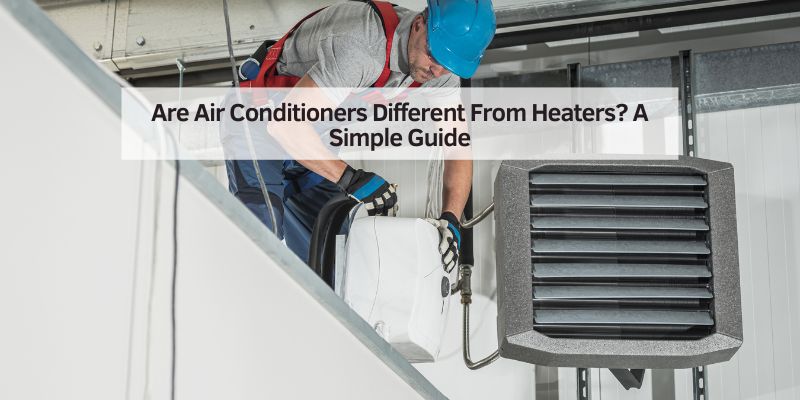
Are Air Conditioners Different From Heaters? A Simple Guide
Last summer, I was sweating in my living room, wishing for a cool breeze. Then winter hit, and I was shivering, dreaming of cozy warmth. Sound familiar? I wondered, are air conditioners different from heaters? Let’s dive into this question with a fun, easy guide! I’ll share what I’ve learned from tinkering with my home’s cooling and heating, explain the differences, and give you practical tips. This article covers what air conditioners and heaters are, how they work, and simple ways to use them. Whether you’re a beginner or a tech-savvy reader, you’ll find clear answers and ideas to stay comfy year-round!
What Are Air Conditioners and Heaters?
Air conditioners and heaters do opposite jobs. An air conditioner cools your home by removing heat. A heater warms it by adding heat. Simple, right? But here’s where it gets fun: some units, called heat pumps, can do both! I learned this when I got a reverse-cycle air conditioner for my apartment. It’s like a superhero that switches from cooling to heating with one button.
Air conditioners use a refrigeration cycle. They pull hot air from your room, cool it, and blow it back out. Heaters, like electric ones, create heat by turning electricity into warmth. Think of an air conditioner as a fan that chills air and a heater as a cozy campfire in a box. Both make your home comfy, but they work in different ways.
How Do Air Conditioners Work?
Air conditioners are like magic cooling boxes. They have a compressor, condenser, evaporator, and refrigerant (a special liquid). Here’s a simple breakdown:
- Sucks in hot air: The unit grabs warm air from your room.
- Cools it down: The refrigerant absorbs heat, making the air chilly.
- Blows it out: A fan pushes cool air back into your space.
I once installed a window air conditioner in my bedroom. It was a piece of cake! It cooled my room in minutes, but I learned to clean the filter monthly to keep it running well. Regular maintenance saves energy and money.
How Do Heaters Work?
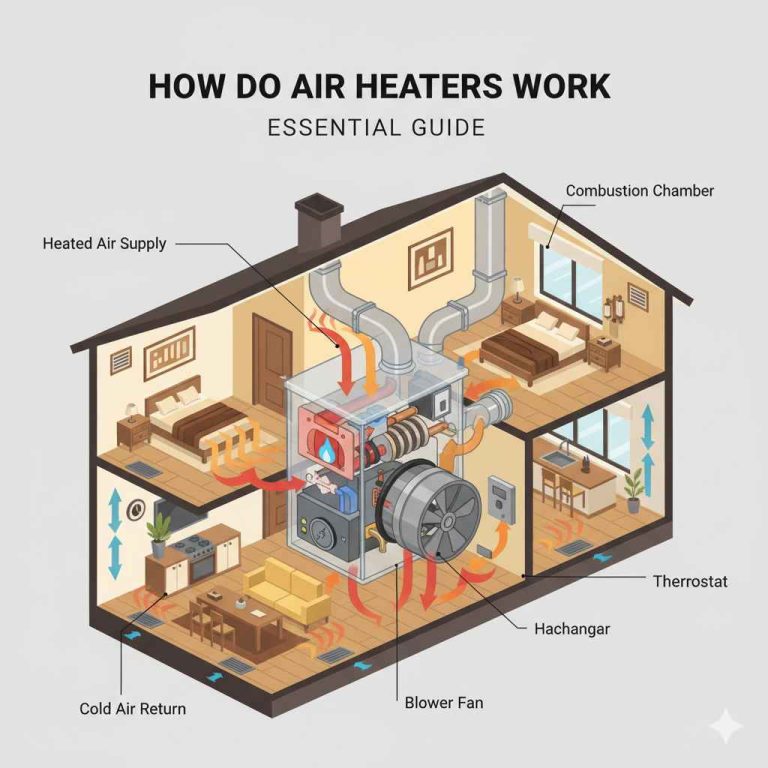
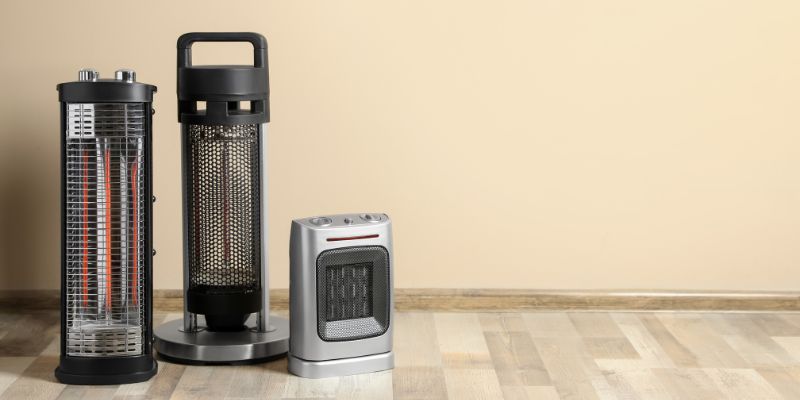
Heaters are simpler. They turn energy into heat. Electric heaters use a coil that gets hot when electricity flows through it. Gas heaters burn fuel to make warmth. Here’s how they work:
- Energy in: Electricity or gas powers the heater.
- Heat up: A coil or burner creates warmth.
- Spread it out: A fan or natural airflow moves warm air.
My first heater was a small electric one. It warmed my feet but didn’t heat the whole room. I learned that heaters work best in small spaces unless you get a big unit.
Are Air Conditioners Different From Heaters?
Yes, they’re different, but some units blur the line. Air conditioners focus on cooling by moving heat out. Heaters focus on creating warmth. A heat pump or reverse-cycle air conditioner can do both, switching modes to cool or heat. I love my reverse-cycle unit because it saves space and money—no need for two machines!
Here’s a quick comparison table to make it clear:
| Feature | Air Conditioner | Heater |
|---|---|---|
| Main Job | Cools by removing heat | Warms by creating heat |
| Energy Use | Uses electricity (3-4x efficient in heat mode) | Uses electricity or gas (1:1 efficiency) |
| Best For | Hot summers | Cold winters |
| Cost to Run | Cheaper in heat mode (heat pumps) | More expensive for electric heaters |
Table 1: Comparing Air Conditioners and Heaters
Can You Use an Air Conditioner as a Heater?
Some air conditioners can heat, too! These are called reverse-cycle air conditioners or heat pumps. They reverse the cooling process to pull heat from outside air (even if it’s cold!) and bring it inside. I was amazed when my heat pump warmed my living room on a chilly 40°F day. It’s like stealing warmth from the outdoors!
To check if your air conditioner can heat, look at the control panel. If it has a “heat mode” button, you’re good to go. But in super cold places (below 20°F), heat pumps lose efficiency and may need a backup heater. For more details, check out Carrier’s guide on heat pumps vs. air conditioners.
Benefits and Drawbacks
Both systems have pros and cons. Here’s what I’ve found:
Air Conditioners (or Heat Pumps)
- Benefits: Cool in summer, heat in winter (if reverse-cycle). Energy-efficient (3-4 times more than heaters). Evenly spreads air.
- Drawbacks: Cost more upfront (e.g., $1,300 for a small split system). Need regular cleaning. Less effective in extreme cold.
Heaters
- Benefits: Cheap to buy (as low as $35). Great for small spaces. Quick warmth.
- Drawbacks: Use more electricity (1:1 energy ratio). Can be uneven, warming only nearby areas. Fire risks if misused.
I once left a heater too close to curtains—yikes! Always keep heaters away from flammable stuff for safety.
Easy Tips for Using Air Conditioners and Heaters
Here are my go-to tips to save money and stay comfy:
- Set smart temperatures: Keep air conditioners at 78°F for cooling and 68°F for heating. For heaters, try 65°F to save energy.
- Clean filters: Dusty filters make units work harder. Clean them monthly for better airflow.
- Use a timer: Set your unit to turn off when you’re asleep or out. My timer saved me $20 a month!
- Layer up: Wear socks or a sweater instead of cranking the heater to 80°F. It’s cheaper and cozy!
Common Mistakes to Avoid
I’ve made some rookie errors. Don’t do these:
- Running at crazy temperatures: Setting your air conditioner to 85°F for heat (like I did once) wastes energy. Stick to 68-78°F.
- Ignoring maintenance: Dirty filters or coils make units less efficient. Clean them regularly.
- Placing heaters unsafely: Keep heaters 3 feet from furniture or curtains to avoid fire risks.
Comparing Costs: Air Conditioner vs. Heater
Costs depend on the unit and how you use it. Here’s a simple table based on my research and bills:
| Unit Type | Upfront Cost | Running Cost (6 hrs/day, 3 months) |
|---|---|---|
| Reverse-Cycle AC | $1,300–$15,000 | $50–$150 (high efficiency) |
| Electric Heater | $35–$1,400 | $100–$300 (lower efficiency) |
| Gas Heater | $500–$2,000 | $80–$200 (depends on gas prices) |
Table 2: Cost Comparison for Heating a Room
Reverse-cycle air conditioners are cheaper to run because they move heat, not create it. Electric heaters cost more over time. For more cost-saving tips, visit Daikin’s heat pump guide.
Fun Project: Test Your Home’s Comfort
Want to try something cool? Test which unit works best in your home! Here’s how:
- Pick a room: Choose a small space, like a bedroom.
- Use a thermometer: Check the temperature before and after running your air conditioner or heater for 30 minutes.
- Compare comfort: Note how even the temperature feels. Does the whole room warm up or just one spot?
I did this with my heater and heat pump. The heat pump warmed my room evenly, while the heater left cold corners. Share your results with friends—it’s like a science experiment!
Visual Idea: A simple diagram showing how a heat pump moves heat from outside to inside could help. Another idea: a chart comparing room temperature changes with different units.
Why I Love Reverse-Cycle Units
After trying both, I’m Team Heat Pump! My reverse-cycle unit saves space and cuts my electric bill. It’s like having a Swiss Army knife for comfort. Plus, it’s safer than a heater—no hot coils to worry about. If you’re in a mild climate like mine (hello, Virginia!), a heat pump is a no-brainer. For colder areas, pair it with a small heater for backup.
For more on why heat pumps rock, check out Energy Star’s guide.
Conclusion
Air conditioners and heaters are different beasts, but some units, like heat pumps, can do both jobs. Air conditioners cool by moving heat out, while heaters warm by creating heat. Reverse-cycle units are the best of both worlds, saving money and space. Try my room-testing project to see what works for you! Share your setup or tips with friends—it’s fun to compare. Stay comfy, and let’s keep the cozy vibes going!
Frequently Asked Questions
What’s the main difference between an air conditioner and a heater?
An air conditioner cools by removing heat, while a heater warms by creating heat. Reverse-cycle units can do both by moving heat in or out.
Can all air conditioners heat a room?
Not all can. Only reverse-cycle air conditioners or heat pumps have a heating mode. Check your unit’s control panel for a “heat” option.
Are heaters cheaper to run than air conditioners?
No, reverse-cycle air conditioners are 3-4 times more efficient than electric heaters, saving money on bills, especially in mild climates.
What’s a heat pump?
A heat pump is a device that moves heat to cool or warm a room. It’s like an air conditioner that can work in reverse.
Are heaters safe to use?
Yes, if used carefully. Keep heaters 3 feet from flammable items like curtains and never leave them unattended.
How do I save money on heating and cooling?
Set air conditioners to 78°F for cooling, 68°F for heating. Clean filters monthly and use timers to cut energy use.
What’s better for a small room?
A small electric heater is great for quick warmth in a tiny space. For even heating, a reverse-cycle air conditioner is better.