Do All Electric Water Heaters Have Glass Lining?
Are you wondering if all electric water heaters have glass lining inside? It’s a question many homeowners ask when choosing the right water heater for their home.
Understanding this detail can save you from costly repairs and improve your heater’s lifespan. You’ll discover the truth about glass lining in electric water heaters, why it matters, and how it affects your daily comfort. Keep reading to make an informed choice that fits your needs perfectly.
Types Of Electric Water Heaters
Electric water heaters come in different types. Each type has unique features and benefits. Choosing the right type affects your home’s hot water supply and energy use. Understanding these types helps you pick the best one for your needs.
Below are the main types of electric water heaters and their construction materials.
Tank Vs Tankless Models
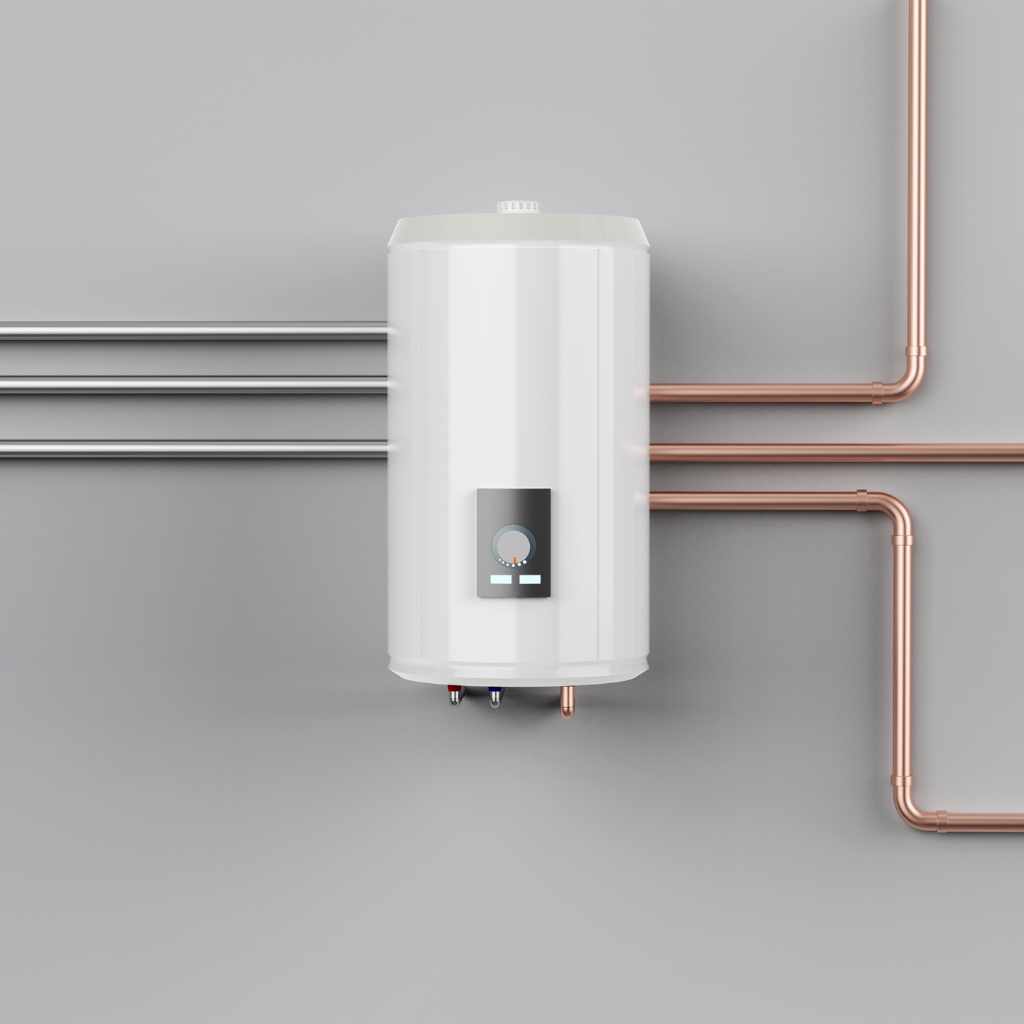
Tank water heaters store hot water in a large tank. They keep water heated all the time. This makes hot water ready to use quickly. But they use more energy because of constant heating.
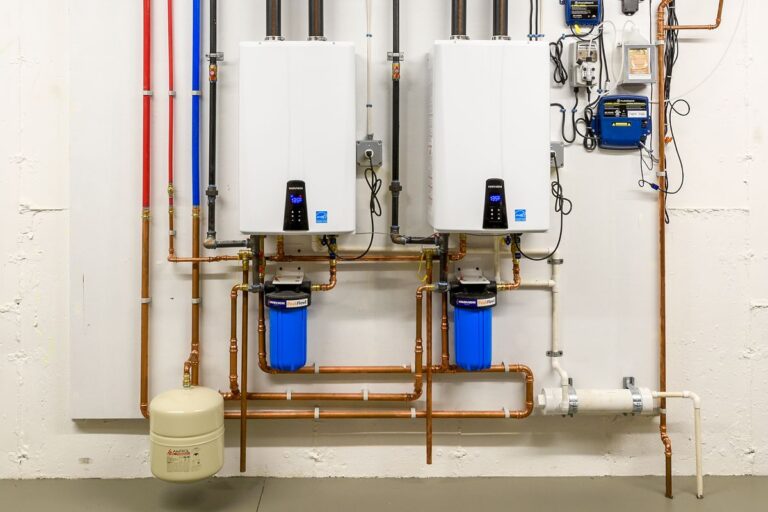
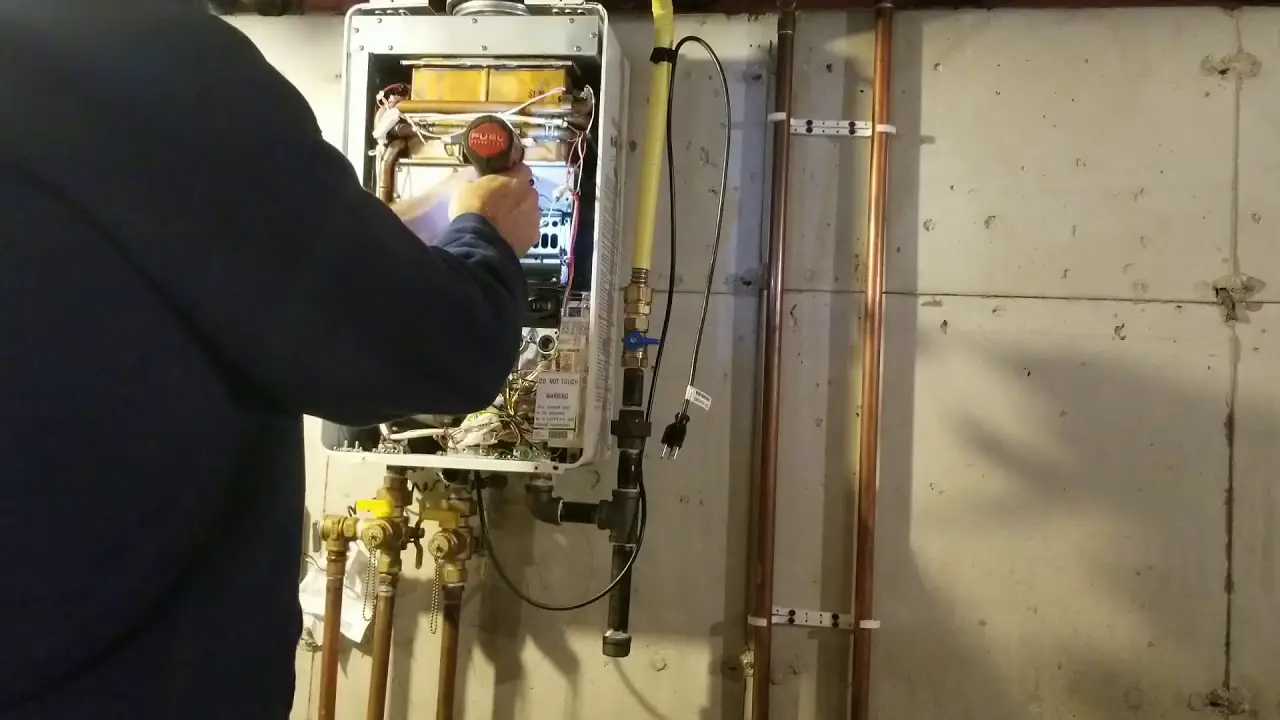
Tankless water heaters heat water only when needed. They do not store water. This saves energy as water heats on demand. They are smaller and fit in tight spaces. However, they may have limits on how much hot water they can deliver at once.
Materials Used In Construction
Electric water heaters often use glass-lined tanks. This coating protects the tank from rust and corrosion. Not all models have glass lining, but it is common in tank types.
Other materials include stainless steel and plastic components. Stainless steel tanks resist corrosion well but cost more. Plastic parts help reduce weight and prevent rust in some models.
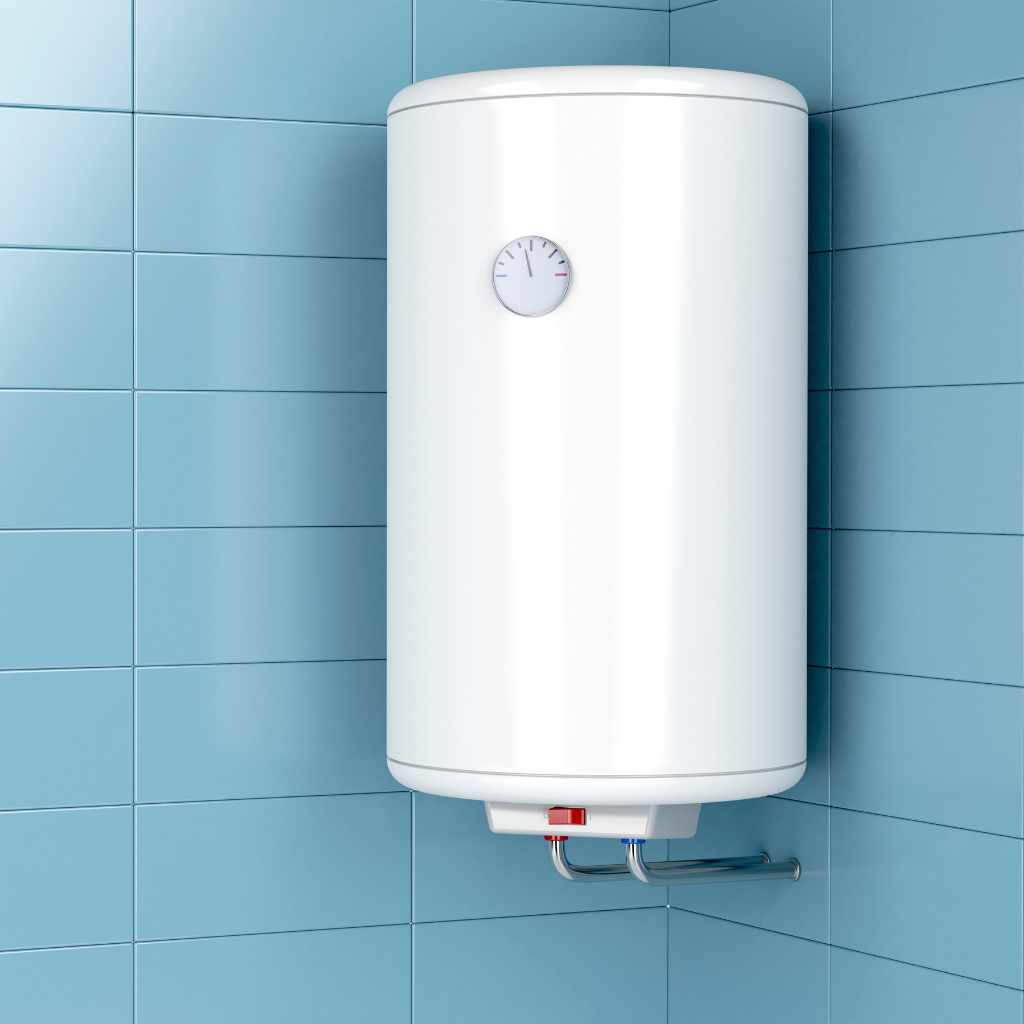
What Is Glass Lining?
Glass lining is a special coating applied inside many water heaters. It forms a smooth, protective layer on the tank’s metal surface. This layer stops water from touching the metal directly. The main goal is to prevent rust and corrosion. Not all electric water heaters have glass lining, but many do for added protection.
Purpose And Benefits
Glass lining protects the metal tank from rusting. Rust can cause leaks and damage the heater. The coating helps the tank last longer. It also keeps water cleaner by stopping metal particles from mixing with it. This lining improves the heater’s safety by reducing the risk of corrosion-related problems. Overall, it helps keep your water heater working well for years.
Common Misconceptions
Some people think all electric water heaters have glass lining. That is not true. Some models use other materials or coatings. Others rely on stainless steel tanks without glass lining. Another myth is that glass lining removes all maintenance needs. It only reduces corrosion but does not eliminate all risks. Regular checks and care are still important for every water heater.
Do All Electric Water Heaters Have Glass Lining?
Do all electric water heaters have glass lining? The answer is no. Not every electric water heater uses glass lining inside the tank. Glass lining is a protective layer that helps prevent rust and corrosion. It extends the life of the water heater. But some models use different materials or designs.
Understanding which water heaters have glass lining helps buyers choose the right one. It also shows how manufacturers protect their tanks from damage. Let’s explore which models come with glass lining and what alternatives exist.
Models With Glass Lined Tanks
Many electric water heaters use glass-lined tanks. These tanks have a thin layer of glass fused to the inside metal surface. The glass acts as a shield against rust and corrosion. Glass lining works well in water heaters with steel tanks.
This lining keeps water from touching the steel directly. It helps tanks last longer and reduces the chance of leaks. Glass-lined tanks are common in residential electric water heaters. They offer good protection and reliability for everyday use.
Alternatives To Glass Lining
Some electric water heaters do not have glass lining. Instead, they use other methods to avoid corrosion. One option is stainless steel tanks. Stainless steel resists rust without needing a glass layer.
Another alternative is plastic or polymer tanks. These materials do not corrode like metal. They provide a different way to protect the tank. These tanks can be lighter and sometimes cheaper. But they may not be as durable as glass-lined steel tanks.
Manufacturers choose materials based on cost, durability, and water conditions. Knowing these options helps you pick a water heater that fits your needs.
Advantages Of Glass Lined Water Heaters
Glass lined water heaters offer several clear benefits that improve their performance and lifespan. The glass coating inside the tank protects it from common issues like rust and damage. This protection helps the heater work better for a longer time. Understanding these advantages can help you choose the right water heater for your home.
Corrosion Resistance
The glass lining acts as a barrier between water and the metal tank. This barrier stops rust from forming inside. Rust can cause leaks and damage the heater quickly. The glass surface resists chemical reactions that cause corrosion. This keeps the tank strong and safe for years. Many electric water heaters use this lining to improve durability.
Longevity And Maintenance
Glass lined water heaters last longer than unlined tanks. The protective layer reduces wear and tear inside the tank. It also lowers the need for frequent repairs and replacements. Maintenance becomes easier because the glass surface prevents sediment buildup. Clean tanks mean better water quality and efficient heating. This saves time and money over the heater’s life.
Myths About Glass Lined Water Heaters
Glass lined water heaters often create confusion. Many people believe wrong facts about them. Clearing these myths helps in making smart choices.
Understanding the truth about glass lining avoids wasted money and effort. It also ensures better maintenance and longer heater life.
Myth: All Electric Heaters Are Glass Lined
Not every electric water heater has a glass lining. Some models use other materials inside the tank. Steel or plastic liners are common alternatives.
Glass lining adds protection but increases the cost. Some manufacturers skip it to lower prices. Buyers must check product details carefully.
Myth: Glass Lining Prevents All Damage
Glass lining protects the tank but does not stop all damage. It can crack or wear out over time. Corrosion can still happen around damaged spots.
Regular checks and maintenance remain necessary. Glass lining extends the heater’s life but does not make it unbreakable.
Choosing The Right Water Heater
Choosing the right water heater matters a lot for your home. It affects comfort, energy bills, and the heater’s lifespan. Many options exist, each with different features and benefits. Understanding key factors helps pick the best unit for your needs.
Factors To Consider
Start by checking your household size and hot water use. Small families need smaller tanks, while larger ones need bigger storage. Consider the space where you will install the heater. Some models fit better in tight areas. Also, think about your budget and long-term savings.
Material And Durability
Water heaters use different materials inside the tank. Glass-lined tanks resist rust and corrosion better. This lining protects the metal and extends the heater’s life. Some heaters use stainless steel tanks that also last long. The material choice impacts how often you replace or repair the unit.
Energy Efficiency
Energy-efficient water heaters save money on electricity bills. Look for models with good energy ratings. Electric heaters with better insulation keep water hot longer. This reduces power use. Choosing an efficient heater helps the environment and lowers monthly costs.
Care And Maintenance Tips
Proper care and maintenance of electric water heaters keep them working well. Regular checks help avoid sudden breakdowns and costly repairs. Taking small steps can improve your heater’s efficiency and extend its life.
Many electric water heaters have glass-lined tanks to prevent rust. Maintaining this lining helps keep water clean and the heater running smoothly. Following simple tips ensures your water heater stays safe and effective.
Extending Water Heater Life
Flush the tank once a year to remove sediment buildup. Sediment can damage the tank and reduce heating efficiency. Check the anode rod every 2 years. Replace it if it looks worn or corroded. The anode rod protects the glass lining and prevents rust. Set the thermostat to 120°F to save energy and avoid overheating. Keep the area around the water heater clean and free from dust. Dust can cause the heater to work harder and wear out faster.
Signs Of Wear And When To Replace
Look for rust-colored water from the tap. It may mean the glass lining is damaged. Strange noises like popping or banging signal sediment buildup or tank damage. Leaks near the base of the heater show it may need replacing. If hot water runs out quickly, the tank might be failing. Frequent repairs or high energy bills are also warning signs. Replace the water heater if it is older than 10-15 years, even without obvious problems.
Frequently Asked Questions
Are All Electric Water Heaters Glass Lined Inside?
No, not all electric water heaters have glass-lined tanks. Many models use glass lining to prevent corrosion. However, some use stainless steel or other materials for durability and cost-effectiveness.
Why Is Glass Lining Used In Electric Water Heaters?
Glass lining protects the tank from rust and corrosion. It extends the water heater’s lifespan and maintains water quality by preventing metal contamination.
Do Glass Lined Water Heaters Require Special Maintenance?
Glass lined water heaters need regular maintenance like flushing to remove sediment. Proper care helps preserve the glass lining and prevents damage.
Can Electric Water Heaters Without Glass Lining Last Long?
Yes, some electric water heaters use stainless steel tanks that resist corrosion. These can also last long with proper maintenance and care.
Conclusion
Not all electric water heaters have a glass lining. Some use different materials for protection and durability. Glass lining helps prevent rust and extends heater life. Still, models vary by brand and type. Choosing the right heater depends on your needs and budget.
Understanding this helps you pick a better water heater. Always check product details before buying. This way, you get the heater that suits your home best.