Are All Forced Hot Water Heaters Closed Systems?
Have you ever wondered if all forced hot water heaters work the same way? Specifically, are they all closed systems?
Understanding this can save you from costly mistakes and help you maintain your heater better. You’ll discover the truth about forced hot water heaters and why knowing whether yours is a closed system matters for your safety and efficiency. Keep reading—what you learn here could change how you care for your home’s heating.
Forced Hot Water Heater Basics
Forced hot water heaters provide warmth by moving hot water through pipes. These systems heat water and send it to radiators or baseboards. The warmth spreads through the house, making rooms cozy.
Understanding how these heaters work helps you know if they are closed or open systems. Learning about the parts and their roles makes the system easier to maintain.
How Forced Hot Water Heaters Work
The heater warms water in a boiler using gas, oil, or electricity. A pump pushes hot water through pipes to heat your home. After releasing heat, the cooler water returns to the boiler. This cycle repeats to keep your house warm.
The system uses pressure to move water efficiently. It keeps water moving in a loop so heat spreads evenly. This method saves energy and heats rooms faster than some other systems.
Components Of The System
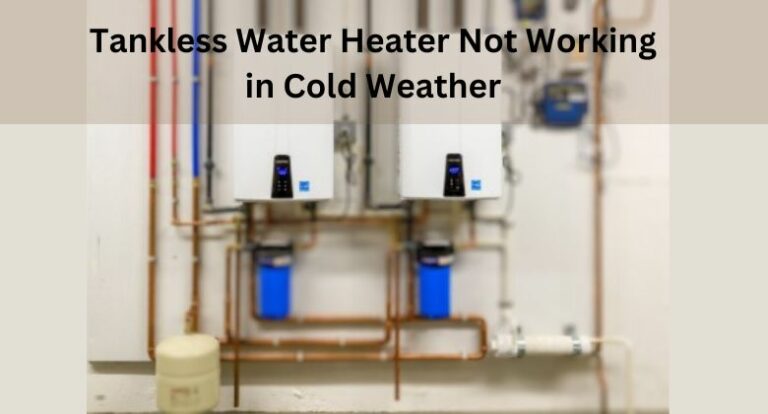
The main parts include the boiler, pump, pipes, and radiators. The boiler heats the water. The pump moves water through the system. Pipes carry hot water to radiators or baseboards. Radiators release heat into rooms.
Other parts include expansion tanks and valves. Expansion tanks control water pressure as it heats. Valves help regulate flow and temperature. Each component works together for smooth operation.

Closed Vs Open Systems
Understanding the difference between closed and open systems is important for hot water heaters. These systems control how water moves and how pressure is managed inside the heater. Each system has unique benefits and drawbacks. Knowing these can help you choose the right heater for your home.
Characteristics Of Closed Systems
Closed systems keep water sealed inside pipes and tanks. Water does not touch air. Pressure is controlled by a special valve called an expansion tank. This valve helps prevent damage from high pressure. Closed systems reduce the chance of rust and corrosion. They keep water clean and safe for use.
Features Of Open Systems
Open systems allow water to meet air directly. They use an open tank to handle pressure changes. This tank is often called an expansion tank or vented tank. Open systems can lose water due to evaporation or leaks. They may need more maintenance to avoid rust and mineral build-up. These systems are often simpler and less costly.
Are All Forced Hot Water Heaters Closed?
Many people wonder if all forced hot water heaters use a closed system. The answer is not a simple yes or no. The design of these heaters depends on their type and use. Understanding whether a system is closed or open helps in maintenance and safety. This section explains the common setups and some exceptions.
Common Configurations
Most forced hot water heaters use a closed system. This means water circulates inside sealed pipes and tanks. The water does not mix with air or outside elements. Pressure stays controlled to prevent leaks and damage. Closed systems are common in homes for heating and hot water supply. They are efficient and reduce the risk of corrosion.
Exceptions To The Rule
Not all forced hot water heaters are closed systems. Some older models use open systems. These allow air to enter the system through vents. Open systems often have a tank open to the atmosphere. They may require more maintenance and risk faster wear. Certain industrial or special-use heaters might also use open designs for specific reasons.
Benefits Of Closed Systems
Closed systems in forced hot water heaters offer important benefits. They keep water sealed inside pipes and tanks. This setup helps improve how the heater works and keeps it safe. Many homeowners prefer closed systems for these clear advantages.
Efficiency And Safety
Closed systems help keep water pressure steady. This improves heat distribution throughout the home. The heater uses less energy to keep water warm. It reduces heat loss by preventing water exposure to air. Safety improves because closed systems stop air and contaminants from entering. This reduces corrosion and damage inside the heater. The risk of leaks or bursts is lower in closed systems. This protects your home from water damage and costly repairs.
Maintenance Advantages
Closed systems need less frequent maintenance. The sealed environment prevents rust and buildup inside pipes. This means fewer repairs and longer heater life. It also keeps the water cleaner and safer to use. Checking the system is easier because pressure stays stable. Problems are easier to spot early in closed systems. This saves time and money on service calls. Homeowners enjoy a more reliable hot water supply over time.
Identifying Your System Type
Identifying the type of your forced hot water heater system helps you understand its function and maintenance needs. Not all forced hot water heaters are closed systems. Some are open, allowing water to expand and vent freely. Others are closed, sealed to prevent air entry and pressure loss.
Knowing your system type guides you in proper care and troubleshooting. It also ensures safety and efficiency in your heating setup.
Visual Inspection Tips
Look for an expansion tank near the heater. A closed system usually has one. Check for a vent pipe or open tank. These parts indicate an open system. Inspect the pressure relief valve. It should be sealed and connected to a drain pipe in closed systems. Open systems may have a vent or open tank instead. Note any labels or markings on the heater. They often show system type or pressure ratings.
Consulting Manufacturer Specifications
Find the heater’s model number on its label. Search for the manual or datasheet online. Manufacturer documents clearly state if the system is closed or open. They describe parts and how the system works. Manuals also explain installation and maintenance tips. Use this info to confirm what you saw during inspection. Contact manufacturer support for extra help if needed.
Potential Issues In Non-closed Systems
Non-closed forced hot water heater systems can cause several problems. These issues affect the heater’s efficiency and safety. Understanding these problems helps in maintaining the heater properly.
Corrosion Risks
Non-closed systems allow air to enter the water lines. Air reacts with water and metal parts, causing rust. Rust weakens pipes and the heater tank. Over time, corrosion leads to leaks and damage. This reduces the heater’s lifespan and can cause costly repairs.
Pressure And Leakage Concerns
In non-closed systems, water pressure can rise unexpectedly. Without a sealed system, pressure is harder to control. High pressure stresses pipes and joints. This may cause leaks or even pipe bursts. Leaks waste water and energy, increasing bills. Regular checks are crucial to avoid these risks.
Upgrading To A Closed System
Upgrading to a closed system for your forced hot water heater can improve efficiency and safety. Closed systems keep water sealed inside, preventing air from entering. This reduces corrosion and extends the heater’s life. Choosing a closed system can also reduce maintenance needs and energy costs.
When To Consider An Upgrade
Consider upgrading if your current system shows leaks or corrosion. Old open systems often lose water and allow air inside. Frequent repairs or high energy bills signal it might be time. New homes or major renovations are good chances to switch. A closed system protects pipes and keeps pressure steady.
Cost And Installation Factors
Installing a closed system costs more upfront than open ones. Price varies by heater size and home setup. Professional installation ensures proper sealing and pressure control. The job might take a few hours to complete. Long-term savings from fewer repairs and better efficiency help offset costs.
Frequently Asked Questions
Are All Forced Hot Water Heaters Closed Systems?
Not all forced hot water heaters are closed systems. Some are open, relying on expansion tanks to manage pressure. Closed systems use sealed components to prevent water loss and contamination, ensuring efficient operation and longevity.
How Does A Closed System Differ In Hot Water Heaters?
A closed system is sealed and pressurized, preventing water loss. It uses expansion tanks to handle pressure changes. Open systems vent excess pressure, allowing air in, which can cause corrosion and inefficiency.
What Are The Benefits Of Closed Forced Hot Water Heaters?
Closed systems reduce corrosion by limiting air exposure. They maintain consistent pressure, improving efficiency and lifespan. These systems minimize water loss and require less maintenance compared to open systems.
Can An Open System Be Converted To A Closed System?
Yes, with professional assistance, an open system can be converted. This involves sealing the system and installing an expansion tank. Conversion improves efficiency and prevents air-related damage.
Conclusion
Not all forced hot water heaters use a closed system. Some models allow air and water to enter or leave the system. Closed systems keep water sealed and under pressure. This helps prevent corrosion and heat loss. Knowing your heater type helps with maintenance and safety.
Always check your system’s design before making changes. Understanding this difference saves money and avoids problems later. Choose the right system for your home’s needs. Simple knowledge can protect your heater and improve its lifespan.