Are Boilers Heaters Loud: Noise Facts Every Homeowner Should Know
Have you ever wondered if your boiler heater is louder than it should be? That constant noise can be more than just annoying—it might be a sign that something isn’t quite right.
You deserve a warm, comfortable home without the distraction of strange sounds. You’ll discover why boilers can be noisy, what noises are normal, and when you should take action. Keep reading to find out how to enjoy a peaceful, cozy space without the unwanted noise.
Common Boiler Sounds
Boilers often make sounds while working. These sounds can help you know if the boiler is running well or needs fixing. Knowing common boiler sounds can keep your home safe and warm.
Normal Operating Noises
Boilers usually make gentle humming or clicking noises. These sounds come from the boiler starting and stopping. The water moving inside pipes can cause soft gurgling or bubbling sounds. A low whooshing sound is common as the burner lights up. These noises show the boiler is working as it should.
Unusual Sounds To Watch For
Loud banging or knocking sounds are not normal. These can mean there is trapped air or sludge in the system. A high-pitched squealing noise could mean a problem with the pump or fan. Continuous hissing might show a leak or pressure issue. Strange noises should be checked quickly to avoid bigger problems.
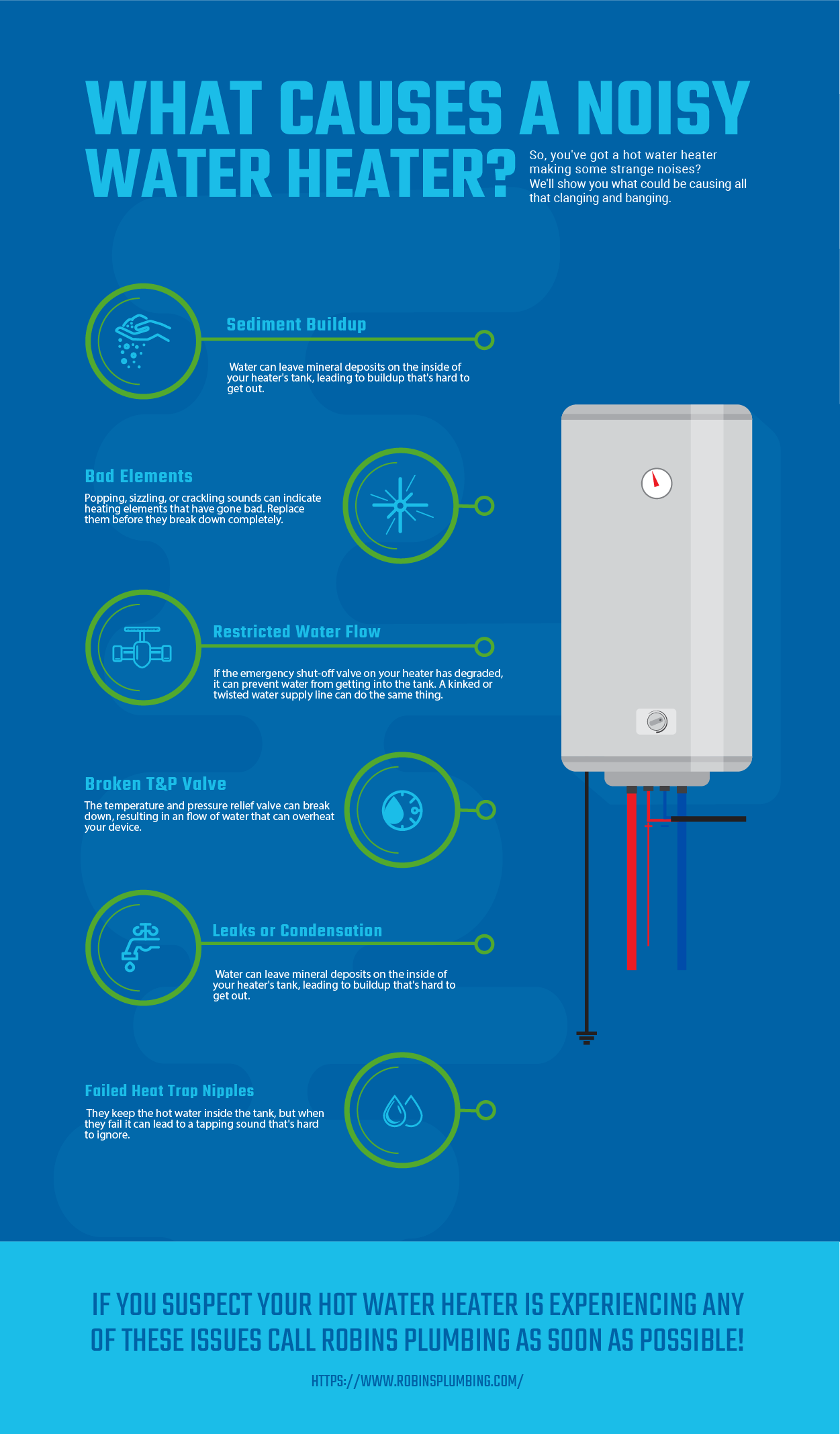
Causes Of Loud Boiler Noise
Loud noises from boilers can be disturbing and may signal issues. Understanding the common causes helps in spotting problems early. Noise often points to underlying faults in the system.
Air In The System
Air trapped inside boiler pipes causes banging or gurgling sounds. This happens when air pockets block water flow. The system struggles to circulate water smoothly. Bleeding the radiators usually removes this trapped air and stops noise.
Sediment Build-up
Hard water leaves mineral deposits inside the boiler. These sediments settle at the bottom of the tank. They create popping or rumbling noises during heating cycles. Sediment reduces efficiency and can damage the boiler over time.
Faulty Components
Worn or broken parts cause rattling or clanking sounds. Pumps, fans, or valves may fail or loosen. Faulty components affect boiler performance and increase noise levels. Timely repairs or replacements can fix these issues quickly.
Impact Of Boiler Noise On Homes
Boiler noise can affect the comfort of your home in many ways. Loud sounds from boilers can disturb daily activities. Constant noise might make it hard to relax or focus. In some cases, the noise can even affect health and sleep. Understanding these effects helps you decide how to manage boiler noise better.
Noise Levels And Comfort
Boilers produce different noise levels depending on their type and age. Older boilers often make more noise than new models. High noise levels can make rooms feel less peaceful. This can be frustrating in quiet areas of the house. Lower noise means a more comfortable living space.
Potential Effects On Sleep And Health
Loud boiler noise can interrupt sleep patterns. Even soft, constant sounds can wake light sleepers. Poor sleep leads to tiredness and lower energy. Noise stress may cause headaches and irritability. Reducing boiler noise can improve overall well-being and rest quality.
Noise Reduction Tips
Boilers can sometimes be noisy, causing disturbance in homes. Reducing this noise improves comfort and creates a peaceful environment. Here are practical tips to lower boiler sounds effectively.
Regular Maintenance
Keep your boiler clean and checked regularly. Dirt and dust can cause parts to work harder and louder. Schedule annual inspections to catch issues early. Replace worn parts to keep noise low. Clean filters and vents often for smooth operation.
Insulation Solutions
Adding insulation around your boiler helps block sound. Use foam or fiberglass materials to cover noisy pipes. Insulate the boiler room walls to reduce echo. Soundproof blankets designed for boilers can cut noise. These simple steps make a big difference in noise levels.
Professional Repairs
Hire experts to fix complex boiler noises. Strange sounds might mean loose or broken parts. Professionals can adjust settings and replace faulty components. Timely repairs prevent more noise and damage. Trust skilled technicians for safe and quiet boiler operation.
When To Call A Technician
Boilers and heaters can sometimes make noises. Some sounds are normal, but others mean trouble. Knowing when to call a technician is important. It helps keep your home safe and your heater working well. Below are signs that show you need professional help right away.
Signs Of Serious Issues
Loud banging or clanking noises are a big warning sign. These sounds may mean parts inside the boiler are loose or broken. Strange smells like gas or burning should never be ignored. Water leaks or rust around the unit also show problems. Frequent shutting off or failure to start means the boiler needs a checkup.
Safety Concerns
Boilers use gas and heat, which can be dangerous if faulty. Carbon monoxide leaks are a silent threat. If you feel dizzy or notice headaches near the boiler, call a technician immediately. A professional will inspect and fix any unsafe conditions. Never try to fix gas or electrical parts yourself. Safety always comes first when dealing with boilers.
Frequently Asked Questions
Why Are Boilers Heaters Sometimes Loud?
Boilers can be loud due to trapped air, water pressure issues, or loose parts. Regular maintenance reduces noise and improves efficiency.
How Loud Should A Boiler Heater Be?
A well-functioning boiler heater should produce minimal noise, usually a soft humming. Excessive banging or clanking indicates a problem needing attention.
Can Noisy Boilers Indicate A Malfunction?
Yes, unusual noises like banging or whistling often signal mechanical issues or sediment buildup. Prompt inspection prevents damage and costly repairs.
Does Boiler Size Affect Heater Noise Levels?
Larger boilers may produce more operational noise, but proper installation and insulation keep sound levels manageable and comfortable.
Conclusion
Boilers can make some noise, but it is usually normal. Small sounds like humming or clicking are common. Loud noises might mean a problem needs fixing. Regular maintenance helps keep boilers quiet and safe. Knowing what sounds to expect reduces worry.
Always check your boiler if noises get worse. Quiet heating makes your home more comfortable. Stay aware and keep your boiler in good shape.