Are All Infrared Heaters the Same? Pro Facts
Many folks wonder, “Are All Infrared Heaters the Same? Pro Facts You Need” because it’s not always clear what makes one heater different from another. It can feel confusing when you first start looking into them.
But don’t worry! We’ll break it down in a simple, step-by-step way so you can feel confident about your choice. Get ready to learn what really matters!
Understanding Infrared Heater Types
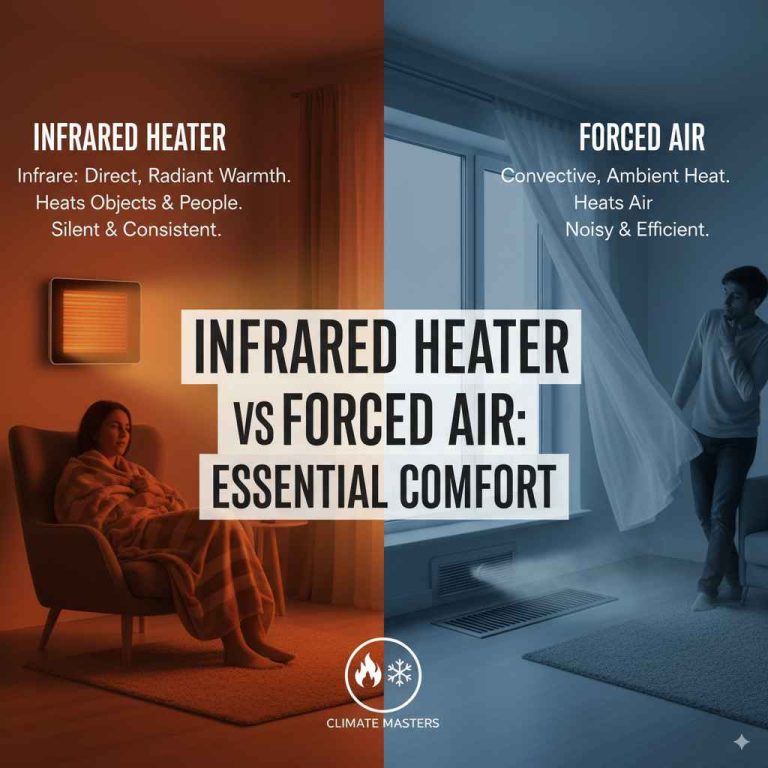
Infrared heaters might seem pretty straightforward, but there’s more to them than meets the eye. They all use infrared radiation to warm things directly, much like the sun. This means they heat objects and people, not just the air around them.
This is different from how most heaters work. They are a popular choice for quick, targeted warmth. Learning the differences helps you pick the best one for your needs.
How Infrared Radiation Works
Infrared radiation is a type of electromagnetic wave. It’s part of the light spectrum that we can’t see, but we can feel as heat. When an infrared heater is on, it emits these waves.
These waves travel through the air and get absorbed by surfaces like walls, furniture, and your skin. When these surfaces absorb the infrared energy, they get warmer. This is why infrared heat feels so direct and cozy.
Think of standing in the sun on a cool day. You feel warm even if the air isn’t very hot. That’s because the sun’s infrared rays are warming you directly.
Infrared heaters mimic this natural process. The waves are safe and don’t have any harmful effects. They just transfer heat energy efficiently.
Here’s a simple breakdown of how it works:
- The heater has an element that gets very hot.
- This hot element gives off infrared waves.
- These waves travel in straight lines.
- Objects in the path of these waves absorb them.
- Absorbed waves turn into heat, warming the object.
Different Types of Emitters
The element inside an infrared heater, called the emitter, is key to how it works. Different materials and designs create different types of infrared waves. These differences affect how hot the heater gets, how quickly it warms things, and the quality of the heat.
It’s like having different types of light bulbs; some are brighter, some are warmer in color. The emitter is what gives the heater its unique heating style.
The most common emitters are:
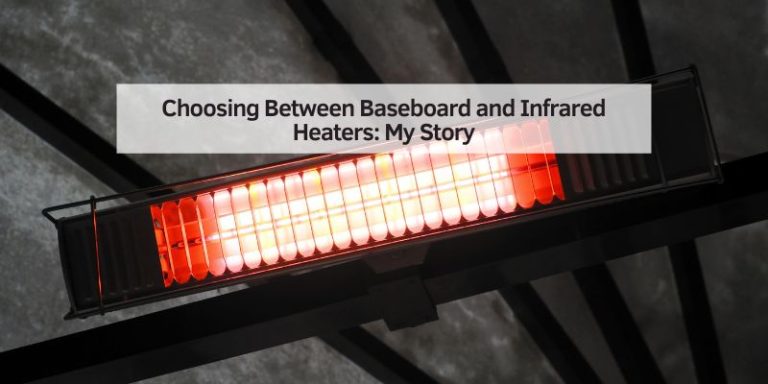
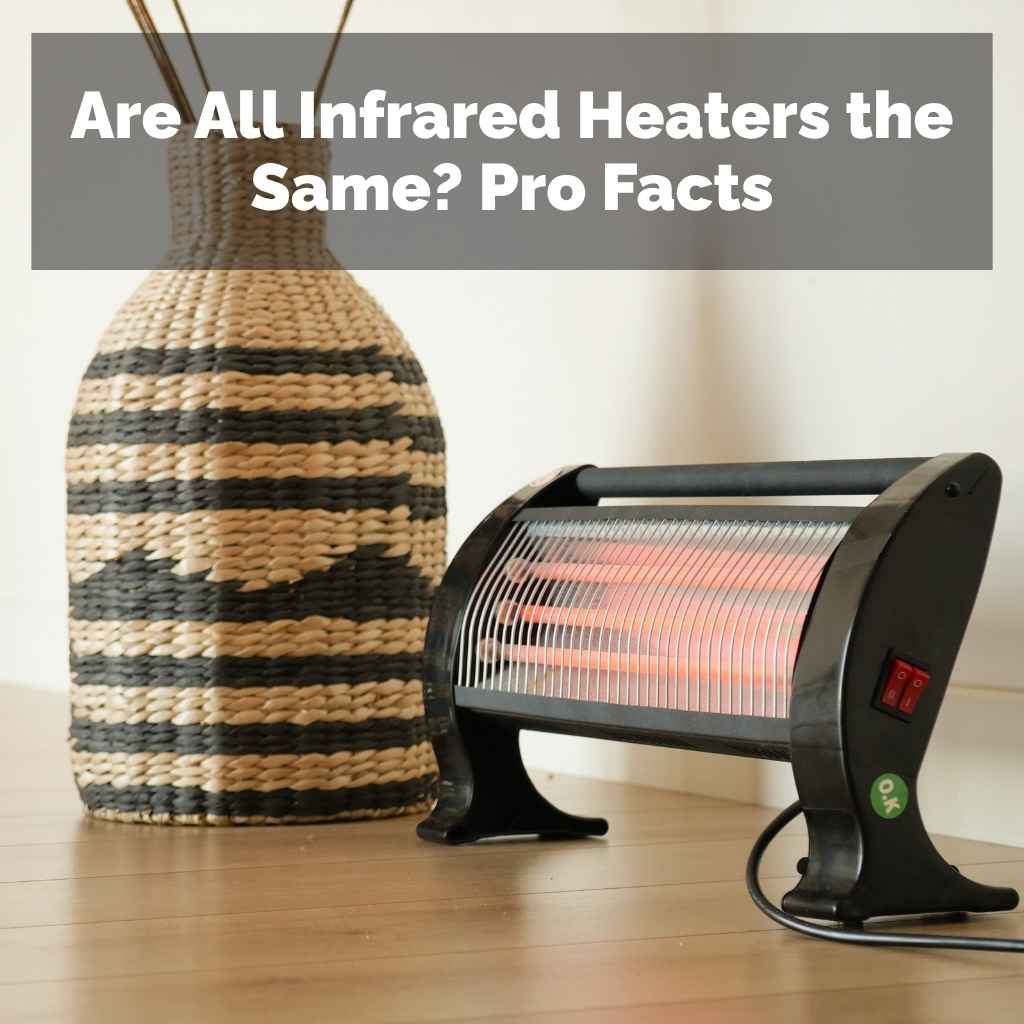
- Quartz tubes: These are very popular because they heat up fast. They glow red when hot, which is a sign they are emitting infrared heat. They are good for quick bursts of warmth.
- Ceramic elements: These heat up more slowly but can get very hot. They don’t glow red, making them look more subtle. They provide a more intense, steady heat.
- Halogen lamps: These are similar to quartz tubes but use a halogen gas. They also heat up very quickly and can be quite bright. They are often found in smaller, portable heaters.
- Carbon fiber elements: These are a newer technology. They heat up very fast and are known for being energy-efficient. They often have a more even heat distribution.
The type of emitter also impacts the heater’s lifespan and maintenance needs. Some are more fragile than others. It’s good to know which type you’re looking at to make sure it fits your usage.
For example, if you need heat right away, quartz or halogen might be better.
Factors That Make Infrared Heaters Different
So, to answer “Are All Infrared Heaters the Same?” the quick answer is no. Many factors make them unique. These include their size, power output, design, and the materials they are made from.
Think about buying a car; they all get you from point A to point B, but there are many differences in performance, features, and style. The same applies to infrared heaters.
Wattage and Heat Output
Wattage is a measure of how much power a heater uses. A higher wattage generally means a more powerful heater with a greater heat output. This is a crucial factor in determining how effectively a heater can warm a space.
For a small room, a lower wattage heater might be enough. For a large, open area, you’ll need a higher wattage unit.
It’s not just about the total wattage, though. The way that wattage is used by the emitter also matters. Some heaters are designed to distribute their heat more efficiently.
This means they can provide more comfortable warmth even with a lower wattage.
Here’s a general guide:
- Small rooms (e.g., bathroom, office): 500-1000 watts might be sufficient.
- Medium rooms (e.g., living room, bedroom): 1000-1500 watts is often recommended.
- Large rooms or open areas: 1500 watts or more might be needed, or multiple units.
A common mistake is to buy a heater that’s too small for the space. This leads to the heater running constantly without ever making the room comfortably warm, wasting energy. It’s better to have a heater that can reach the desired temperature and then cycle off.
Design and Construction Materials
The way an infrared heater is built and the materials used play a big role in its performance and durability. The outer casing, the reflector that directs the heat, and the overall design all contribute. A well-designed heater will direct the infrared waves more effectively into the room, making it feel warmer faster.
Poor design can waste heat.
Materials like aluminum or polished steel are often used for reflectors. These materials are good at bouncing the infrared rays. The casing might be made of metal or sturdy plastic.
Some heaters have features like tip-over protection, which automatically shuts off the heater if it’s accidentally knocked over, adding a layer of safety.
Consider these design aspects:
- Portability: Some heaters are designed to be moved easily, with wheels or light frames.
- Mounting options: Others are meant to be mounted on a wall or ceiling to save floor space.
- Aesthetics: Heaters come in various styles, from modern and sleek to more traditional.
- Durability: High-quality materials will ensure the heater lasts longer.
A heater that looks good and is built to last will be a better investment. For instance, a heater made with heavy-gauge steel might be more robust than one with a thin plastic shell, especially if it will be used in a busy area.
Heating Range and Direction
Infrared heaters don’t heat the air uniformly. They send heat in specific directions. The angle and spread of the heat are determined by the design of the emitter and the reflector.
Some heaters have a wide beam of heat, good for warming a large area. Others have a more focused beam, ideal for heating a specific spot, like a desk area.
This is a key reason why “Are All Infrared Heaters the Same? Pro Facts You Need” is a common question. Understanding the heating range helps you place the heater effectively.
If you need to warm a whole room evenly, you’ll want a heater with a wide, even spread. If you just want to warm yourself while sitting on the couch, a more focused heater might be perfect.
Here’s what to think about:
- Beam angle: How wide is the area the heater can warm?
- Throw distance: How far can the heat effectively reach?
- Hot spots: Does the heater create very hot areas and cooler areas, or is the warmth more evenly spread?
A heater with a reflector that has a parabolic shape, for example, is designed to focus the heat into a more concentrated beam. This can make it feel warmer in the direct path of the heater. Some newer designs use advanced reflectors to create a more diffused and widespread warmth, which can be more comfortable for a whole room.
Advanced Features and Technologies
Beyond the basics, infrared heaters are also different based on their advanced features and the technology used. These can enhance comfort, safety, and efficiency. As technology advances, so do the capabilities of these heating devices.
It’s like comparing an old flip phone to a modern smartphone; both make calls, but the smartphone has many more features.
Thermostats and Smart Controls
Many modern infrared heaters come with built-in thermostats. A thermostat allows you to set a specific temperature for the room. The heater will then turn on and off automatically to maintain that temperature.
This is much more energy-efficient than a heater that just runs continuously. It keeps the room at a comfortable level without overheating.
Even more advanced are smart controls. These allow you to control your heater using a smartphone app or voice commands. You can set schedules, adjust the temperature remotely, and monitor energy usage.
This level of control offers convenience and can lead to significant energy savings.
Benefits of thermostats and smart controls include:
- Energy efficiency: They prevent the heater from running when it’s not needed.
- Comfort: They maintain a consistent and pleasant room temperature.
- Convenience: Smart controls offer remote access and automation.
- Cost savings: Reduced energy consumption leads to lower electricity bills.
Imagine leaving for work and forgetting to turn off your heater. With a smart control, you can simply turn it off from your phone. Or, you can set it to warm up the house just before you get home.
Safety Mechanisms
Safety is a major concern for any heating appliance. Infrared heaters come with various safety features to prevent accidents. These are critical for ensuring peace of mind, especially in homes with children or pets.
Manufacturers invest in making their heaters as safe as possible.
Common safety features include:
- Tip-over switch: This automatically shuts off the heater if it is tilted or knocked over.
- Overheat protection: This feature detects if the heater is getting too hot and shuts it down to prevent damage or fire hazards.
- Cool-touch exterior: Some heaters are designed so that the outer surfaces remain cooler, reducing the risk of burns.
- Child lock: This prevents children from accidentally changing the settings.
These safety mechanisms are not just optional; they are often built to meet strict safety standards. For example, the overheat protection might involve a thermal fuse that melts if the temperature exceeds a safe limit. The tip-over switch typically uses a mercury switch or a ball bearing to detect the angle of the heater.
Energy Efficiency Technologies
While all infrared heaters are generally more efficient than traditional convection heaters because they heat objects directly, some use advanced technologies to be even more so. This is especially important for those looking to reduce their carbon footprint and save money on energy bills. Efficiency means getting more heat for less electricity.
Technologies that boost energy efficiency can include:
- Advanced reflector designs: These maximize the amount of infrared energy directed into the room.
- High-efficiency emitters: Some newer emitter materials convert more electricity into infrared heat with less waste.
- Smart power management: This includes features that adjust the heat output based on the room’s needs.
- Zone heating capabilities: Allowing you to heat only the specific area you are using.
For example, a heater with a highly polished, precisely shaped reflector can ensure that almost all the infrared waves produced are sent into the living space, rather than being absorbed by the heater’s own casing or being lost upwards. This means less energy is wasted.
Choosing the Right Infrared Heater
Now that we’ve explored the differences, let’s look at how to pick the best infrared heater for your situation. Asking “Are All Infrared Heaters the Same? Pro Facts You Need” is the first step to making a smart choice.
It’s about matching the heater’s features to your specific needs and environment. Consider your space size, budget, and what you want the heater to do.
Assessing Your Heating Needs
Before buying, think about where you’ll use the heater. Is it for a small bedroom, a large living room, a garage, or an outdoor patio? The size of the space is the most important factor.
You also need to consider how well the space is insulated. A poorly insulated room will lose heat more quickly, requiring a more powerful heater.
Here’s a quick checklist for your needs:
- Room size: Measure the length, width, and height of the area.
- Insulation quality: Are the walls, windows, and doors well-sealed?
- Heat target: Do you need to warm the whole room or just a specific area?
- Usage frequency: Will it be used for short periods or all day?
For instance, if you’re looking to heat a drafty old sunroom, you’ll likely need a higher wattage heater than you would for a well-sealed, modern apartment of the same size. Always err on the side of slightly higher wattage if you’re unsure; you can always turn it down.
Budget Considerations
Infrared heaters vary significantly in price. Simple, basic models can be quite affordable, while high-end units with advanced features can be a larger investment. Think about your budget not just for the initial purchase but also for ongoing energy costs.
A more efficient heater might cost more upfront but save you money in the long run.
When setting your budget, consider:
- Initial purchase price: The cost of the heater itself.
- Energy efficiency: Higher efficiency can mean lower running costs.
- Durability and warranty: A longer-lasting heater with a good warranty might be a better value.
- Installation costs: If wall or ceiling mounting is required.
A good rule of thumb is to look for heaters from reputable brands that offer a decent warranty. A 2-year or 3-year warranty often indicates the manufacturer’s confidence in the product’s quality and longevity.
Comparing Different Models
Once you know your needs and budget, you can start comparing specific models. Look at product specifications, read reviews, and consider the brand reputation. Websites and store displays can help you visualize the heaters.
Comparing them side-by-side on features like wattage, emitter type, safety features, and controls is key.
Here’s a comparison example:
| Feature | Model A (Basic) | Model B (Advanced) |
|---|---|---|
| Wattage | 1000W | 1500W |
| Emitter Type | Quartz Tube | Carbon Fiber |
| Thermostat | No | Yes, digital |
| Safety Features | Tip-over switch | Tip-over, overheat protection |
| Smart Control | No | Yes, app controllable |
| Price Range | $$ | $$$$ |
This table shows how Model B offers more features and higher power but at a higher price point. Your choice depends on your priorities. If you need simple, direct heat, Model A might suffice.
If you want maximum efficiency and convenience, Model B is the better option.
Frequently Asked Questions
Question: What is the main difference between infrared and convection heaters?
Answer: Infrared heaters warm objects and people directly using radiant heat waves. Convection heaters warm the air first, which then circulates to heat the room.
Question: Are infrared heaters safe for pets?
Answer: Yes, infrared heaters are generally safe for pets, as they heat objects directly and don’t have exposed heating elements that could cause burns if touched. Always ensure safety features like tip-over protection are active.
Question: How much space can a 1500-watt infrared heater warm?
Answer: A 1500-watt infrared heater can typically warm a medium-sized room, around 300-400 square feet, depending on insulation and ceiling height.
Question: Do infrared heaters dry out the air?
Answer: No, unlike some other heating methods, infrared heaters do not dry out the air. They warm objects and people directly, leaving the air’s humidity largely unaffected.
Question: What is the lifespan of an infrared heater?
Answer: The lifespan varies by brand and model, but many quality infrared heaters can last 10-15 years or even longer with proper care and maintenance.
Conclusion
The question “Are All Infrared Heaters the Same? Pro Facts You Need” is important because they are indeed quite different. From emitter types and wattage to design and smart controls, each factor impacts performance.
Choosing the right one means matching these features to your room size, insulation, and budget.
Look closely at wattage, safety features, and how the heat is distributed. Consider smart controls for convenience and efficiency. Make an informed choice to find the perfect heater for your home.