Big Spaces vs Small Spaces Heating Costs
Yes, generally, bigger spaces are more expensive to heat because they contain more air volume that needs to be warmed and maintained at a comfortable temperature. This requires more energy from your heating system, leading to higher utility bills.
For portable or electric heater comparisons, Infrared Heaters Vs Others: Heat Efficiency Showdown gives readers another helpful angle before buying or using one.
If cost, wattage, or efficiency matters, Are Electric Pool Heaters Expensive to Run adds a useful comparison before choosing a heater.
If cost, wattage, or efficiency matters, Are Gas Pool Heaters Expensive to Run? adds a useful comparison before choosing a heater.
Feeling chilly in a large room? You’re not alone! Many of us wonder if our spacious homes or apartments are costing us a fortune to keep warm. It can feel frustrating when you’re trying to stay cozy without breaking the bank. But don’t worry! Understanding how heating costs work in larger areas is simpler than you might think. We’ll walk through exactly why this happens and what you can do about it. Get ready to learn how to manage your heating costs, no matter the size of your space.
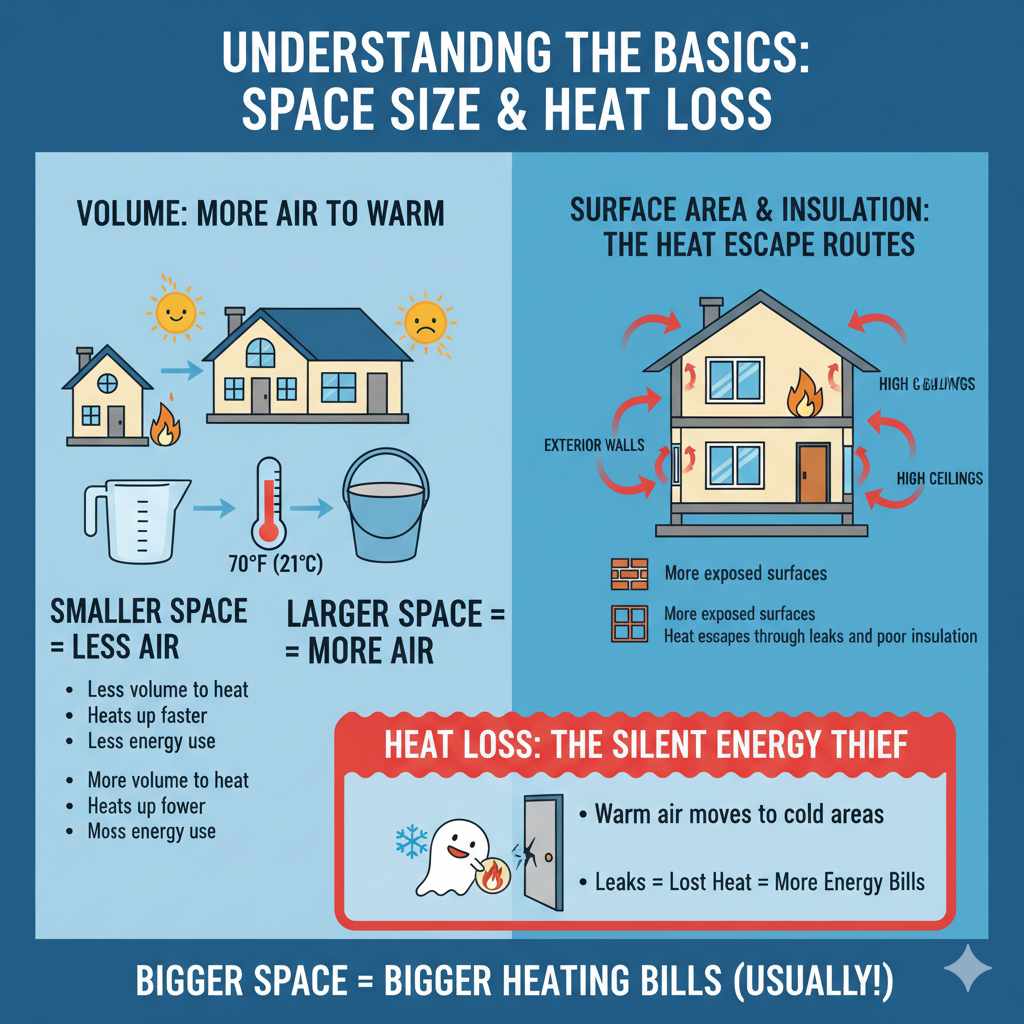
Understanding the Basics: Space Size and Heat Loss
Let’s dive into why bigger spaces often mean bigger heating bills. It all comes down to a few key ideas: volume, surface area, and heat loss.
Volume: More Air to Warm
Imagine trying to fill a small cup with water versus a large bucket. The bucket needs much more water, right? Heating your home is similar.
Smaller spaces have less air inside. Your heater doesn’t have to work as hard or as long to warm up this smaller volume of air.
Larger spaces have significantly more air. To reach and maintain a comfortable temperature (like 70°F or 21°C), your heating system needs to heat a much larger quantity of air. This directly translates to using more energy over time.
Surface Area and Insulation: The Walls, Windows, and Roof
It’s not just the air; it’s also the stuff surrounding that air. Bigger spaces typically have:
More exterior walls: More walls mean more surface area exposed to the cold outside. Heat will naturally escape through these walls.
More windows and doors: These are often the biggest culprits for heat loss. Larger homes usually have more windows and doors, and larger ones at that.
Higher ceilings: This increases the total volume of air that needs heating, and if you have a large, open-plan area with a high ceiling, that’s a lot of air for your heater to tackle.
This heat loss is an ongoing battle. Your heating system has to constantly work to replace the heat that escapes, using more fuel or electricity.
Heat Loss: The Silent Energy Thief
Heat naturally moves from warmer areas to cooler areas. This is a fundamental principle of physics.
In winter, the warm air inside your home wants to escape to the cold outside.
Factors like leaky windows, uninsulated walls, and poor-fitting doors allow this precious heat to slip away.
The larger your home, the more places there are for heat to escape. It’s like trying to hold water in a leaky bucket; the bigger the bucket, the more leaks you might have, or the larger the leaks could be, making it harder to keep the water level up.
Factors That Influence Heating Costs in Large Spaces
While space size is a major player, several other things impact how much you spend to keep a large area warm.
1. Insulation Quality
This is perhaps the most critical factor after sheer size. Good insulation acts like a cozy blanket for your home, preventing heat from escaping.
Well-insulated large homes can be far more energy-efficient to heat than poorly insulated smaller homes.
Poorly insulated large homes become energy drains, with heat escaping rapidly through walls, attics, and floors.
According to the U.S. Department of Energy, proper insulation can significantly reduce heating and cooling costs. You can find recommended insulation levels for different parts of your home based on your climate zone on their Energy Saver website.
2. Window and Door Efficiency
Older, single-pane windows and poorly sealed doors are major sources of heat loss.
Single-pane windows offer very little insulation.
Double or triple-pane windows with low-emissivity (Low-E) coatings and gas fills (like argon) are much more effective at keeping heat inside.
Drafty doors that don’t seal tightly against the frame let in cold air and let out warm air.
In large homes, the cumulative effect of many windows and doors can be substantial.
3. Heating System Efficiency and Type
Not all heaters are created equal, and their efficiency matters a lot in larger spaces.
Older, less efficient furnaces or boilers will use more fuel to produce the same amount of heat compared to a new, high-efficiency model.
Central heating systems are common in larger homes. If the ductwork has leaks or is poorly insulated, a significant amount of heated air can be lost before it even reaches rooms.
Boilers and radiant heating systems can be very effective for large spaces, as heat is distributed more evenly and directly.
Electric resistance heating (like baseboard heaters or space heaters) is generally the most expensive way to heat large areas due to the higher cost of electricity and its lower efficiency compared to gas furnaces or heat pumps.
4. Climate and Outdoor Temperature
The colder it is outside, the harder your heating system has to work.
In very cold climates, even a well-insulated large home will require significant energy to maintain comfort.
In milder climates, the difference in heating costs between small and large spaces might be less dramatic.
5. Occupancy and Usage Patterns
How you use your heating system makes a difference.
Thermostat settings: Setting your thermostat just a few degrees lower can save a considerable amount of energy.
Zoning: If your heating system allows for zoning (heating different areas independently), you can save energy by not heating unused parts of a large home.
Smart thermostats can learn your schedule and adjust temperatures automatically, preventing unnecessary heating.
Comparing Heating Costs: Small vs. Large Spaces
Let’s visualize the difference. Imagine two homes: a cozy 1,000 sq ft cottage and a spacious 3,000 sq ft family home.
Scenario 1: Identical Efficiency, Different Sizes
If both homes had the same standard of insulation, window quality, and heating system efficiency, the 3,000 sq ft home would undoubtedly cost more to heat.
Volume: The larger home has 3 times the air volume to heat.
Surface Area: It likely has more exterior walls, more windows, and a larger roof area, leading to greater heat loss.
Scenario 2: Varying Efficiency
Now, consider these possibilities:
A well-insulated 3,000 sq ft home with top-tier windows and an efficient new heating system might be comparable in heating cost – or even cheaper – to a poorly insulated 1,000 sq ft home with old, drafty windows and an ancient, inefficient furnace.
This highlights that while size matters, efficiency can be a powerful equalizer.
Table: Estimated Heating Fuel Consumption – A Hypothetical Comparison
This table provides a simplified, hypothetical example to illustrate how size and efficiency can impact heating costs. Actual costs will vary widely based on specific heating system efficiency, local fuel prices, climate, insulation levels, and thermostat settings.
| Home Size (sq ft) | Insulation Level | Window Type | Heating System Efficiency (AFUE/SEER) | Monthly Estimated Heating Cost (Hypothetical) |
|---|---|---|---|---|
| 1,000 | Poor | Single-pane | 70% (Old Furnace) | $150 |
| 1,000 | Excellent | Triple-pane, Low-E | 95% (New Furnace) | $60 |
| 3,000 | Poor | Single-pane | 70% (Old Furnace) | $400 |
| 3,000 | Good | Double-pane | 85% (Modern Furnace) | $200 |
| 3,000 | Excellent | Triple-pane, Low-E | 97% (High-Efficiency Furnace) | $100 |
Note: AFUE (Annual Fuel Utilization Efficiency) is for furnaces and boilers. SEER (Seasonal Energy Efficiency Ratio) is for air conditioners but is often associated with HVAC system overall efficiency. This table uses AFUE as a proxy for heating efficiency.
This table clearly shows that a well-maintained, efficient large home can be more cost-effective to heat than a poorly maintained, inefficient small home.
Strategies to Reduce Heating Costs in Large Spaces
You don’t have to accept high heating bills just because you have a big home! Here are practical, beginner-friendly strategies:
1. Improve Insulation
This is often the most impactful step. Check your attic, walls, and crawl spaces.
Attic Insulation: This is usually the easiest and most cost-effective place to add insulation. Blown-in fiberglass or cellulose is common.
Wall Insulation: Can be trickier, often requiring drilling holes to blow insulation into cavities.
Basement/Crawl Space Insulation: Don’t forget to insulate foundation walls and the floor above unheated spaces.
The U.S. Environmental Protection Agency (EPA) offers resources on home energy improvements, including insulation, through their Greening Your Home initiative.
2. Seal Air Leaks
Think of this as plugging the holes where warm air escapes.
Caulking: Around windows, doors, and where pipes or wires enter your home.
Weatherstripping: For doors and operable windows to create a tighter seal.
Foam Sealant: For larger gaps around vents or structural elements.
Check Fireplace Dampers: Ensure they are closed when not in use.
Outlet and Switch Gaskets: Install foam gaskets behind electrical outlets and switch plates on exterior walls.
A simple blower door test can help identify the biggest leaks, though you can often spot them yourself with a candle or by feeling for drafts.
3. Upgrade Windows and Doors
If your windows are old and drafty, consider upgrading.
Energy-efficient windows: Look for the ENERGY STAR label.
Storm windows: A more affordable option to add an extra layer of insulation.
Heavy curtains or blinds: Can add a surprising amount of insulation, especially at night.
Door sweeps: Install them on the bottom of exterior doors.
4. Optimize Your Heating System
Make sure your current system is running as efficiently as possible.
Regular Maintenance: Schedule annual tune-ups for your furnace or boiler. A well-maintained system runs better and lasts longer.
Clean or Replace Air Filters: Dirty filters restrict airflow, making your furnace work harder and less efficiently. Do this monthly during the heating season.
Duct Sealing: If you have a forced-air system, check your ducts for leaks. Leaky ducts can lose 20-30% of the air passing through them, according to the EPA. You can seal them with mastic sealant or metal tape.
Consider Upgrades: If your heating system is old (over 15-20 years), it might be time to consider a newer, more energy-efficient model. Heat pumps, for instance, are very efficient in many climates.
5. Smart Thermostat Use
A programmable or smart thermostat can make a big difference.
Set Back Temperatures: Lower the temperature by 7-10 degrees Fahrenheit for 8 hours a day (e.g., while sleeping or at work). This can save up to 10% annually on heating costs.
Smart Learning: Smart thermostats learn your habits and automatically adjust the temperature, optimizing comfort and savings.
6. Zoned Heating
If your home supports it, consider zoning.
What is Zoning?: It’s a system that divides your home into areas (zones) that can be heated independently.
Benefits: You can turn down the heat in rooms or areas that aren’t being used, significantly reducing energy consumption. This is especially beneficial in large homes with guest rooms, offices, or areas that are only used occasionally.
7. Use Space Heaters Wisely (If At All)
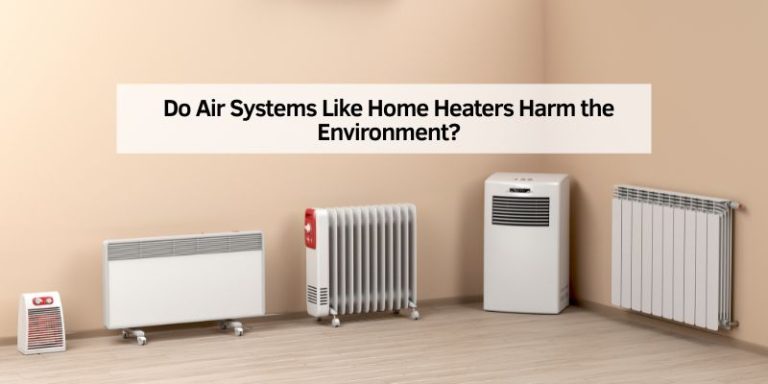
While space heaters can provide localized warmth, using them to heat a large space is inefficient and expensive.
Best Use: For providing temporary, targeted heat in a small, occupied room, allowing you to lower the thermostat for the whole house.
Efficiency: Electric resistance heaters consume a lot of electricity. Always use them safely, ensuring they are away from flammable materials and never left unattended.
8. Natural Heating Strategies
Don’t forget to harness passive heat.
Open curtains during the day: On sunny sides of your house, let the sunlight in to warm your rooms naturally.
Close curtains at night: This provides an extra layer of insulation.
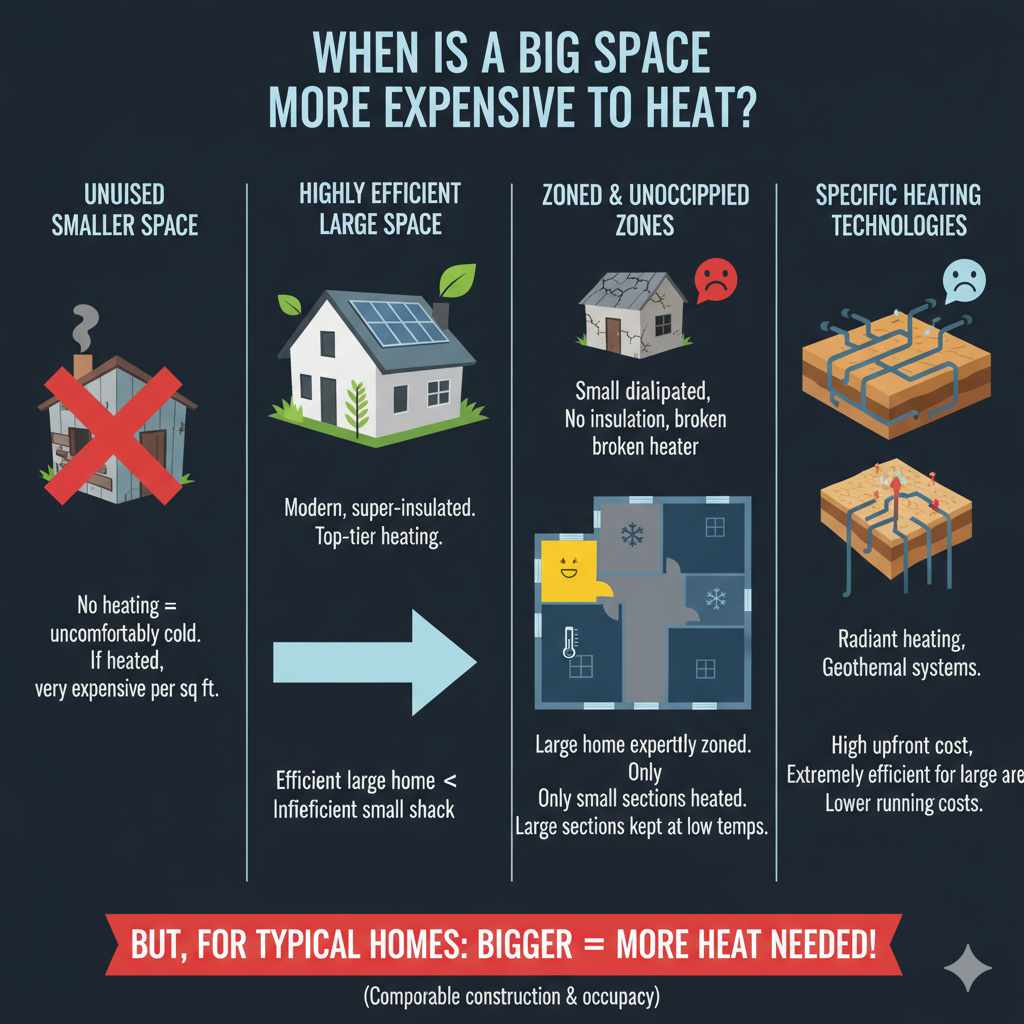
When is a Big Space NOT More Expensive to Heat?
There are rare circumstances where a larger space might not inherently cost more to heat than a smaller one. These scenarios usually involve extreme differences in efficiency or functionality:
Unused Smaller Space: A very small, poorly insulated, drafty space with no heating source might be “cheaper” to heat only in the sense that you don’t heat it, but it will be uncomfortably cold. If it is heated, it could be very expensive per square foot.
Highly Efficient Large Space vs. Extremely Inefficient Small Space: As noted before, a modern, super-insulated large home with a top-tier heating system could easily be cheaper to heat than a small, dilapidated shack with no insulation and a broken-down heater.
Zoned and Unoccupied Zones: If a large home is expertly zoned and large sections are kept at very low temperatures (e.g., a 5000 sq ft house where only one 500 sq ft area is kept at a comfortable temperature), the energy used might be less than heating a smaller, fully occupied house.
Specific Heating Technologies: Some radiant heating systems or specific types of geothermal systems, while having high upfront costs, can be extremely efficient for large areas once installed, potentially offering lower running costs than less efficient systems in smaller homes.
However, for homes of comparable construction quality and typical occupancy, the rule of thumb holds: bigger means more heat needed.
Frequently Asked Questions (FAQs)
Here are answers to some common questions about heating larger homes.
Q1: Will my heating bill double if my house is twice as big?
Not necessarily, but it will likely increase significantly. While a larger home has more air volume and surface area for heat loss, efficiency factors like insulation, window quality, and heating system type play a huge role. A well-insulated, efficient 2,000 sq ft home might cost less to heat than a poorly insulated 1,000 sq ft home.
Q2: How much more does it typically cost to heat a big house?
It’s hard to give an exact figure, as it depends heavily on construction, insulation, climate, and heating system efficiency. However, a general estimate is that heating costs can increase by 20-50% for every 1,000 square feet added, assuming similar efficiency levels. Some studies suggest heating costs can be 3 to 4 times higher for a 3,000 sq ft home compared to a 1,000 sq ft home with similar efficiency.
Q3: What is the most important factor in keeping large spaces warm affordably?
Excellent insulation and air sealing are paramount. These two factors significantly reduce heat loss, meaning your heating system doesn’t have to work as hard or run as often to maintain a comfortable temperature. Without them, even the best heating system in a large home will struggle and be expensive to run.
Q4: Should I heat my entire large house all the time?
If affordability is a concern, it’s generally not economical to heat an entire large house to a high temperature constantly, especially if parts of it are not frequently used. Consider using a programmable or smart thermostat to lower temperatures in unoccupied areas or during times when the house is empty. Zoning systems also allow you to heat only the areas you’re using.
Q5: Are electric heaters a good option for large spaces?
Generally, no. Electric resistance heaters (like portable space heaters or electric baseboard heaters) are typically the most expensive way to heat a large area due to the high cost of electricity and their lower energy efficiency compared to natural gas furnaces or heat pumps. They are best suited for supplemental heat in small, occupied rooms only.
Q6: How can I check if my large home is losing heat?
You can perform a DIY draft test by lighting a candle and moving it around windows, doors, electrical outlets on exterior walls, vents, and anywhere pipes enter your home. If the flame flickers, you have an air leak. For a more comprehensive assessment, consider hiring a professional energy auditor who can perform a blower door test and thermal imaging.
Conclusion
So, are big spaces more expensive to heat? The straightforward answer is usually yes, due to the larger volume of air needing to be warmed and the increased surface area prone to heat loss. However, it’s not a foregone conclusion that you’ll face sky-high bills! By understanding the principles of heat loss, improving your home’s insulation and air sealing, choosing energy-efficient windows, and optimizing your heating system, you can significantly mitigate these costs.