Are Bird Bath Heaters Safe: Essential Guide
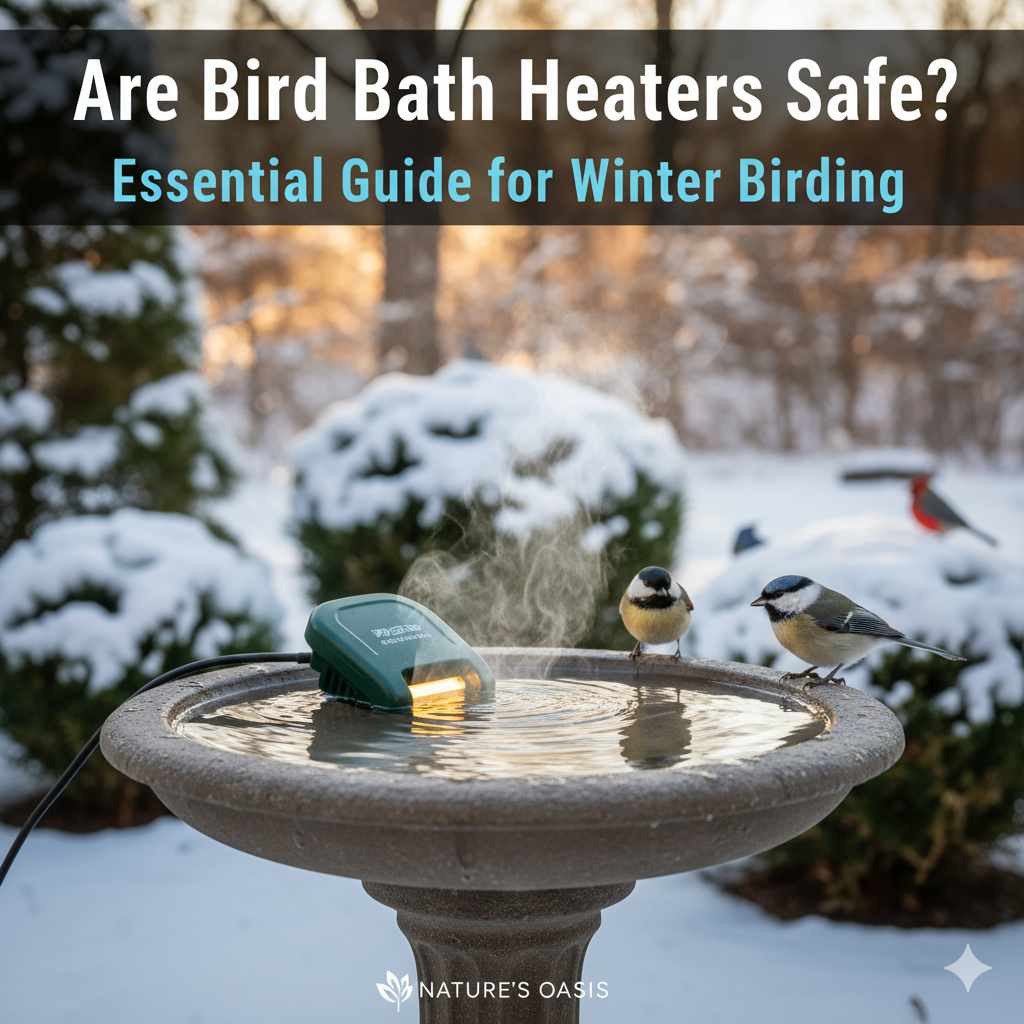
Yes, bird bath heaters are generally safe when used correctly and according to manufacturer instructions. Designed specifically for outdoor use, they are built with safety features to prevent overheating and electrical hazards. Choosing a reputable brand and practicing simple safety measures ensures a secure and welcoming water source for birds throughout winter.
For the safety side of this topic, Can You Use Patio Heaters in a Garage: Safety Tips gives readers a practical next check before using a heater.
For the safety side of this topic, Can Patio Heaters Be Used under a Tent: Safe Solutions gives readers a practical next check before using a heater.
For the safety side of this topic, Are Pool Heaters Safe: Safety gives readers a practical next check before using a heater.
Winter chills can make it tough for our feathered friends to find open water. A frozen bird bath might seem like a minor inconvenience, but for birds, it can be a real struggle for survival. This is where bird bath heaters come in – a wonderful way to keep water available. But you might be wondering, are bird bath heaters safe? It’s a great question to ask! Many homeowners worry about using electrical devices outdoors, especially when they’re constantly exposed to the elements.
We’re here to break down everything you need to know, making it simple and reassuring. Let’s explore how these heaters work, what makes them safe, and how you can use one with complete peace of mind. Get ready to provide a vital winter resource for birds, safely and easily!
Why Keep Water Available for Birds in Winter?
While birds are well-equipped for cold weather with their special feathers and insulation, finding open, liquid water can be a major challenge when everything freezes over. Water is essential for more than just drinking; birds also need it for:
- Hydration: Just like us, birds need water to stay hydrated, even in the cold.
- Feather Maintenance: Bathing helps birds keep their feathers clean, smooth, and in good condition. Healthy feathers are crucial for flight and insulation against the cold.
- Digestion: Water aids in the digestion of food.
- Thermoregulation: While less common in winter, some birds may still use drinking water to help regulate their body temperature.
Without access to water, birds expend precious energy searching for it, making them more vulnerable to predators and the cold. Providing a thawed bird bath is a simple yet incredibly impactful way to support local bird populations during the harsh winter months.
Understanding Bird Bath Heaters
Bird bath heaters are essentially submersible or surface-mounted devices designed to gently warm the water in a bird bath, preventing it from freezing. They work by converting electrical energy into heat, maintaining a temperature typically just above freezing. This ensures a consistent source of unfrozen water, even on the coldest days.
How They Work: The Basics
Most bird bath heaters use a heating element, similar to those found in aquariums or kettles, enclosed in a waterproof casing. When plugged into a power source, this element heats the surrounding water. Some models have built-in thermostats that turn the heater on when the temperature drops to a certain point and off when it rises, saving energy. Others operate continuously.
Types of Bird Bath Heaters
You’ll find a few main types of heaters designed to fit different bird bath styles:
- Submersible Heaters: These are placed directly in the water, often weighted to stay at the bottom of the bird bath. They are very effective at heating the entire basin.
- Surface Heaters (Donut Style): These are ring-shaped heaters that sit on the rim or surface of the water, heating from above or around the edge.
- Heated Inserts/Mats: Some durable bird baths come with integrated heating elements built into their base, or you can purchase inserts that fit into existing baths.
- Heated Bird Baths: These are complete bird bath units that have a built-in heating system. They offer convenience but are typically more expensive.
Are Bird Bath Heaters Safe? Key Safety Features
The manufacturers of bird bath heaters understand that safety is paramount. They are designed with several features to ensure they are safe for birds, people, and the environment:
- Waterproof Construction: The most critical safety feature is their ability to withstand constant submersion in water without electrical shock hazards. They are made with robust, waterproof materials and sealed electrical components.
- Low Wattage: Bird bath heaters typically use a low amount of wattage (often between 50 to 200 watts). This is enough to keep water liquid but not so much that it poses a significant risk of scalding birds or causing excessive energy consumption.
- Automatic Shut-Off/Thermostats: Many modern heaters include thermostats. These systems automatically turn the heater off when the water reaches a safe temperature (just above freezing) and back on when it gets too cold. This prevents overheating and conserves energy.
- Durable Materials: They are constructed from sturdy, weather-resistant materials that can endure varying temperatures, UV exposure, and physical contact from birds or other wildlife.
- Cord Management: Reputable heaters come with thick, durable power cords designed for outdoor use. Often, they include methods to secure or conceal the cord, preventing tripping hazards and protecting it from damage.
- Ground Fault Circuit Interrupter (GFCI): While not always integrated into the heater itself, it is highly recommended and often required by electrical codes to plug outdoor electrical devices, including bird bath heaters, into GFCI-protected outlets. A GFCI outlet will quickly shut off power if it detects an imbalance in the electrical current, significantly reducing the risk of electric shock. You can learn more about GFCI outlets and their importance on the Consumer Product Safety Commission website.
Making Your Bird Bath Heater Setup Safe: A Step-by-Step Approach
While the heaters themselves are designed with safety in mind, proper installation and usage are key to maximizing their safety and effectiveness. Here’s how to set yours up correctly:
Step 1: Choose the Right Heater for Your Bird Bath
Before you buy, consider your bird bath:
- Size: Ensure the heater is appropriate for the size of your bird bath. Submersible heaters should fit comfortably at the bottom. Ring heaters should fit around the rim.
- Material: Some bird baths are made of materials that might be more sensitive to heat. Ceramic or stone baths are generally very durable.
- Depth: Some heaters work better in deeper baths. Check the manufacturer’s recommendations.
Step 2: Inspect the Heater and Cord
Before plugging anything in, give the heater and its cord a thorough once-over:
- Check for any cracks, frayed wires, or damage to the casing.
- Ensure the plug is clean and dry.
- If you notice any damage, do NOT use the heater. Contact the manufacturer for a replacement.
Step 3: Position the Heater Correctly
Follow these placement guidelines:
- Submersible: Place the heater at the bottom of the bird bath. If it floats, use a stone or weight to keep it submerged.
- Ring/Surface: Position it securely on the rim or as intended by the manufacturer. Make sure it won’t easily fall into the water or become dislodged.
- Ensure the heater is fully submerged or positioned according to its design.
Step 4: Connect to a Safe Power Source
This is a critical safety step:
- GFCI Outlet: Always plug your bird bath heater into a GFCI-protected outdoor outlet. If your outdoor outlets are not GFCI-protected, you should have an electrician install them for safety. You can test your GFCI outlets using the “TEST” and “RESET” buttons – pressing “TEST” should trip the outlet, and “RESET” should restore power. Consult your outlet’s manual or an electrician if unsure.
- Outdoor Extension Cords: If you must use an extension cord, ensure it is rated for outdoor use and is heavy-duty enough for the heater’s wattage. Keep the cord as short as practically possible to minimize power loss and potential hazards.
- Cord Management: Route the cord so it doesn’t create a tripping hazard for people or animals. Avoid letting it hang where it can be chewed by pests or pulled away. Some people use cord protectors or conduit for extra safety.
Step 5: Fill and Monitor
Once the heater is in place and plugged in:
- Fill the bird bath with water. Ensure the heater is adequately covered by water as recommended by the manufacturer.
- Observe the water temperature. It should be just warm enough to prevent freezing, not hot. You shouldn’t feel uncomfortable touching the water for more than a few seconds.
- Check periodically to ensure the heater is functioning properly and the water isn’t boiling or freezing over.
Tips for Maximizing Safety and Effectiveness
Beyond the basic setup, a few extra tips will enhance the safety and usefulness of your bird bath heater:
- Keep it Clean: Regularly clean your bird bath to remove algae, debris, and droppings. A dirty environment can harbor bacteria that are harmful to birds. Cleaning also ensures the heater isn’t obstructed by gunk.
- Use a Sturdy Bird Bath: Opt for a durable bird bath made of concrete, stone, or heavy-duty plastic. Lightweight plastic baths can be tipped over, especially in windy conditions, and can be more prone to damage from the heater.
- Consider Heater Wattage: For milder climates, a lower wattage heater (e.g., 50-75 watts) might suffice and save energy. In very cold regions, a higher wattage (e.g., 150-200 watts) may be necessary to keep the water thawed.
- Don’t Overheat: The goal is simply to keep water liquid, not hot. Temperatures much above 40-45°F (4-7°C) are unnecessary and can actually be detrimental to birds’ feathers, making them less insulating.
- Check Cords Regularly: Even outdoor-rated cords can degrade over time. Inspect the cord for cracks or damage at the beginning of the season and throughout.
- Protect the Cord: Running the cord through PVC pipe or using cord protectors can prevent chewing by squirrels or rabbits and reduce wear.
- Turn it Off When Not Needed: If you live in an area with unpredictable winters or during warmer spells, consider unplugging the heater. This saves energy and reduces any potential risk when it’s not actively preventing freezing.
Potential Risks and How to Mitigate Them
While generally safe, it’s good to be aware of potential risks and how to avoid them:
Risk: Electrical Shock
Mitigation: Always use GFCI-protected outlets. Ensure the heater and cord are in perfect condition and fully waterproof. Keep connections dry.
Risk: Scalding Birds
Mitigation: Use a heater with a thermostat or ensure it’s designed to maintain water just above freezing. Monitor water temperature; it should feel only slightly warm to the touch.
Risk: Fire Hazard
Mitigation: Never use a heater if the cord or unit is damaged. Ensure the heater is fully submerged or positioned correctly as per instructions. Never obstruct the heater element.
Risk: Damage to Bird Bath
Mitigation: Use heaters designed for your bird bath material. Avoid placing heavy submersible heaters in flimsy baths. High temperatures can crack ceramic or concrete if not designed for constant use.
Risk: Energy Consumption
Mitigation: Use a lower wattage heater if your climate allows. Unplug during warmer periods. Choose models with thermostats for efficient operation.
Understanding these potential issues and taking proactive steps can help ensure a safe and positive experience for both you and the birds.
Comparing Bird Bath Heaters: A Quick Look
Here’s a table to help you compare some common features. Wattage, price, and durability are key factors when choosing a heater.
| Feature | Typical Range | Considerations |
|---|---|---|
| Wattage | 50W – 200W | Lower for milder climates, higher for extreme cold. More wattage means higher energy use. |
| Price Range | $30 – $100+ | Integrated heated baths are the most expensive. Simple submersible heaters are more affordable. |
| Material | Aluminum, Plastic, Cast Iron | Durability against weather and elements is key. Aluminum is common for heat transfer. |
| Thermostat | Yes/No | Thermostats save energy and ensure optimal temperature. |
| Cord Length | 5 – 10 feet | Longer cords might offer more placement flexibility but ensure they are safely managed. |
Environmental Impact and Energy Use
Bird bath heaters do consume electricity. However, their impact is generally minimal, especially when compared to other outdoor electrical devices. A typical 150-watt heater running 24/7 for a month would use approximately 108 kilowatt-hours (kWh) of electricity. The exact cost will depend on your local electricity rates, but it’s usually a small price to pay for supporting wildlife.
To minimize energy use:
- Choose the lowest wattage heater that effectively keeps your bird bath from freezing.
- Opt for models with thermostats that cycle on and off as needed.
- Use the heater only when temperatures are consistently below freezing.
Consider it an investment in your local ecosystem! You’re providing a crucial resource that helps birds survive challenges they might not otherwise overcome.
FAQs: Your Bird Bath Heater Questions Answered
Q1: Can the electricity from a bird bath heater harm birds?
A1: No, not if used correctly. Bird bath heaters are designed with low wattage and waterproof casings to prevent electrical hazards. Birds are safe from shock and scalding when the heater is functioning as intended and is properly submerged.
Q2: How do I know if my bird bath heater is working safely?
A2: A safely working heater will keep water liquid without making it uncomfortably hot. The water should feel only slightly warm to the touch. Always check the power cord for damage and ensure it’s plugged into a GFCI outlet. Regularly inspect the unit and the water temperature.
Q3: What happens if the bird bath heater runs dry?
A3: Running a bird bath heater dry can cause it to overheat and potentially damage the unit or the bird bath. Always ensure the heater is fully submerged according to the manufacturer’s instructions before plugging it in and keep the water level topped up.
Q4: Can I leave a bird bath heater on all winter?
A4: Yes, you can leave it on all winter as long as the water level is maintained and the unit is functioning correctly. However, for energy savings and to prevent unnecessary wear, consider unplugging it during warmer spells or if you don’t need it for a few days.
Q5: Do bird bath heaters use a lot of electricity?
A5: They use electricity, but generally not an excessive amount. A common 150-watt heater uses less electricity per day than a standard light bulb. The cost is relatively low, especially when considering the vital resource it provides for birds.
Q6: Can squirrels or other animals damage the heater or cord?
A6: Yes, curious wildlife can sometimes chew on cords or explore heaters. Take precautions by using outdoor-rated, heavy-duty cords and consider running them through protective conduit or cord protectors. Keep the area around the outlet tidy to deter pests.
Q7: Should I use a heater in my ceramic bird bath?
A7: Yes, you can use a heater in a ceramic bird bath, but choose a model carefully and monitor for potential thermal shock. Ensure the ceramic is frost-proof and designed for outdoor use. Avoid extreme temperature swings where possible. Submersible heaters are often a good choice for ceramic baths.
Conclusion
Keeping a bird bath thawed throughout the winter is a thoughtful gesture that can make a significant difference in the lives of local birds. As we’ve covered, bird bath heaters are designed with safety as a top priority. Features like waterproof construction, low wattage, and sometimes integrated thermostats work together to provide a steady supply of open water without posing undue risks. By following simple installation steps, performing regular checks, and using a GFCI-protected outlet, you can ensure your bird bath heater operates safely and effectively. Providing this essential water source not only helps birds survive harsh winter conditions but also brings the joy of bird watching right to your doorstep, even in the coldest months. Enjoy your warm water oasis for your feathered visitors!