Block Heaters Are Safe for Winter Starts
Yes, block heaters are safe and highly essential for ensuring your vehicle starts reliably in cold weather, preventing engine damage from cold starts, and saving you time and money on fuel. Proper installation and use are key to their safety and effectiveness.
For the safety side of the same topic, How to Make a Pond Safe for Swimming gives readers a useful next check before they use the heater.
For the safety side of the same topic, Are Bivvy Heaters Safe? Essential Guide gives readers a useful next check before they use the heater.
Winter mornings can be tough, especially when your car refuses to start. That cold, stubborn engine is a common frustration for many homeowners. But what if there was a simple, proven way to make those frosty starts a thing of the past? You’ve probably heard about block heaters, but you might be wondering if they’re truly safe to use. Don’t worry, I’m here to guide you through everything you need to know. We’ll break down what a block heater is, how it works, and most importantly, how to use it safely and effectively to keep your vehicle cozy and ready to go, no matter how low the temperature dips. Let’s make sure your winter mornings are as warm as your home!
What is a Block Heater?
A block heater, also known as an engine block heater, is a device designed to warm your vehicle’s engine coolant. It’s installed directly into the engine’s cooling system, usually into one of the coolant passages in the engine block. When plugged into a standard electrical outlet, it gently heats the coolant, which then circulates throughout the engine. This circulating warm coolant prevents critical engine components, like the oil and the block itself, from becoming excessively cold and thick.
Think of it like pre-warming your engine before you even turn the key. Instead of your engine fighting against icy fluids, it starts with a gentle warmth, making the initial startup significantly easier and less stressful on its internal parts.
How Does a Block Heater Work?
The magic of a block heater lies in its simplicity and the principles of heat transfer. Here’s a breakdown:
- Heating Element: At its core, a block heater is a small electric heating element. It’s typically a metal rod with a resistive wire inside. When electricity flows through this wire, it creates heat.
- Immersion: This heating element is submerged directly into your engine’s coolant. The coolant then absorbs the heat generated by the element.
- Thermostatic Control (Often): Many block heaters come with a built-in thermostat. This automatically turns the heater on when the coolant temperature drops below a certain point and off when it reaches a desired warmth. This is a crucial safety feature that prevents overheating and saves energy.
- Thermosiphon Circulation: As the coolant near the heating element gets warmer, it becomes less dense and naturally rises. Cooler, denser coolant then sinks to take its place, creating a slow, continuous circulation of warm coolant throughout the engine block. This is a passive process called thermosiphon.
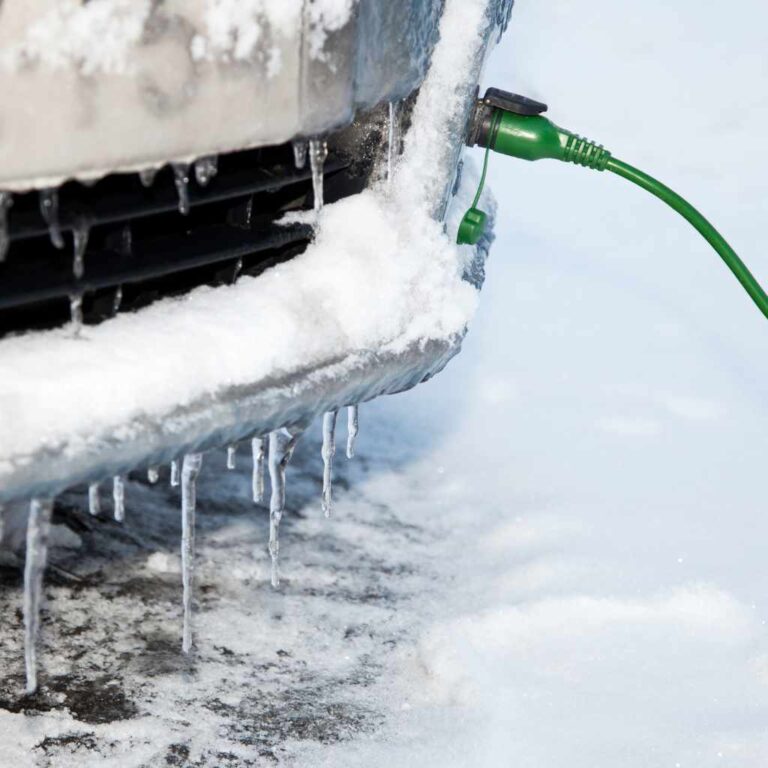
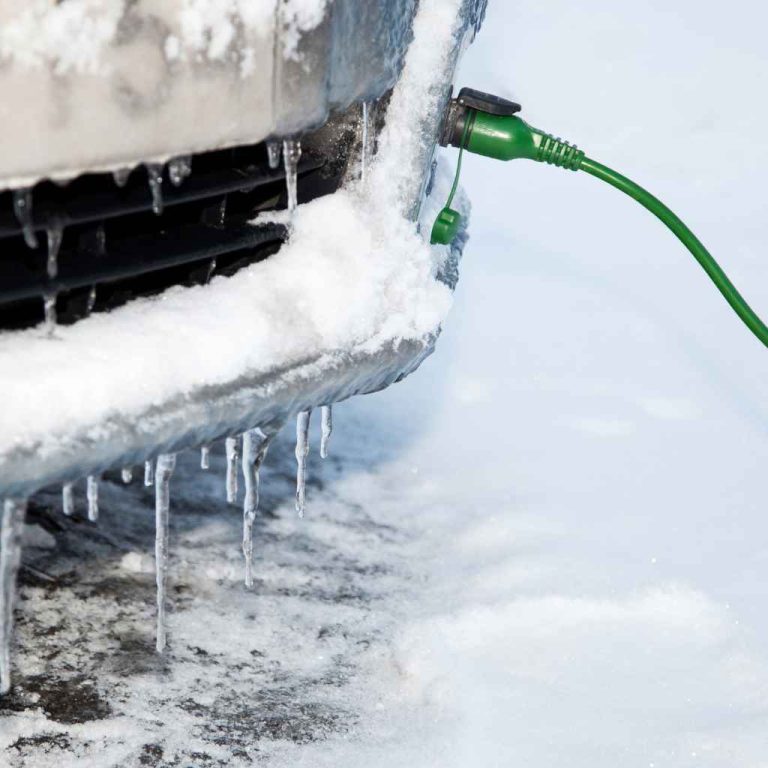
- AC Power Input: The heater itself has a cord that reaches outside the vehicle, usually to the front grille. This cord is plugged into a power source, typically an outdoor-rated grounded electrical outlet.
Essentially, it’s a small, self-contained electric heater for your engine. It works similar to a slow cooker or a sous vide heater, maintaining a consistent warm temperature for efficient operation.
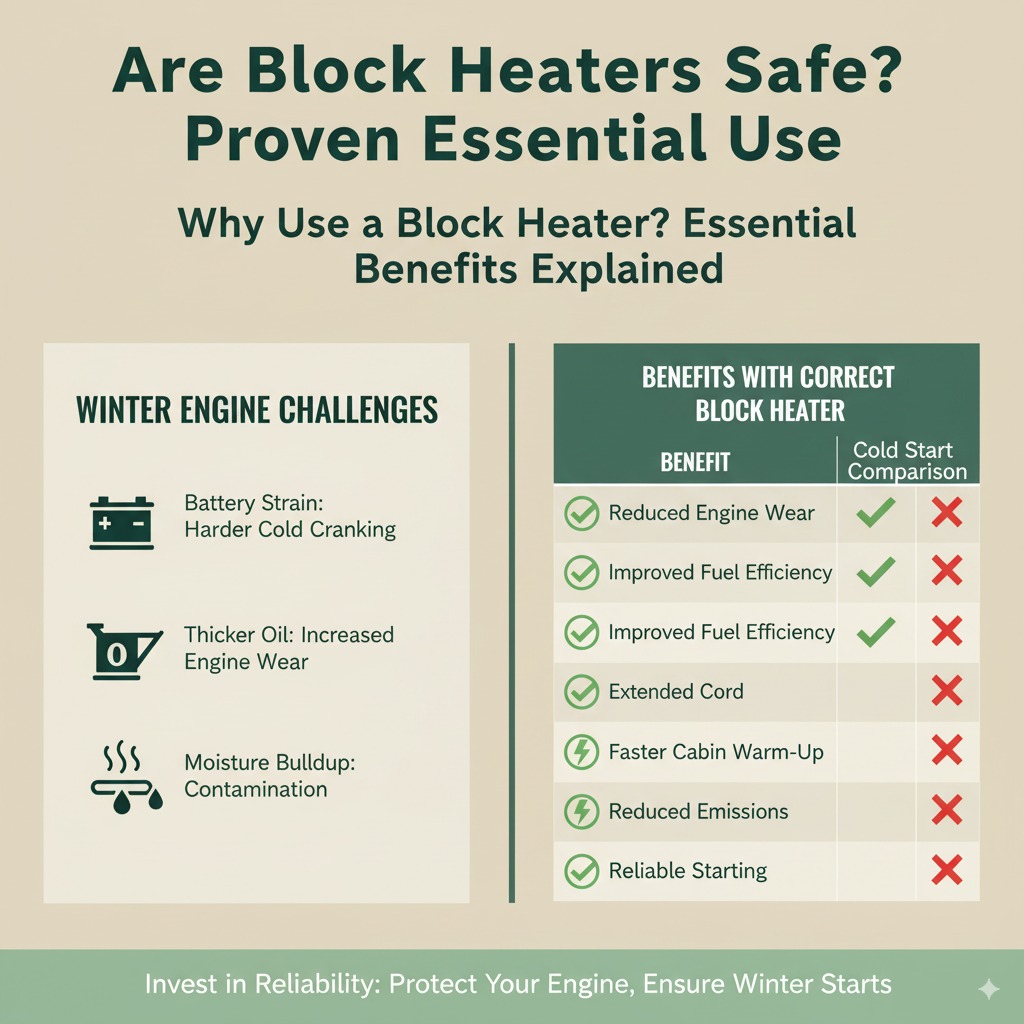
Why Use a Block Heater? Essential Benefits Explained
Using a block heater isn’t just about making your mornings more comfortable; it offers genuine benefits for your vehicle and your wallet. Let’s dive into why they are so essential:
1. Easier Cold Weather Starts
This is the most obvious benefit. When engine oil and other fluids get very cold, they become thick and sluggish. This makes it much harder for the starter motor to turn the engine over. With a block heater, your engine’s internal components are already warm and lubricated, leading to a smooth and effortless start, even in sub-zero temperatures.
2. Reduced Engine Wear
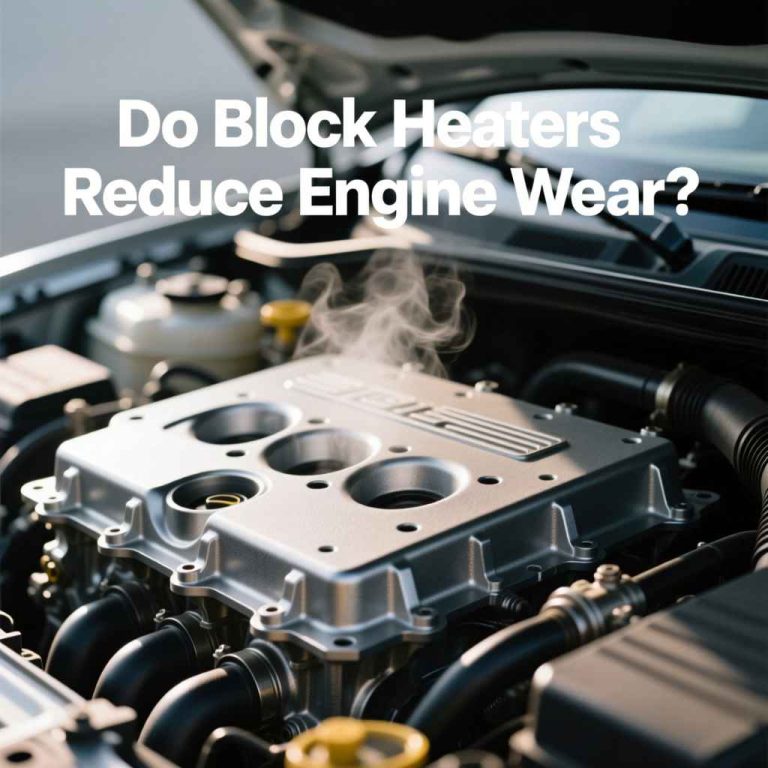
Cold starts are one of the most demanding situations for an engine. Thick oil doesn’t lubricate as effectively, leading to increased friction and wear on crucial parts like bearings, pistons, and cylinder walls. Preheating your engine significantly reduces this wear, potentially extending the life of your engine. According to the U.S. Department of Energy, “Starting an engine in cold weather is equivalent to driving it for several hundred miles in terms of wear,” highlighting the importance of reducing cold-start stress.
3. Improved Fuel Efficiency
A cold engine runs less efficiently. It requires a richer fuel mixture to start and stay running smoothly, meaning it burns more gasoline or diesel. As the engine warms up, it gradually shifts to a leaner mixture for optimal fuel economy. A block heater shortens the time your engine spends in this inefficient, cold state, leading to better gas mileage. You can see noticeable improvements in fuel consumption during the coldest months.
4. Faster Cabin Warm-Up
When your engine is cold, it produces very little heat to warm up the passenger cabin through the heater core. A pre-warmed engine means the coolant circulating to the heater core is already warm, allowing your car’s interior to heat up significantly faster. This means less time spent shivering in your driveway!
5. Reduced Emissions
Engines produce more pollutants when they are cold. By allowing the engine to reach its optimal operating temperature faster, a block heater helps reduce the amount of harmful emissions released into the atmosphere during those critical first few minutes of operation.
6. Protection for Other Fluids
It’s not just the oil; transmission fluid, power steering fluid, and even battery performance can be negatively impacted by extreme cold. While a block heater primarily targets the engine block, the circulating warm coolant does contribute to warming these other components, helping to maintain their proper function in frigid conditions.
Are Block Heaters Safe? Addressing Common Concerns
The question of safety is paramount with any electrical device. So, are block heaters safe? When installed and used correctly, absolutely yes. However, like anything powered by electricity, there are always considerations. Let’s address the common safety concerns:
Electrical Safety Hazards
The primary concern is electrocution or fire. This can arise from:
- Damaged Cords: Frayed, cut, cracked, or otherwise damaged power cords are the biggest risk. They can expose live wires, leading to shocks or short circuits that could start a fire. It’s crucial to inspect the cord regularly.
- Improper Connections: Using extension cords that aren’t rated for outdoor use or are too light-gauge can overheat and pose a fire risk. Connecting to an ungrounded outlet is also dangerous.
- Faulty Installation: Poorly installed heaters can leak coolant or have electrical connections that come loose, both of which can lead to issues.
Overheating Risks
While less common with modern thermostats, there’s a theoretical risk of the heater overheating if the thermostat fails or if the coolant level is too low, preventing proper circulation. However, the vast majority of block heaters are designed with safety in mind and include reliable thermostatic controls.
Coolant Leaks
Block heaters are installed directly into the engine’s cooling system. If the seals or connections are not made properly during installation, or if the heater unit itself develops a fault, it could lead to coolant leaks. Leaking coolant can reduce the effectiveness of your heating system and can be a hazard if it gets onto hot engine parts, though block heater leaks are typically from the unit’s installation point.
Ensuring Safe and Effective Use: A Step-by-Step Guide
Safety and effectiveness go hand-in-hand with block heaters. Follow these steps to ensure you’re getting the most out of yours without any worries.
Step 1: Proper Installation (Professional Recommended for Beginners)
While some technically inclined individuals can install a block heater themselves, for beginners, professional installation is highly recommended to ensure safety and longevity. A qualified mechanic will:
- Select the correct heater for your vehicle’s make and model.
- Ensure all hose connections are secure and free of leaks.
- Properly route the electrical cord to prevent damage or snagging.
- Ensure the heater is correctly seated in the engine block or coolant passage.
- Check the coolant level and system for any existing issues.
A professional installation generally ensures that the heater is integrated safely into your vehicle’s systems. For those looking for guidance on choosing the right type of heater or understanding compatibility, resources from reputable automotive suppliers can be invaluable. For example, parts suppliers often have detailed compatibility guides.
Step 2: Regular Cord Inspection
Before each use, and especially at the start of the cold season, thoroughly inspect the power cord:
- Visual Check: Look for any signs of wear, such as cuts, nicks, cracks, abrasionMarks, or melted spots.
- Plug Inspection: Ensure the plug itself is intact and not damaged.
- Connection Points: Make sure the cord is securely attached to the heater unit (if applicable) and that the plug prongs are straight.
If you find any damage, do not use the cord. Replace it with a new, manufacturer-approved cord immediately. For reference, a typical block heater cord is grounded and designed to withstand the elements.
Step 3: Use the Right Power Source
Connecting your block heater requires attention to electrical safety:
- Outdoor-Rated Outlet: Always use a grounded, outdoor-rated electrical outlet. These are designed to withstand moisture and temperature fluctuations. Standard indoor outlets should never be used outdoors.
- GFCI Protection: If possible, plug into an outlet that is protected by a Ground Fault Circuit Interrupter (GFCI). GFCIs provide an extra layer of safety by quickly cutting power if they detect a fault, greatly reducing the risk of shock. Check your home’s electrical panel or outdoor outlets to see if they are GFCI protected; if not, consider having them installed by an electrician.
- Appropriate Extension Cord: If you can’t reach an outlet directly, use a heavy-gauge (e.g., 14-gauge or lower gauge number, which means thicker wire) outdoor-rated extension cord. The thinner the wire, the more resistance, and the more likely it is to overheat. Short, thick cords are always better than long, thin ones. Avoid using multiple extension cords together. Consult resources on electrical safety from organizations like OSHA for guidance on proper extension cord use.
Step 4: Proper Plug-in and Unplugging Technique
When plugging in or unplugging:
- Ensure your hands are dry.
- Plug the cord firmly into the socket.
- When unplugging, grip the plug body, not the cord itself. Pull straight out.
- Route the cord neatly after unplugging to prevent it from being driven over or snagged. Many vehicles have a grommet or clip to hold the cord when not in use.
Step 5: Determine the Appropriate Heating Time
You don’t need to leave your block heater plugged in all night, every night. Leaving it plugged in for too long can waste energy and potentially decrease the lifespan of the unit and your battery.
- General Recommendation: For most vehicles and typical cold weather (around 0°F or -18°C), plugging in 2-4 hours before you plan to start your engine is usually sufficient.
- Colder Temperatures: In extremely cold weather (below -20°F or -29°C), you might need 4-6 hours.
- Using a Timer: A simple outdoor timer is an excellent investment. Set it to turn the heater on 3-4 hours before you typically leave in the morning. This ensures you get the benefit without excessive run time, saving electricity. Many modern vehicles also have integrated timers or smart features for their block heaters.
The goal is to warm the engine sufficiently, not to keep it at a very high temperature. Overheating is rarely an issue with a functioning thermostat, but minimizing unnecessary run time is good practice.
Step 6: Maintain Your Cooling System
A block heater relies on a healthy cooling system. Ensure your coolant is the correct type for your vehicle and climate, and that the mixture is appropriate. Low coolant levels or old, degraded coolant can make your block heater less effective and even potentially lead to issues if the heater can’t circulate fluid properly. Regularly check your coolant level and condition as part of your regular car maintenance.
Types of Block Heaters
There are a few main types of block heaters, each with its unique installation and function:
1. Circulating Block Heaters
These are the most common and arguably the most effective. They work by directly heating the coolant and then relying on the thermosiphon effect (or sometimes a small inline pump) to circulate the warm coolant through the engine block and heater core. They are typically installed by replacing a freeze plug or by tapping into a coolant hose.
2. Stick-On or Pad Heaters
These are typically thin, flexible electric heating pads that adhere directly to the exterior of the engine block or oil pan. They transmit heat through direct contact. While simpler to install and potentially less expensive, they are generally considered less efficient than circulating heaters because heat transfer is slower and less pervasive throughout the engine block. They can work well for warming the oil but might not warm the entire engine block as effectively.
3. Immersion Heaters
These are similar to circulating heaters but are inserted directly into the engine block through a spare coolant passage or a modified freeze plug location. They are designed to be fully immersed in the coolant. Their effectiveness is comparable to circulating heaters.
4. Tank Heaters
These heaters are installed in a loop with your heater hoses. They contain their own small reservoir that fills with coolant. The heater element warms the coolant in this tank, forcing it into the heater hoses and thus into the engine’s cooling system. They often incorporate a small circulation pump to ensure even heating.
A table summarizing their characteristics:
| Type | How it Works | Typical Installation | Pros | Cons |
|---|---|---|---|---|
| Circulating Block Heaters | Heats coolant in engine block via immersion element. | Replaces freeze plug or taps into coolant passage. | Most effective, warms entire block. | More involved installation. |
| Stick-On / Pad Heaters | Adheres to exterior of block/oil pan, heats through contact. | Sticks onto exterior surface. | Easy installation, simple to use. | Less efficient, slower heating, may not warm entire block. |
| Immersion Heaters | Element submerged in coolant within the block chamber. | Installed in coolant passage of block. | Effective coolant heating. | Requires precise installation in a suitable port. |
| Tank Heaters | Heats coolant in a separate tank; often includes pump. | Installed in heater hose line. | Good circulation and heating. | Can be bulkier, requires careful hose routing. |
When choosing a type, consider your vehicle, local climate, and your comfort level with installation. For most drivers, a circulating block heater offers the best all-around performance.
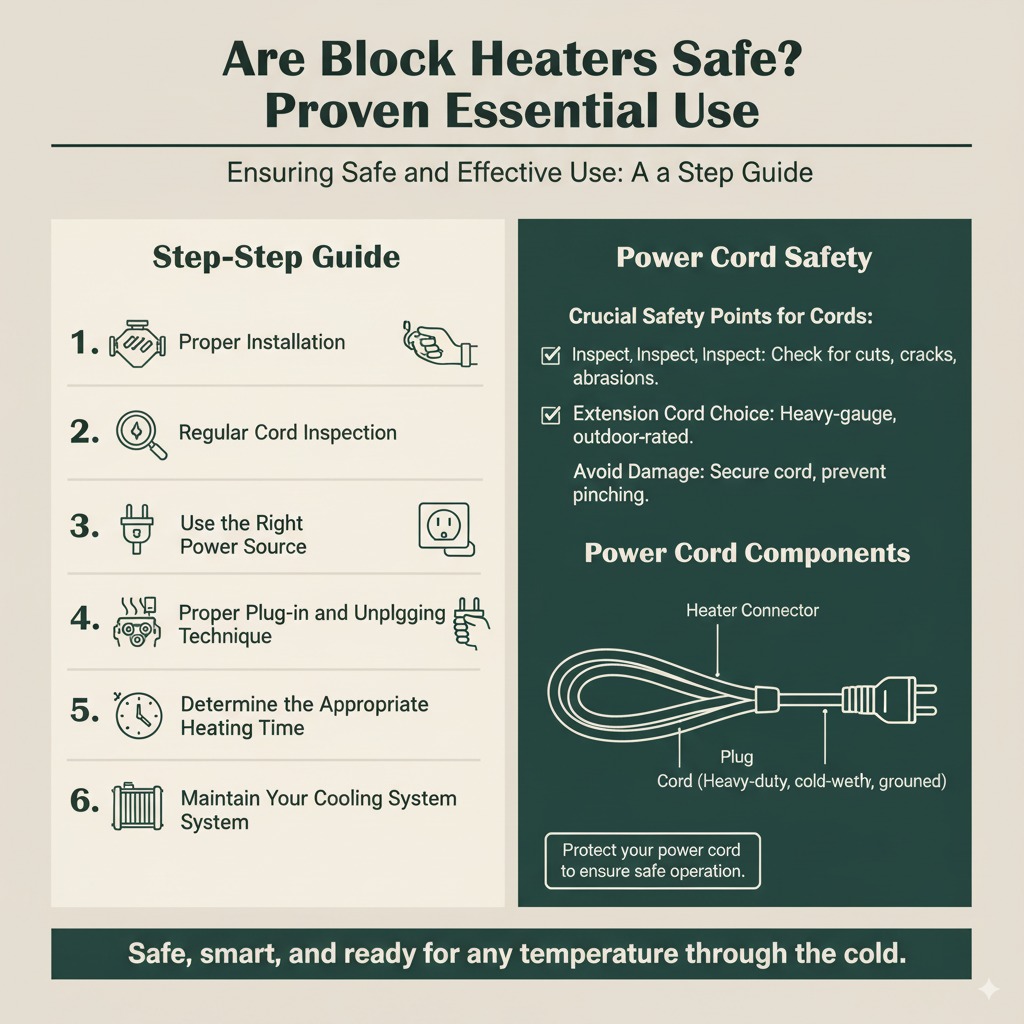
Connecting Your Block Heater Safely: The Power Cord Guide
The power cord is the lifeline between your block heater and the electrical grid. It’s crucial to treat it with care. Modern block heater cords are robust, designed to withstand harsh winter conditions, but they aren’t indestructible.
A typical block heater cord assembly consists of:
- The Heater Connector: This is the part that attaches directly to your block heater. It’s usually a robust, molded connector.
- The Cord: This flexible, often orange or brightly colored cord is made from heavy-duty, cold-weather-resistant rubber or PVC. It should be abrasion-resistant.
- The Plug: This is the standard three-prong (hot, neutral, and ground) plug that goes into your electrical outlet. The ground pin is essential for safety.
Crucial Safety Points for Cords:
- Inspect, Inspect, Inspect: This cannot be stressed enough. Every time you plan to use it, do a quick visual check for any signs of splitting, cracking, fraying, or exposed wires. If the insulation is compromised, the cord is hazardous.
- Extension Cord Choice: If you need an extension cord, always opt for a heavy-gauge, outdoor-rated cord. A 12-gauge or 14-gauge cord is recommended. A cord that is too thin will build up resistance, become hot, and can be a fire hazard. Use the shortest cord possible that reaches your outlet.
- Avoid Damage: Ensure the cord isn’t dangling where it can be pinched by doors, or run over by tires when you’re maneuvering your vehicle. Secure it when not in use. Many vehicles come with a bracket or clip to keep the cord tidy and protected.
- Protect the Plug: Keep the plug clean and free of ice and snow. A buildup of moisture or ice can complicate a good connection.
By taking these simple precautions with the power cord, you significantly reduce any potential electrical risks associated with using a block heater.
Block Heater Safety FAQs
Q1: Can I leave my block heater plugged in overnight?
A1: While it’s generally safe to do so, it’s not always necessary or the most energy-efficient. Most modern block heaters have thermostats that prevent overheating. However, plugging in for 2-4 hours before starting your engine is usually sufficient for most cold conditions. Using a timer can optimize run time and save electricity.