Propane Heaters Direct Vent Vs Ventless: Key Differences
Choosing the right propane heater for your home can feel overwhelming, especially when faced with the decision between direct vent and ventless models. You want to ensure warmth and comfort without compromising on safety or efficiency.
For a related heater topic, Are Brenton And Naiture Towell Warmers the Same: Key Differences Revealed gives readers a useful next step.
But how do you know which option truly fits your needs? This dilemma might be keeping you up at night, and that’s exactly why you’re here. Imagine sitting in your cozy living room, enjoying the perfect temperature, knowing that you’ve made the best choice for your family and your home.
Understanding the differences between direct vent and ventless propane heaters can unlock this peace of mind. You’ll discover the key distinctions between these two types of heaters, including their benefits, drawbacks, and ideal applications. By the end, you’ll be equipped with the knowledge to make an informed decision that aligns with your needs and lifestyle. Let’s dive into the world of propane heaters and bring clarity to your heating options.
Direct Vent Propane Heaters
Direct vent propane heaters use a vent system to expel gas, offering safety and efficiency. Ventless heaters circulate indoor air, providing warmth without an external vent. Choosing between them depends on ventilation needs and room size.
How Direct Vent Works
Direct vent heaters pull air from outside. This keeps indoor air clean. They push exhaust outside too. No indoor fumes. Safe and efficient heating. Perfect for tight spaces. No need for open windows. Makes homes warm and cozy.
Advantages Of Direct Vent
Direct vent heaters are energy-efficient. They save on bills. Reduce heat loss. Improve air quality indoors. Prevent moisture build-up. Reduce risks of allergies. Ideal for small homes. Quiet operation. No loud noises. Reliable heating for cold days.
Installation Requirements
Direct vent heaters need outside access. Walls or roofs must have holes. Professional installation recommended. Ensure proper sealing. Check for leaks. Follow local codes. Understand the space needs. Choose the right size. Consider the home’s layout. Safety is key.
Ventless Propane Heaters
Ventless heaters use propane gas to make heat. They burn the gas inside a safe chamber. The heat then spreads into the room. These heaters do not need a chimney or vent. This makes them easy to install. They are perfect for small spaces.
Ventless heaters are easy to move. They cost less to install. These heaters are very efficient. They waste less heat. You save money on energy bills. They are also space-saving. You can place them in tight corners.
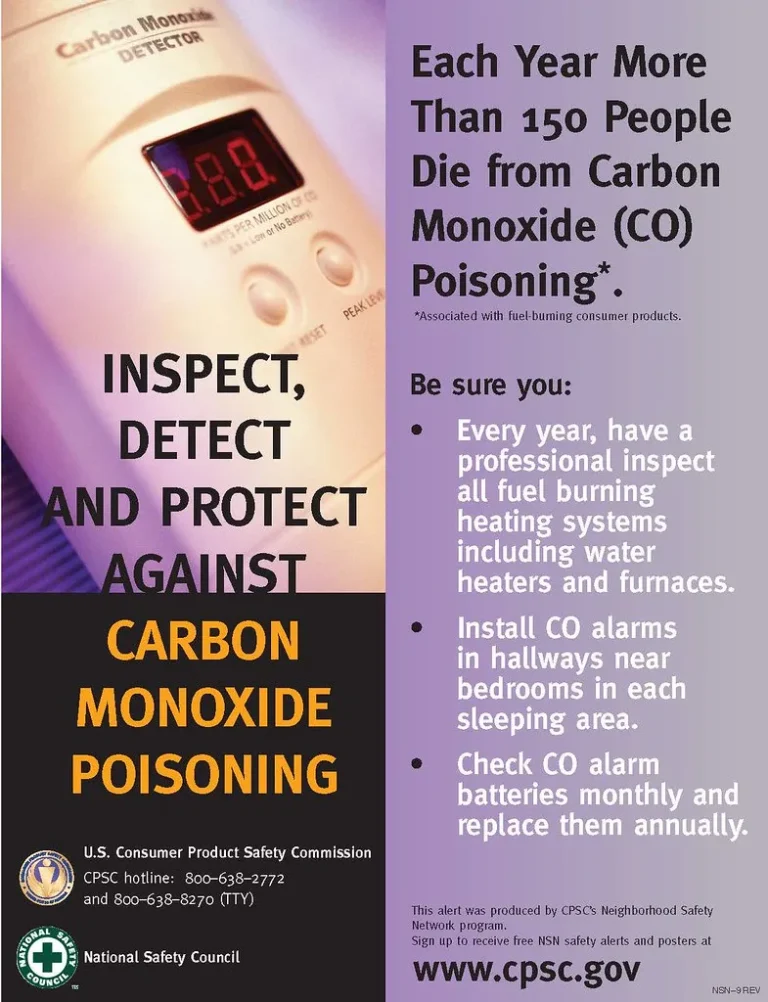
Safety is important with ventless heaters. Make sure the room has good air flow. These heaters need oxygen to work. Always check for any gas leaks. Install a carbon monoxide detector. Keep flammable items away from the heater. Follow the safety tips.
Efficiency And Performance
Direct vent heaters use air from outside. This means they are more efficient. They consume less energy because they don’t pull air from inside. Ventless heaters, on the other hand, use room air. This can lead to higher energy bills. They might need more fuel to keep the room warm. Choosing the right type depends on your space and needs.
Direct vent heaters provide consistent warmth. They can heat large spaces well. This is because they vent directly outside. Ventless heaters are good for small rooms. They heat quickly but can make the room stuffy. It’s important to keep a window open for fresh air. This helps in staying safe and comfortable.
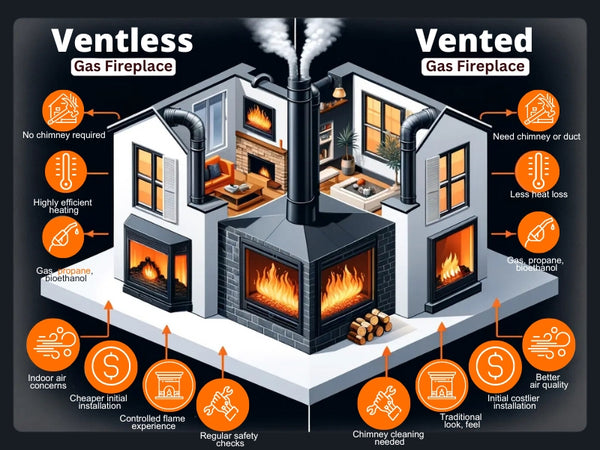
Credit: www.firepitsurplus.com
Environmental Impact
Direct vent propane heaters send fumes outside. This helps keep the air inside clean. Ventless heaters keep all gases inside. This can make the air less healthy.
Some gases can be dangerous. They might cause headaches or make you feel sick. Direct vent heaters are better for air quality. Ventless heaters need more care and attention.
Direct vent heaters often meet safety rules. Ventless heaters have stricter rules. They must meet special safety standards.
Some places do not allow ventless heaters. Check local rules and laws. Always follow safety guidelines. Choose heaters that are safe and approved.
Cost Analysis
Propane heaters offer two main options: direct vent and ventless. Direct vent models channel exhaust outside, ensuring safety, but typically cost more. Ventless heaters are cheaper and easier to install, though they require careful placement to prevent indoor air quality issues.
Initial Investment
Propane heaters have different costs. Direct vent heaters often cost more at first. They need special vents and can be harder to install. Ventless heaters are usually cheaper. They don’t need vents, which saves money. Always check local laws before buying. Some places limit ventless heaters.
Long-term Costs
Direct vent heaters are efficient. They use less fuel over time. This can save money. Ventless heaters might use more fuel. They can also cause moisture buildup. This may damage walls or furniture. Repairs can add to costs. Think about long-term savings, not just the initial price. Choose wisely for your home’s needs.

Credit: williamsongas.com
Choosing The Right Heater
Propane heaters offer two main types: direct vent and ventless. Direct vent heaters expel gases outside, ensuring cleaner air indoors. Ventless models, though efficient, may impact indoor air quality. Choose based on your space needs and safety preferences.
Factors To Consider
Choosing the right heater is important for your home. Safety is crucial. Direct vent heaters offer a safer option. They keep harmful gases outside. Efficiency is another key factor. Ventless heaters are efficient. They heat spaces quickly. Installation can be a hassle. Direct vent heaters need a wall vent. Ventless models are simpler to install. Cost matters too. Direct vent heaters are more expensive. Ventless heaters are budget-friendly.
Comparing Direct Vent And Ventless
Direct vent heaters use outside air. This keeps indoor air clean. They are perfect for enclosed spaces. Ventless heaters circulate indoor air. They might cause moisture problems. Direct vent models are quieter. Ventless heaters can be noisy. Direct vent heaters need professional installation. Ventless models are easy to install. Direct vent heaters offer more safety features. Ventless heaters are more portable.
Frequently Asked Questions
What Is A Direct Vent Propane Heater?
A direct vent propane heater expels combustion gases outside. It uses a sealed system for efficient heating. This type of heater is safer and minimizes indoor air pollution. Direct vent heaters are ideal for maintaining indoor air quality and ensuring a safe environment.
Are Ventless Propane Heaters Safe Indoors?
Ventless propane heaters can be safe indoors if used properly. They lack a vent, so they release combustion byproducts into the room. Ensure good ventilation and follow safety guidelines. Regular maintenance and monitoring are crucial to avoid risks like carbon monoxide buildup.
Which Is More Energy Efficient: Direct Vent Or Ventless?
Direct vent propane heaters are generally more energy efficient. They use outside air for combustion, reducing heat loss. Ventless heaters use indoor air, potentially leading to higher energy costs. Choosing an energy-efficient heater can lower utility bills and enhance comfort.
Do Ventless Heaters Require Ventilation?
Yes, ventless heaters require ventilation despite lacking a chimney or flue. Proper ventilation ensures indoor air quality and safety. It helps disperse combustion byproducts like carbon monoxide. Regularly check your ventilation system and follow manufacturer guidelines for safe operation.
Conclusion
Choosing between direct vent and ventless propane heaters depends on your needs. Direct vent heaters provide better air quality. They expel gases outside, keeping indoor air clean. Ventless heaters are easier to install. They offer flexibility in placement and cost less.
Safety considerations are crucial with ventless options. Always ensure proper ventilation to avoid hazards. Think about your space and budget. Evaluate the pros and cons of each type. This helps you make an informed decision. Comfort and safety should guide your choice.
Your heater should meet your specific requirements efficiently.