Are Blue Flame Heaters Safe: Essential Facts You Need to Know
Are you thinking about using a blue flame heater to keep your home warm? It’s natural to wonder if these heaters are really safe for you and your family.
After all, when it comes to your comfort, nothing should come at the cost of your peace of mind. You’ll discover the truth about blue flame heaters—how they work, the safety risks involved, and the simple steps you can take to protect yourself.
Keep reading to learn everything you need to know before making your decision.
How Blue Flame Heaters Work
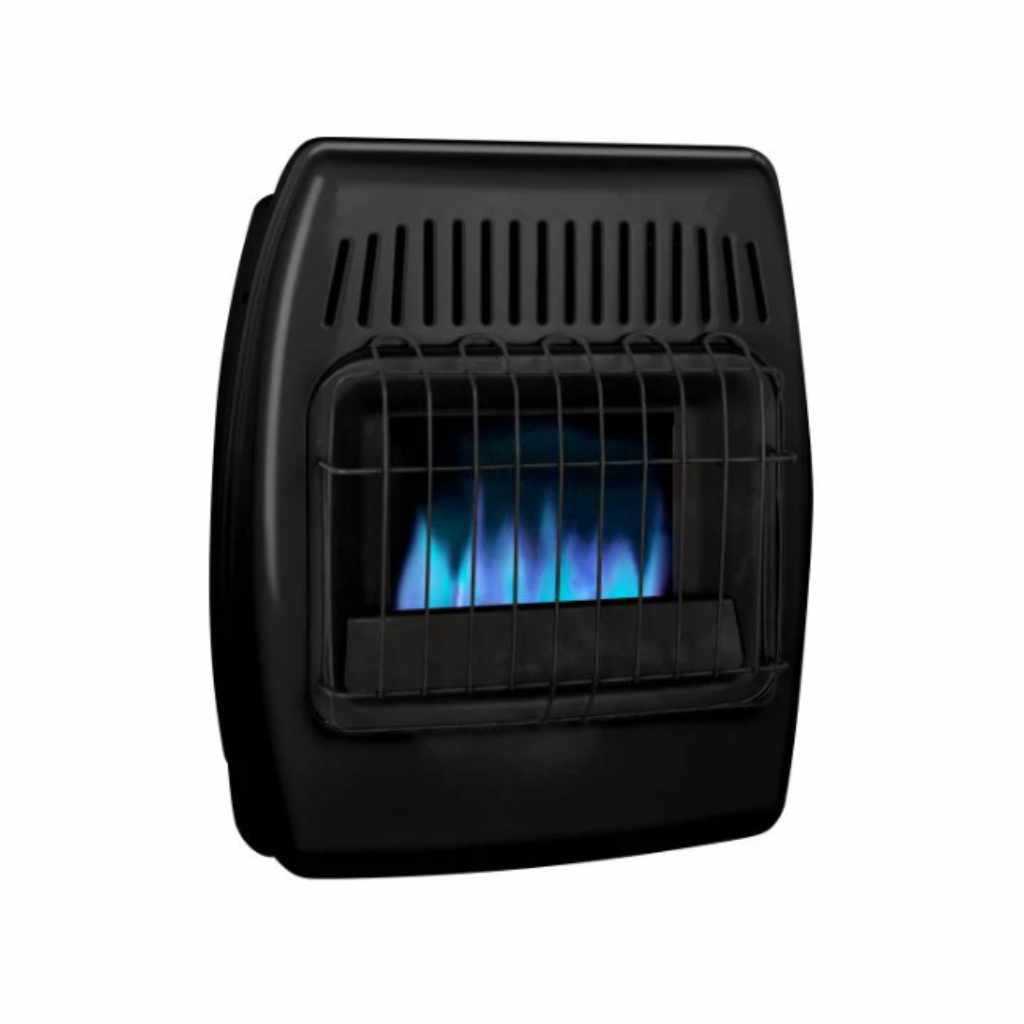
Understanding how blue flame heaters work helps you see why they are popular. These heaters use natural gas or propane to create a warm, blue flame. The flame heats the air inside your home quickly and efficiently.
Blue flame heaters are known for spreading heat evenly. They do not blow hot air like some other heaters. Instead, they warm the air around the heater, which then rises and circulates.
Combustion Process
Blue flame heaters burn gas in a controlled way. The gas mixes with oxygen and ignites. This creates a blue flame, which means the gas burns cleanly and fully.
Clean combustion reduces harmful gases. It also makes the heater safer and more efficient. The blue color shows the flame is hot and stable.
Heat Distribution
The heat from the blue flame warms a metal surface. This surface then heats the air around it. Warm air rises naturally and moves around the room.
This method spreads heat evenly. It avoids hot spots and cold corners. The room warms up faster and stays comfortable longer.
Ventilation And Safety Features
Blue flame heaters often have vents or fans. These help remove combustion gases outside your home. Good ventilation lowers the risk of carbon monoxide build-up.
Many models include safety features. These can shut off the heater if gas leaks or flames go out. This protects your home and family from harm.
Common Safety Concerns
Blue flame heaters are popular for their efficiency and warmth. Yet, safety is a top concern for many users. Understanding common risks helps keep your home safe and warm. Below are key safety concerns to consider when using blue flame heaters.
Carbon Monoxide Risks
Blue flame heaters burn fuel to produce heat. This process can release carbon monoxide gas. This gas is colorless and odorless, making it hard to detect. Carbon monoxide can cause serious health problems or death. Always use a carbon monoxide detector near the heater. Never use a blue flame heater in a closed or poorly ventilated room.
Fire Hazards
Blue flame heaters have an open flame inside. This flame can ignite nearby flammable items. Keep furniture, curtains, and papers at a safe distance. Avoid placing anything on top of the heater. Turn off the heater before leaving the room or going to sleep. Regularly check the heater for damage or leaks.
Ventilation Needs
Proper ventilation is critical for safe heater use. It helps remove harmful gases from your home. Always use blue flame heaters in rooms with good airflow. Open a window or door slightly to allow fresh air in. Avoid sealing rooms tightly when the heater runs. Proper ventilation prevents gas build-up and reduces health risks.
Safety Features To Look For
Safety is the top priority when using blue flame heaters. These heaters use gas, so certain features must be present. These features help prevent accidents and keep your home safe. Knowing what to check can give peace of mind.
Oxygen Depletion Sensors
Oxygen depletion sensors detect low oxygen levels in the room. They automatically turn off the heater if oxygen drops too low. This stops dangerous gas buildup. It protects your family from carbon monoxide poisoning. This sensor is essential for safe indoor use.
Automatic Shutoff
Automatic shutoff stops the heater if it tips over or overheats. It prevents fires and damage to the heater. This feature acts fast to avoid accidents. It is a must-have for any blue flame heater. It keeps the environment safer for everyone.
Quality Certifications
Look for heaters with quality certifications like CSA or UL. These marks mean the heater passed safety tests. Certified heaters meet strict safety standards. Choosing certified products reduces risks. It ensures the heater is built to protect users.
Proper Installation Tips
Proper installation is key for the safe use of blue flame heaters. It helps prevent risks and ensures the heater works well. Follow these tips to install your heater safely and correctly.
Choosing The Right Location
Pick a spot with good airflow and space around the heater. Avoid places near curtains, furniture, or flammable items. Keep the heater away from high traffic areas to prevent accidents. A well-ventilated room reduces harmful gas build-up.
Professional Setup
Hire a certified technician for the installation. Professionals know local safety codes and rules. They check gas lines and connections carefully. Proper setup lowers risks of leaks and carbon monoxide. Trust experts to ensure your heater is safe.
Regular Maintenance
Schedule routine checks to keep the heater working well. Clean filters and vents to avoid blockages. Inspect for gas leaks or unusual smells. Regular care extends the heater’s life and keeps your home safe. Don’t skip maintenance; it protects your family.
Usage Best Practices
Using blue flame heaters safely requires clear rules and careful attention. Following best practices helps prevent accidents and keeps your home warm without worry. These tips make sure your heater runs efficiently and safely every time.
Safe Operation Guidelines
Always place the heater on a flat, stable surface. Keep it away from curtains, furniture, and other flammable items. Make sure the room has good ventilation to avoid gas buildup. Turn off the heater before leaving the room or going to sleep. Regularly check the heater for signs of damage or wear. Use the correct fuel type recommended by the manufacturer. Never block the air vents or exhaust pipe.
Avoiding Common Mistakes
Do not use blue flame heaters in small, closed rooms. Avoid using extension cords or power strips with the heater. Never leave it unattended while it is on. Do not try to repair the heater yourself if it breaks. Avoid placing objects on top of the heater. Do not ignore strange smells or noises coming from the heater. Always read and follow the user manual carefully.
Emergency Preparedness
Keep a fire extinguisher near the heater at all times. Know how to quickly turn off the gas supply. Install carbon monoxide detectors in rooms with the heater. Make sure everyone in the house understands emergency procedures. Plan an escape route in case of fire or gas leak. Call emergency services immediately if you suspect a gas leak. Regularly test smoke and carbon monoxide alarms.
Comparing Blue Flame Heaters With Other Types
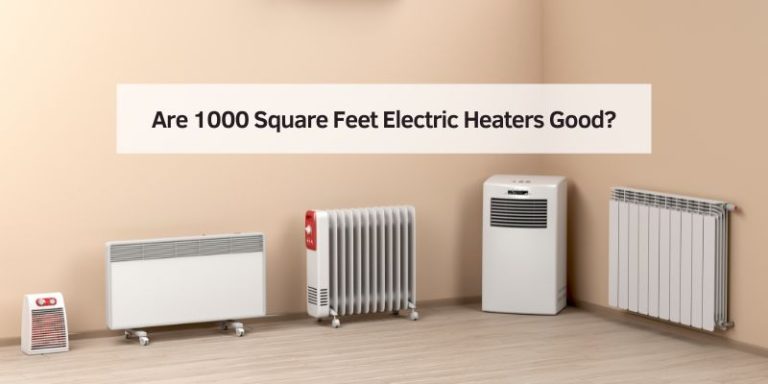
Blue flame heaters are a popular choice for home heating. Comparing them with other types helps you see their safety and efficiency. Different heaters work in unique ways. This affects how safe and effective they are in your home.
Electric Heaters
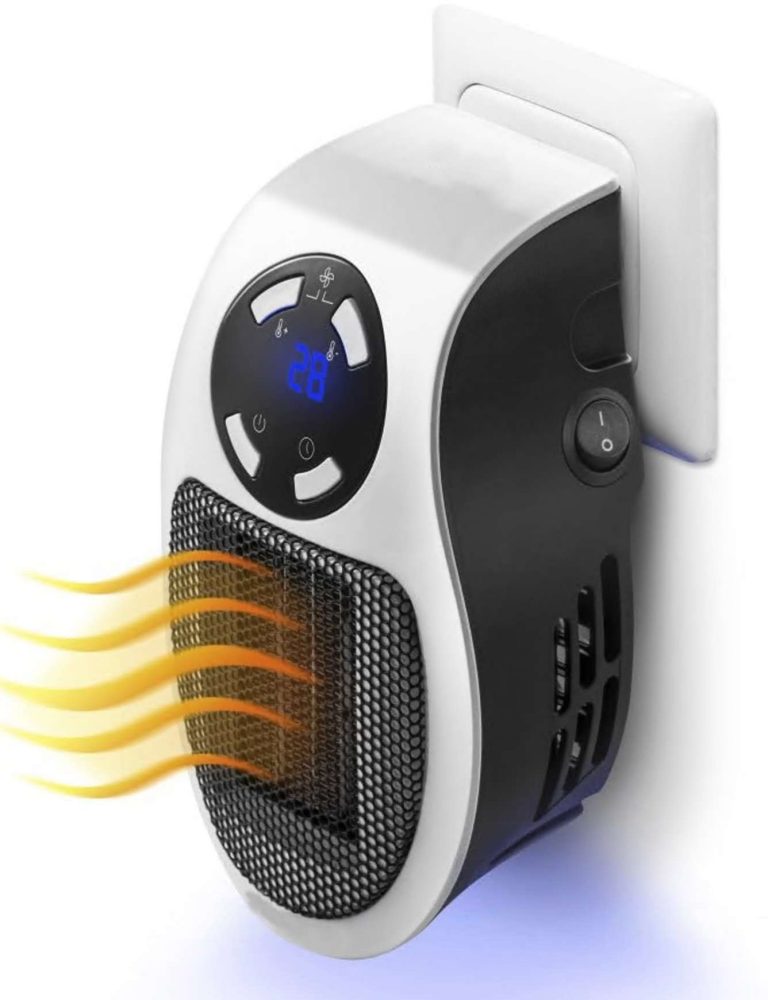
Electric heaters use electricity to produce heat. They do not burn fuel, so there is no risk of gas leaks. This makes them very safe for indoor use. Electric heaters heat the air quickly but can be expensive to run. They are easy to move and require little maintenance.
Infrared Heaters
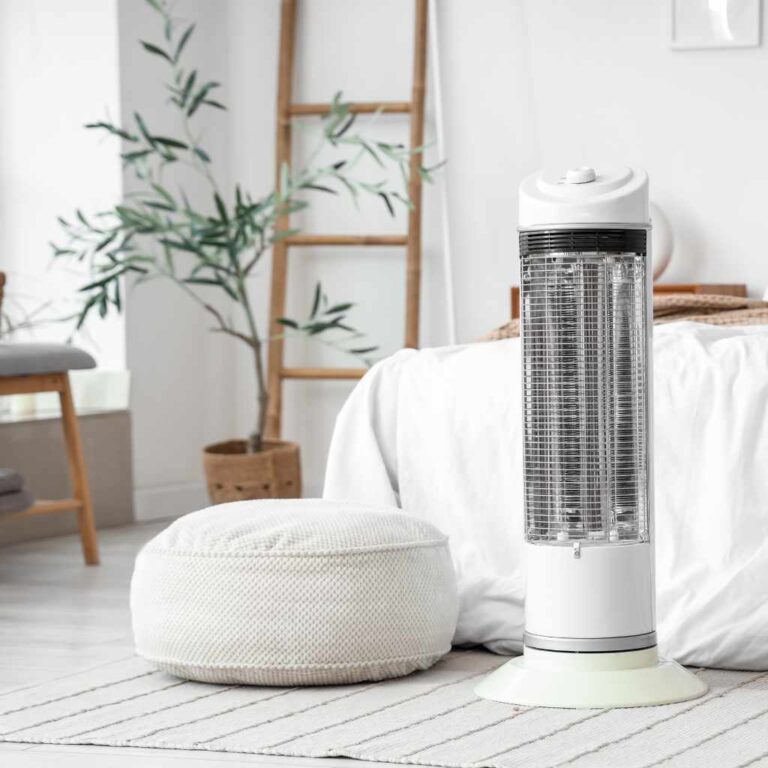
Infrared heaters warm objects and people directly. They do not heat the air like other heaters. This type is energy efficient and provides instant warmth. Infrared heaters do not produce fumes or flames. This reduces the risk of fire or carbon monoxide poisoning.
Convection Heaters
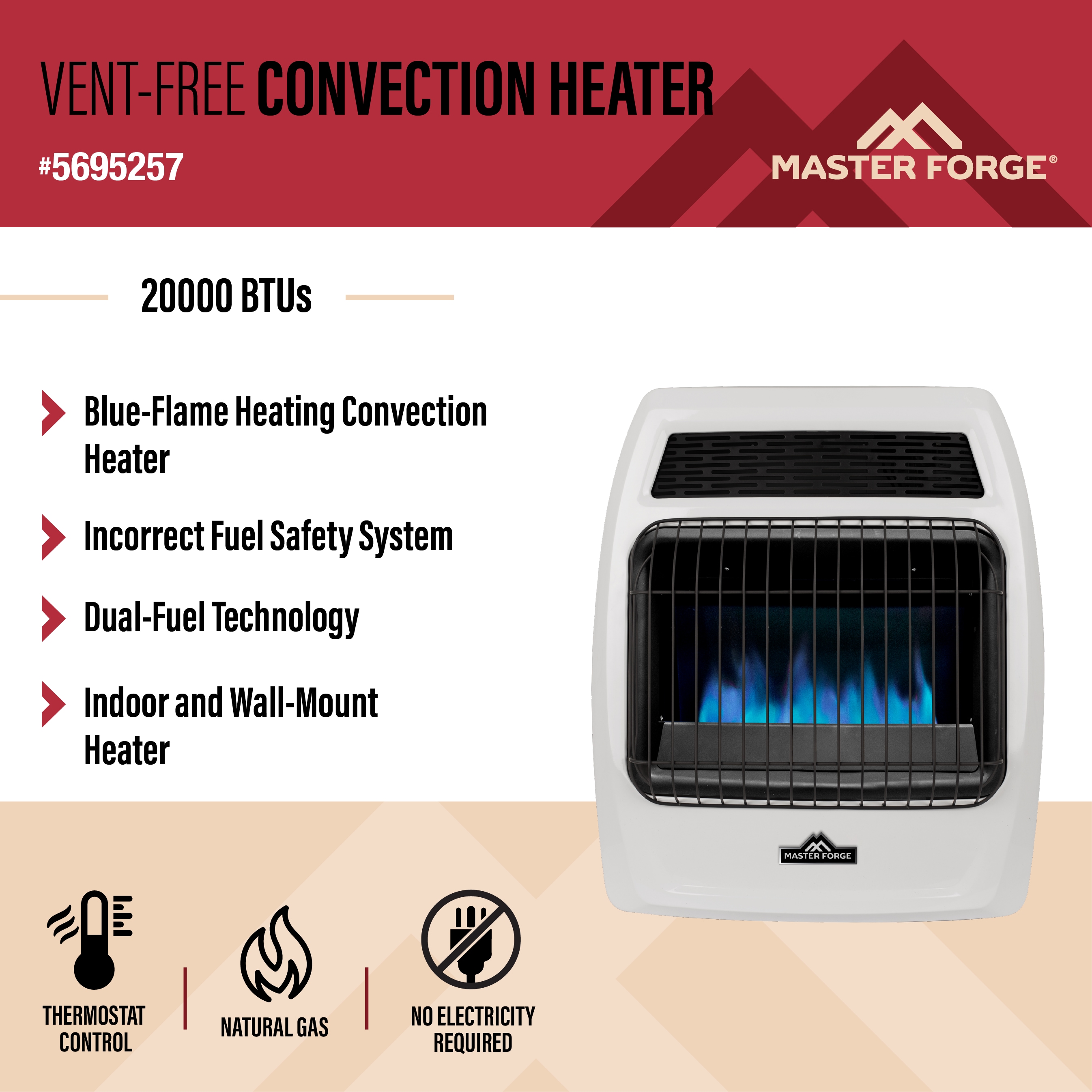
Convection heaters warm the air in a room. The heated air rises and spreads evenly. They are quiet and provide steady heat. Some use electric power, while others use gas or oil. Gas-powered convection heaters need good ventilation to stay safe.
Frequently Asked Questions
Are Blue Flame Heaters Safe For Indoor Use?
Yes, blue flame heaters are safe indoors when properly vented. They burn fuel efficiently and reduce carbon monoxide risks. Always follow manufacturer guidelines and ensure adequate ventilation for safety.
How Do Blue Flame Heaters Prevent Carbon Monoxide Buildup?
Blue flame heaters use direct venting systems that expel combustion gases outside. This prevents carbon monoxide from accumulating indoors. Proper installation and maintenance are essential to keep these safety features effective.
Can Blue Flame Heaters Cause Fire Hazards?
Blue flame heaters are designed with safety features to minimize fire risks. Keep flammable materials away and never leave the heater unattended. Regular inspections help ensure safe operation and prevent fire hazards.
What Maintenance Is Required For Blue Flame Heaters?
Regular cleaning and annual professional inspections keep blue flame heaters safe. Check vents and burners for blockages or damage. Proper maintenance ensures efficient burning and reduces safety risks.
Conclusion
Blue flame heaters can be safe when used properly. Always follow the manufacturer’s instructions. Keep rooms well-ventilated to avoid gas buildup. Regular maintenance helps prevent risks and keeps heaters working well. Never leave heaters unattended for long periods. Using carbon monoxide detectors adds an extra safety layer.
Choose a heater that fits your space and needs. Safety depends on how you use and care for the heater. Stay alert and cautious to enjoy warmth without worry.