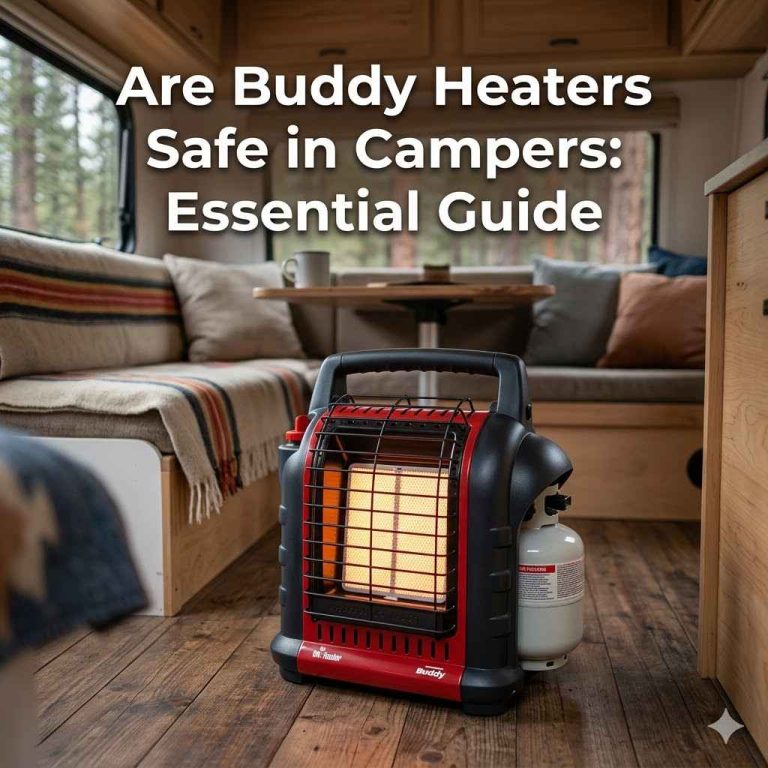
Blue Flame Heaters Are Safe for RVs with Ventilation
If you own an RV, keeping warm during chilly nights is a top priority. You might be wondering, are blue flame heaters safe for your RV?
It’s a question that matters because your safety and comfort go hand in hand. Imagine cozying up inside your RV without worrying about harmful fumes or fire risks. This article will clear up the confusion and help you make smart choices for your heating needs.
Keep reading to discover what makes blue flame heaters a trusted option—or not—for your home on wheels.
How Blue Flame Heaters Work
Understanding how blue flame heaters work helps in deciding their safety for RV use. These heaters provide warm air by burning fuel in a controlled way. They produce a blue flame, which means the fuel burns completely and cleanly. This process creates heat without much smoke or harmful gases.
Basic Mechanism
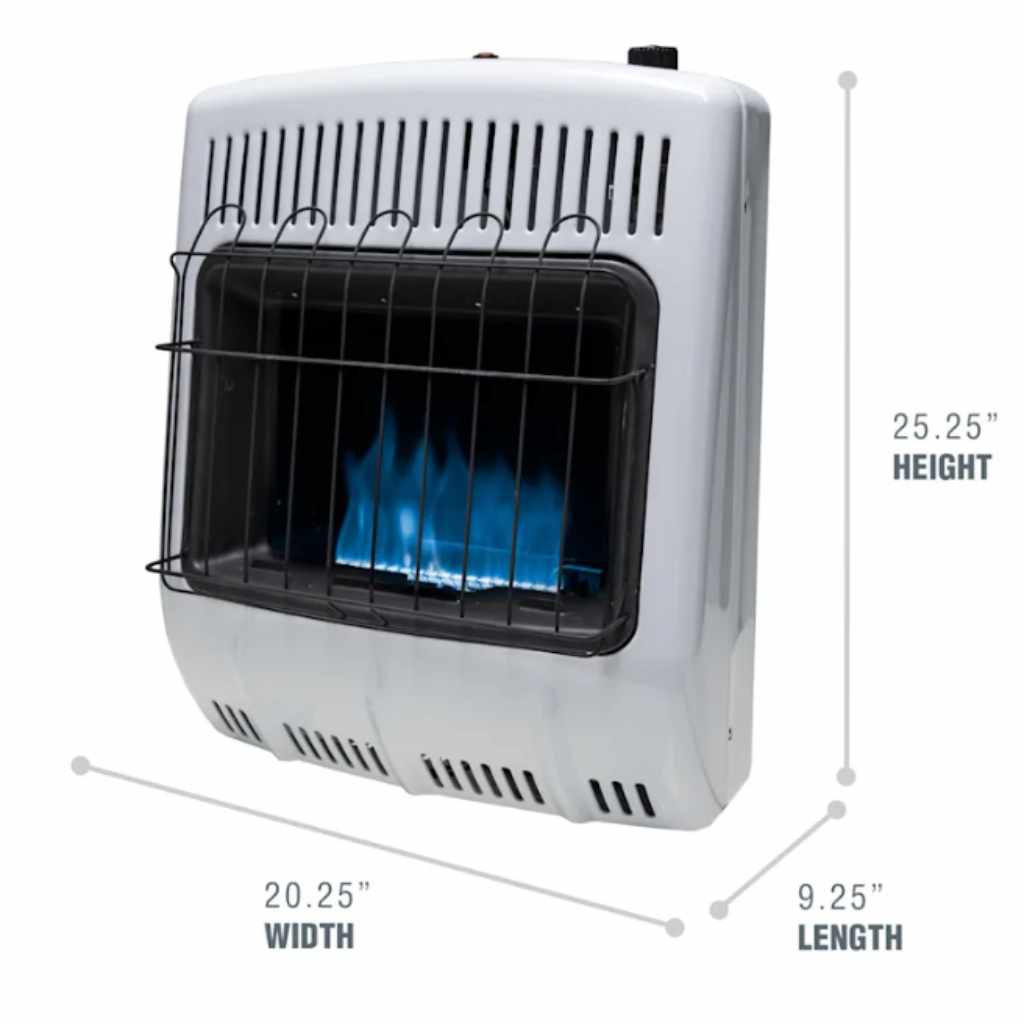
Blue flame heaters burn propane or natural gas. The gas flows through a burner inside the heater. When ignited, it creates a blue flame. This flame heats a metal surface called a heat exchanger.
The heat exchanger warms the air around it. A fan often blows air over the heat exchanger. Warm air then moves into the RV’s living space. This system heats the area efficiently and quickly.
Common Uses In Rvs
Blue flame heaters serve as the main heating source in many RVs. They work well in small spaces. The heaters warm the air evenly throughout the RV. Many RV owners use them because they run on propane, which is easy to carry.
These heaters also help reduce moisture inside the RV. They do not dry the air like some electric heaters. This keeps the air comfortable and fresh. Blue flame heaters are popular for camping and traveling in cold weather.

Safety Risks To Consider
Using blue flame heaters in RVs comes with some safety risks. These heaters work by burning gas to create heat. This process can produce harmful gases and other dangers. Understanding these risks helps keep you safe while staying warm.
Carbon Monoxide Hazards
Blue flame heaters can produce carbon monoxide, a deadly gas. It is colorless and has no smell. This gas can build up quickly in small spaces like RVs. Breathing carbon monoxide can cause headaches, dizziness, or worse. Installing a carbon monoxide detector is very important.
Fire And Burn Risks
These heaters get very hot during use. Touching the heater can cause burns. Nearby flammable items may catch fire if too close. Keeping a safe distance from the heater helps avoid accidents. Never leave the heater unattended while it runs.
Ventilation Challenges
Proper ventilation is key when using blue flame heaters. RVs have limited airflow, which can trap gases inside. Open windows or vents to allow fresh air in. Good ventilation reduces the chance of gas buildup. It also improves heater efficiency and safety.
Choosing The Right Heater
Choosing the right heater for your RV is important for comfort and safety. A heater that fits well will warm your space effectively. It also uses fuel efficiently, saving you money. Not all heaters are made the same, so pick one that suits your needs and environment.
Size And Power Needs
Pick a heater that matches your RV size. A small heater may not warm a large space. A large heater can waste energy in a small RV. Check the heater’s power rating in BTUs. More BTUs mean more heat output. Calculate your RV’s volume to find the right heat level. Choose a heater that can run on your available power source. This ensures smooth operation without overload.
Safety Certifications
Always choose heaters with proper safety certifications. Look for UL or CSA marks. These show the heater meets safety standards. Certified heaters have tested safety features. These include overheat protection and flame failure devices. Certification reduces the risk of accidents. It also gives peace of mind while using the heater.
Installation Tips For Rvs
Installing a blue flame heater in an RV needs care and attention. Proper setup keeps you safe and makes the heater work well. Follow key tips to avoid risks and enjoy warm, cozy travel.
Proper Placement
Choose a spot with good air flow. Avoid tight corners or areas near curtains. Keep the heater away from flammable items like paper or fabric. Place it where it can heat the space evenly. Make sure the heater does not block walkways or doors.
Secure Connections
Check all gas lines and fittings for tight seals. Use the right tools to avoid leaks. Test connections with soapy water; bubbles mean a leak. Connect electrical parts firmly to prevent shorts. Regularly inspect connections to keep safety high.
Maintenance And Inspection
Maintenance and inspection keep blue flame heaters safe in RVs. These steps help avoid dangers like gas leaks or fires. Checking the heater often ensures it works well and lasts longer.
Regular Cleaning
Clean the heater to remove dust and dirt. Dust blocks airflow and can cause poor performance. Use a soft brush or cloth. Clean vents and burner areas carefully. Avoid water or harsh cleaners that can damage parts.
Checking For Leaks
Inspect the heater and gas connections for leaks. Use soapy water on joints and look for bubbles. Bubbles show gas escaping, which is dangerous. Fix leaks immediately. Turn off the gas supply before checking.
Testing Safety Features
Test safety devices like the flame sensor and shut-off valve. These parts stop gas flow if flames go out. Press test buttons or follow the heater manual steps. Make sure these features work every season for safe use.
Safe Operation Practices
Safe operation practices are key to using blue flame heaters in RVs. These heaters can be effective but need careful handling. Following safety steps helps prevent accidents and keeps the air clean inside your RV.
Using Carbon Monoxide Detectors
Carbon monoxide is a silent danger from gas heaters. Install a carbon monoxide detector near the heater. Test it regularly to make sure it works. This device warns you if harmful gas builds up. It can save lives by alerting you early.
Avoiding Blockages
Keep heater vents and air pathways clear. Blockages can cause gas to build up and create hazards. Check for dust, dirt, or objects near the heater. Clean the vents often to ensure good airflow. This helps the heater burn fuel safely and efficiently.
Monitoring While In Use
Never leave the heater running without attention. Watch it closely while it operates. Turn it off before sleeping or leaving the RV. This practice reduces risks of fire and gas leaks. Stay alert for any strange smells or noises from the heater.
Emergency Precautions
Emergency precautions are vital for anyone using blue flame heaters in RVs. These heaters use gas, which can be risky without proper care. Knowing what to do during an emergency can save lives and prevent damage.
Preparation is key. Understanding safety steps helps you act fast and stay calm if a problem arises. This section explains essential emergency measures to follow.
What To Do During A Leak
First, turn off the heater and gas supply immediately. Open all windows and doors to let fresh air in. Avoid lighting matches or using any electrical switches. Leave the RV quickly and call emergency services from a safe place. Do not return until professionals say it is safe.
Fire Safety Measures
Keep a fire extinguisher near the heater. Make sure it is rated for gas fires. Test smoke and carbon monoxide detectors regularly. Never block ventilation openings. Always turn off the heater before sleeping or leaving the RV.
Evacuation Plans
Create a clear escape route for all passengers. Practice evacuation drills to ensure everyone knows what to do. Keep important items like phones and keys near the exit. Know the nearest emergency shelter or safe place. Stay calm and move quickly during an evacuation.

Frequently Asked Questions
Are Blue Flame Heaters Safe To Use In Rvs?
Yes, blue flame heaters are safe for RVs when properly installed and ventilated. They burn natural gas efficiently, producing minimal carbon monoxide. Always follow manufacturer guidelines and install carbon monoxide detectors to ensure safety.
How Do Blue Flame Heaters Work In Rvs?
Blue flame heaters burn propane or natural gas to produce heat. The blue flame indicates efficient combustion, which reduces harmful emissions. They distribute heat evenly, making them ideal for small RV spaces.
Can Blue Flame Heaters Cause Carbon Monoxide Poisoning?
If used correctly with proper ventilation, blue flame heaters do not cause carbon monoxide poisoning. However, poor ventilation or faulty units increase risks. Always install carbon monoxide detectors and maintain the heater regularly.
What Maintenance Do Blue Flame Heaters Need In Rvs?
Regularly clean the burner and check for gas leaks. Inspect ventilation systems to ensure airflow is unobstructed. Annual professional servicing helps maintain efficiency and safety, preventing hazards like carbon monoxide buildup.
Conclusion
Blue flame heaters can be safe for RV use with proper care. Always ensure good ventilation to avoid gas buildup. Regular checks for leaks and proper installation matter a lot. Never leave the heater on unattended inside your RV. Carbon monoxide detectors add an important safety layer.
Choosing the right heater size helps maintain comfort and safety. Simple steps keep your RV warm and secure. Stay alert and follow safety rules for peace of mind. Safety first, comfort next—enjoy your travels worry-free.