Blue Flame Heaters Can Be Safe in Bedrooms
Are you thinking about using a blue flame heater to warm up your bedroom? It’s a popular choice because these heaters are efficient and cozy.
But you might be wondering—are blue flame heaters really safe to use where you sleep? Your safety and comfort are important, and knowing the facts can help you make the best decision for your home. Keep reading, and you’ll discover what you need to know to stay warm without worry.
Blue Flame Heater Basics
Blue flame heaters are popular for heating rooms efficiently. They use natural gas or propane to warm the air. Understanding their basics helps you decide if they are safe for bedrooms. These heaters offer steady, even heat that many people trust.
Knowing how blue flame heaters work and where they are used can guide safe use. Let’s explore these key points to understand their role in home heating.
How They Work
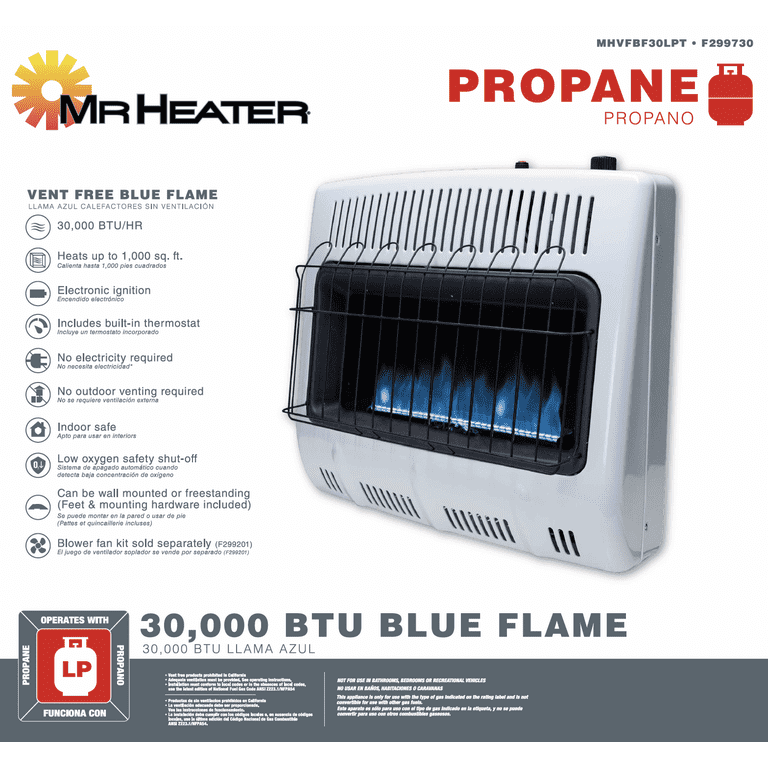
Blue flame heaters burn gas to create heat. The flame inside the heater is blue, showing complete combustion. This process produces heat and releases carbon dioxide and water vapor. The heat spreads through a metal surface. Fans or natural air movement then push warm air into the room. This design makes heating efficient and quick.
Common Uses In Homes
Many homes use blue flame heaters in living rooms and basements. They are also popular in workshops and garages. These heaters warm large spaces well and keep air fresh. Some models are designed for indoor use, including bedrooms, but must be vented properly. Proper ventilation reduces risks and keeps the air safe to breathe.
Safety Concerns In Bedrooms
Using blue flame heaters in bedrooms raises important safety concerns. These heaters produce heat by burning gas. This process can create risks if the heater is not used properly. Understanding these risks can help keep you and your family safe.
Carbon Monoxide Risks
Blue flame heaters burn fuel that can produce carbon monoxide gas. This gas is colorless and odorless. It can build up in a room and cause serious health problems. Symptoms of carbon monoxide poisoning include headache, dizziness, and nausea. Proper detectors and careful use reduce these risks.
Fire Hazards
Blue flame heaters use an open flame or hot surface. This creates a risk of fire if flammable materials are nearby. Curtains, bedding, and paper should be kept away. Always place the heater on a stable, non-flammable surface. Never leave the heater unattended while it is on.
Ventilation Importance
Good ventilation is crucial when using blue flame heaters in bedrooms. Ventilation helps remove harmful gases and bring in fresh air. Keep a window slightly open or use a vent fan. Proper air flow prevents gas build-up and keeps the air safe to breathe.
Proper Installation Tips
Proper installation is key to using blue flame heaters safely in bedrooms. A well-installed heater works efficiently and reduces risks. Follow these tips to ensure your heater is set up correctly.
Choosing The Right Location
Pick a spot away from curtains and furniture. Keep the heater at least three feet from anything flammable. Place it where air can flow freely around the unit. Avoid corners or tight spaces that trap heat. Make sure the heater is on a flat, stable surface. This helps prevent accidents and allows proper heat spread.
Professional Vs Diy Setup
Hiring a professional ensures correct installation and safety checks. They know local codes and venting needs. Professionals test the heater for leaks and proper flame color. DIY setup might save money but can risk errors. Incorrect installation leads to carbon monoxide build-up or fire hazards. Always read the manual carefully if you choose to install it yourself. Safety should be your top priority.

Maintenance For Safety
Maintenance plays a key role in keeping blue flame heaters safe in bedrooms. Proper care prevents risks and ensures efficient heating. Simple steps can make a big difference in safety and performance.
Regular Cleaning
Clean the heater often to remove dust and dirt. Dust buildup can block vents and reduce airflow. This causes overheating and safety hazards. Use a soft brush or cloth to wipe the surface. Avoid water or harsh chemicals. Keep the area around the heater free from clutter. This stops items from catching fire accidentally.
Inspection And Servicing
Check the heater regularly for signs of damage or wear. Look for cracks, rust, or loose parts. Test the pilot light and flame color. A blue flame means proper combustion. A yellow or orange flame signals a problem. Hire a professional technician at least once a year. They can clean internal parts and check gas connections. Regular service helps spot issues before they become dangerous. It also extends the heater’s lifespan.
Using Blue Flame Heaters Safely
Using blue flame heaters safely in bedrooms requires careful attention. These heaters produce heat by burning gas, so safety is key. Proper use helps prevent accidents and keeps air quality good.
Follow clear safety steps to enjoy warmth without worry. Understanding how to handle these heaters limits risks and protects your home.
Monitoring While In Use
Always watch the heater when it is running. Never leave it alone for long periods. Check the flame regularly; it should be steady and blue. A yellow or flickering flame may signal a problem.
Keep a carbon monoxide detector in the room. It alerts you to dangerous gas buildup. This simple step saves lives.
Avoiding Obstructions
Keep the heater area clear of objects. Do not place clothes, curtains, or furniture near it. Obstructions block airflow and may cause overheating or fire. Maintain at least three feet of space around the heater.
Good ventilation is important. Open a window slightly to let fresh air in. This prevents gas buildup and keeps air fresh.
Safe Operation Practices
Use the heater according to the manual. Turn it off before sleeping or leaving the room. Check the heater for leaks or damage before each use.
Do not use the heater in damp or wet places. Gas appliances and moisture do not mix well. Regular maintenance by a professional keeps the heater working safely and efficiently.
Alternatives For Bedroom Heating
Choosing the right heater for a bedroom is important for safety and comfort. Blue flame heaters may not always be the best choice. Many safer options provide warmth without risks. Here are some popular alternatives that work well in bedrooms.
Electric Heaters
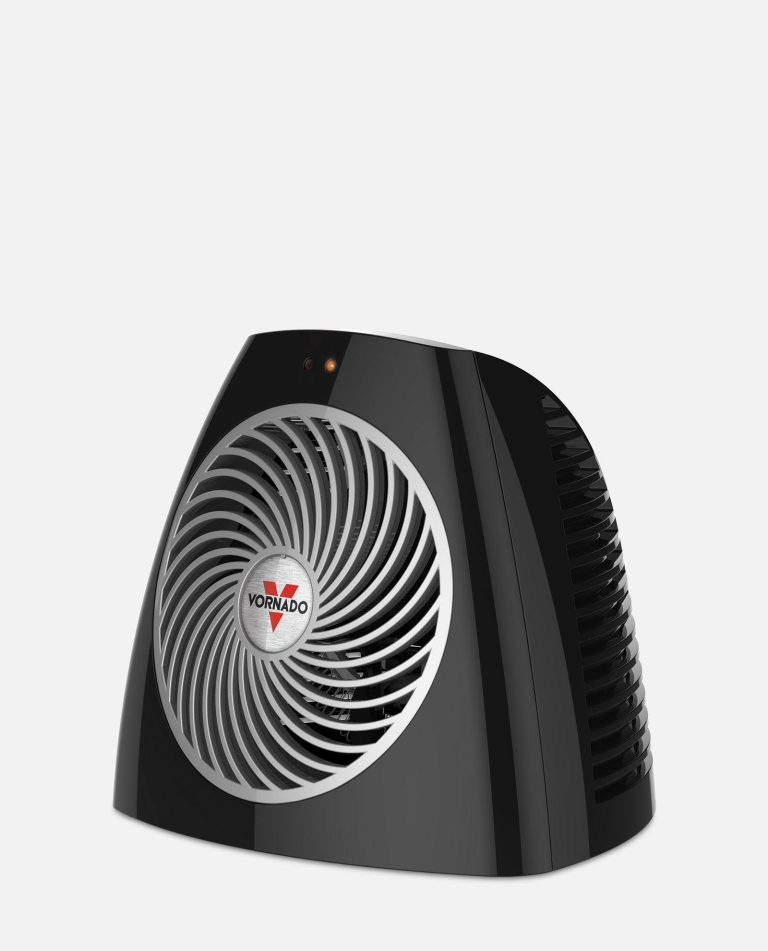
Electric heaters are a common choice for bedrooms. They do not use gas or flames, which reduces fire risks. Many models come with safety features like automatic shut-off. They heat up quickly and are easy to move around. Quiet operation makes them perfect for a good night’s sleep.
Infrared Heaters
Infrared heaters warm objects and people directly. They do not heat the air, which saves energy. These heaters are safe and produce no harmful gases. Infrared heat feels natural and comfortable. They work quietly and provide steady warmth.
Central Heating Options
Central heating keeps the whole house warm through ducts or radiators. It is safe because it is fixed and maintained regularly. Central heating systems do not produce open flames in bedrooms. They provide even heat without noise or fumes. A well-maintained system improves indoor air quality and comfort.
Emergency Preparedness
Emergency preparedness is key when using blue flame heaters in bedrooms. These heaters can pose risks if safety steps are not followed. Preparing your space helps protect your family and home.
Being ready means having the right tools and knowledge. This reduces dangers like carbon monoxide poisoning and fire hazards. Simple safety devices and clear plans save lives.
Carbon Monoxide Detectors
Carbon monoxide is a silent, deadly gas from heaters. It has no smell or color. A carbon monoxide detector warns you before levels become dangerous.
Place detectors near the bedroom and heater. Test them monthly to ensure they work well. Replace batteries regularly. These devices give early alerts to keep you safe.
Fire Safety Measures
Blue flame heaters use an open flame, increasing fire risk. Keep flammable items at least three feet away. Avoid covering the heater or blocking airflow.
Have a fire extinguisher nearby and know how to use it. Create and practice a fire escape plan with your family. Quick action can prevent injury and damage.

Frequently Asked Questions
Are Blue Flame Heaters Safe For Bedroom Use?
Yes, blue flame heaters are generally safe in bedrooms if properly ventilated. They burn gas efficiently but require fresh air to avoid carbon monoxide buildup.
Do Blue Flame Heaters Produce Harmful Gases Indoors?
They produce minimal carbon monoxide when used correctly. However, without ventilation, harmful gases can accumulate, making ventilation essential for safety.
How To Ensure Blue Flame Heater Safety At Night?
Keep a window slightly open for ventilation. Use a carbon monoxide detector and never leave the heater unattended while sleeping.
Can Blue Flame Heaters Cause Oxygen Depletion In Bedrooms?
Yes, they consume oxygen during combustion. Proper ventilation is necessary to maintain safe oxygen levels and prevent suffocation risks.
Conclusion
Blue flame heaters can be safe in bedrooms with proper care. Always ensure good ventilation to avoid harmful gas buildup. Regular maintenance keeps the heater working well and safely. Never leave the heater unattended while it runs. Using a carbon monoxide detector adds an extra layer of safety.
Choose models with safety features like automatic shut-off. Following these steps helps keep your bedroom warm and secure. Safety should always come first when using any heater.