Sauna Carbon Vs Ceramic Heaters: Ultimate Comparison for Efficiency
When it comes to choosing the perfect heater for your sauna, you might feel overwhelmed by the options. Should you go for a carbon heater or a ceramic one?
Each has its own unique benefits and drawbacks that can make a big difference in your sauna experience. If you want to get the most out of your time relaxing and recharging, understanding these differences is key. Keep reading, and you’ll discover which heater suits your needs best—so you can enjoy every moment in your sauna to the fullest.
Sauna Heater Types
Saunas need heaters to warm the room and create steam. Choosing the right heater affects your sauna experience. Two popular types are carbon and ceramic heaters. Each has unique features and benefits. Understanding these helps pick the best heater for your sauna.
Carbon Heaters Basics
Carbon heaters use thin carbon panels to produce heat. They spread heat evenly across the sauna. These heaters warm up quickly and use less electricity. The heat feels gentle and soft on the skin. Carbon heaters last long and need little maintenance. They are quiet and safe for small spaces. This type is good for people who want steady warmth.
Ceramic Heaters Basics
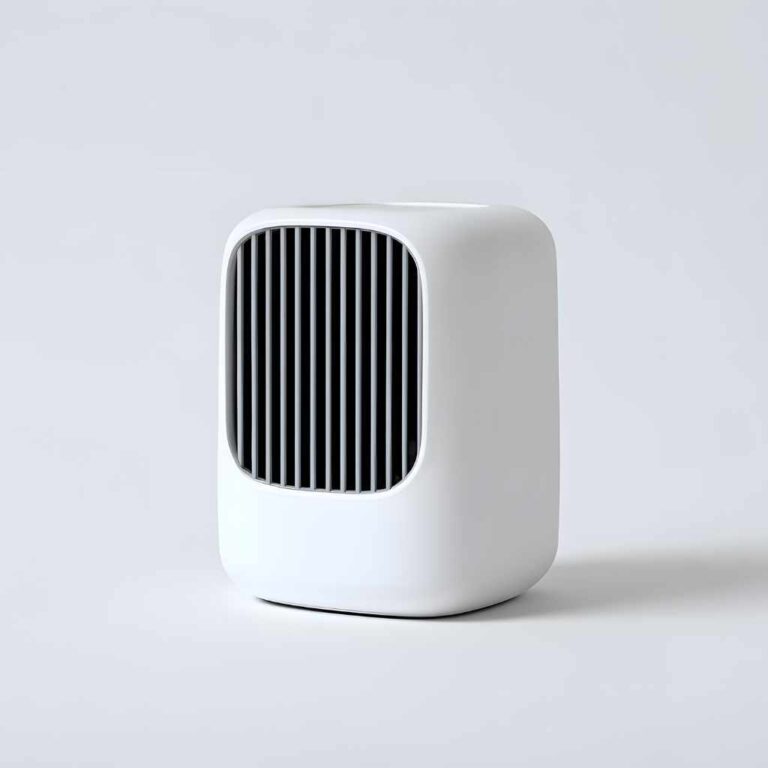
Ceramic heaters use ceramic stones or plates to create heat. They heat up fast and give off strong warmth. The heat can feel more intense and dry. Ceramic heaters keep heat longer after turning off. They work well in bigger saunas or cold climates. These heaters are robust and easy to install. People who like hot, dry heat often prefer ceramic heaters.
Heating Efficiency
Heating efficiency is a key factor when choosing between sauna carbon and ceramic heaters. It defines how well a heater converts electricity into heat. Efficient heaters warm the sauna quickly and keep the temperature stable. This improves comfort and reduces energy costs.
Different heater types use different technologies. These affect how fast and how evenly the heat spreads inside the sauna. Understanding these differences helps you pick the right heater for your needs.
Heat Output Comparison
Carbon heaters produce infrared heat that penetrates deeply into the body. This creates a gentle and even warmth. They heat the sauna room more slowly but keep the heat steady for a longer time.
Ceramic heaters heat up faster and release more intense heat. The heat spreads quickly across the sauna space. This makes the room feel hot very fast but may cause uneven heat spots.
Energy Consumption
Carbon heaters use less electricity during operation. Their slow and steady heat reduces power spikes. This can lower your energy bills over time.
Ceramic heaters tend to use more energy to reach high temperatures quickly. They cycle on and off more often, which may increase power use. This is important if you want to save on electricity costs.
Heat Distribution
Heat distribution plays a key role in the sauna experience. It affects how warm and comfortable the sauna feels. Different heaters spread heat in different ways. This section compares carbon and ceramic heaters on this important factor.
Evenness Of Heat
Carbon heaters spread heat evenly across the sauna room. They emit a gentle warmth that covers a large area. This creates a smooth, consistent temperature. Ceramic heaters focus heat in specific spots. They create hot zones near the heater. This can cause uneven warmth in the sauna. Carbon heaters often feel more natural and relaxing.
Warm-up Time
Ceramic heaters warm up quickly. They reach high temperatures fast. This means the sauna heats up in less time. Carbon heaters take longer to warm the room. They heat slowly but keep the heat longer. The warm-up speed depends on your sauna size and heater power. Choose ceramic for fast heat, carbon for steady warmth.
Durability And Lifespan
Durability and lifespan are key factors when choosing a sauna heater. A heater must last long and resist wear from heat and moisture. Carbon and ceramic heaters differ in these aspects. Understanding their durability helps you pick the right one for your sauna.
Material Strength
Carbon heaters use thin carbon panels. These panels heat quickly but are more fragile. They can crack or break if handled roughly. Ceramic heaters have solid ceramic elements. Ceramics resist heat and are less likely to break. Ceramic materials usually last longer under constant use. Carbon panels may need replacing sooner than ceramics.
Maintenance Needs
Carbon heaters need gentle care. Avoid hitting or dropping them to prevent damage. Dust can reduce their efficiency, so clean carefully. Ceramic heaters handle dust and heat better. They require less frequent cleaning. Both heaters benefit from regular checks to ensure safe use. Proper maintenance extends the life of any heater.
User Experience
User experience plays a big role in choosing between carbon and ceramic sauna heaters. How the heat feels and the health effects matter most to sauna users. Each type offers a different experience. Understanding these differences helps pick the right heater for comfort and wellness.
Comfort And Feel
Carbon heaters create a gentle, even heat. The warmth spreads softly across the skin. It feels smooth and less harsh. This type heats the air slowly, giving a calm sauna environment.
Ceramic heaters heat quickly and intensely. The heat feels direct and strong. It warms the body faster but can seem sharper. Some users find this heat more energizing but less relaxing.
Health Benefits
Carbon heaters support deep sweating with mild heat. This helps cleanse the skin and improve blood flow. The steady warmth may reduce muscle tension gently.
Ceramic heaters produce higher temperatures that boost sweating fast. This can aid in detoxification and muscle recovery. The stronger heat might improve circulation more quickly.
Cost And Value
Choosing between sauna carbon and ceramic heaters often depends on cost and value. Both types have different prices and expenses over time. Understanding these factors helps you make a smart choice for your sauna.
Initial Price
Carbon heaters usually cost more upfront. They use advanced materials that can raise the price. Ceramic heaters are often cheaper at the start. Many buyers choose ceramic models for budget reasons. This lower initial cost can fit small or tight budgets well.
Long-term Expenses
Carbon heaters use less electricity. This saves money on energy bills over time. They also last longer, so replacement costs are lower. Ceramic heaters use more power and may wear out faster. This can mean higher costs later. Think about both energy use and durability for long-term value.
Installation And Compatibility
Choosing the right heater for your sauna involves understanding installation and compatibility. These factors affect how easily the heater fits your space and works with your sauna type. Both carbon and ceramic heaters have unique needs.
Setup Requirements
Carbon heaters need a simple setup. They usually require less wiring and fewer parts. This makes them easier to install in most homes. They heat up quickly, so they need proper spacing to avoid overheating.
Ceramic heaters need careful installation. They often require more wiring and a stronger power source. This is because they use higher temperatures. Proper ventilation is important to keep them safe.
Sauna Types Supported
Carbon heaters fit well in infrared saunas. These saunas use lower heat levels and focus on gentle warmth. Carbon panels spread heat evenly, making the experience comfortable.
Ceramic heaters work best in traditional and steam saunas. They produce higher heat and steam quickly. This makes them ideal for users who like strong, hot saunas. They are less common in infrared models.
Safety Considerations
Safety is a top priority when choosing a sauna heater. Both carbon and ceramic heaters have features that affect their safety. Understanding these can help you pick the best option for your sauna. This section covers key safety points for each heater type.
Overheating Risks
Overheating can cause damage or fire hazards. Carbon heaters heat up slowly and cool down evenly. This reduces the chance of sudden overheating. Ceramic heaters heat up quickly and reach higher temperatures fast. This can increase overheating risks if not controlled well. Many ceramic heaters have built-in safety sensors to prevent overheating. Always check for these features before buying.
Material Safety
Carbon heaters use carbon fiber, which is strong and heat-resistant. This material does not release harmful fumes during use. Ceramic heaters are made from clay and other natural materials. They are also safe and do not emit toxic gases. Both heater types are safe when used properly. Make sure the sauna room has good ventilation for extra safety.
Choosing The Right Heater
Choosing the right heater for your sauna is important. It affects comfort, heat quality, and energy use. The two common types are carbon and ceramic heaters. Each has unique features. Understanding these helps you make the best choice.
Consider your needs carefully. Think about how you use the sauna and what feels best to you. This guide explains key points to help you decide.
Personal Preferences
Carbon heaters produce soft, even heat. Many find this gentle and relaxing. They also use less electricity. Ceramic heaters heat faster and can reach higher temperatures. Some users prefer this intense warmth. Think about the heat feeling you enjoy most.
Some people like a quiet heater. Carbon heaters usually run quietly. Ceramic heaters may create a bit more noise. Your comfort with sound may affect your choice.
Sauna Size And Usage
Smaller saunas often work well with carbon heaters. They keep the space warm evenly. Larger saunas may need ceramic heaters. These can heat bigger areas more quickly. How often you use the sauna matters too. For daily use, energy efficiency is key. Carbon heaters are often better for long sessions.
Think about your sauna size and how you use it. This helps pick a heater that fits your space and habits.

Frequently Asked Questions
What Are The Main Differences Between Carbon And Ceramic Heaters?
Carbon heaters use carbon fibers to emit infrared heat, offering quick and even warmth. Ceramic heaters use ceramic plates to produce heat, providing steady and longer-lasting warmth. Carbon heaters are often more energy-efficient, while ceramic heaters excel in durability and consistent heat output.
Which Heater Is Better For Sauna Health Benefits?
Both heaters provide effective infrared heat that promotes detoxification and relaxation. Carbon heaters offer quicker heat-up times, while ceramic heaters provide deeper, penetrating warmth. The choice depends on personal preference for heat intensity and sauna experience.
Are Carbon Heaters More Energy Efficient Than Ceramic Ones?
Yes, carbon heaters generally consume less energy due to faster heating and efficient infrared emission. They quickly reach desired temperatures, reducing overall power use. Ceramic heaters may use more energy but offer prolonged, steady heat.
How Long Do Carbon And Ceramic Heaters Last In Saunas?
Ceramic heaters typically last longer, often up to 10 years with proper care. Carbon heaters have a shorter lifespan, around 5-7 years, due to their delicate carbon fibers. Maintenance and usage frequency affect durability for both types.
Conclusion
Choosing between sauna carbon and ceramic heaters depends on your needs. Carbon heaters heat up quickly and use less energy. Ceramic heaters provide strong, even heat for longer sessions. Both types offer good durability and comfort. Think about your budget and sauna size before deciding.
Each heater has its own benefits to suit different preferences. Enjoy your sauna experience with the right heater choice. Simple, effective warmth is what matters most.