Are Ceramic Heaters Cool To Touch? Amazing Safety
The short answer is: No, ceramic heaters are not always cool to touch, but the exterior surfaces are significantly cooler than traditional heaters, focusing heat where you need it safely. Their design minimizes burn risks compared to older coil heaters, prioritizing safety for busy homes.
Choosing a heater for your home can feel overwhelming, especially when safety is your top concern. You want warmth, but maybe you worry about curious little hands or pets getting too close to a scorching surface. Many homeowners wonder, “Are ceramic heaters cool to touch?” It’s a very important question!
The good news is that modern ceramic heaters are engineered with safety in mind. We are going to break down exactly how they work, what parts get hot, and what “cool to the touch” really means in the world of electric heating. Get ready to feel confident about bringing cozy, safe heat into your favorite room!
Understanding Ceramic Heaters: The Technology Behind Safe Warmth
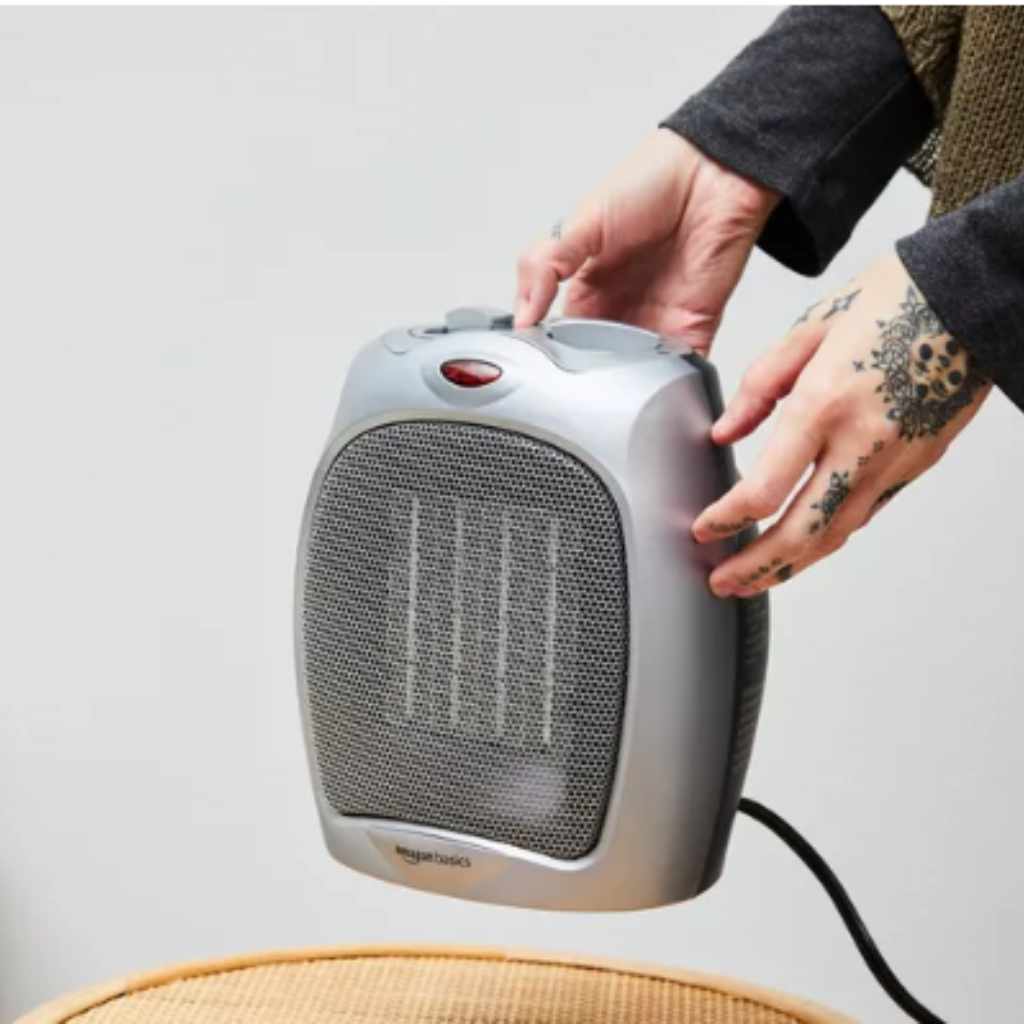
To see if a ceramic heater is safe to touch, we must first understand what makes it different from that old metal space heater sitting in the garage. Ceramic heaters are popular for a reason: they offer instant, efficient heat without a glowing open flame or red-hot coils.
These units use a specialized component called Positive Temperature Coefficient (PTC) materials—often a ceramic semiconductor—to generate heat. This is the secret sauce for their safety!
How Ceramic Heaters Create a Safer Surface Temperature
Traditional heaters often rely on open metal coils. When electricity runs through them, they get extremely hot—hot enough to instantly scorch skin or ignite materials nearby. Ceramic heaters work differently:
- The Core Element: Electricity passes through the ceramic plates. The resistance in the ceramic creates heat.
- Self-Regulation: As the ceramic element heats up, its electrical resistance naturally increases. This rise in resistance automatically slows down the current flow, preventing the heater from getting dangerously hot. This feature is crucial for preventing overheating.
- The Outer Casing: Finally, the hot ceramic core is encased in a protective housing, usually made of durable, high-temperature plastic or metal that is vented strategically.
This design means the heater prioritizes directing heat forward into the room rather than radiating extreme surface heat outward.
Addressing the Main Question: Are Ceramic Heaters Cool To Touch?
This requires a precise answer. If by “cool to the touch,” you mean “not capable of burning you instantly,” the answer is encouraging. If you mean “cold like room temperature,” the answer is definitely no.
The Center vs. The Exterior
Think of a ceramic heater like an oven. The inside is searing hot, but the door handle stays relatively cool. The same principle applies here:
- The Interior Elements: The actual ceramic elements inside are very hot—this is how the heater functions.
- The Exterior Grille/Vents: The grills where the warm air blows out will be warm, sometimes quite hot, as this is the intended output zone.
- The Outer Casing (The Shell): This is the crucial part for safety. In high-quality, modern ceramic heaters, the exterior plastic or metal casing is designed to remain significantly cooler than the internal components. It is often described as “warm” or “pleasantly warm” rather than “hot to the touch.”
For most modern models, this exterior shell often operates at a temperature range that significantly reduces the immediate risk of a serious, deep-tissue burn compared to older coil units. However, prolonged contact with any warm part can still cause discomfort or low-level burns, especially for vulnerable individuals.
Safety Features That Keep the Outside Cooler
Manufacturers build in specific features to ensure the casing stays safe. These aren’t optional luxuries; they are standard safety requirements:
| Safety Feature | How It Improves Touch Safety |
|---|---|
| PTC Self-Regulation | Prevents the internal heat source from exceeding safe operating parameters. |
| Double-Walled Housing | Creates an insulating air gap between the hot interior and the user-facing exterior. |
| Built-in Tip-Over Switch | Immediately cuts power if the unit falls, preventing excessive surface heat build-up on a floor or rug. |
| Overheat Protection Sensor | Shuts the unit down completely if internal temperatures exceed a safe threshold due to blocked vents. |
These features work together to create a device that focuses on directional heating while keeping the touch points manageable.

Why Ceramic Heaters Are Often Recommended for Families
When homeowners prioritize safety, ceramic heaters often rise to the top of recommendations, mainly because they address the concerns associated with radiant or direct coil heaters. This makes them a fantastic choice for renters or homeowners needing supplemental heat.
Comparing Ceramic to Traditional Heaters (Safety Focus)
Let’s look at how our safe ceramic option stacks up against two common alternatives.
| Heater Type | Typical Surface Temperature Risk | Best For… |
|---|---|---|
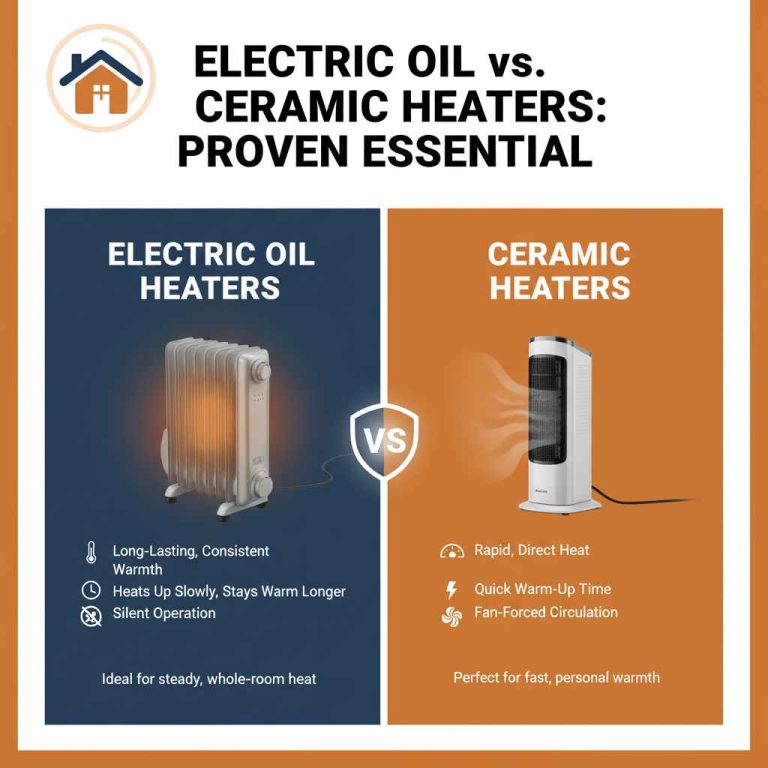
| Ceramic Fan Heater | Exterior casing is warm; internal vents hot. Lower immediate burn risk. | Rooms needing fast, directional heat with high foot/pet traffic. |
| Oil-Filled Radiant Heater | Surface often gets evenly hot across the entire body of the unit. Moderate to high risk. | Set-it-and-forget-it ambient heat in larger, less trafficked areas. |
| Quartz/Infrared Heater (Open Element) | Extremely hot glowing tubes capable of causing instant severe burns or igniting materials. Very high risk. | Targeted use where no one can accidentally touch the light source. |
As you can see, the design of the ceramic fan heater offers a significant safety buffer for the primary touch surfaces. You still need to respect the machine, but the margin for error is larger.
Tips for Maximizing Ceramic Heater Safety in Your Home
While ceramic heaters are inherently safer regarding external surface temperatures, proper placement and usage are key to maintaining a cozy, accident-free environment. Always treat any electric heater with respect!
Essential Placement and Distance Rules
Use this simple checklist every time you plug in your ceramic unit:
- Clear the 3-foot Zone: Ensure there are at least three feet (about one meter) of clear space around the front of the heater. This is vital, even if the sides feel cool, because the forced air vents are the hottest area.
- No Flammable Hazards: Never place the heater near curtains, bedding, paper stacks, furniture, or clothing. Even residual heat over time can pose a risk to stored items.
- Use Stable Ground: Always place the heater on a hard, level, non-flammable surface (like a tile floor or solid wood). Never place it directly on carpet or thick rugs unless the manufacturer specifically states it is rated to do so AND includes a protective baseplate.
- Avoid High-Traffic Paths: Keep the unit out of walkways where it could be bumped or where children chase toys.
- Check the Cord: Ensure the power cord is positioned where people won’t trip over it and where it won’t get routed underneath rugs or heavy furniture, which can cause overheating.
The Role of the Internal Thermostat
One fantastic safety feature directly related to temperature control is the built-in thermostat. This isn’t just about comfort; it’s about preventing the unit from running at maximum capacity unnecessarily.
Once the room reaches the temperature you set on the dial, the internal PTC element temporarily lowers its own heating output, meaning the entire unit cools down slightly until the sensor detects the room dropping a few degrees. This cycling action prevents sustained, maximum surface heat, further improving the exterior touch safety.
Understanding “Warm” vs. “Hot”: Consumer Expectations
When marketing says a device is “safe to touch,” what exactly does that imply for a heating appliance? It’s important to manage your expectations so you know what level of warmth is normal.
What You Should Feel on the Casing
If your ceramic heater is functioning correctly, you should experience the following temperatures on the main body panels (not the vents):
- Low Setting: Warm, like a freshly used laptop. You can hold your hand there comfortably for several seconds without pain.
- High Setting: Definitely warm, perhaps bordering on slightly uncomfortable if held for a minute straight, but generally not hot enough to cause instant blister formation just by brushing against it.
When to Worry (Signs of Danger)
A ceramic heater that is malfunctioning might present a higher-than-normal burn risk. If you notice any of the following, unplug the unit immediately and contact the manufacturer or stop using it:
- The entire plastic housing feels scorching hot to the touch, not just warm.
- You smell burning plastic or a strong electrical odor.
- The unit is continuously running at maximum heat even in a warm room, ignoring the thermostat setting.
- Smoke or visible sparks are emitted from the unit or vents.
If everything feels warm but manageable, your ceramic heater is likely working as designed—efficiently heating the air while keeping its shell relatively cool.
Maintenance for Continued Touch Safety
Even the safest heater needs a little upkeep to ensure its safety features remain effective. Dust accumulation is the biggest enemy of safe, cool casings because it traps heat.
Simple Cleaning Steps for Thermal Efficiency
Perform this simple maintenance check once a month during the heating season:
- Unplug Completely: This is non-negotiable. Ensure the unit is off and unplugged from the wall socket.
- Locate the Vents and Grille: Use a flashlight to look for dust buildup blocking the air intake (usually the back or bottom) and the output grille (usually the front).
- Vacuum Gently: Use a vacuum cleaner with a soft brush attachment to carefully vacuum away any visible dust and lint from the exterior grills. Do not jam the vacuum nozzle deep inside the vents.
- Wipe the Case: Use a dry, soft cloth to wipe down the main body casing. Do not use water or liquid cleaners on the body of an electric heater!
- Check Position: Confirm the unit is still sitting firmly on the floor and hasn’t been slightly tilted or moved too close to a wall during cleaning.
Keeping the vents clear ensures the internal heat is properly exchanged with the room air. When the heat vents correctly, the exterior casing naturally stays cooler.
Energy Efficiency and How It Relates to Heater Design
A happy side effect of the ceramic heater’s design—which focuses air movement rather than radiant surface heat—is high energy efficiency. When a heating element operates efficiently, it manages its energy use well, which also contributes to safer thermal management.
For those looking to keep utility bills low while staying warm, ceramic heaters are excellent. They often utilize advanced controls and rapid heating capabilities, meaning they cycle on and off when needed rather than running constantly, which again limits prolonged surface heating periods.
Frequently Asked Questions (FAQ) About Ceramic Heater Safety
Q1: Can I put a towel over my ceramic heater to dry it out so it’s not cold?
A: Never cover any part of a ceramic heater, including the sides or back. Although metal heating elements get hot enough to ignite fabric instantly, even a ceramic heater’s vents will clog, causing dangerously high internal temperatures and potentially melting the plastic casing. Always use a dedicated drying rack.
Q2: If my toddler touches the front grate of the ceramic heater, will they get burned right away?
A: A modern unit is designed so that the outflow vents or immediate face area will be warm, but less likely to cause an instant, severe burn compared to an exposed coil. However, repeated or prolonged contact can still cause redness and pain. Always supervise children around any operational heater.
Q3: Do I need to turn off safety features like tip-over protection?
A: No. Safety features like tip-over switches (which instantly cut power if the unit falls) and overheat sensors are mandatory and essential. Do not attempt to bypass or disable them, as this moves the heater from “relatively safe” to potentially dangerous immediately.
Q4: My ceramic heater smells like burning plastic when I turn it on for the first time this season. Is that normal?
A: A very faint, temporary smell of dust burning off is common during the very first use after long storage. If the smell is strong, acrid, or persists after 15 minutes of running, unplug it immediately. This indicates internal contamination or melting, which compromises the casing’s integrity.
Q5: Are ceramic heaters safe to run overnight while I sleep?
A: Yes, ceramic heaters are generally considered one of the safest types of portable electric heaters for overnight use, provided you follow the clearance rules (three feet of space) and they are placed on solid ground. The built-in thermostat feature ensures they cycle down rather than overheating.
Q6: Can I use a ceramic heater in a bathroom if it has a good safety rating?
A: Only if the specific model is explicitly rated for bathroom use by the manufacturer and bears the proper IP (Ingress Protection) rating for humidity and splashes. Standard space heaters are not safe near running water or high steam environments.
Conclusion: Confidence in Your Cozy Corner
You’ve taken a great step toward making your home warmer and safer just by asking the question: “Are ceramic heaters cool to touch?” The takeaway is clear: modern ceramic heaters are engineered for significantly reduced risk on their outer surfaces due to smart technology like PTC elements and robust casing designs.
While no heating appliance should ever be touched carelessly—because warmth is still being generated—you can confidently rely on a quality ceramic heater to provide cozy spot heating without the intense surface burn risks associated with older coil models. Remember the key rules: give it space, keep it ventilated, and trust the built-in safety sensors. By following these simple guidelines, you can enjoy affordable, efficient, and safe warmth all season long, letting you relax knowing your heating solution is protecting what matters most.