

Are you considering a diesel heater for your home, RV, or workshop? Perhaps you’ve heard about their efficiency and cost-effectiveness, but you’re concerned about safety.
You’re not alone. Many people wonder, “Are diesel heaters dangerous? ” It’s a crucial question, especially if you’re thinking about using one in a space where you or your loved ones will spend a lot of time. Safety is non-negotiable, and understanding the risks associated with diesel heaters is essential.
We’ll demystify the safety concerns surrounding diesel heaters, separating fact from fiction. By the end, you’ll have a clearer picture of whether a diesel heater is the right choice for you. Let’s dive into what really matters when it comes to diesel heaters and their impact on your safety and peace of mind.
Understanding Diesel Heaters
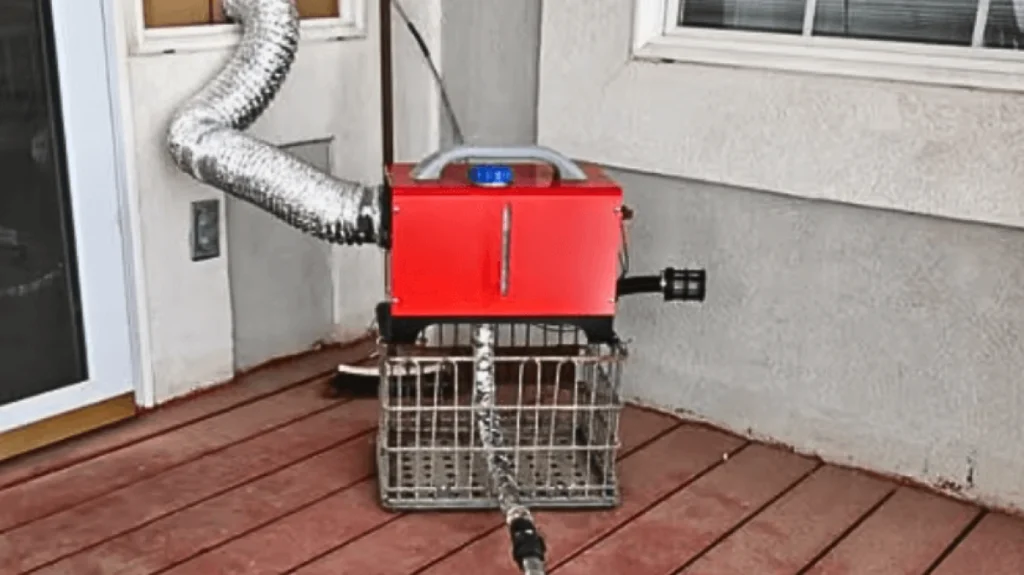
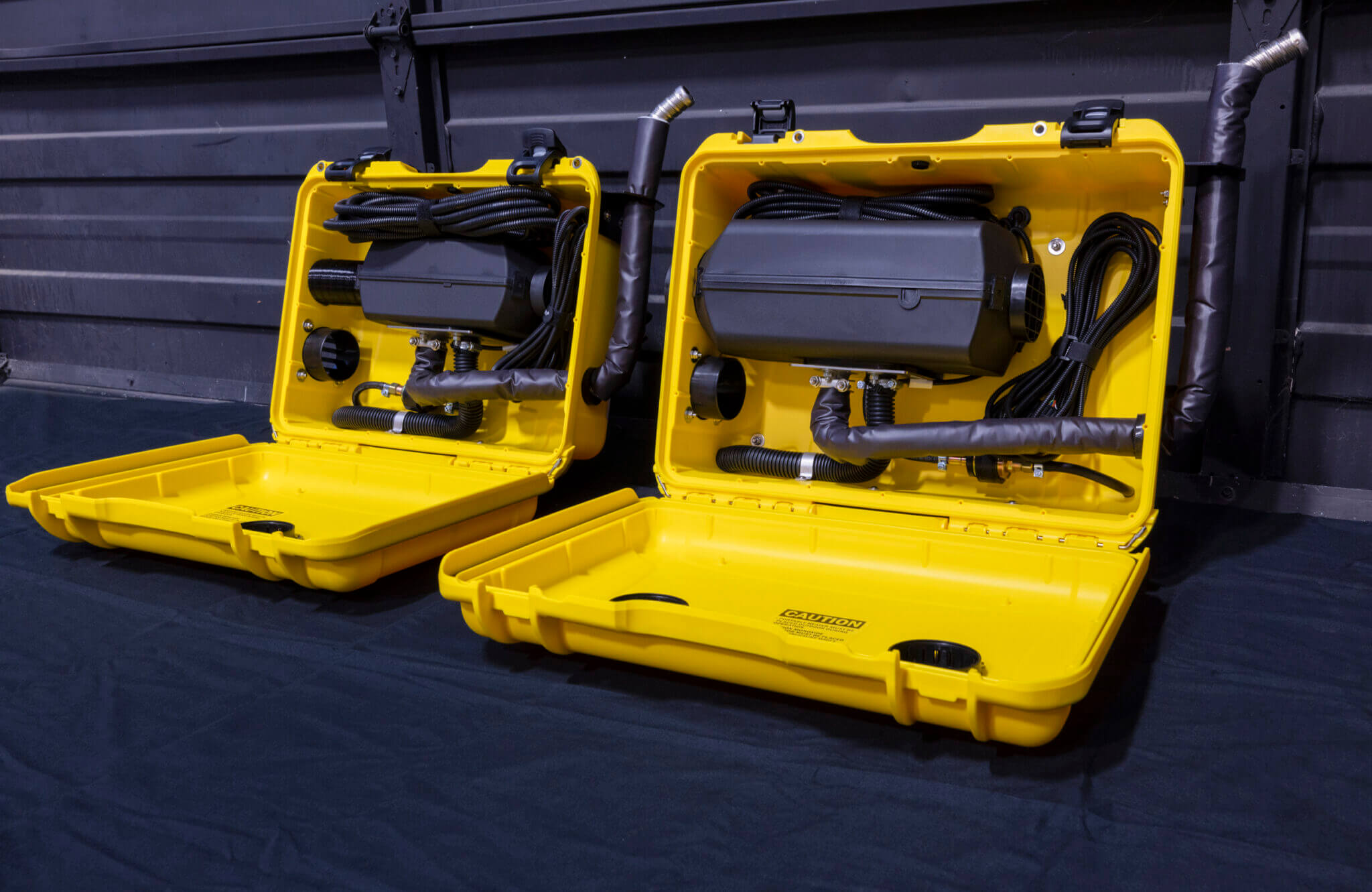
Diesel heaters keep places warm. There are two main types. The first type is portable diesel heaters. These can be moved easily. They are perfect for camping trips. The second type is fixed diesel heaters. These are installed in one spot. They are used in boats or vehicles. Both types need diesel fuel to work. The fuel is stored in a tank.
Diesel heaters use diesel fuel to make heat. The heater takes air in. It mixes the air with fuel. This creates a hot flame. The flame heats air. A fan blows the warm air out. This keeps the space warm. Diesel heaters are efficient. They use fuel wisely. This means they save fuel. Safety is important with diesel heaters. Always follow instructions. Keep them clean and checked.
Credit: www.vevor.com
Safety Concerns
Diesel heaters can cause fire hazardsRegular checksfor leaks are important. Ensure no fuel spills. A small leak can lead to a big fire. Use heaters with automatic shut-offfeatures. They stop heating if they get too hot.
Carbon monoxideis a silent danger. Diesel heaters produce this gas. It is odorless and can be deadly. Proper ventilation is crucial. Never use heaters in closed spaces. Always have a carbon monoxide detector nearby. This device alerts you to dangerous levels. Regularly check the heater’s exhaust system. Make sure it is clear and functioning well.
Proper installationis essential for safety. Follow the instructions carefully. Incorrect setup can cause accidents. Secure the heater firmly. Loose parts can lead to leaks. Use recommended tools for installation. Avoid shortcuts when setting up the heater. Seek professional help if unsure. Experts ensure heaters are safe and ready to use.
Health Implications
Diesel heaters can affect air quality. They emit tiny particles into the air. These particles can be harmful to breathe. Sensitive groups like kids and elderly may face more issues. Breathing these particles can cause coughing or sneezing. Clean air is crucial for good health. Ensure your heater has good ventilation. This keeps indoor air fresh and safe.
Being around diesel heaters for a long time can cause problems. Long-term exposure might lead to health issues. These include breathing difficulties and lung damage. It’s important to use heaters properly. Keep them in good condition. Always follow safety instructions. This reduces risks and keeps everyone safe.

Credit: warmda.com
Comparative Analysis
Diesel heaters can be cheaper to run. They use less fuel than electric heaters. Electric heaters can cost more in the long run. Gas heaters may be cheaper but need proper ventilation. This makes them tricky for small spaces. Diesel heaters are often safer. They are designed for enclosed areas. But they must be used right. Safety checks are a must. Keep them clean and well-maintained.
Cost efficiency is a big factor. Diesel heaters give more heat for less money. Electric heaters are pricey when used a lot. Safety is also key. Diesel heaters have fewer risks if used correctly. Make sure to follow all safety rules. Keep the heater in good shape. Always check for leaks or problems.
Safety Measures
Diesel heaters need care to stay safe. Clean the heater often to remove dust. Check for leaks in the fuel lines. Inspect wires for damage regularly. Make sure all parts are in good shape. This keeps the heater working well. Always have a professional check the heater yearly. It helps find problems early. This prevents accidents.
Use a fire extinguisher near the heater. It helps if something catches fire. Smoke detectors should be installed in the room. They warn you if there is smoke. Carbon monoxide detectors are important too. They alert you if gas leaks. These tools can keep your family safe. Always have them working. Change batteries often.
Credit: planarheaters.com
Expert Opinions
Diesel heaters follow strict industry standardsto ensure safety. Experts design them to prevent fires. Safety checks happen often. These checks help detect any flaws early. Manufacturers use materials that resist heat. This reduces the risk of damage. Diesel heaters must pass tests before selling. These tests prove their safety. Standards exist for installation too. Proper setup is crucial for safe use.
Modern diesel heaters use advanced technologyfor safety. New sensors detect overheating quickly. They shut off if temperatures rise too high. This prevents accidents. Improved designs make them more efficient. Less fuel is needed for heating. This reduces emissions. Smart controls allow easy adjustments. Users can set the heater as needed. These advancements make diesel heaters safer and more reliable.
Frequently Asked Questions
Are Diesel Heaters Safe For Indoor Use?
Diesel heaters are generally safe for indoor use if properly installed and maintained. They require adequate ventilation to prevent carbon monoxide buildup. Regular maintenance checks are essential to ensure efficient and safe operation. Always follow the manufacturer’s instructions and safety guidelines for optimal safety.
Can Diesel Heaters Cause Fires?
Diesel heaters can potentially cause fires if improperly installed or maintained. Ensure all components are securely connected and free from leaks. Regular inspections help identify issues early, preventing hazards. Proper installation by professionals and adherence to safety standards significantly reduce fire risks.
How Do Diesel Heaters Affect Air Quality?
Diesel heaters can impact air quality if not ventilated properly. They emit minimal fumes when functioning correctly, but improper use may lead to harmful emissions. Ensure good ventilation and regular maintenance to maintain air quality. Choosing high-quality heaters also minimizes risks.
Are Diesel Heaters Noisy?
Diesel heaters can be noisy, but many modern models are designed to operate quietly. Noise levels vary between brands and models. Checking product specifications and reviews can help you choose a quieter option. Proper installation also contributes to noise reduction.
Conclusion
Diesel heaters offer warmth in cold weather but require caution. Regular maintenance reduces risks. Follow safety guidelines closely. Proper installation is crucial. Ventilation prevents harmful fumes. Keep heaters clean and serviced. Use them in well-ventilated spaces. Never block exhaust vents.
Monitor carbon monoxide levels. Safety features matter. Choose heaters with automatic shut-off. Read user manuals carefully. Keep flammable items away. Educate yourself on safety practices. Diesel heaters are safe with responsible use. Always prioritize safety. Make informed choices for your comfort.
Stay warm and safe this winter.