Are Diesel Heaters Illegal? What the Law Says
Diesel heaters are not inherently illegal, but their installation and use can become restricted or illegal if they don’t meet safety and emissions standards, are installed improperly, or violate local regulations. Always check local laws and ensure your unit is approved for use.
Hello! I’m Tanim, your friendly guide to keeping your home warm and comfortable. Many of us have seen or heard about diesel heaters, especially in RVs, vans, or workshops. They’re known for being powerful and efficient. But a common question that pops up is: “Are diesel heaters illegal?” It can be confusing to navigate the rules, and we all want to make sure we’re heating our homes safely and legally. Don’t worry, I’m here to break it all down for you in a simple, easy-to-understand way. We’ll explore what makes a diesel heater okay to use and what situations might cause problems. Get ready to feel confident about your heating choices!
Understanding Diesel Heaters: What Are They?
Before we dive into the legality, let’s quickly understand what we’re talking about. Diesel heaters are devices that burn diesel fuel to produce heat. They are a popular choice for heating enclosed spaces like campervans, boats, garages, and even sometimes as supplementary heating in homes, especially in off-grid situations or for their fuel efficiency.
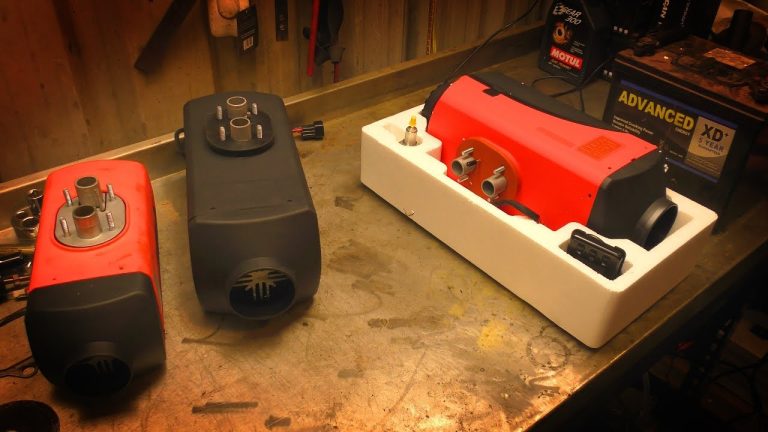
These heaters work by using a glow plug to ignite a small amount of diesel fuel injected into a combustion chamber. A fan then blows air across a heat exchanger, warming it up and distributing it into the space. Exhaust fumes are safely vented outside the vehicle or building.
The appeal of diesel heaters lies in their ability to run independently of a vehicle’s engine (if in a van or RV) and their fuel efficiency compared to propane heaters. They can provide a consistent and high level of heat, even in very cold conditions.
The Heart of the Matter: Are Diesel Heaters Illegal?
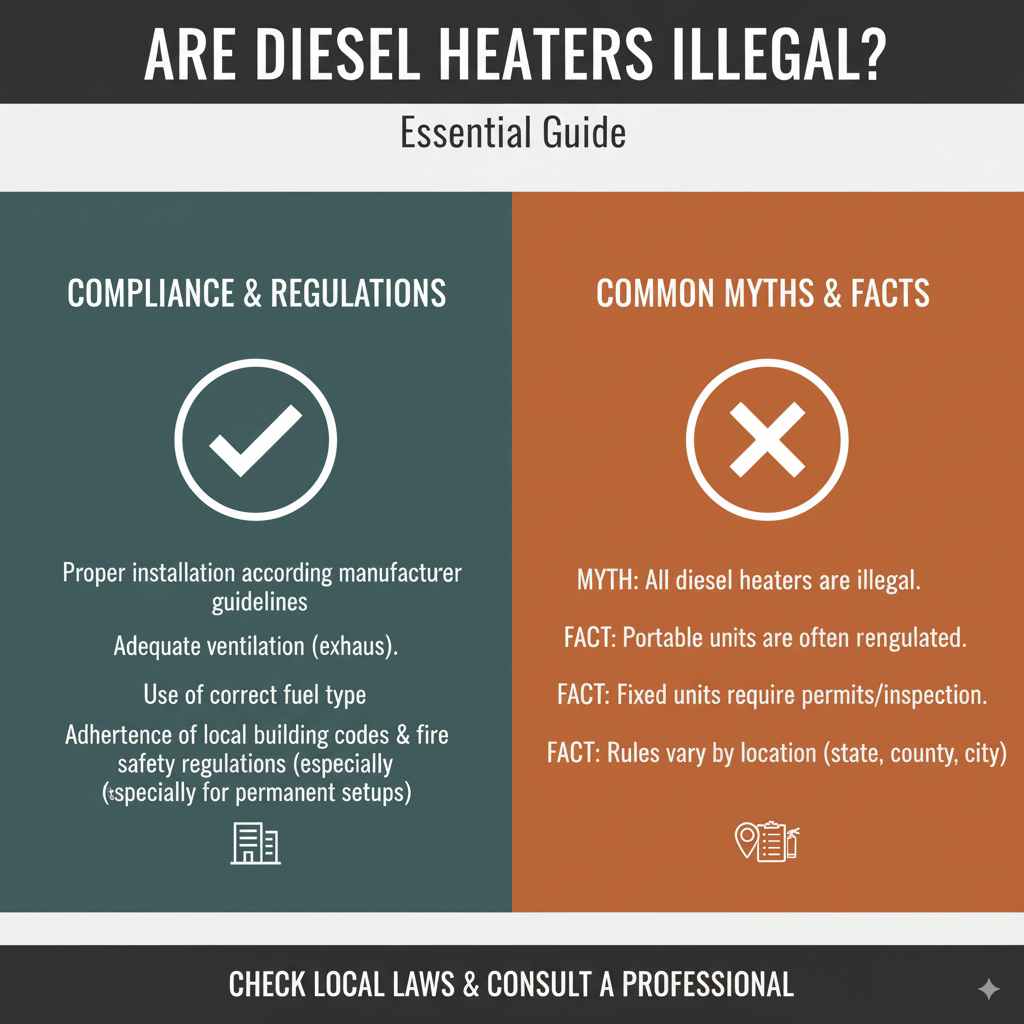
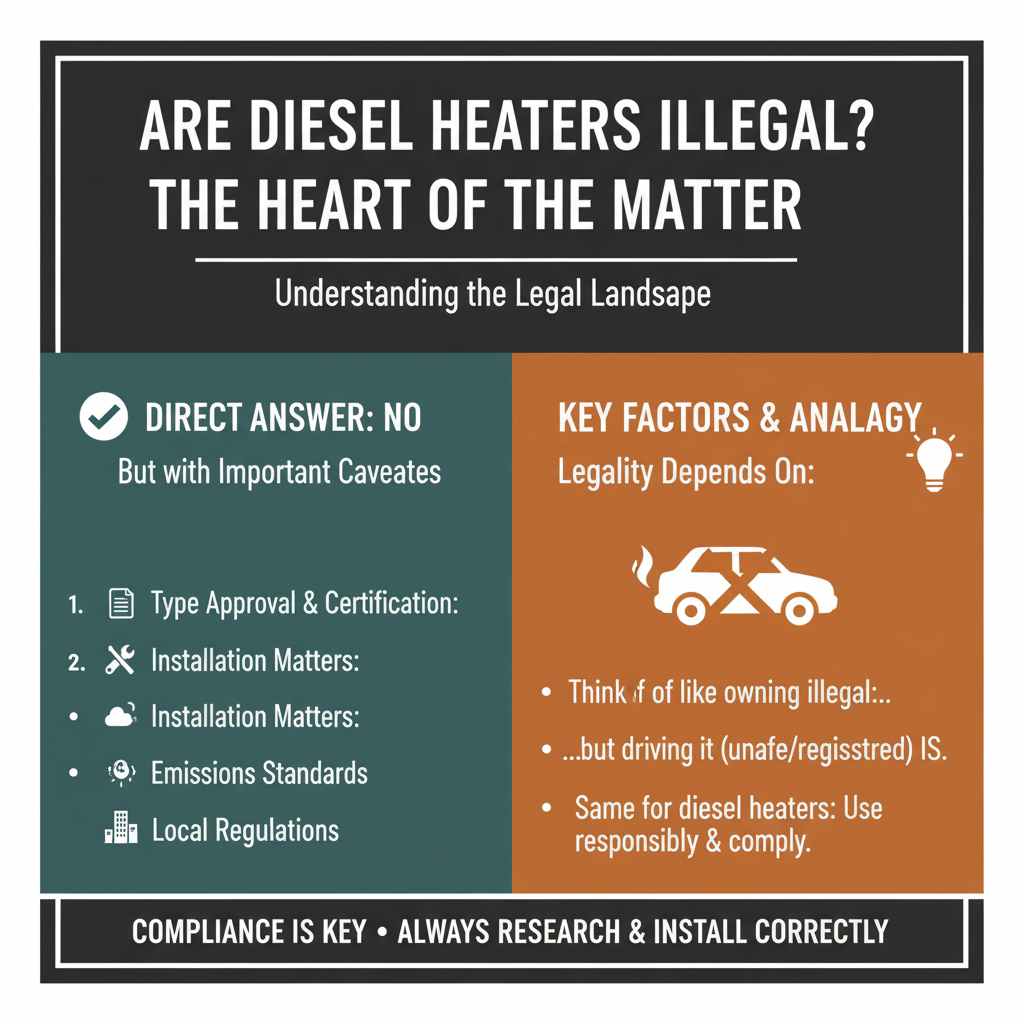
This is the big question, and the direct answer is: No, diesel heaters themselves are typically not illegal. However, this comes with very important caveats.
Legality often depends on several factors:
- Type Approval and Certification: Is the heater designed and certified for the specific application you intend to use it for? For example, a heater made for a workshop might not be suitable for the enclosed living space of an RV without specific modifications or certifications.
- Installation: Improper installation is a major cause for concern and can make a heater unsafe and therefore, potentially illegal to operate. This includes how exhaust is vented, fuel lines are run, and electrical connections are made.
- Emissions Standards: Especially in certain regions or for use in particular environments, emissions regulations can play a role.
- Local Regulations: Different countries, states, or even local municipalities might have specific rules regarding fuel-burning appliances, carbon monoxide detection, and ventilation requirements.
Think of it like owning a car. The car itself isn’t illegal, but driving it without insurance, with faulty brakes, or in a restricted zone would be. The same applies to diesel heaters.
When Can a Diesel Heater Become a Legal Issue?
The “illegal” aspect usually arises from how the heater is used, installed, or whether it meets safety standards. Here are some common scenarios:
1. Safety Standards and Certifications
Many countries have specific safety standards for heating appliances. For example, in Europe, many diesel heaters are required to be CE marked, indicating they conform to relevant EU regulations for safety, health, and environmental protection. In North America, you might look for certifications from bodies like the RV Industry Association (RVIA) or specific electrical safety standards like UL. Using a heater that lacks these certifications, or is designed for a purpose it’s not suited for (e.g., a pure industrial heater in a living space), can be problematic. This is because uncertified units haven’t undergone rigorous testing to ensure they operate safely and mitigate risks like fire or carbon monoxide poisoning.
2. Improper Installation
This is perhaps the most common reason a diesel heater might be considered unsafe and, by extension, problematic or illegal to use.
- Exhaust Venting: The exhaust from a diesel heater contains carbon monoxide (CO), a deadly, odorless gas. If the exhaust is not properly routed completely outside the living space, CO can build up indoors. Official guidelines, like those from the Occupational Safety and Health Administration (OSHA) on carbon monoxide hazards, stress the importance of proper ventilation for any combustion appliances.
- Fuel Line Safety: Diesel fuel lines must be installed correctly to prevent leaks. A fuel leak in a confined space is a serious fire hazard.
- Electrical Work: Diesel heaters often have electronic controls and fans that require proper wiring. Poorly done electrical work can lead to system failures or fire.
- Mounting: The heater needs to be securely mounted in a way that prevents it from tipping over and ensures proper airflow clearances to avoid overheating surrounding materials.
3. Emissions and Environmental Regulations
In some highly regulated areas, particularly urban centers or national parks, there might be restrictions on the use of certain combustion devices due to air quality standards. While less common for typical diesel heater use in RVs or workshops, it’s something to be aware of if you plan to operate in specific environmental zones.
4. Manufacturer’s Guidelines and Warranty
Using a diesel heater in a way that contradicts the manufacturer’s instructions can void its warranty. More importantly, these guidelines are often based on safety testing. Deviating from them can create unsafe conditions. For instance, some heaters are specifically designed for marine use, others for RVs, and some strictly for workshops. Using an RV-specific heater in a boat without considering marine safety standards could be risky.
Types of Diesel Heaters and Their Common Uses
To better understand regulations, it helps to know the main types of diesel heaters:
RV and Campervan Heaters
These are specifically designed for use in recreational vehicles. They are built with enclosed living spaces in mind, often featuring integrated safety mechanisms, low power draw, and exhaust systems designed for mobile homes. Brands like Webasto and Eberspacher are well-known in this category.
Marine Diesel Heaters
Similar to RV heaters, these are adapted for the harsh marine environment. They often have more robust components to withstand moisture and vibration associated with boats. Specific safety features for enclosed boat cabins are a priority.
Workshop/Industrial Heaters
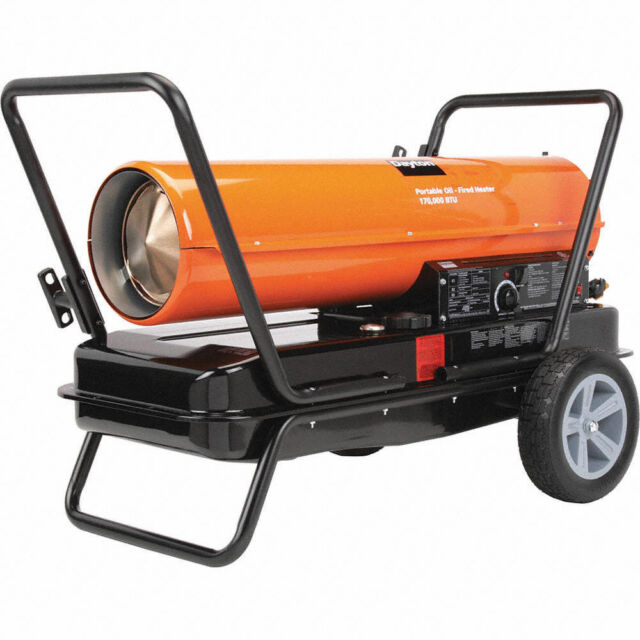
These are typically more powerful and robust. They might be portable or fixed installations. Their design prioritizes heat output for larger, often less insulated spaces, and safety measures can differ. They are generally not designed for use in living quarters due to differences in exhaust, safety cut-offs, and emissions.
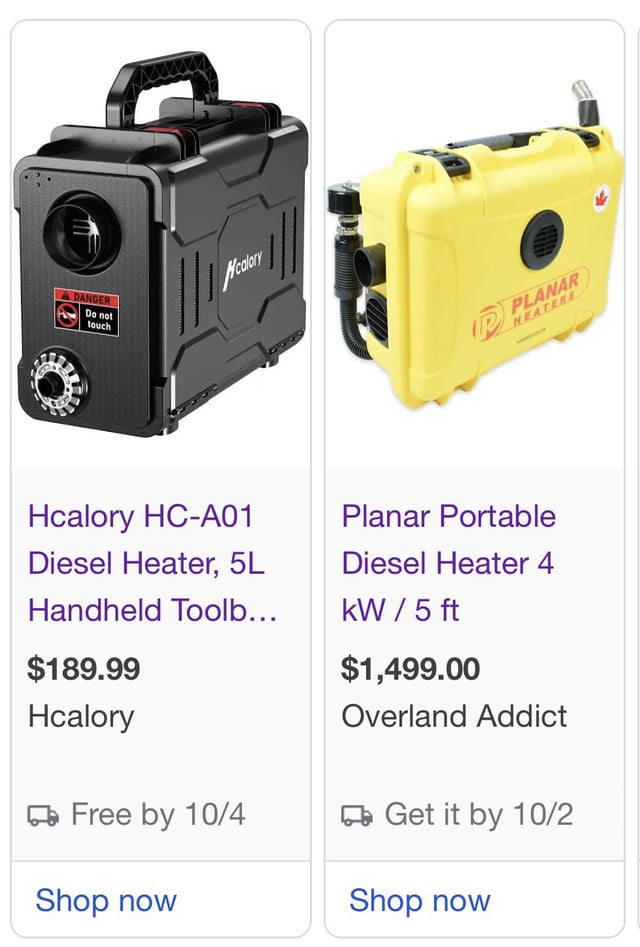
Portable Diesel Heaters (General Purpose)
These are versatile units that can be used in garages, sheds, construction sites, or even large tents. Their legality is often tied directly to how safely they are vented and operated. They usually require more user vigilance regarding exhaust and fuel safety.
Key Considerations for Safe and Legal Diesel Heater Use
To ensure your diesel heater is safe and compliant, follow these essential guidelines:
1. Purchase from Reputable Dealers
Buy your diesel heater from a well-known seller who can provide documentation about the unit’s specifications, certifications, and intended use. Avoid unbranded or suspiciously cheap “no-name” heaters if possible, as their quality and safety compliance might be questionable.
2. Read the Manual Thoroughly
This might sound obvious, but the owner’s manual is your best friend. It contains vital information about installation, operation, maintenance, and safety warnings specific to your model. Pay close attention to sections on clearances, ventilation, and exhaust routing.
3. Professional Installation is Recommended
While some DIY installation is possible, especially for simpler setups, it’s often wise to have a diesel heater installed by a professional. This is particularly true for RVs, boats, or home installations. Professionals understand the critical requirements for safe exhaust venting, fuel line integrity, and electrical connections. They can ensure the installation meets not only the manufacturer’s guidelines but also any relevant local standards or insurance requirements.
4. Install a CO Detector (Absolutely Essential!)
This cannot be stressed enough. Every space heated by a combustion appliance, including a diesel heater, MUST have a working carbon monoxide detector. Make sure it’s suitable for detecting all household gases and placed correctly according to the manufacturer’s instructions. Test it regularly. For added safety, consider a combined smoke and CO detector. Resources from the Electrical Safety Foundation International (ESFI) highlight the critical nature of CO detectors in preventing tragedies.
5. Proper Exhaust Venting
The exhaust pipe must be routed securely through an exterior wall or roof and extend far enough away from any air intakes, windows, doors, or vents to prevent exhaust fumes from re-entering the living space. Check the manufacturer’s minimum recommended distance.
6. Ensure Adequate Fresh Air Intake
While exhaust needs to go out, some diesel heaters also require a small amount of fresh air for combustion. Ensure any such intake is not blocked and the primary ventilation (exhaust) is working effectively.
7. Fuel Source Safety
Use the correct type of diesel fuel recommended by the manufacturer. Store spare fuel safely, away from heat sources and in appropriate containers. Ensure fuel lines are made of materials resistant to diesel and are properly secured to prevent leaks.
8. Regular Maintenance
Just like any appliance, diesel heaters need maintenance. This includes cleaning the combustion chamber, checking glow plugs, inspecting fuel filters, and ensuring the fan and heat exchanger are clear of dust and debris. Regular servicing keeps them running efficiently and safely.
Comparing Diesel Heaters to Other Heating Options
Understanding where diesel heaters fit in can help in decision-making. Here’s a quick peek:
| Heater Type | Pros | Cons | Legal Considerations |
|---|---|---|---|
| Diesel Heater | Very fuel-efficient, high heat output, runs independently of vehicle engine (RV/van), relatively inexpensive fuel. | Requires external exhaust, potential for CO if installed incorrectly, can be noisy, requires diesel fuel. | Strict adherence to installation standards for exhaust, CO detection, and fuel lines is crucial. Certifications matter for specific applications. |
| Propane Heater | Widely available, easy to understand, quick to heat up, many portable options, often standard in RVs. | Propane is more expensive than diesel, can have an odor if leaking, tank management, flame is visible (safety risk if not positioned well). | Requires good ventilation to prevent CO buildup. Propane tanks must be handled and stored safely according to regulations. |
| Electric Heater | Cleanest to operate (no combustion), silent, no ventilation needed (for CO purposes), portable options, easy to use (plug-and-play). Accessible via mains or generator. | High energy consumption, requires a power source (mains hook-up, generator, significant battery bank), can be slower to heat large spaces. | Generally very safe electrically when certified. Fire risk from flammable materials placed too close to the heating element still exists. |
| Wood/Pellet Stove | Very warm, cozy ambiance, renewable fuel (wood), can be off-grid solution. | Requires fuel storage, chimney/venting needs careful installation, ash disposal, can be messy, requires manual operation and refueling. | Strict building codes for chimney installation to prevent fires and CO leaks. Requires compliance with air quality regulations in some areas. |
Checking Local Regulations
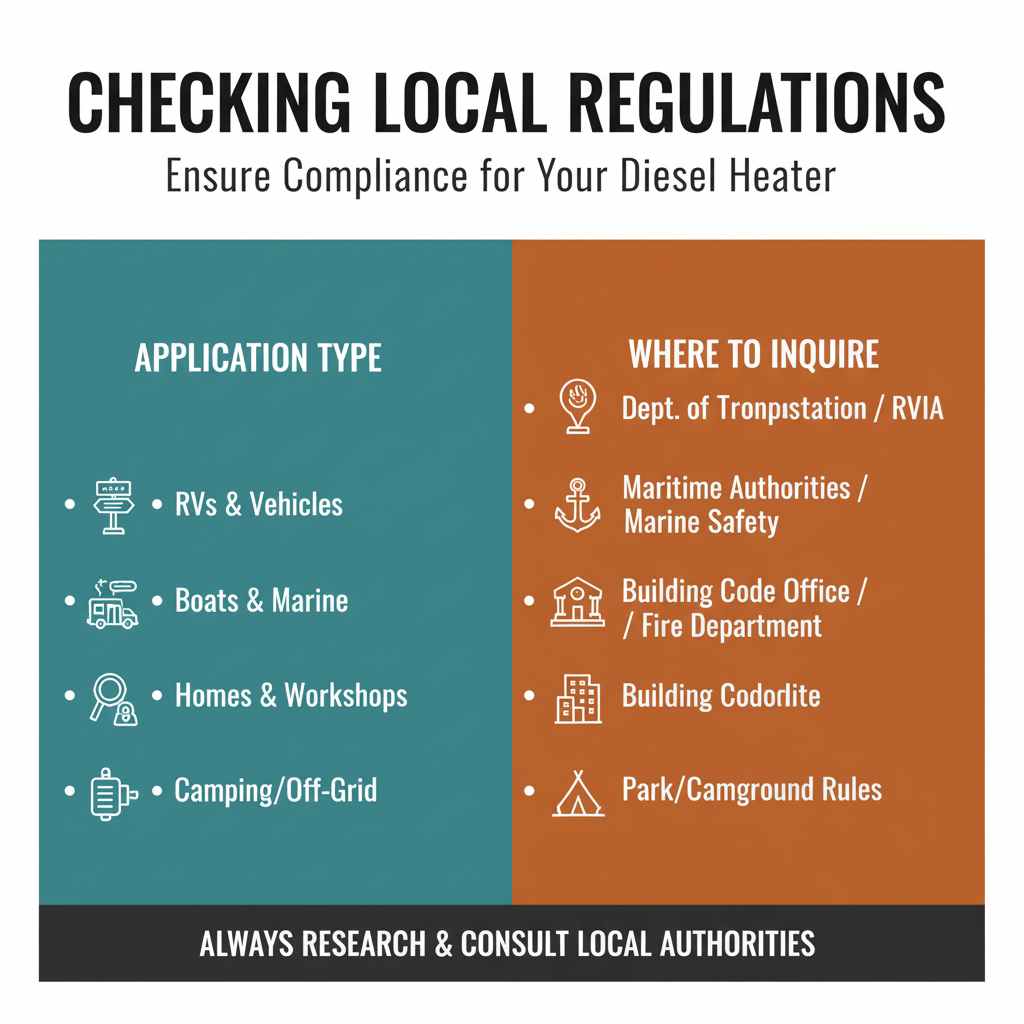
This is a vital step. Laws and regulations can vary significantly. Here’s how you can find out what applies to you:
- For RVs and Vehicles: Check the regulations set by your country’s department of transportation or vehicle standards agency, and consult RV associations. In the US, look at standards set by the RV Industry Association (RVIA).
- For Boats: Marine safety organizations and maritime authorities have specific guidelines for fuel-burning appliances on vessels.
- For Homes/Workshops: Contact your local building code enforcement office, fire department, or housing authority. They can provide information on permits, safety inspections, and installation requirements for fuel-burning appliances.
- Camping/Off-Grid Use: Be aware of rules for the specific campgrounds, parks, or land you are using. Some may have fire bans or specific appliance restrictions.
Researching “heating appliance regulations [your city/state/country]” or “RV safety standards” are good starting points. Don’t hesitate to call local authorities; they are there to help you ensure compliance.
Frequently Asked Questions (FAQ)
Q1: Do I need a permit to install a diesel heater in my garage?
Answer: It often depends on local building codes. Some areas may require a permit for any permanently installed fuel-burning appliance. It’s best to check with your local building department or fire marshal’s office. They can advise on requirements for ventilation, exhaust, and safety clearances.
Q2: Can I use a cheap diesel heater from an online marketplace in my van?
Answer: While tempting, “cheap” often means less scrutinized safety features. Ensure the heater has certifications (like CE for Europe, or equivalent for your region) and is specifically designed for the enclosed space of a vehicle’s living area. Always prioritize safety over cost and ensure it comes with clear installation and user instructions.
Q3: How often should I check my carbon monoxide detector when using a diesel heater?
Answer: You should test your carbon monoxide detector at least once a month. Importantly, ensure it’s within its expiry date (typically 5-10 years) and replace it if it’s expired or malfunctions. Also, ensure it’s not obstructed by dust or debris.
Q4: What kind of fuel should I use in my diesel heater?
Answer: Most diesel heaters are designed for standard diesel fuel (like Gos or Ultra-Low Sulfur Diesel). Some might operate on kerosene or specific blends, but always refer to your heater’s manual for the exact fuel recommendation. Using the wrong fuel can damage the unit and affect emissions.
Q5: Can I use a diesel heater inside my house?
Answer: Generally, portable or workshop diesel heaters are not recommended for use inside a house. They are designed for well-ventilated spaces and require proper external exhaust for combustion byproducts like carbon monoxide. If you need to heat your home, look for appliances specifically designed and certified for residential use and follow all local building and safety codes.
Q6: Is it illegal to have exhaust fumes enter my living space using a diesel heater?
Answer: Releasing exhaust fumes, particularly carbon monoxide, into a living space is extremely dangerous and would certainly be considered illegal due to safety violations. Proper external venting is non-negotiable for the safe operation of any diesel heater in an occupied area. Always ensure the exhaust system is sealed and directs fumes completely outside.
Q7: Where can I find official safety standards for diesel heaters?
Answer: Official standards vary by region. In Europe, look for CE marking and compliance with EN standards relevant to heating appliances. In North America, look for certifications from organizations like UL, CSA, or the RVIA for RV-specific appliances. Government websites for consumer product safety or energy efficiency can also provide valuable guidance and links to relevant standards.
Conclusion
So, to wrap things up, are diesel heaters illegal? The technology itself is perfectly legal and incredibly useful for many applications, from keeping a van cozy on a winter trip to warming up a workshop on a chilly morning. The “illegality” almost always stems from improper installation, lack of essential safety features like carbon monoxide detectors, or usage in ways that violate manufacturer guidelines or local regulations.
By choosing a reputable heater, understanding its intended use, prioritizing professional or meticulous DIY installation (especially regarding exhaust venting), and always, always using a carbon monoxide detector, you can operate your diesel heater safely and with complete peace of mind. Remember to check your local rules and guidelines to ensure you’re fully compliant.
Heating your space doesn’t have to be complicated. With the right information and a focus on safety, you can enjoy the warmth and efficiency that a diesel heater provides. Stay warm and stay safe!