Are Diesel Heaters Waterproof in Heavy Rain?
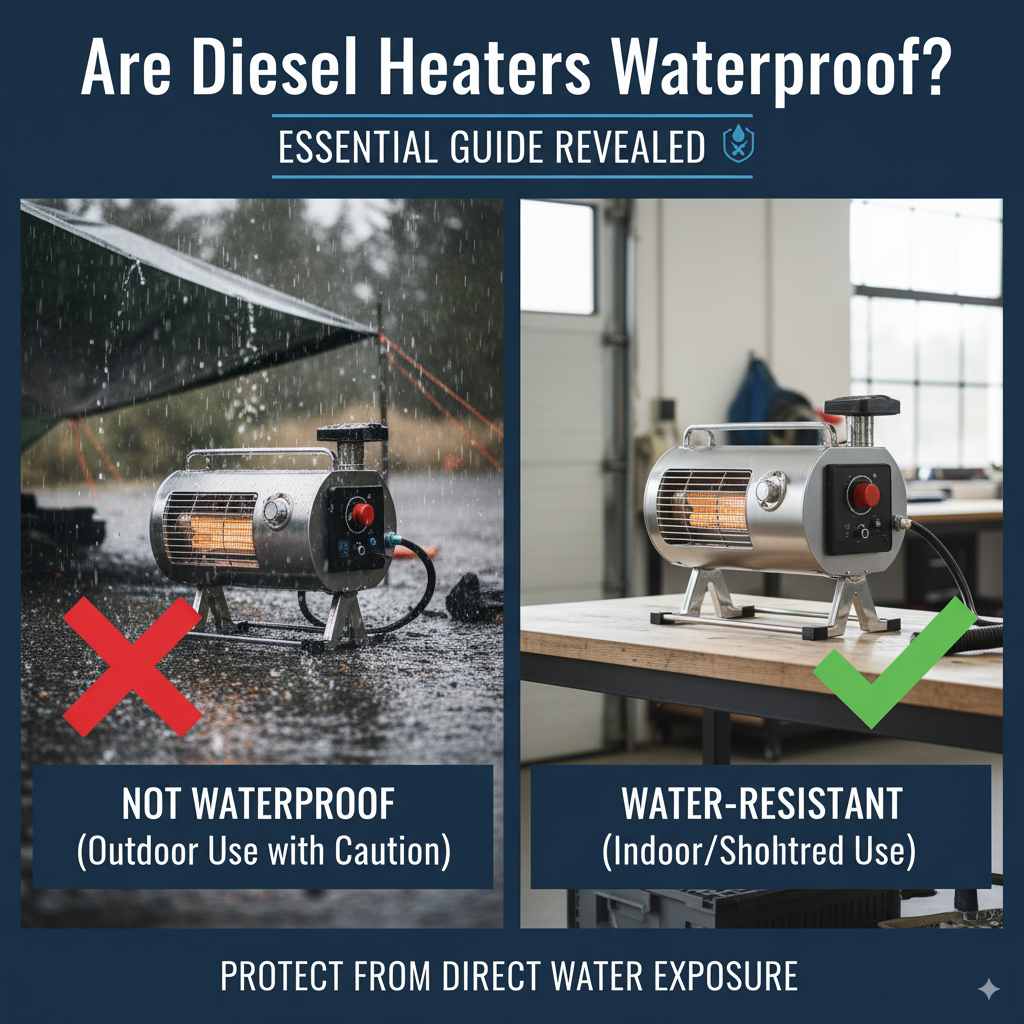
Are diesel heaters waterproof? Generally, no. While designed to withstand outdoor conditions, most diesel heaters are not fully waterproof. Exposure to heavy rain or submersion can damage their electrical components and fuel system. Proper installation and protection are key to keeping your diesel heater safe and functional in wet environments.
Hello there! Tanim here, your friendly guide to a warmer, cozier home. Thinking about a diesel heater for your space, perhaps a workshop, shed, or even an RV? That’s fantastic! They’re wonderfully efficient. But as you plan, a very practical question might pop into your mind: are diesel heaters waterproof? It’s a common concern, especially if you’re thinking about placing it somewhere it might encounter moisture. You want to be sure your investment is protected, right? Don’t worry, we’ll break it all down clearly, step by step. By the end of this guide, you’ll have all the confidence you need to understand your diesel heater’s relationship with water.
Understanding Diesel Heater Water Resistance
When we talk about whether a diesel heater is “waterproof,” it’s important to understand what that really means for an appliance like this. Most diesel heaters are designed with outdoor or semi-outdoor use in mind. This means they can handle a bit of everything the elements throw at them – a light shower’s spray, some dust, and varying temperatures. However, they aren’t built to be submerged in water or constantly drenched without consequences.
Think of it like your smartphone. Many are now water-resistant, meaning a splash won’t kill them. But dunking them? That’s usually a recipe for disaster. Diesel heaters are similar. Their purpose is to provide heat, and they have many components that water can interfere with, especially electrical parts and the delicate fuel delivery system.
Key Components Vulnerable to Water
Several parts of a diesel heater are particularly sensitive:
- Control Panel/ECU: The electronic brain of the heater. Water ingress can cause short circuits and irreparable damage.
- Fan Motor: While some are sealed, prolonged exposure or submersion can lead to corrosion or water getting into bearings, causing failure.
- Sensors: Temperature and flame sensors are vital for operation and can be easily affected by moisture.
- Fuel Pump: Although many are robust, extreme water exposure can lead to corrosion or blockages.
- Combustion Chamber/Exhaust: While designed to handle hot exhaust gases, heavy water can sometimes affect the combustion process or cause moisture to back up.
So, the short answer to “are diesel heaters waterproof?” leans towards “no, not completely.” They are water-resistant to a degree, designed for outdoor resilience, but not for becoming waterlogged.

Where Do You Plan to Use Your Diesel Heater?
The location you choose for your diesel heater makes a big difference in how you approach water resistance. Let’s explore some common scenarios:
1. Sheds and Workshops
These spaces are often uninsulated and can be prone to condensation and leaks. If your shed isn’t perfectly sealed, rain can find its way in. Placing a diesel heater directly on a damp floor or near a leaky wall is not ideal.
- Consider a raised platform: Elevating the heater even a few inches can keep it away from puddles or dampness.
- Check for ventilation: Ensure the area has good airflow to prevent moisture buildup.
- Seal up obvious leaks: A quick fix on a roofing leak can save your heater!
2. RVs and Campervans
Diesel heaters are incredibly popular in recreational vehicles because they use the vehicle’s fuel supply. While installed inside, they still interact with the outside environment, especially via their exhaust and air intake. The unit itself is usually safely enclosed within the vehicle, but its external components (like the combustion air intake pipe and exhaust) are exposed.
- Proper Mounting: Ensure the heater is mounted securely and according to the manufacturer’s instructions, typically on a stable, non-combustible surface.
- Exhaust Outdoors: The exhaust must be routed outside the vehicle carefully. This is critical for safety (carbon monoxide) and also means the immediate exhaust area can get wet.
- Sealed Penetrations: Any holes made in the vehicle for the exhaust or intake need to be properly sealed against water.
3. Garages and Outbuildings
Similar to sheds, garages can be subject to moisture. Whether it’s from cars bringing in snow and rain, or just general atmospheric humidity, dampness is a common issue. If your garage is a place where water can pool or splash, care needs to be taken.
Best Practices for Wet Garages
- Install on a high shelf or workbench: Keep it away from floor-level moisture.
- Ensure adequate ventilation: Good airflow helps dry out any incidental moisture.
- Protect electrical connections: Outdoor-rated junction boxes and sealants can be your best friends here.
4. Temporary/Portable Outdoor Use
If you’re using a diesel heater for a temporary outdoor setup, like a patio extension or a construction site tent, you take on more direct exposure risk. These situations require the most caution.
- Provide a shelter: Even a simple tarp or small canopy can offer significant protection from rain.
- Never operate in heavy downpours: If the weather is severe, it’s best to err on the side of caution and not run the heater.
- Stable, dry surface: Always place it on flat, elevated ground if possible, away from puddles.
Installation: The Key to Water Protection
Proper installation is paramount. It’s not just about making the heater work; it’s about ensuring it lasts and stays safe, especially concerning water. For many DIYers, this is where careful planning is needed.
3.1. Mounting the Heater Unit
The main body of the diesel heater should ideally be mounted in a dry, well-ventilated area. If the intended location has a risk of dampness at floor level, always mount the unit higher up.
A sturdy, heat-resistant bracket or shelf is recommended. Ensure it’s securely fastened. For RVs this is usually a dedicated mounting bracket provided with the heater or vehicle manufacturer.
3.2. Exhaust and Air Intake Management
This is where exposure to the elements is often greatest. The exhaust pipe expels hot gases, but it also has a direct opening to the outside. Similarly, the combustion air intake draws air from outside.
Manufacturer Guidelines Are Crucial Here. Always follow the specific angle and length recommendations for exhaust and intake pipes. Many manufacturers recommend pointing unused exhaust ends downwards slightly to prevent rain from easily entering.
Exhaust Cap/Rain Guard: Consider a rain cap or guard for the exhaust outlet, especially if it’s exposed to prevailing winds or heavy rain. Ensure it doesn’t impede airflow or create dangerous backpressure. Check your manual; some units come with specific accessories for this.
A helpful resource on exhaust system best practices (though not specific to diesel heaters but good principles) can often be found on DIY or home improvement forums from reputable sources that discuss outdoor appliance venting. For instance, resources from the Occupational Safety and Health Administration (OSHA) often highlight general safety around portable heating devices, including the importance of proper venting away from hazards and ensuring clearances.
3.3. Electrical Connections
The control unit and power supply are often the most vulnerable electrical parts. If your heater is in an area prone to splashes or high humidity, pay extra attention.
- Use Waterproof Connectors: If you’re extending any wiring, use waterproof connectors designed for outdoor or automotive use.
- Seal Entry Points: Any holes where wires enter an enclosure (like an RV body or a control box) should be thoroughly sealed with silicone sealant or a similar waterproof compound.
- Protect Control Boxes: If the control box is mounted externally, ensure it has a good IP (Ingress Protection) rating – ideally IP54 or higher— to protect against dust and splashing water.
A great place to learn about connector types and sealing is through resources from electrical supply companies or automotive parts retailers that detail marine-grade or weather-resistant electrical components. For example, understanding IP ratings like IP65 or IP67 can give you a clear idea of how well-protected an electrical component is from dust and water.
Example IP Ratings Explained:
| IP Rating | Meaning |
|---|---|
| IP54 | Dust protected, Protected against splashes from any direction. |
| IP65 | Dust tight, Protected against water jets from any direction. |
| IP67 | Dust tight, Protected against the effects of temporary immersion in water (up to 1 meter for 30 minutes). |
Most standard diesel heaters will have components with ratings sufficient for their intended use, but external modifications or repairs need conscious attention to waterproofing.
Maintenance for Longevity and Water Protection
Regular maintenance isn’t just about keeping your diesel heater running efficiently; it’s also about protecting it from potential water-related issues. A well-maintained heater is often a more water-resilient heater.
4.1. Cleaning and Inspection
- Regular Checks: Visually inspect the heater and its exhaust/intake pipes for any signs of corrosion, debris, or damage. Pay close attention to areas where water might collect.
- Clean Out Debris: Leaves, dirt, and other debris around the intake or exhaust can trap moisture or, in rare cases, lead to blockages that could affect how water drains.
- Wipe Down Exterior: Gently wipe down the exterior of the heater with a damp cloth to remove dust and grime. Ensure the unit is off and cool before doing this. Avoid spraying water directly onto the unit or control panel.
4.2. Checking Seals and Connections
Over time, seals can degrade. Regularly check that all rubber seals, grommets, and sealant around wire entries or pipe connections are intact and not cracked or pulling away.
This is especially important for any custom installations or areas where wiring passes through the hull of an RV or shed wall. A quick application of fresh silicone sealant can make a world of difference.
4.3. Fuel System Care
While not directly about water splashing onto the heater, water in the fuel tank is a nightmare. Diesel fuel can absorb moisture from the air, and if water gets into your tank, it can cause significant problems for the fuel pump and combustion system. This is more about fuel quality and storage but is an essential part of keeping your diesel heater functional.
- Use fresh diesel: Don’t let fuel sit for very long periods, especially in humid conditions or if the tank isn’t sealed tightly.
- Consider a fuel additive: Fuel stabilizers can help prevent microbial growth and potentially mitigate some moisture issues.
- Bleed filters: If your diesel heater has user-serviceable fuel filters, be sure to check and bleed them periodically as per the manufacturer’s instructions.
For more in-depth information on maintaining fuel systems, sources like the Alternative Fuels Data Center from the U.S. Department of Energy provide general insights into the properties and common issues with alternative fuels, which can include considerations for moisture absorption and storage.
Protection Strategies: Best Practices to Keep Your Heater Dry
So, how do you act on the knowledge that your diesel heater isn’t fully waterproof? You put protective strategies in place. These are simple, actionable steps that can significantly extend the life of your heater and prevent costly damage.
5.1. Weather Protection During Operation
If you habitually run your heater in a slightly exposed area, think about basic shelter while it’s on.
- Temporary Shelters: For outdoor uses like camping or events, a pop-up canopy or a sturdy tarp erected over the heater (while ensuring ample ventilation and clearance for exhaust/intake) can keep off direct rain.
- Mounting in a Recess: If installing in a workshop or shed, try to position the heater in a slightly recessed area or under a small overhang if possible, to deflect direct water spray.
5.2. Protecting Electrical Components
This is where many units fail due to water. Be proactive!
- IP-Rated Enclosures: For critical electrical connections or the control unit if it’s exposed, consider placing it inside an IP-rated weatherproof enclosure. These are readily available from electrical component suppliers and are designed to keep dust and water out.
- Cable Management: Ensure all cables are routed in a way that water cannot pool on them or run directly into connection points. Drip loops (a sag in the cable) can help water drip off before reaching a connection.
5.3. Post-Operation Drying
If your heater has been exposed to moisture during operation or storage, ensure it has a chance to dry out completely before the next use, especially if stored in a damp environment.
- Air It Out: Store the heater in a dry, well-ventilated space. If it’s a portable unit, simply leaving the relevant covers off for a period can help.
- Avoid Humid Storage: Never store your heater in a damp basement or a shed that constantly leaks.
When is a Diesel Heater NOT a Good Idea?
Understanding limitations is as important as knowing capabilities. While versatile, diesel heaters aren’t for every situation, especially if dealing with excessive moisture is unavoidable or unmanageable.
- Completely Submerged Environments: Obviously, never use a diesel heater where it could be submerged in water.
- Areas with Constant Dripping: If you have a spot with persistent condensation or dripping from the ceiling that you cannot fix or shield, a diesel heater might not be the most robust solution without significant protective measures.
- High Humidity without Ventilation: In extremely humid environments where there’s no airflow, moisture can permeate components over long periods.
For situations where extreme water resistance is non-negotiable and professional installation isn’t feasible, you might need to consider alternative heating solutions. However, for most typical uses, understanding “are diesel heaters waterproof?” helps guide you to protect yours effectively.

FAQs About Diesel Heaters and Water
Let’s clear up some more common worries:
Q1: Can I leave my diesel heater outside in the rain?
It’s best not to. While they are designed for outdoor use and can handle some weather, direct, prolonged rain exposure, especially without a cover or shelter, is not recommended and can cause damage to electrical components.
Q2: What happens if water gets into my diesel heater?
Water can cause short circuits in the electrical system, corrode fuel lines or pumps, and damage the fan motor. This can lead to the heater malfunctioning or failing completely.
Q3: Will a downpour ruin my diesel heater if it’s installed on my RV?
If the heater unit itself is securely mounted inside the RV, a downpour outside is unlikely to directly harm it. However, ensure that any external components like exhaust and intake pipes, and any holes you drilled for them, are properly installed and sealed against water entry into the vehicle and the heater’s external parts.
Q4: How can I protect the electrical parts of my diesel heater from water?
Ensure connections are tight and consider using waterproof connectors or IP-rated enclosures for any external electrical parts. Make sure any entry points for wires are properly sealed with silicone or appropriate sealants.
Q5: Should I worry about condensation under my portable diesel heater?
Yes, condensation can be an issue. Always place your heater on a stable, non-absorbent surface. If operating in a damp area, consider placing it on a pallet, a piece of plastic sheeting, or a non-combustible mat to create a barrier against moisture from below.
Q6: Is it okay if the exhaust pipe gets wet?
The exhaust pipe is designed to handle hot gases and some weather. It’s generally okay if the external part of the exhaust pipe gets wet. However, ensuring a slight downward angle can help prevent water from pooling or backing up into the unit. Some users add a rain cap for extra protection.
Conclusion
So, to wrap it all up: are diesel heaters waterproof? The answer is generally no, they are not designed to be completely waterproof in the way you might think of appliances intended for constant submersion.