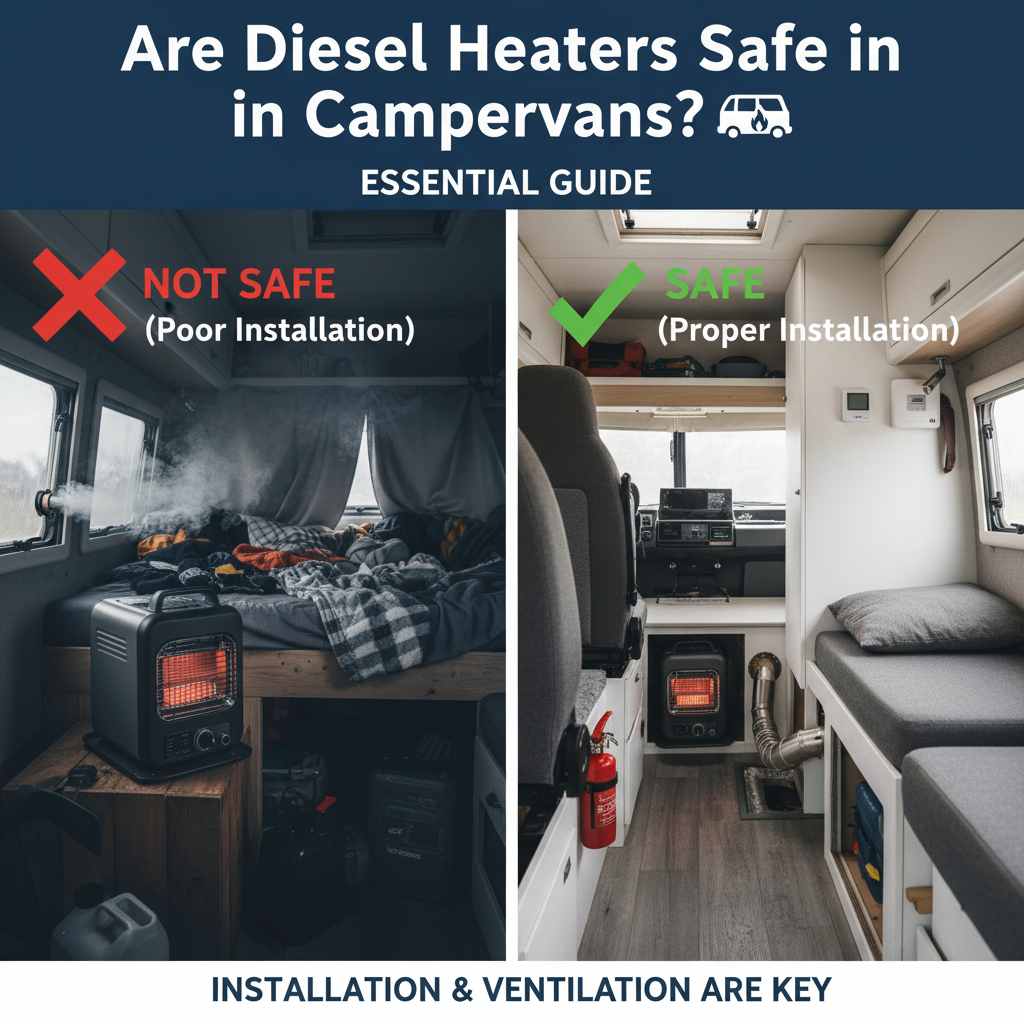
Are Diesel Heaters Safe in Campervans? Essential Guide
Yes, diesel heaters can be very safe in campervans when installed and operated correctly. With proper ventilation, maintenance, and understanding of their workings, they offer a reliable and safe way to stay warm on your adventures.
Heading out in your campervan is an exciting way to explore. But the thought of staying warm shouldn’t be a worry. Many adventurers wonder, “Are diesel heaters safe in campervans?” It’s a very common question, and understanding the facts can bring you peace of mind. These heaters are popular because they’re efficient and powerful, but like any heating system, safety is key. This guide will break down everything you need to know, in simple terms. We’ll cover how they work, what makes them safe, potential risks, and how to use them with total confidence. Get ready to discover how a diesel heater can be your cozy companion on the road!
Understanding Diesel Heaters for Campervans
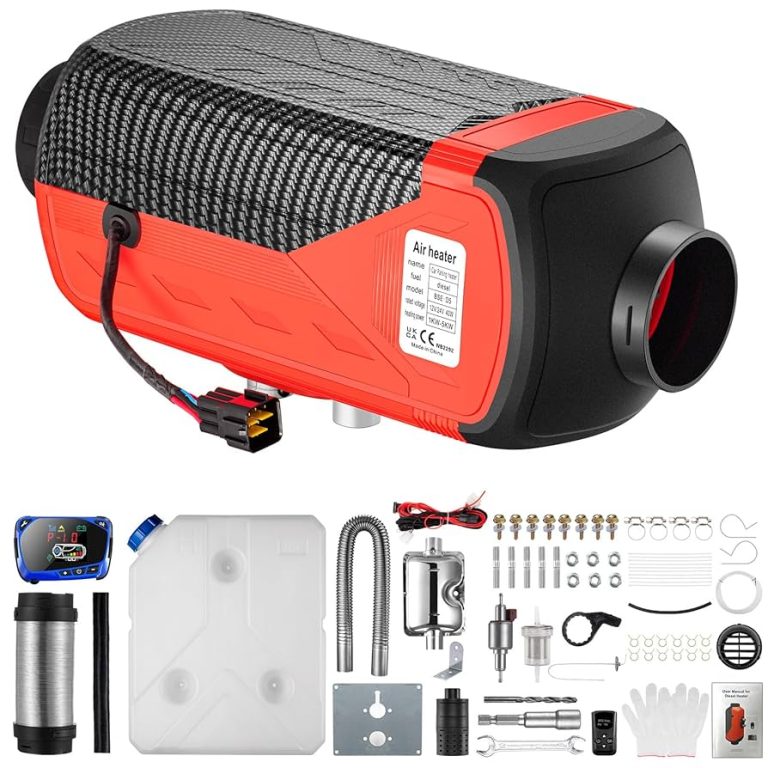
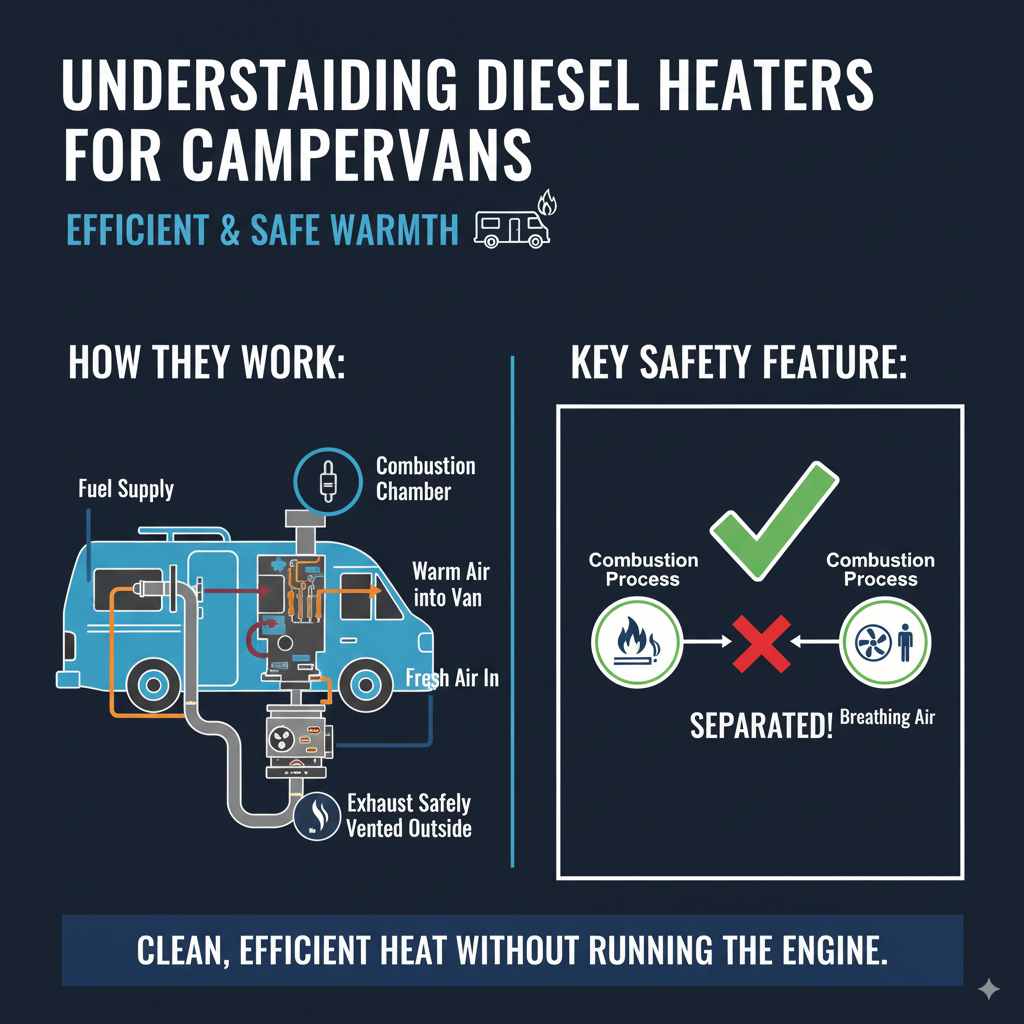
Diesel heaters, often called “parking heaters” or “air heaters,” are specifically designed to heat the air inside a vehicle without the need to run the main engine. They’re a fantastic choice for campervans because they use diesel fuel, often from the same tank as your vehicle, and are very efficient.
Here’s a simple breakdown of how they work:
Fuel Supply: A small fuel line draws diesel from your campervan’s main fuel tank.
Combustion Chamber: The diesel is pumped into a small combustion chamber where it’s mixed with air and ignited by a glow plug. This creates heat.
Airflow: A separate fan system draws fresh air into the heater, passes it over the heated surfaces (but not through the combustion area), and blows the warm air into your campervan’s living space.
Exhaust: The exhaust gases are safely vented outside your campervan through a dedicated exhaust pipe.
This separation of the combustion process from the air you breathe is a crucial safety feature.
The Safety Features That Make Diesel Heaters Reliable
When you hear about a heater, safety is usually the first thing on your mind. Diesel heaters are designed with several built-in safety features that make them a secure option for your campervan:
Sealed Combustion: The most important safety aspect is that the diesel burns in a sealed chamber. The air for combustion is drawn from outside the vehicle, and the exhaust fumes are completely expelled outside. This means no carbon monoxide or fumes can enter your living space.
Overheat Protection: Most modern diesel heaters have sensors that will automatically shut down the unit if it gets too hot, preventing potential damage or fire hazards.
Flameout Protection: If the heater fails to ignite the diesel or the flame goes out, it has a safety mechanism to stop fuel from being pumped, preventing dangerous situations.
Reliable Exhaust Systems: The exhaust pipes are designed to be heat-resistant and are securely routed outside the vehicle. Proper installation ensures these pipes are fitted correctly and don’t touch flammable materials.
Low Power Consumption: They are very efficient and draw minimal power from your campervan’s leisure battery, meaning they can run for extended periods without draining your power source.
These features work together to ensure that the heat produced stays where it belongs – warming your campervan – while all combustion byproducts are safely managed outside.
Potential Risks and How to Avoid Them
While diesel heaters are designed for safety, like any combustion appliance, there are potential risks if they are not used or installed correctly. Understanding these can help you prevent any issues.
Carbon Monoxide (CO) Risk
This is the most significant concern with any fuel-burning appliance. Carbon monoxide is an invisible, odorless gas produced by incomplete combustion.
How CO is Produced: If there’s a fault in the combustion chamber or the exhaust system is damaged or incorrectly installed, CO could leak into your campervan.
How to Avoid CO Risk:
Professional Installation: Always have your diesel heater installed by a qualified professional. They will ensure the exhaust is correctly routed, sealed, and that the combustion chamber is functioning as it should. Reputable installers will follow guidelines similar to those set by vehicle safety standards organizations.
Regular Inspections: Periodically check the exhaust pipe for any signs of damage, corrosion, or blockages.
Carbon Monoxide Detector: This is non-negotiable. Install a reliable, battery-operated carbon monoxide detector inside your campervan. Test it regularly and replace the batteries as recommended. Look for detectors specifically designed for RVs or enclosed spaces. You can find excellent ones from reputable safety equipment suppliers and often vetted by RV associations.
Never Run with Engine Off and Doors Closed: While designed to run when the engine is off, ensure proper ventilation.
Fire Hazards
The heater itself and its exhaust pipe get hot.
How Fire Risk Occurs: If flammable materials (like curtains, cleaning cloths, or insulation) are too close to the hot parts of the heater or exhaust pipe, they can catch fire.
How to Avoid Fire Risk:
Clearance: Always ensure there is ample clearance around the heater unit and the exhaust. Manufacturers provide specific minimum clearance distances in their manuals.
Safe Installation: Ensure fire-retardant insulation is used where required and that the exhaust pipe is securely fitted and insulated where it passes through any wall or panel.
Keep Area Clean: Don’t store flammable items near the heater.
Fuel Leaks
Diesel fuel is flammable.
How Leaks Occur: Poorly fitted fuel lines or damaged components can lead to diesel leaks.
How to Avoid Fuel Leaks:
Professional Fuel Line Installation: The fuel line connecting to your vehicle’s tank must be installed correctly and securely. Use appropriate fittings and clamps as recommended by the heater’s manufacturer.
Regular Checks: Periodically check the fuel line and connections for any signs of dampness or drips.
Moisture and Condensation
Diesel heaters burn fuel, which produces some water vapor as a byproduct.
How Moisture Happens: In a sealed campervan, this water vapor can contribute to condensation if very little fresh air is exchanged.
How to Manage Moisture:
Ventilation: Even when running your heater, it’s important to have some form of ventilation. This can be a small roof vent slightly open or a window cracked. This also helps with air circulation.
Avoid Over-Humidity: Try to minimize moisture-producing activities inside when the heater is on and not much external ventilation is running.
Essential Pre-Operation Checks: Your Safety Checklist
Before you switch on your diesel heater for the first time on a trip, or each time you use it regularly, run through this simple checklist. It’s quick and makes a world of difference.
1. Ventilation Check
- Ensure at least one small vent is open, or a window is slightly ajar, to allow for fresh air circulation and to prevent moisture build-up.
2. Exhaust Pipe Inspection
- Visually inspect the entire length of the exhaust pipe leading outside your campervan.
- Check for any obvious damage, cracks, kinks, or signs of corrosion.
- Look to ensure it’s securely attached at both ends and is not making contact with any flammable materials.
3. Heater Unit Inspection
- Make sure the area around the heater unit itself is clear of clutter and flammable items.
- Check that the air intake for the heater is not blocked.
4. Fuel Line and Connections
- Briefly check the visible fuel line from the heater to the point of connection for any signs of leaks or damage.
5. Carbon Monoxide Detector Test
- Press the test button on your CO detector to ensure it is functioning correctly. Check the battery level if your detector shows it.
6. User Manual Review
- Familiarize yourself with the specific operating instructions and any safety warnings for your particular diesel heater model.
This simple routine takes just a couple of minutes and is your first line of defense for safe operation.
Installing a Diesel Heater: Why Professional Help is Key
While DIY is part of the campervan spirit, installing a diesel heater is a job where professional expertise shines brightest. It’s not just about following a manual; it’s about understanding vehicle systems and safety standards.
Why Professional Installation Matters
Warranty: Many manufacturers require professional installation to validate the warranty.
Safety Standards: Professionals are trained to ensure the installation meets all relevant safety regulations. This includes proper fuel line routing, exhaust system sealing, and electrical connections, all critical for safety. You can find recommendations and standards from organizations like the RV Industry Association.
Correct Placement: They know the best and safest locations to mount the heater and run the exhaust to maximize efficiency and minimize risk.
Electrical Integration: Correctly wiring the heater into your campervan’s electrical system is crucial to avoid power issues or hazards.
Fuel System Integration: Safely tapping into your campervan’s fuel tank requires careful plumbing to prevent leaks.
What to Look For in an Installer
Experience with Campervans/Mobile Homes: They should specialize in vehicle heating or mobile installations.
Reputation: Check reviews and ask for recommendations.
Certifications: Inquire if they have any relevant certifications related to gas or fuel appliance installation.
Investing in professional installation for your diesel heater is an investment in your safety and peace of mind.
Operating Your Diesel Heater Safely and Efficiently
Once your heater is installed, using it correctly is the next step to ensuring safety and comfort. Modern diesel heaters are designed to be user-friendly, but a little knowledge goes a long way.
Startup and Shutdown Procedures
Startup:
1. Ensure your pre-operation checks are complete.
2. Turn on the heater using its control panel or remote.
3. The heater will go through a startup sequence: the glow plug heats up, the fan starts, and the fuel pump begins its rhythm. You’ll hear a distinct ticking sound from the fuel pump and the fan.
4. It will take a few minutes for it to fully ignite and start blowing warm air.
Shutdown:
1. Turn off the heater using the control panel.
2. The heater will go through a cooldown sequence. The fan will continue to run for several minutes to cool down the combustion chamber and exhaust. Do not disconnect power during this phase. Waiting for the cooldown cycle is essential for the longevity and safety of the unit.
Temperature Control
Most diesel heaters come with a simple thermostat.
Setting the Temperature: Set your desired temperature, and the heater will cycle on and off to maintain it.
Starting Low: It’s often best to start with a lower setting and gradually increase it to find your comfort zone, rather than cranking it to maximum immediately.
Ventilation During Operation
Remember the importance of air.
Always Ventilate: Even when the heater is running, a slightly open window or vent is recommended. This circulates fresh air, helps manage any moisture produced, and provides an extra layer of safety against potential fume buildup.
Monitor Air Quality: If you ever smell anything unusual or suspect an issue, turn off the heater immediately and ensure good ventilation.
Fuel Usage and Battery Drain
Diesel heaters are known for their efficiency.
Fuel: They typically use a very small amount of diesel per hour, meaning a full tank can keep you warm for many days.
Battery: They draw power from your leisure battery, mostly for the glow plug during startup and the fan during operation. On lower settings, the power draw is minimal. Running the heater overnight on a moderate setting is usually fine for a campervan with a healthy leisure battery system.
Maintenance: Keeping Your Heater in Top Shape
Regular maintenance is key to ensuring your diesel heater remains safe and operates efficiently for years to come. These are straightforward tasks anyone can handle.
Routine Cleaning and Checks
Airing Out: Once a year, or at the start of a season, run the heater on full power for about 15-30 minutes with windows and vents open. This helps burn off any carbon deposits.
External Cleaning: Periodically wipe down the exterior of the heater with a damp cloth. Ensure it’s turned off and cool.
Air Intake and Filter: Check the air intake for the combustion fan and the intake for the warm air blowing into the cabin. If they are accessible, a quick clean of any dust or debris can improve efficiency. Some models have filters that can be removed and cleaned.
Exhaust Pipe: Visually inspect the exhaust pipe regularly for any blockages (e.g., mud wasp nests) or damage before each use.
When to Seek Professional Servicing
Unusual Noises: If the heater starts making new or concerning noises.
Smells: Any persistent unusual smells, especially fuel or exhaust, that don’t clear with normal operation.
Inefficient Heating: If it’s not producing as much heat as it used to.
Startup Issues: If it’s struggling to start up or takes a very long time to ignite.
Error Codes: If the control panel displays an error code that you don’t understand or can’t resolve.
A well-maintained diesel heater is a safe and reliable friend on your travels.
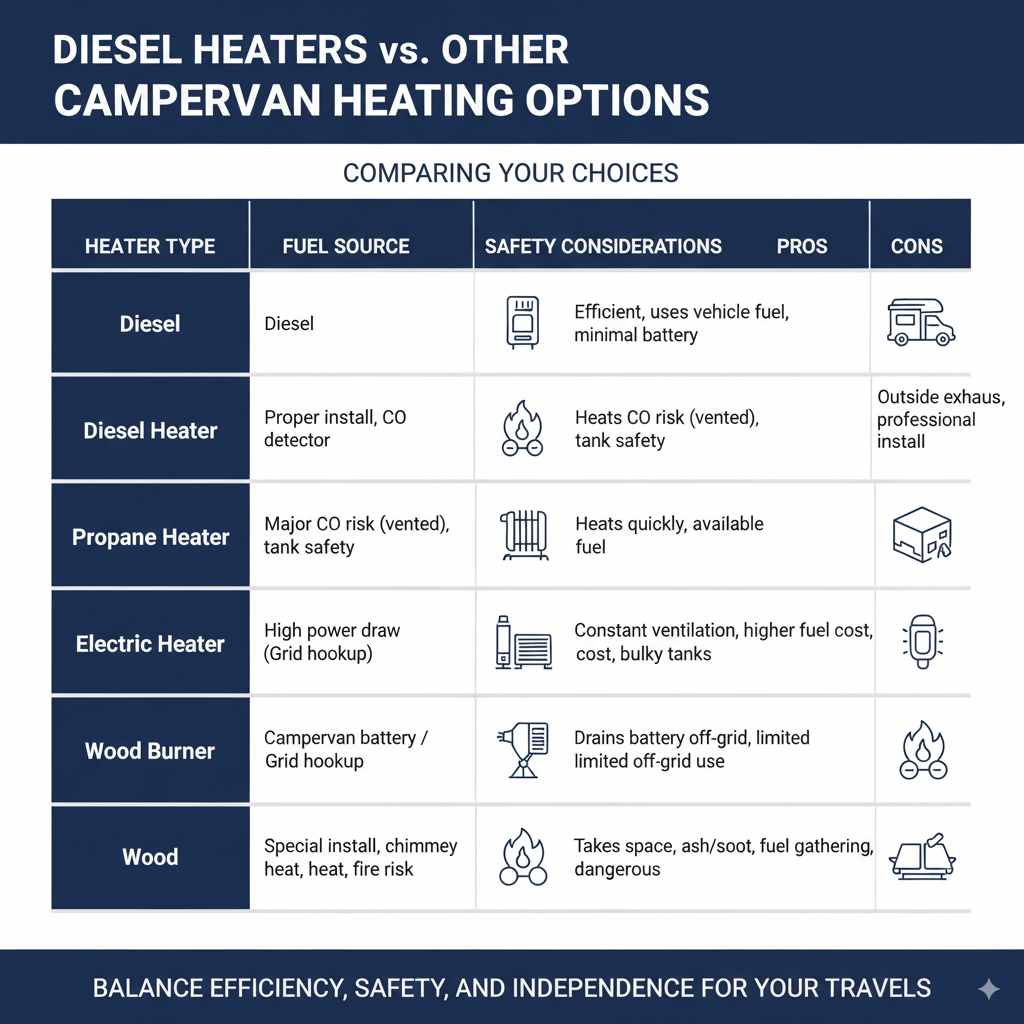
Diesel Heaters vs. Other Campervan Heating Options
To truly appreciate the safety and benefits of diesel heaters, it’s helpful to compare them with other popular campervan heating solutions.
| Heater Type | Fuel Source | Safety Considerations | Pros | Cons |
|---|---|---|---|---|
| Diesel Heater | Diesel | Requires proper installation, CO detector essential | Very efficient, uses vehicle fuel, minimal battery drain | Requires outside exhaust, professional install recommended |
| Propane Heater | Propane/LPG | Major CO risk indoors if not vented, tank safety | Heats quickly, widely available fuel | Requires constant ventilation, higher ongoing fuel cost, bulky tanks |
| Electric Heater | Campervan battery / Grid hookup | High power draw (battery), fire risk with some types | Silent, no fumes, simple to use if power is available | Drains battery quickly if off-grid, limited use for off-grid |
| Wood Burner | Wood | Requires special installation, chimney heat, fire risk | Cozy atmosphere, self-sufficient fuel source | Takes up space, produces ash/soot, requires fuel gathering, can be dangerous if not managed |
As you can see, while other heaters have their place, diesel heaters offer a compelling balance of efficiency, safety (when managed correctly), and independence, especially for extended travel.
FAQ: Your Diesel Heater Questions Answered
Are diesel heaters worth it?
Yes, they are often worth it for campervans due to their high efficiency, low fuel consumption from the vehicle’s tank, and ability to provide significant heat even in cold conditions, making them ideal for year-round travel.
How many litres of diesel does a campervan diesel heater use?
On average, a diesel heater uses between 0.1 to 0.5 litres of diesel per hour, depending on the model and the heat setting. This low consumption means they can run for many hours, even days, on a single tank of fuel.
Can I sleep with a diesel heater on?
Yes, you can safely sleep with a diesel heater on, provided it has been professionally installed, you have a working carbon monoxide detector, and the unit is functioning correctly. Ensure some level of ventilation remains open.
What is the safest way to use a diesel heater?
The safest way is through professional installation, regular maintenance, always using a carbon monoxide detector, ensuring proper exhaust venting, and maintaining adequate ventilation inside the campervan during operation.
Do diesel heaters need ventilation when running?
Yes, it’s highly recommended to have some form of ventilation, such as a slightly open window or vent. This ensures fresh air circulation, helps manage moisture, and adds an extra layer of safety.
Can diesel heaters get too hot?
Modern diesel heaters have sophisticated overheat protection systems that will automatically shut the unit down if it detects a dangerous temperature rise. However, ensuring proper clearance and installation is still crucial.
Conclusion: Cozy and Confident Campervan Adventures
Your adventure in a campervan is all about freedom and comfort. Knowing your heating system is safe and reliable is a huge part of that. As we’ve explored, diesel heaters, when installed correctly and used with a little care, are an excellent and exceptionally safe choice for keeping your mobile home warm and cozy.
From their sealed combustion design to overheat protection and efficient fuel use, they’re built with safety in mind. By understanding their workings, performing simple pre-operation checks, investing in professional installation, and always using a carbon monoxide detector, you can use your diesel heater with complete confidence. Regular checks and simple maintenance will keep it running smoothly for many seasons of happy travels. So go ahead, plan that next trip, and enjoy the warmth and peace of mind your diesel heater brings!