Are Electric Heaters Bad for Asthma? Usually Not at Home
For most people with asthma, electric heaters are generally safe and can be a good heating option if used properly. However, certain types and their use can potentially worsen asthma symptoms by drying out the air or circulating dust. This guide helps you choose the right heater and use it safely.
Feeling a chill and wondering about heating options, especially if asthma is a concern? It’s totally understandable to pause and consider what’s best for your health. The good news is, you don’t have to shiver! Many electric heaters are perfectly fine for homes with asthma, and we’re here to walk you through exactly how to choose and use them safely. We’ll break down which types are best, how to keep your air clean, and simple tips to make your home warm and asthma-friendly.
Understanding Electric Heaters and Asthma
When you live with asthma, keeping your indoor air quality in mind is super important. This means thinking about everything that can affect the air you breathe, including how you heat your home. Electric heaters are a popular choice because they’re convenient, often energy-efficient, and don’t require complex installation. But, like any heating method, they have nuances. The main concern with many heaters, electric ones included, is their potential to impact humidity levels and stir up allergens.
Some electric heaters work by heating elements that then warm the air. This process, especially with convection or radiant heaters, can sometimes dry out the air. Dry air can irritate your airways, which is a common trigger for asthma symptoms like wheezing and coughing. Also, any heater that uses a fan to circulate air might potentially blow dust, pet dander, or other allergens around your home if not properly cleaned or maintained. Understanding these potential issues is the first step to using electric heaters safely with asthma.
Types of Electric Heaters and Asthma Considerations
Not all electric heaters are created equal, and some are definitely more asthma-friendly than others! Let’s look at the common types and what you should know:
Convection Heaters
These heaters warm the air that passes over a heating element, then circulate that warm air into the room. They’re great for heating a whole room evenly. However, some convection models with powerful fans might stir up dust. Models with enclosed heating elements can be a bit better in this regard.
Radiant Heaters (Infrared Heaters)
Radiant heaters work by emitting infrared radiation, which directly heats objects and people in their path, much like the sun. They don’t rely on circulating air as much, making them less likely to blow dust around. This can be a good option for people with asthma who are sensitive to airborne particles.
Oil-Filled Radiators
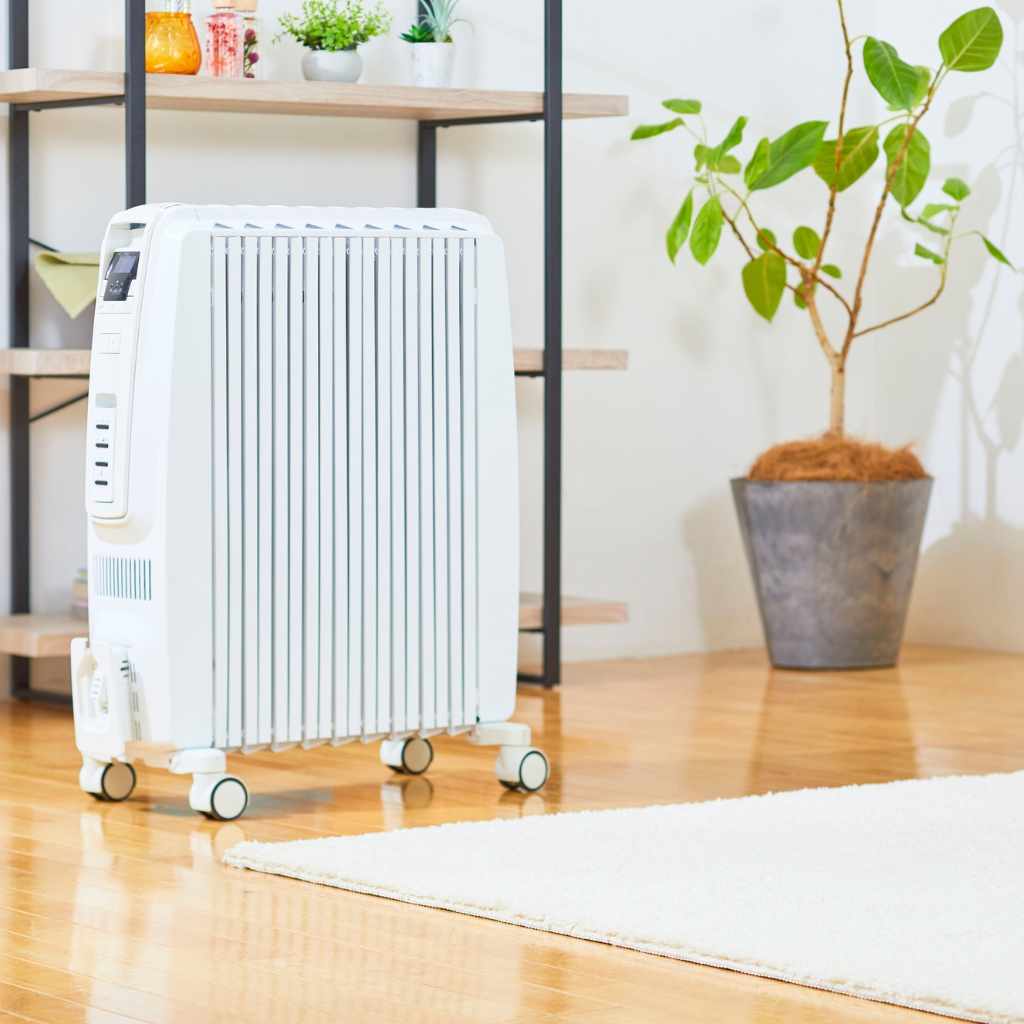
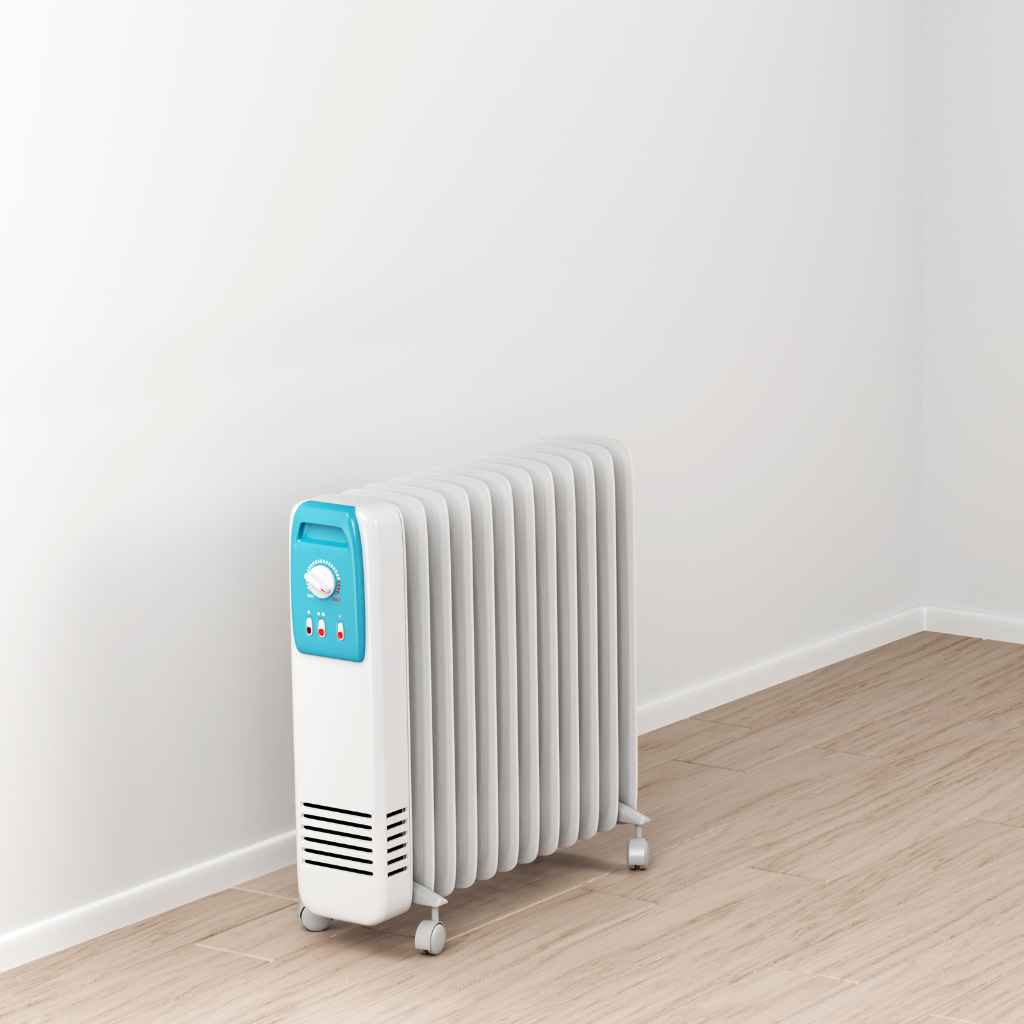
These are a type of convection heater, but they heat oil contained in sealed columns. The oil then radiates heat and warms the surrounding air gently. Because there are no fans blowing air directly, they tend to be very quiet and don’t stir up dust. They also help maintain a more stable, less dry heat, which is often beneficial for asthma sufferers.
Ceramic Heaters
Ceramic heaters use a ceramic plate that heats up and blows air over it. Many of these have fans. As with other fan-assisted heaters, dust can be an issue if the unit isn’t kept clean. Look for models with washable filters if possible.
Micathermic Heaters
These combine radiant and convection heating. They heat a mica element that then emits infrared heat. They are often praised for being dust-free and silent, making them a top contender for allergen-sensitive individuals.
The Impact of Humidity and Air Quality
One of the biggest concerns for people with asthma when using heaters is how it affects indoor humidity. Dry air can irritate the lining of your nasal passages and airways. This irritation can lead to increased mucus production and make asthma symptoms worse.
Here’s why it matters:
- Irritated Airways: Dry air can make your airways more sensitive to triggers like pollen, dust, or even cold air.
- Thicker Mucus: When your airways are dry, mucus can thicken, making it harder to breathe and cough up.
- Increased Sensitivity: Some studies suggest that low humidity can make the respiratory system more vulnerable to asthma triggers. You can find more general advice on indoor air quality from the U.S. Environmental Protection Agency (EPA).
Furthermore, heaters that circulate air can inadvertently spread dust and other allergens throughout your home. If the heater itself isn’t clean, or if it’s placed in a dusty area, it can turn into a dust-distributing machine. Regular cleaning of both your heater and your home is crucial.
Choosing the Best Electric Heater for Asthma
When selecting an electric heater with asthma in mind, look for features that promote cleaner, more comfortable air. Here’s what to prioritize:
Key Features to Look For:
- No Fan or Minimal Fan Use: Heaters that rely on radiation or gentle convection without powerful fans are generally better. This includes oil-filled radiators and many radiant or micathermic heaters.
- Adjustable Thermostat: This helps maintain a consistent temperature, preventing your home from becoming too hot and dry, which can worsen asthma.
- Humidifier Functionality (Rare but Ideal): While uncommon in standard electric heaters, some specialized units might offer this, or you can use a separate humidifier alongside your heater.
- Easy to Clean: Look for models with accessible heating elements or washable dust filters so you can keep them free of dust buildup.
- Quiet Operation: While not directly related to asthma, a quieter heater can contribute to a more peaceful environment, which is beneficial for overall well-being.
Heaters to Be Cautious With:
- High-Powered Fan Heaters: Those designed to heat a room very quickly often use strong fans that can easily circulate dust and allergens.
- Older Models Without Modern Safety Features: Ensure any heater you choose has safety features like automatic shut-off if it tips over.
Recommended Heater Types for Asthma Sufferers:
Based on these considerations, the following types are often recommended:
- Oil-Filled Radiators: Excellent for consistent, gentle heat and minimal air circulation.
- Micathermic Heaters: Offer a silent, dust-free heating experience.
- Radiant Panel Heaters: These heat surfaces and people directly rather than relying heavily on air circulation.
Safe Usage Tips for Electric Heaters and Asthma
Even the best electric heater can cause problems if not used correctly. Here are some essential tips to keep your home warm and asthma-friendly:
Maintaining Optimal Humidity Levels
As we’ve discussed, dry air is a common culprit for irritated airways. Aim for an indoor humidity level between 30% and 50%. You can monitor this with a simple hygrometer, an inexpensive device available at most hardware or home goods stores.
Here’s how to manage humidity:
- Use a Humidifier: Place a humidifier in the room you’re heating. A cool-mist humidifier is generally recommended, especially for bedrooms, as it adds moisture to the air without generating heat. Ensure you clean your humidifier regularly according to the manufacturer’s instructions to prevent mold and bacteria growth, which can also trigger asthma.
- Place a Bowl of Water: A simple trick for smaller spaces is to place a bowl of water on top of or near the heater (ensure it’s stable and won’t spill). The heat will cause the water to evaporate, adding a little moisture to the air.
- Ventilate Properly: While it might seem counterintuitive, briefly opening windows for a few minutes each day can improve overall air quality and prevent stale air from building up, even when heating.
Reducing Dust and Allergens
Dust is a major asthma trigger. Keeping it under control is key when using any heating appliance.
Follow these steps:
- Clean Your Heater Regularly: Turn off and unplug your heater before cleaning. Use a soft cloth or vacuum cleaner with a brush attachment to gently remove dust from the exterior and any visible heating elements or vents. Check your owner’s manual for specific cleaning instructions for your model.
- Keep the Area Around the Heater Clean: Vacuum and dust the floor and surfaces near your heater frequently.
- Use Air Purifiers: Consider using an air purifier with a HEPA filter in the room where you use your heater. This can help capture airborne dust, pet dander, and other allergens. NASA has published information on air purifiers and their effectiveness, which you can find on their research news site.
- Maintain Houseplants: While plants can sometimes release spores, many also help filter indoor air. However, if you are sensitive to mold or pollen from plants, it might be best to keep them out of your main heating area.
- Consider the Location: Place your heater away from direct sources of dust, like if you have a rug that sheds a lot, or areas where pets frequent.
Proper Placement and Usage
Where you put your heater and how you use it can make a big difference.
- Maintain Clearances: Always ensure that your heater is placed at a safe distance from curtains, furniture, bedding, and other flammable materials. Check the manufacturer’s recommendations for minimum clearance distances.
- Use on a Stable Surface: Place the heater on a flat, stable, and heat-resistant surface.
- Avoid Overheating: Use the thermostat to maintain a comfortable temperature. Constantly running a heater on the highest setting can excessively dry out the air.
- Never Leave Unattended: For safety, never leave an electric heater running when you are sleeping or if the room is unoccupied, unless it is specifically designed and certified for such use (e.g., some permanent wall-mounted units).
- Check Cords and Plugs: Ensure the power cord is not frayed or damaged. Always plug the heater directly into a wall outlet; avoid using extension cords, as they can overheat and pose a fire risk.
Comparison of Electric Heater Types for Asthma Sufferers
To make choosing easier, here’s a table comparing the common electric heater types based on their suitability for asthma sufferers. Remember, proper use and maintenance are crucial for all types.
| Heater Type | How it Heats | Potential Asthma Concerns | Best For Asthma? | Notes |
|---|---|---|---|---|
| Convection Heater (Fan-Assisted) | Warms air and circulates it with a fan. | Can circulate dust and allergens. May dry out air. | Moderate | Look for models with washable filters and enclosed heating elements. |
| Radiant Heater (Infrared) | Emits infrared waves that heat objects/people directly. | Minimal air circulation, so less dust stirred. Can dry air slightly. | Good | Provides quick, direct heat. |
| Oil-Filled Radiator | Heats oil, which then radiates heat and warms air gently without a fan. | Very minimal dust circulation. Gentle, consistent heat that’s less drying. | Excellent | Quiet operation and excellent for maintaining stable temperatures. |
| Ceramic Heater (Fan-Assisted) | Heats a ceramic element, fan blows air over it. | Similar to convection heaters – potential dust circulation. Can dry air. | Moderate | Good for targeted heating. Easy to clean if accessible. |
| Micathermic Heater | Uses mica panel to emit infrared heat; some convection. | Dust-free operation. Minimal drying effect. Silent. | Excellent | Combines benefits of radiant and convection without the downsides. |
When to Consult a Doctor or HVAC Professional
While this guide offers practical advice, it’s always best to consult with your healthcare provider or a qualified HVAC professional if you have specific concerns about your asthma and home heating. Your doctor can offer personalized advice based on your medical history and the severity of your asthma. An HVAC professional can assess your home’s ventilation and heating system to ensure it’s operating efficiently and safely.
Common Questions About Electric Heaters and Asthma
Q1: Can my electric heater make my asthma worse?
Answer: Yes, it’s possible. Electric heaters can sometimes worsen asthma symptoms if they dry out the air too much or if they circulate dust and allergens by using powerful fans. Choosing the right type of heater and using it with proper humidity control and cleaning can significantly reduce these risks.
Q2: What is the best type of electric heater for someone with asthma?
Answer: Generally, oil-filled radiators, micathermic heaters, and radiant heaters are recommended. These types tend to circulate less dust and allergens and often have a gentler impact on air humidity compared to fan-forced convection or ceramic heaters.
Q3: How can I ensure my electric heater doesn’t dry out the air too much?
Answer: The best ways are to use a separate humidifier in the room, monitor humidity levels with a hygrometer (aiming for 30-50%), and use your heater’s thermostat to maintain a comfortable, consistent temperature rather than running it on high continuously.
Q4: How often should I clean my electric heater if I have asthma?
Answer: It’s a good idea to dust off your heater at least once a week, especially if it has fan vents. A deeper clean where you wipe down the exterior and check for dust buildup in accessible areas should be done monthly or as per the manufacturer’s instructions. This helps reduce the amount of dust it can circulate.
Q5: Can I use an extension cord with my electric heater?
Answer: It is strongly advised not to use extension cords with electric heaters. They can overheat and are a significant fire hazard because heaters draw a lot of power. Always plug the heater directly into a wall outlet.
Q6: Should I avoid electric heaters altogether if I have asthma?
Answer: Not necessarily! Many people with asthma use electric heaters safely and effectively. The key is to choose a model that is less likely to aggravate your condition and to implement strategies for maintaining good indoor air quality, such as air purifiers and humidifiers.
Conclusion
Having asthma doesn’t mean you have to suffer through the cold. By understanding how different electric heaters work and by taking simple, proactive steps, you can enjoy a warm and comfortable home safely. Choosing an oil-filled, micathermic, or radiant heater, maintaining proper humidity levels, and keeping your home and heater clean are the most critical steps. Remember, a little attention to detail can go a long way in ensuring your heating solution supports your respiratory health. By following these guidelines, you can confidently select and use an electric heater that provides warmth without compromising your well-being, allowing you to breathe easier and stay cozy all season long.