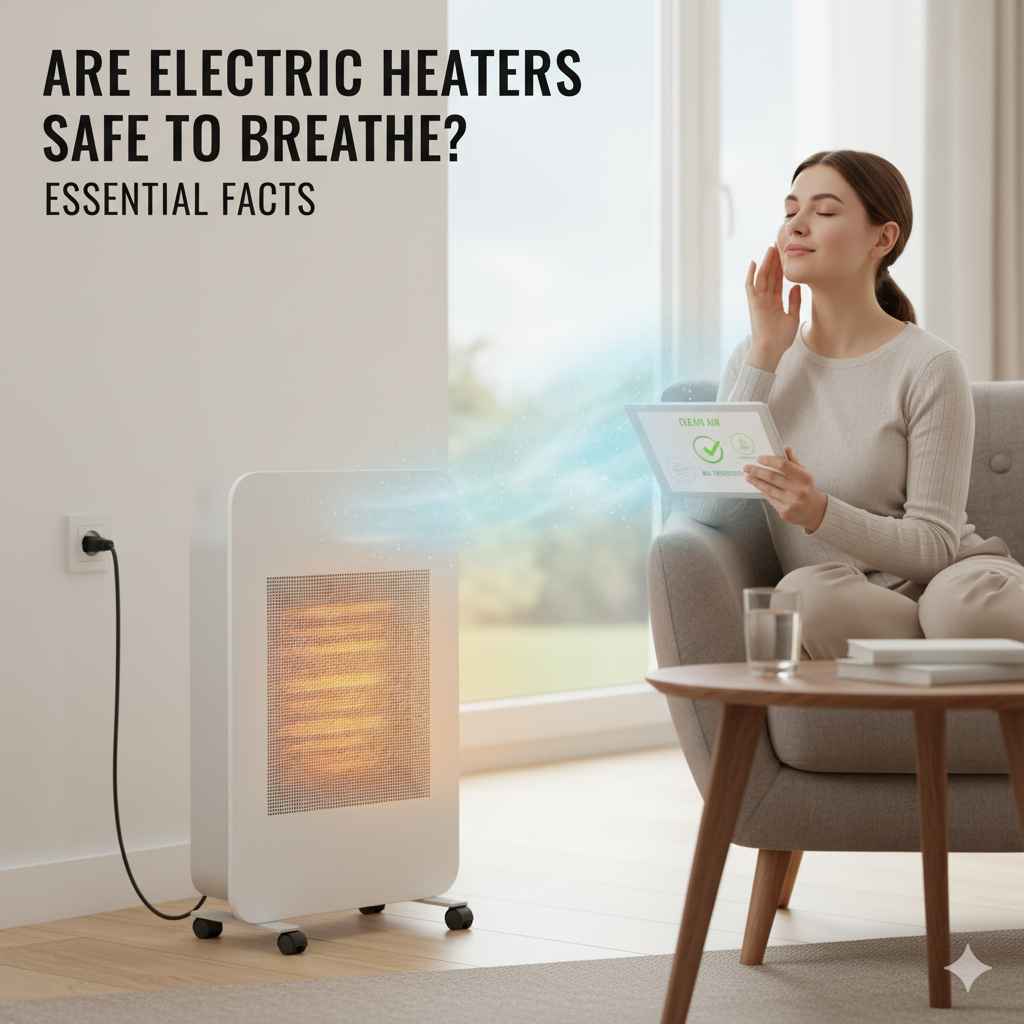
Yes, most modern electric heaters are safe to breathe with. They don’t burn fuel or release combustion byproducts like gas heaters. The main concern is dust and allergens stirred up, which can be managed with simple cleaning and proper use. Always ensure good ventilation and choose energy-efficient models for the best comfort and air quality.
Welcome! Thinking about using an electric heater to warm up your home? It’s a smart choice for many. But you might be wondering about something super important: is breathing the air around an electric heater safe? This is a common question, and it’s good that you’re asking! Many people worry about poor indoor air quality, especially when using new heating devices. Let’s clear the air and explore just how safe electric heaters are for your lungs. We’ll break down what you need to know in a simple way, so you can feel confident and cozy all winter long. Ready to learn the essential facts?
Understanding Electric Heaters and Air Quality
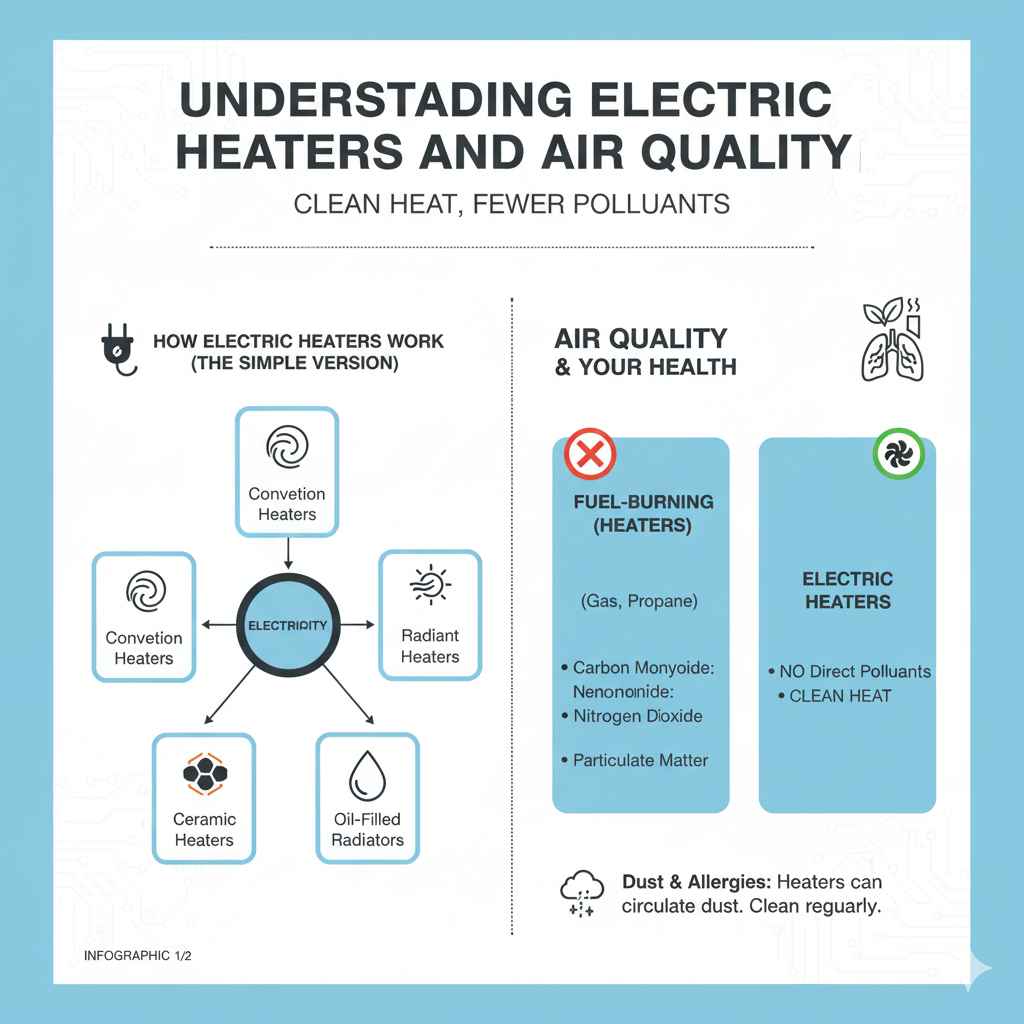
Electric heaters work by converting electricity into heat, and they do this in a few different ways depending on their design. Unlike other heating systems that involve burning fuel (like natural gas or propane), electric heaters don’t produce any combustion byproducts. This is a significant difference when it comes to air quality. When fuel burns, it can release gases like carbon monoxide, nitrogen dioxide, and fine particulate matter. These can be harmful if inhaled, especially in enclosed spaces without proper ventilation. Electric heaters bypass this entirely, meaning they don’t directly emit these dangerous pollutants into your living space.
However, “safe to breathe” can sometimes feel like a big question because there are a few minor things to consider. It’s not about the heater itself producing bad air, but rather about how the heat interacts with your environment. The primary concern usually revolves around dust and airborne particles. When an electric heater warms up, especially older models or those that haven’t been cleaned recently, they can sometimes stir up dust that has settled on or around the heating element. This dust then circulates in the air, which can be a problem for people with allergies or respiratory sensitivities. But don’t worry, these are easy issues to manage!
How Electric Heaters Work (The Simple Version)
Most electric heaters use electricity to heat a component, which then transfers that heat to the room. The main types you’ll see are:
- Convection Heaters: These heat the air in the room. They have a fan (in some models) or natural air currents to circulate warm air throughout the space.
- Radiant Heaters: These work like the sun, emitting infrared radiation that directly heats objects and people in their path.
- Ceramic Heaters: These use a ceramic element that heats up quickly and then radiates warmth. Many have fans to help distribute the heat.
- Oil-Filled Radiators: These are sealed units filled with oil that is heated by an electric element. The oil then circulates within the unit, radiating heat slowly and steadily.
The key takeaway is that none of these processes involve burning anything. They are all electrical conversions of energy into heat, making them fundamentally different from combustion-based heaters.
The Dust Factor: What You Need to Know
This is where the “breathing” question often gets a bit nuanced. Electric heaters themselves don’t create dust or pollutants. The issue arises when dust particles land on the heating elements or internal components. When the heater is turned on, the heat can cause these dust particles to burn off or become airborne.
Here’s what typically happens:
- Dust Accumulation: Over time, dust can settle on the surfaces of your electric heater, especially if it’s been stored away for the summer.
- First Use Smell/Fumes: When you first turn on a heater that has dust on it, you might notice a faint burning smell or see a bit of smoke. This is usually just the accumulated dust burning off.
- Circulation: If the heater has a fan, it can help circulate this dust around the room as it burns off.
This burning dust can temporarily affect air quality and may cause irritation for sensitive individuals. It can also produce an unpleasant odor. However, this is distinct from the dangerous gases produced by fuel-burning appliances. The “smoke” from burning dust is not the same as the invisible, odorless, and deadly carbon monoxide. For official information on indoor air quality and its impacts, the U.S. Environmental Protection Agency (EPA) offers comprehensive resources.
Preventing Dust Issues
The good news is that preventing these dust-related irritations is very straightforward:
- Regular Cleaning: Make it a habit to clean your electric heater before the heating season begins and periodically throughout. A simple wipe-down with a damp cloth (when the heater is unplugged and cool, of course!) and a vacuum cleaner with a brush attachment can make a big difference.
- Air Purifiers/Filters: Using an air purifier in the room where you use your electric heater can help capture dust and other airborne particles, improving overall air quality. Many modern furnaces and HVAC systems also have good air filters that can help manage dust throughout the house.
- Ventilation: Even with electric heaters, it’s a good idea to ensure some fresh air circulation. Opening a window for a few minutes each day can help refresh the air in your home.
- Vacuum Regularly: Keeping your home clean by vacuuming carpets and upholstery regularly also reduces the amount of dust available to be stirred up.
Safety Beyond Breathing: Other Considerations
While breathing in the air is our main focus, it’s important to remember that safety with any heating device involves more than just air quality. Electric heaters are generally considered very safe when used correctly, but there are a few other points that contribute to their overall safety profile.
Fire Safety
Fire is a concern with any heating device, but electric heaters have features designed to mitigate this risk:
- Tip-Over Protection: Most modern electric heaters automatically shut off if they are knocked over. This is a crucial safety feature that prevents them from tipping and potentially igniting nearby items.
- Overheat Protection: Many also have sensors that will shut them off if they get too hot. This could happen if the air intake or outlet becomes blocked.
- Clearance: Always keep electric heaters at a safe distance from combustible materials like curtains, furniture, bedding, and paper. The general recommendation is at least three feet (about one meter) of clear space around all sides of the heater.
- Cord Safety: Never run the power cord under rugs or carpets, as this can cause the cord to overheat or become damaged, leading to a fire hazard. Make sure the cord isn’t frayed or damaged.
For more detailed safety guidelines from a national perspective, the National Fire Protection Association (NFPA) provides excellent advice on heating equipment safety.
Moisture and Electric Heaters
Some people wonder if electric heaters can affect humidity levels. Unlike propane or natural gas heaters which can release water vapor as a byproduct of combustion, electric heaters do not add moisture to the air. In fact, dry indoor air can sometimes feel warmer, and very dry air can lead to dry skin, chapped lips, and even make respiratory issues worse. However, electric heaters themselves don’t inherently make the air drastically drier or more humid than the ambient air in your home. The perceived dryness is often a characteristic of heated air in general, especially in winter when outdoor air is cold and dry, and indoor heating systems can further reduce relative humidity.
If you find your home is too dry during the winter months, using a separate humidifier is a great solution. This is independent of the type of electric heater you use. Maintaining a healthy humidity level (typically between 30-50%) can significantly improve comfort and well-being.
Energy Efficiency and Air Quality
While not directly related to breathing safety, energy efficiency is a significant benefit of many electric heaters and can indirectly contribute to a more comfortable home environment. Newer, energy-efficient models can heat spaces effectively without consuming excessive electricity. This means less strain on your electrical system and lower utility bills. Some advanced models also feature thermostats and timers, allowing you to control heating precisely, avoiding overheating and wasted energy, which can also contribute to a more stable and comfortable indoor environment.
Comparing Electric Heaters to Other Heating Methods
To fully appreciate the safety of electric heaters regarding breathing, it’s helpful to compare them to other common heating systems:
| Heating Type | Direct Air Byproducts (Breathing Safety Concern) | Potential Air Quality Issues | General Safety Profile |
|---|---|---|---|
| Electric Heaters | None (No combustion) | Stirred-up dust, potential dust burn-off (mitigated by cleaning) | Generally high, with tip-over and overheat protection; fire risk minimal with proper use. |
| Natural Gas/Propane Heaters | Carbon Monoxide (CO), Nitrogen Dioxide (NO2), Carbon Dioxide (CO2) | Fuel leaks,incomplete combustion can release harmful gases; requires proper ventilation and CO detectors. | Moderate to high risk if not properly vented and maintained; risk of gas leaks and explosions. |
| Wood-Burning Stoves/Fireplaces | Particulate Matter (soot), Volatile Organic Compounds (VOCs), Carbon Monoxide | Significant particulate matter from smoke, which can be very harmful to respiratory health; creosote buildup in chimneys. | Moderate to high risk; requires constant attention, proper fuel, chimney maintenance; fire hazard if not monitored. |
| Kerosene Heaters | Carbon Monoxide, Sulfur Dioxide (if fuel not high-grade), VOCs | Emits pollutants directly into the room if not properly vented. Requires specific, high-grade fuel. | Moderate risk; potential for spills, strong odors, and significant indoor air pollution if not used with extreme care and ventilation. |
As you can see from the table, electric heaters stand out for not producing direct combustion byproducts. This makes them a much safer choice from an air quality perspective, especially for individuals with respiratory conditions like asthma or allergies. The primary considerations for electric heaters are related to dust management and general fire safety precautions, which are manageable with standard home maintenance and usage practices.
Ventilation and Electric Heaters: A Nuance
It’s a common misconception that because electric heaters don’t produce harmful gases, ventilation isn’t necessary. While you don’t need to ventilate to prevent the buildup of dangerous CO, maintaining some level of fresh air exchange is still important for overall indoor air quality. This helps to:
- Reduce the concentration of allergens and dust that might be stirred up.
- Prevent the buildup of humidity (though electric heaters don’t add it, household activities do).
- Keep the air feeling fresh and prevent stale odors.
A good general rule is to ensure at least a small amount of air exchange daily. This could be as simple as opening a window for 5-10 minutes, especially after cooking or showering.
Tips for Ensuring the Safest Use of Your Electric Heater
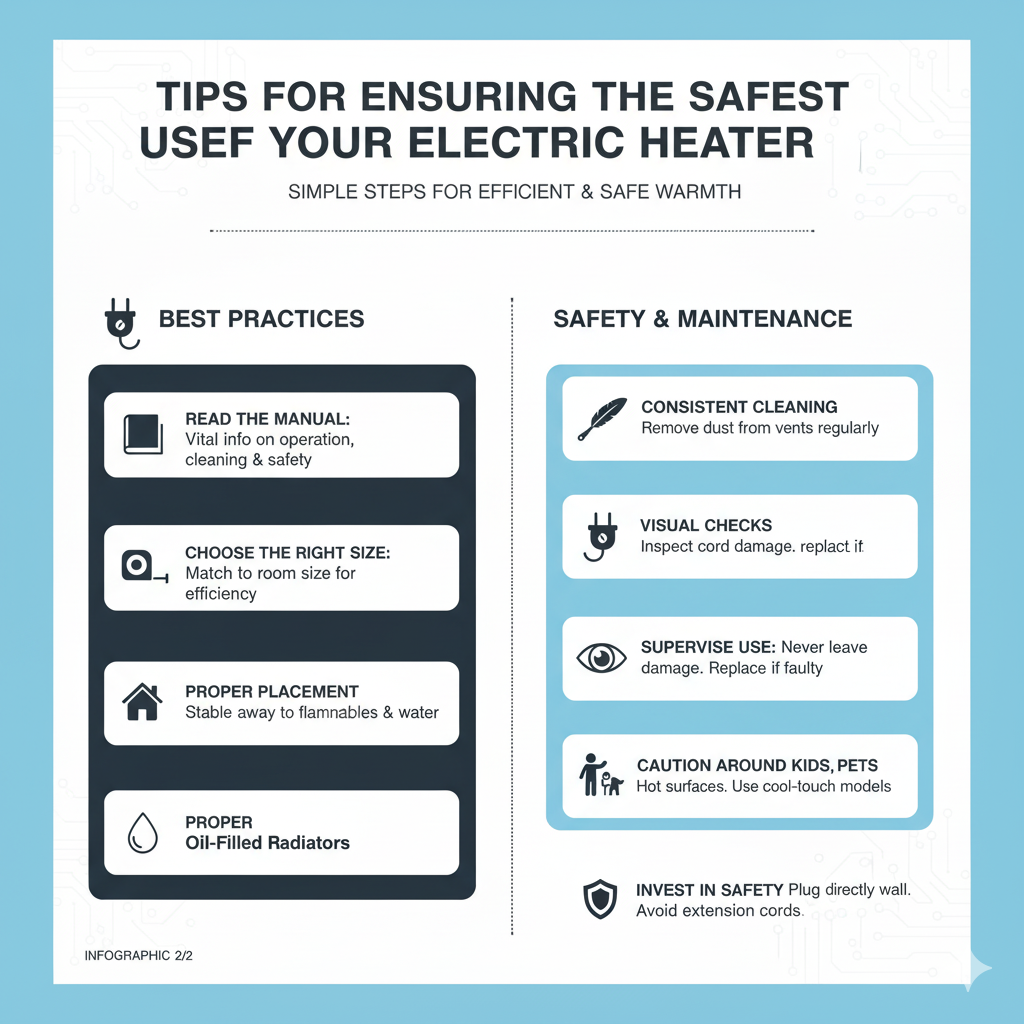
To maximize both your comfort and safety when using an electric heater, follow these simple tips:
- Read the Manual: Always start by reading the manufacturer’s instructions for your specific model. They contain vital information on operation, cleaning, and safety.
- Choose the Right Size: Ensure your heater is appropriately sized for the room you want to heat. An undersized heater will run constantly and may not heat effectively, while an oversized one can lead to rapid overheating and is less energy efficient.
- Placement is Key: Position the heater on a stable, level surface, away from flammable materials, and out of high-traffic areas where it could be easily bumped or tripped over. Never place it near water sources like sinks or bathtubs.
- Consistent Cleaning: As mentioned, regular cleaning is crucial. Before storing your heater away for the season, clean it thoroughly. Before the first use of the season, dust it off and consider running it on a low setting in a well-ventilated area for about 15-30 minutes to burn off any residual dust.
- Visual Checks: Periodically inspect the power cord and plug for any signs of damage (fraying, cracks, loose connections). If you see any damage, stop using the heater immediately and have it repaired or replaced.
- Supervise Use: Never leave a portable electric heater running unattended, especially if children or pets are present.
- Use with Caution Around Children and Pets: While electric heaters don’t emit dangerous fumes, their surfaces can become very hot. Ensure children and pets cannot touch the heating elements directly. Look for models with cool-touch exteriors or protective grilles.
- Proper Electrical Outlet: Plug the heater directly into a wall outlet. Avoid using extension cords if possible, as they can overheat. If an extension cord is absolutely necessary, ensure it is heavy-duty and rated for the heater’s wattage.
- Invest in Safety Features: When purchasing a new heater, prioritize models with built-in safety features like tip-over shut-off and overheat protection.
Frequently Asked Questions About Electric Heater Safety
Are electric heaters bad for my lungs?
No, electric heaters are generally not bad for your lungs. They do not produce combustion byproducts like carbon monoxide or nitrogen dioxide, which are harmful gases released by fuel-burning heaters. The main potential concern is dust stirred up by the heater, which can be managed with regular cleaning.
Can electric heaters cause headaches or nausea?
Electric heaters themselves shouldn’t cause headaches or nausea. These symptoms are often associated with exposure to carbon monoxide or poor indoor air quality from other sources, such as mold or VOCs. If you experience these symptoms when using a heater, ensure it’s clean, properly ventilated, and consider if other factors in your home could be contributing.
Do electric heaters dry out the air too much?
Electric heaters do not add or remove moisture from the air. They simply heat the existing air. However, heated air can feel drier. If you find the air in your home too dry during winter, a separate humidifier can help maintain optimal humidity levels (30-50%).
Is the “burning smell” from a new electric heater dangerous?
The faint burning smell from a new or newly stored electric heater is usually just dust or manufacturing residues burning off. It’s generally not dangerous, but it can be unpleasant. Running the heater in a well-ventilated area for a short period can help clear this smell. If the smell is strong or persistent, or accompanied by dark smoke, unplug the heater and consult the manufacturer.
What is the safest type of electric heater to breathe around?
All types of electric heaters (convection, radiant, ceramic, oil-filled) are safe to breathe around as they don’t produce harmful combustion gases. Your choice should be based on room size, heating needs, and features like noise level or portability. Safety mainly depends on proper usage and maintenance (like cleaning) regardless of type.
Should I use CO detectors if I only use electric heaters?
While electric heaters don’t produce carbon monoxide, it’s always recommended to have working carbon monoxide detectors in your home. CO can be produced by other appliances (like furnaces, water heaters, fireplaces) or even by attaching garages. It’s a crucial safety measure for any home.
What are the risks of dust from electric heaters if I have allergies?
If you have allergies or asthma, dust stirred up by an electric heater can trigger symptoms like sneezing, coughing, itchy eyes, or breathing difficulties. This is why regular cleaning of the heater and your home is especially important. Using an air purifier can also significantly help by capturing airborne dust particles.
Conclusion
As we’ve explored, electric heaters are a remarkably safe and effective way to warm your home. The primary reason for this is their fundamental design: they convert electricity into heat without burning fuel. This means they don’t release dangerous gases like carbon monoxide, which are the primary air quality concern with other heating methods. The main issue you might encounter is dust being stirred up or burning off a dusty element, but this is easily managed with regular cleaning and good household hygiene. By following these simple tips – keeping your heater clean, placing it safely, ensuring a bit of ventilation, and performing basic checks – you can enjoy a warm, cozy, and safe living environment all season long.
Remember, your comfort and peace of mind are paramount. With the right information and a few simple practices, you can confidently use your electric heater to create a welcoming atmosphere in your home. Stay warm, stay safe, and enjoy your comfortable space!