Cost-Efficient Wall Gas Heater vs Oil-Filled Radiator: Which Is Best for You?
I shivered in my chilly apartment one winter. I needed a heater fast. Should I get a wall gas heater or an oil-filled radiator? I learned a lot while picking one. This article compares cost-efficient wall gas heaters vs oil-filled radiators. I’ll share simple tips, costs, and my experience to help you choose. Let’s find the best way to stay warm!
What Are Wall Gas Heaters and Oil-Filled Radiators?
Wall gas heaters and oil-filled radiators warm your home. They work differently. Let’s break it down.
Wall Gas Heaters
Wall gas heaters use natural gas or propane. They’re fixed to a wall. A burner creates heat. The heat spreads to your room. They need a gas line and ventilation. This makes them great for big spaces.
Oil-Filled Radiators
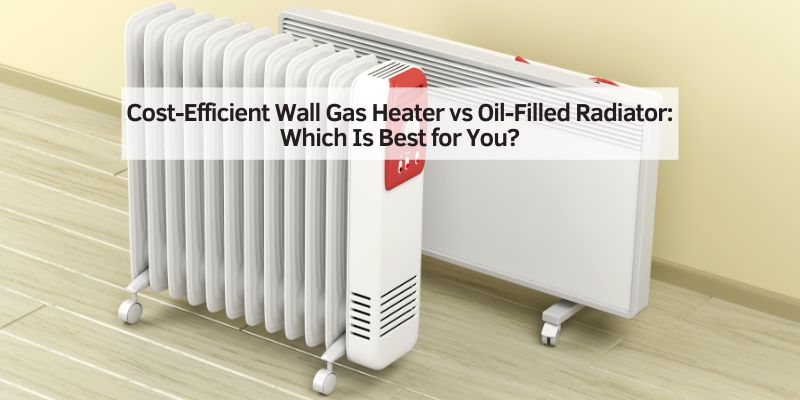
Oil-filled radiators use electricity. They’re portable. Inside, oil gets heated by an electric coil. The oil keeps the heat and spreads it slowly. They’re quiet and perfect for small rooms.
Why Compare These Heaters?
Choosing a heater can save money. Wall gas heaters and oil-filled radiators have different costs and benefits. I’ll compare them to help you decide. My goal is to keep you warm without big bills.
How Do They Work?
Let’s see how each heater warms your room.
How Wall Gas Heaters Work
Gas heaters burn fuel to make heat. A fan or natural airflow spreads it. They heat up fast. You need a gas connection and proper venting. Safety is key with gas.
How Oil-Filled Radiators Work
Oil-filled radiators heat oil inside. The oil holds heat and releases it slowly. They use electricity, so just plug them in. No fumes, no noise. They’re easy to move around.
Cost Comparison: Which Is Cheaper?
I crunched the numbers to see which heater saves more. Here’s what I found.
Initial Costs
Wall gas heaters cost $150–$1,200, plus $150–$500 for installation. Oil-filled radiators cost $50–$200. No installation is needed for most radiators. They’re cheaper to buy.
Running Costs
Gas heaters use natural gas, which is often cheaper than electricity. A 1500W oil-filled radiator costs about 15¢ per hour to run. Gas heaters might cost half that. But gas prices vary by area.
Long-Term Savings
Oil-filled radiators keep heat longer. They use less power once warm. Gas heaters heat faster but need constant fuel. For small rooms, radiators save more over time.
Table 1: Cost Comparison of Wall Gas Heaters vs Oil-Filled Radiators
| Feature | Wall Gas Heater | Oil-Filled Radiator |
|---|---|---|
| Purchase Cost | $150–$1,200 | $50–$200 |
| Installation Cost | $150–$500 | $0 (plug-in) |
| Hourly Running Cost | ~7–10¢ | ~15¢ |
| Best For | Large spaces | Small rooms |
Caption: This table shows initial and running costs for both heaters.
Benefits of Each Heater
Both heaters have great features. Here’s what I like about them.
Wall Gas Heater Benefits
- Fast Heating: They warm big rooms quickly.
- Low Running Costs: Gas is often cheaper than electricity.
- Reliable: Great for whole-home heating.
Oil-Filled Radiator Benefits
- Portable: Move them anywhere with a plug.
- Quiet: No fan noise, perfect for bedrooms.
- Energy-Efficient: They hold heat, saving power.

Drawbacks to Consider
No heater is perfect. Here are some downsides.
Wall Gas Heater Drawbacks
- Installation: Needs professional setup and venting.
- Safety Risks: Gas leaks or carbon monoxide are concerns.
- Fixed Location: You can’t move them easily.
Oil-Filled Radiator Drawbacks
- Slow Heating: Takes time to warm up.
- Electricity Costs: Higher in areas with expensive power.
- Small Spaces: Not ideal for large rooms.
Safety Tips for Both Heaters
Safety matters when heating your home. I learned this the hard way when I left a heater too close to curtains! Here are my tips:
- For Gas Heaters:
- Install a carbon monoxide detector.
- Keep flammable items away.
- Get yearly professional checks.
- For Oil-Filled Radiators:
- Plug directly into a wall outlet.
- Don’t cover the radiator.
- Check for oil leaks before use.
My Experience Choosing a Heater
Last winter, my apartment was freezing. I tried an oil-filled radiator first. It was quiet and kept my bedroom warm. But it took too long to heat my living room. So, I got a wall gas heater installed. It warmed my whole place fast. The gas bill was lower than expected. But I missed the radiator’s portability. Both have their place!
Step-by-Step Guide to Choosing Your Heater
Here’s how to pick the right heater for you.
- Measure Your Space: Small rooms (under 150 sq ft) suit radiators. Big spaces need gas heaters.
- Check Your Budget: Radiators are cheaper upfront. Gas heaters save more long-term.
- Look at Power Sources: Got a gas line? Go for gas. Only electricity? Try a radiator.
- Think About Safety: Have kids or pets? Radiators are safer.
- Plan for Installation: Gas heaters need a pro. Radiators just plug in.
Table 2: Heater Choice by Room Size
| Room Size | Best Heater | Why |
|---|---|---|
| Under 150 sq ft | Oil-Filled Radiator | Portable, quiet, efficient |
| 150–500 sq ft | Wall Gas Heater | Fast, cost-effective for bigger spaces |
| Over 500 sq ft | Gas Central Heating | Best for whole homes |
Caption: This table helps you pick a heater based on room size.
Other Heating Options
Not sure about these two? Try these alternatives:
- Electric Panel Heaters: Slim, wall-mounted, and quick to heat. Great for small spaces.
- Fan Heaters: Cheap and fast but noisy. Good for short bursts.
- Propane Heaters: Portable but need ventilation. Best for garages.
Visual Ideas for Better Understanding
Imagine these visuals to help you:
- A diagram showing a gas heater’s venting system.
- A chart comparing hourly costs of gas vs. electric heaters.
- A photo of a radiator in a cozy bedroom setup.
Note: Visuals are not included here.

My Top Tips for Saving Money
I’ve used both heaters and learned some tricks:
- Use a Thermostat: Set it to turn off when warm enough.
- Insulate Your Room: Seal windows to keep heat in.
- Heat Only Used Rooms: Don’t waste energy on empty spaces.
Table 3: Energy-Saving Tips
| Tip | How It Helps | Estimated Savings |
|---|---|---|
| Use Thermostat | Stops overheating | 10–20% on bills |
| Insulate Windows | Keeps heat inside | 5–15% on bills |
| Heat One Room | Avoids wasted energy | 15–25% on bills |
Caption: These tips can lower your heating costs.
Frequently Asked Questions
What’s Cheaper to Run: Gas or Oil-Filled Heaters?
Oil-filled radiators are cheaper for small rooms. They keep heat longer, using less power. Gas heaters cost less per hour but need constant fuel. For large spaces, gas is often cheaper. Check your local gas and electricity prices to be sure.
Are Wall Gas Heaters Safe?
Yes, if installed correctly. Use a carbon monoxide detector. Keep flammable items away. Get a professional to check it yearly. My gas heater feels safe with these steps. Always follow the manual.
Can Oil-Filled Radiators Be Left On Overnight?
Yes, they’re safe for overnight use. They have overheat protection. Don’t cover them or place them near curtains. I leave mine on low in my bedroom. It’s quiet and cozy.
Which Heater Is Best for a Small Apartment?
Oil-filled radiators are great for apartments. They’re portable and quiet. They work best in rooms under 150 square feet. I used one in my studio apartment. It was perfect
Do Gas Heaters Need Ventilation?
Yes, gas heaters need proper venting. This prevents carbon monoxide buildup. A professional must install the vent. My gas heater’s vent keeps it safe. Never skip this step.
How Long Do Oil-Filled Radiators Last?
They last about 10 years with care. Clean them regularly. Check for leaks. My radiator is five years old and still works great. Gas heaters last longer but need more maintenance.
Can I Install a Wall Gas Heater Myself?
No, always hire a professional. Gas heaters need proper gas lines and venting. A bad setup can be dangerous. I paid $200 for installation. It was worth it for safety.
Conclusion
Wall gas heaters and oil-filled radiators both keep you warm. Gas heaters are fast and cheap for big spaces. Radiators are portable and great for small rooms. Think about your room size and budget. Try one in your home! Share your heating setup with friends. Stay cozy this winter! For more tips, check Energy.gov or Consumer Reports.