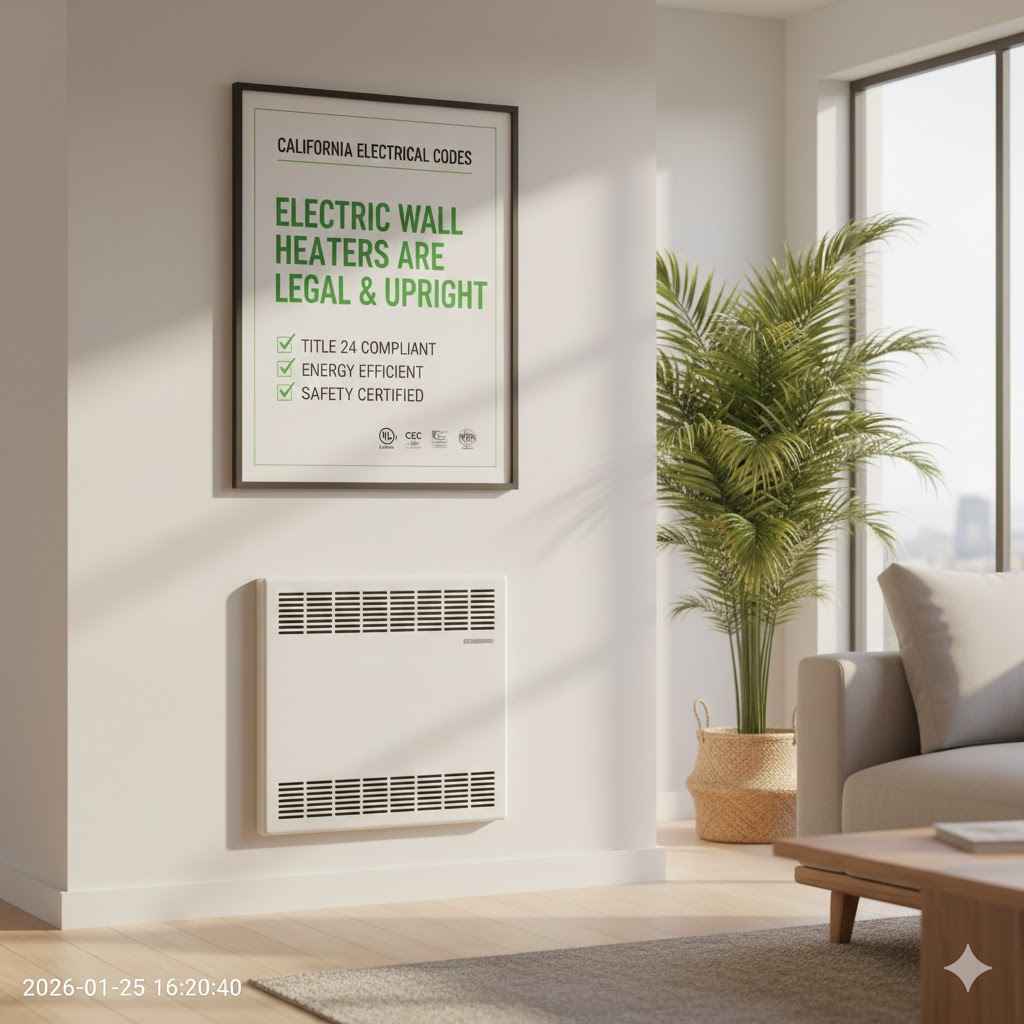
Are Electric Wall Heaters Legal in California?
Yes, electric wall heaters are generally legal in California, provided they meet specific safety, energy efficiency, and installation standards. Key requirements include UL certification for safety, adherence to California’s Title 24 building codes, and obtaining necessary permits for fixed installations to ensure electrical and structural compliance.
When it comes to keeping your home warm and cozy, understanding the rules can feel like a maze. If you’re a homeowner or renter in California considering an electric wall heater, you might be asking: “Are electric wall heaters even legal here?” It’s a common, and very smart, question! Many folks find themselves scratching their heads over California’s unique building codes and energy regulations. But don’t worry, you’re in the right place. I’m here to clear up the confusion and guide you through everything you need to know, step by step, so you can make confident, safe, and legal heating choices for your home.
Understanding the Basics: Electric Wall Heaters in California
The good news is that, yes, electric wall heaters are indeed legal to use and install in California. However, California isn’t just any state; it has some of the most comprehensive and forward-thinking building and energy codes in the nation. This means that while they’re legal, there are crucial considerations you need to be aware of to ensure your heater is safe, compliant, and won’t cause any headaches down the line. It’s all about making sure your heating solution meets the golden standards for safety and efficiency.
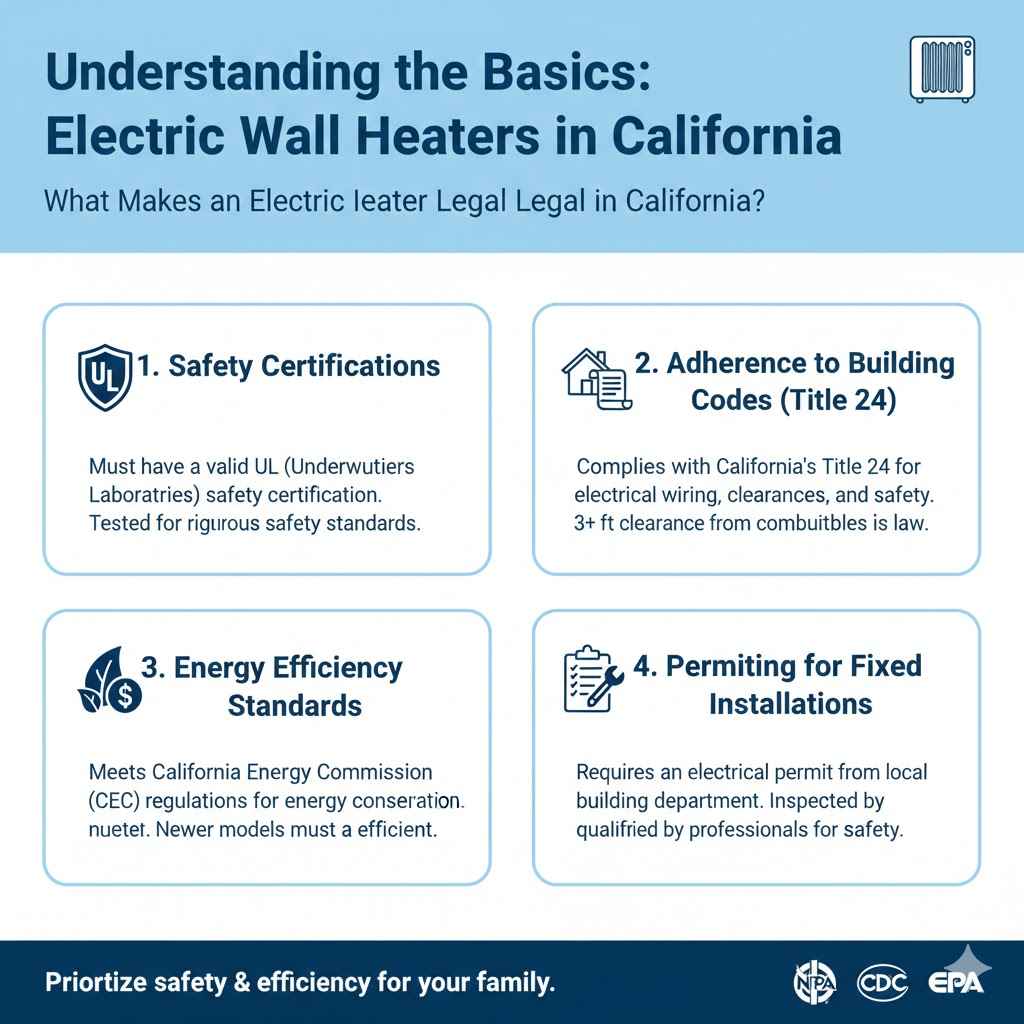
What Makes an Electric Wall Heater Legal in California?
Legality boils down to a few key areas that are non-negotiable in the Golden State. Think of these as your essential checklist:
1. Safety Certifications: This is paramount. Any electric wall heater you consider must have a proper safety certification, typically from Underwriters Laboratories (UL). This sticker means the heater has been tested against rigorous safety standards. Without it, you’re not just risking legality; you’re risking safety.
2. Adherence to Building Codes (Title 24): California’s building codes, primarily known as Title 24, are comprehensive. They cover everything from electrical wiring and clearances to energy efficiency. For electric wall heaters, this means ensuring the unit itself, and its installation, meets these specific requirements. For instance, proper clearances from combustible materials are not just recommendations; they are law. You can explore the California Building Standards Commission for more detailed information.
3. Energy Efficiency Standards: California leads the way in energy conservation. Electric wall heaters, especially newer models, must comply with the state’s energy efficiency regulations. This is where the California Energy Commission (CEC) comes into play, setting standards for appliances to ensure they don’t consume excessive energy.
4. Permitting for Fixed Installations: This is a big one. If you’re installing a fixed electric wall heater (meaning it’s permanently wired into your home’s electrical system and mounted in a wall), you will almost certainly need an electrical permit from your local building department. This permit ensures that the installation is inspected by a qualified professional and meets all safety and code requirements. This step is often overlooked but is crucial for your safety and home value.
Ignoring any of these points can lead to fines, requirements to remove the installation, or, more importantly, create significant safety hazards like fires or electrical malfunctions.
Types of Electric Wall Heaters and California Considerations
Electric wall heaters come in various types, each with slightly different characteristics that might affect how they fit into California’s regulatory landscape.
Common Electric Wall Heater Types:
Fan-Forced Heaters: These are very common. They use a fan to blow air over a heating element and out into the room. They heat up quickly and are great for zoned heating.
Convection Heaters: These warm a room by heating the air that naturally flows around a heating element. They are quieter than fan-forced models but take a bit longer to heat a space.
Radiant Heaters: These heaters use infrared technology to directly warm objects and people in a room, similar to how the sun feels. They are very efficient for targeted heating but less effective at warming an entire room’s air.
Panel Heaters: Often sleek and wall-mounted, these are usually convection heaters designed to blend into your decor.
When choosing, always verify the product’s specifications meet current CEC appliance efficiency regulations and remember that UL certification is non-negotiable for any type.
Here’s a quick comparison to help you understand the most common types and their typical considerations in California:
| Heater Type | How It Works | CA Compliance Notes | Ideal Use Case |
|---|---|---|---|
| Fan-Forced | Fan pushes air over heating elements. | Common; ensure proper electrical circuit & clearances. | Quick warmth for small to medium rooms. |
| Convection | Heats air that rises and circulates naturally. | Quieter; good for consistent, ambient heat. | Steady background heat in bedrooms, living areas. |
| Radiant | Emits infrared heat directly to objects/people. | Efficient for targeted heating; less for whole rooms. | Bathrooms (instant warmth), workshops. |
| Panel | Slim, wall-mounted convection or radiant heater. | Aesthetic appeal; check efficiency ratings carefully. | Complementary heat, design-conscious spaces. |
California Building Codes and Your Wall Heater
California’s Title 24 Building Energy Efficiency Standards are a comprehensive set of regulations aimed at reducing energy consumption in residential and non-residential buildings. When installing a fixed electric wall heater, these standards directly impact installation requirements.
Key Aspects of Title 24 Affecting Electric Wall Heaters:
Insulation Requirements: While not directly about the heater, Title 24 mandates certain insulation levels for walls, ceilings, and floors. An efficient heater in a poorly insulated home will struggle and fail to meet the spirit of Title 24.
Zoned Heating: Title 24 encourages zoned heating solutions, meaning you only heat the areas you are using. Electric wall heaters fit perfectly into this philosophy, as they are ideal for localized heating.
Mandatory Requirements: This includes proper wiring, overcurrent protection, and the use of approved, listed equipment. Any electrical work must meet the current California Electrical Code, which is based on the National Electrical Code (NEC) with California amendments.
Permit Inspection: For fixed installations, inspections ensure that the electrical work, clearances, and structural integration (if any modifications to the wall framing are made) comply with all relevant codes. This protects you, your family, and future homeowners.
Always check with your local building department or consult a licensed electrician or contractor familiar with California codes for precise requirements in your area.
Safety First: Regulations and Best Practices
Safety isn’t just a suggestion when it comes to electric heaters; it’s a strict requirement. In California, several regulations and best practices ensure your home remains safe.
Essential Safety Regulations:
1. UL Listing: As mentioned, a UL listing or similar recognized testing laboratory mark (like ETL) is a must. This signifies that the product meets recognized safety standards. Never install a heater that lacks this.
2. Proper Sizing: An undersized heater will run constantly, wasting energy and potentially wearing out prematurely. An oversized heater can cycle on and off too frequently. Proper sizing ensures efficient and safe operation. Consult a professional or use online calculators that factor in room size, insulation, and window area.
3. Clearances from Combustibles: Heaters generate heat, and nearby flammable materials (curtains, furniture, bedding) can pose a fire risk. Always follow the manufacturer’s specified clearances to combustible materials, usually found in the installation manual. These are not suggestions; they are critical safety distances.
4. Dedicated Circuits and Wiring: Many fixed electric wall heaters require a dedicated electrical circuit. This means the heater is the only appliance drawing power from that circuit, preventing overloading, tripping breakers, and fire hazards. The wiring must also be of the correct gauge for the heater’s wattage. This is why professional installation and permits are often necessary.
5. Thermostats and Overheat Protection: Most modern electric wall heaters come with built-in thermostats and overheat protection, which automatically shut off the unit if it gets too hot. Ensure these features are present and functioning.
Best Practices for Safe Operation:
Read the Manual: Always read the installation and owner’s manual thoroughly before installation or use.
Regular Cleaning: Dust can accumulate inside the heater, posing a fire risk and reducing efficiency. Clean the heater regularly, especially the air intake and output vents, following manufacturer guidelines.
Professional Installation: For fixed units, hiring a licensed electrician is highly recommended. They understand local codes, wiring, and permitting requirements, ensuring a safe and compliant installation.
Never Block Vents: Do not block the heater’s air intake or output vents with furniture, drapes, or anything else. This can cause the unit to overheat.
Children and Pets: Keep children and pets away from operating heaters, especially older models that might have exposed hot surfaces.
The Permitting Process for Fixed Electric Wall Heaters
Understanding when and how to obtain a permit for your electric wall heater is crucial for compliance in California. Skipping this step can lead to significant problems down the road.
When is a Permit Needed?
Generally, a permit is required for any fixed electric wall heater installation. This includes:
New Installations: Putting in a wall heater where there wasn’t one before.
Replacing a Different Type of Heater: Swapping out an old gas heater for an electric wall heater.
Major Electrical Modifications: If the installation requires running new electrical lines from your main panel, upgrading your electrical service, or modifying existing circuits to accommodate the heater’s load.
Structural Changes: If installing the heater requires cutting into wall studs or making other structural modifications.
Portable electric heaters, which plug into a standard outlet and can be moved from room to room, typically do not require a permit. However, even with portable heaters, you must ensure the outlet and circuit can handle the load without overloading.
Why Permits Matter:
Safety: Permits ensure that a qualified inspector checks the installation to confirm it meets current safety codes, reducing the risk of electrical fires or other hazards.
Compliance: It guarantees your home improvement adheres to local and state building codes, protecting you from potential fines.
Home Value and Insurance: Unauthorized electrical work can void your home insurance policy or create issues when selling your home. A permitted, inspected installation adds value and peace of mind.
Expert Oversight: The permitting process often requires work by licensed professionals who know the codes inside and out.
How to Get a Permit:
1. Contact Your Local Building Department: This is usually part of your city or county government. You can find their contact information on your city’s official website.
2. Application: You’ll need to fill out an application form, providing details about the project, the heater model, and often a diagram or plan of the proposed installation.
3. Submit Plans/Specifications: You might need to provide specifications for the electric wall heater and how it will be installed.
4. Pay Fees: Permit fees vary by locality and project scope.
5. Schedule Inspections: Once the work (or phases of it) is complete, you or your contractor will need to schedule an inspection with the building department. The inspector will verify that the installation complies with all relevant codes. Do not conceal any electrical work before it has been inspected.
6. Final Approval: After passing all necessary inspections, the permit will be closed and approved.
While the process might seem like an extra step, it’s a critical one for your safety and investment.
Renting in California: Can You Install an Electric Wall Heater?
If you’re a renter in California, the rules for installing any heating appliance, including electric wall heaters, are a bit different. Your ability to install one largely depends on your lease agreement and your landlord’s approval.
Key Considerations for Renters:
Lease Agreement Review: First, meticulously review your lease agreement. Most leases have clauses about modifications to the property, including electrical installations.
Landlord Permission is Crucial: Even if your lease doesn’t explicitly forbid it, you absolutely must get written permission from your landlord before installing a fixed electric wall heater. Unauthorized modifications could lead to eviction or responsibility for damages.
Portable vs. Fixed:
Portable Electric Heaters: These are generally allowed as long as they are used safely and don’t overload the electrical system. They plug into existing outlets and require no permanent installation. They must, of course, be UL-listed.
Fixed Electric Wall Heaters: Installing a permanent unit involves electrical work and modifications to the property, which almost always requires a permit and professional installation. Your landlord might be hesitant to allow this due to the complexity, cost, and liability. If they do agree, expect them to require licensed professionals and adherence to all permitting processes.
Who Pays? If your landlord agrees to a fixed installation, clarify in writing who is responsible for the cost of the heater, installation, permits, and any future maintenance.
My advice for renters: stick to portable, UL-listed electric heaters unless you have explicit, written consent and a clear agreement with your landlord for a fixed installation. Safety and communication are key!
Environmental and Energy Considerations in California
California’s commitment to energy efficiency extends to all heating solutions. Electric wall heaters, while convenient, have energy implications.
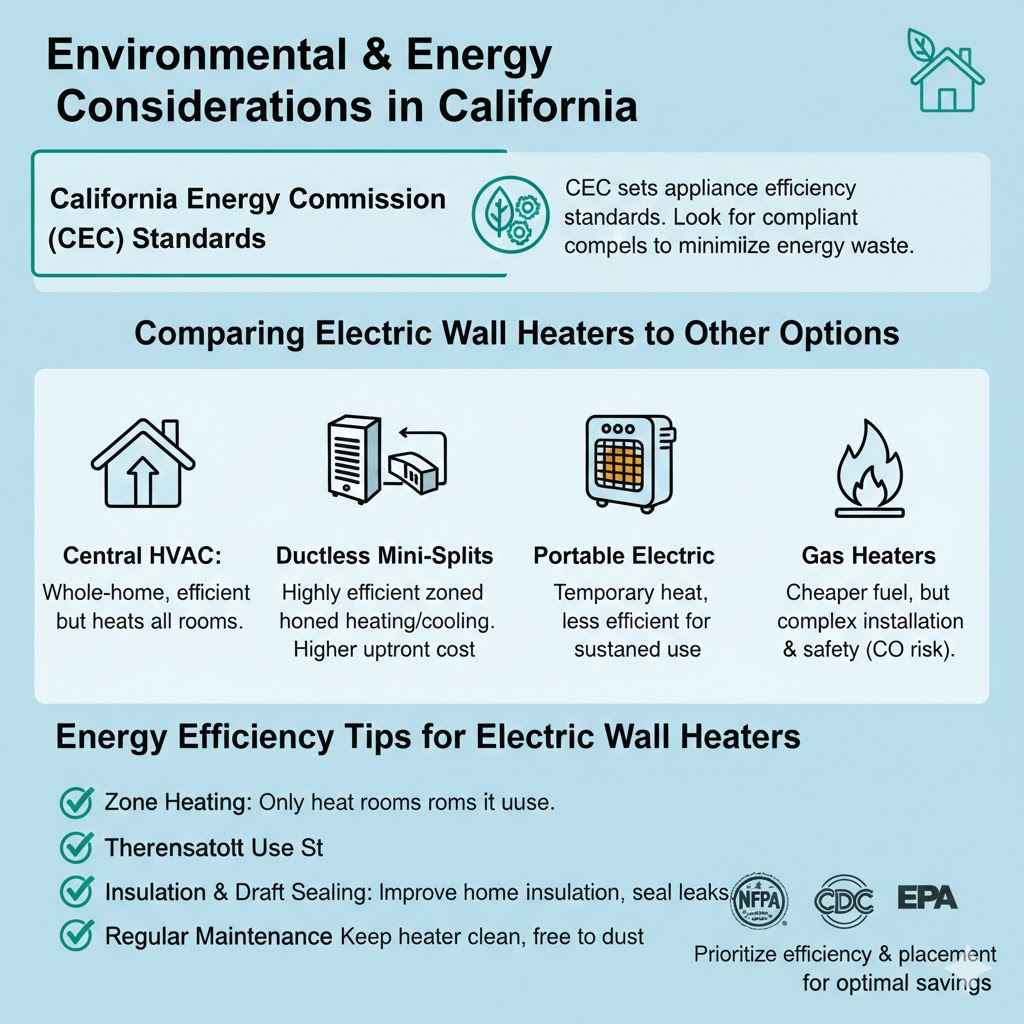
California Energy Commission (CEC) Standards:
The CEC is at the forefront of setting appliance efficiency standards. They regularly update requirements for all types of heating equipment to ensure new products on the market are energy-efficient. When purchasing a new electric wall heater, always look for models that comply with current CEC standards. This ensures you’re getting a unit that minimizes energy waste.
Comparing Electric Wall Heaters to Other Options:
Central HVAC: Whole-home central heating systems can be efficient, especially with modern heat pumps. However, they heat the entire house, even unoccupied rooms.
Ductless Mini-Splits: These are increasingly popular in California. They offer highly efficient zoned heating (and cooling) and can be a great alternative to electric wall heaters, often exceeding their efficiency. They do, however, involve a more complex installation and higher upfront cost.
Portable Electric Heaters: Good for temporary, localized heat but generally less efficient for sustained use than properly sized fixed wall heaters.
Gas Heaters: While often cheaper to operate in terms of fuel cost, gas heaters come with their own set of installation, ventilation, and safety considerations (like carbon monoxide detection) that electric heaters avoid.
Energy Efficiency Tips for Electric Wall Heaters:
Even with compliant heaters, how you use them significantly impacts your energy bill:
Zone Heating: Only heat the rooms you are using. Turn off heaters in unoccupied areas.
Thermostat Use: Set your thermostat to a comfortable but not excessively high temperature. Lowering it by even a few degrees can save energy. Programmable thermostats are excellent for this, automatically adjusting temperatures based on your schedule.
Insulation and Draft Sealing: The best heater won’t be efficient in a leaky, poorly insulated home. Improve your home’s insulation, seal drafts around windows and doors, and use weatherstripping to maximize your heater’s effectiveness and reduce energy waste.
* Regular Maintenance: Keep the heater clean and free of dust. A dirty heater works harder and consumes more energy.
Frequently Asked Questions About Electric Wall Heaters in California
Here are some common questions beginners ask about electric wall heaters in California:
Q1: Do I need a permit to replace an old electric wall heater with a new one?
Yes, if the replacement involves significant electrical work, changing the wattage or amperage, or if the original installation was unpermitted, you should likely obtain a new permit. Always check with your local building department.
Q2: Are all electric wall heaters energy-efficient in California?
No, not all are equally energy-efficient. While newer models generally meet California Energy Commission (CEC) standards, older models or basic units might consume more energy. Look for models with higher efficiency ratings and use them wisely with proper insulation.
Q3: Can I install an electric wall heater myself to save money?
For fixed electric wall heaters, professional installation by a licensed electrician is highly recommended due to complex electrical wiring, safety codes, and permitting requirements. DIY electrical work can be dangerous and may not pass inspection.
Q4: What’s the main difference between a portable electric heater and a fixed electric wall heater regarding legality in California?
Portable heaters typically do not require permits as they plug into existing outlets. Fixed wall heaters are permanently wired into your home’s electrical system and almost always require permits, inspections, and professional installation to comply with building codes.
Q5: Where can I find California’s building codes for heating appliances?
You can find California’s building codes, including Title 24, on the California Building Standards Commission website. Your local city or county building department can also provide specific local amendments and guidance.
Q6: Will using an electric wall heater significantly increase my electricity bill in California?
Electric heaters can be energy-intensive. How much your bill increases depends on the heater’s wattage, how often and long it’s used, your electricity rates, and your home’s insulation. Proper sizing, zoned heating, and good insulation can help manage costs.
Q7: Do I need special wiring for an electric wall heater?
Most fixed electric wall heaters require a dedicated circuit with specific voltage and amperage (e.g., 240V or a dedicated 120V circuit with appropriate amperage). This means new wiring might need to be run from your electrical panel, a job best left to a licensed electrician.
Conclusion
Navigating the rules for electric wall heaters in California might seem like a lot to take in, but with the right information, it’s completely manageable. The key takeaway is this: electric wall heaters are indeed legal in California, but their legality hinges on adherence to crucial safety, energy efficiency, and installation standards. Always prioritize units with UL certification, ensure your installation (especially for fixed units) complies with California’s Title 24 building and electrical codes, and never skip the permitting process for permanent fixtures.
Remember, whether you’re warming a small bedroom or supplementing your main heating system, your comfort should never come at the expense of safety or compliance. By choosing the right heater, ensuring proper professional installation where needed, and following these guidelines, you can confidently enjoy a cozy, warm home without any worries. Stay warm, stay safe, and make informed choices for your California home heating needs!