Are Convection Wall Heaters Energy Efficient?
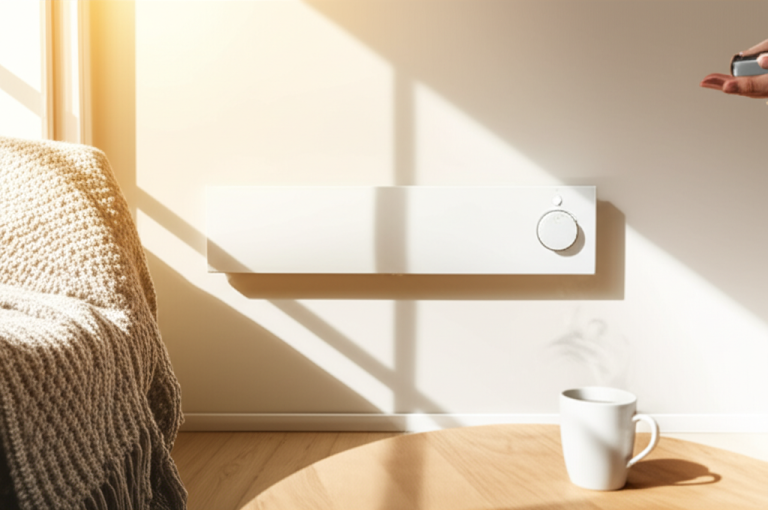
Yes, modern convection wall heaters can be very energy efficient, especially when compared to older heating methods. Their ability to heat a room evenly and their often-built-in features like thermostats and timers contribute to significant energy savings. However, the actual efficiency depends on the specific model, installation, and how you use it. We’re diving into what makes them efficient and what the real-world results look like.
If running cost or sizing is part of the decision, Is Dreo a Good Heater Brand for Efficient Home Heating? explains the numbers from a related angle.
If running cost or sizing is part of the decision, are there energy efficient wall heaters explains the numbers from a related angle.
Feeling that chill creeping in and wondering about the best way to keep your home toasty without a sky-high energy bill? You’re not alone! Many homeowners ask, “Are convection wall heaters energy efficient?” It’s a great question, and the answer can make a big difference in your comfort and your wallet. We’ll break down exactly how these heaters work with your home, explore the science behind their energy use, and share some insights into how to get the most out of them. No confusing jargon, just simple, practical advice to help you make informed choices and enjoy a warm, cozy home.
Understanding How Convection Wall Heaters Work
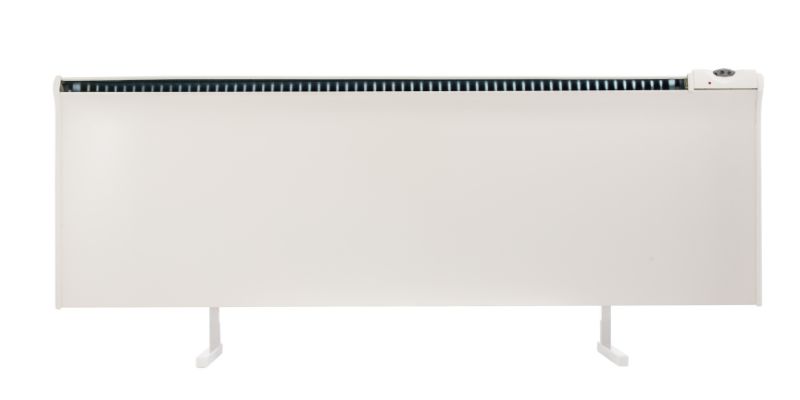
Before we talk about efficiency, let’s get a clear picture of how these heaters do their job. Convection heaters are designed to warm the air in your room. They don’t just blast hot air like some other heaters. Instead, they create a natural cycle of air movement that heats your entire space evenly.
The Convection Cycle: Warm Air Rises, Cool Air Falls
Here’s the magic behind convection:
- Heating the Air: When you turn on a convection wall heater, it draws in cooler air from the room through a vent, usually at the bottom.
- Warming It Up: Inside the heater, the air passes over a heating element. This element safely warms the air without drying it out or making it uncomfortable.
- Rising Warm Air: Once heated, the air becomes less dense and naturally rises. It then flows out from the top of the heater.
- Cool Air Returns: As the warm air rises and circulates, it pushes cooler air down towards the floor and back towards the heater.
- Continuous Cycle: This creates a continuous loop, a gentle convection current, that gradually warms the entire room.
This process is quite different from radiant heaters, which directly warm objects and people, or fan heaters, which forcefully blow hot air. Convection heating is a more subtle, but very effective, way to achieve consistent room temperature.
Key Components of a Convection Heater
Most convection wall heaters share a few key parts:
- Heating Element: The core component that generates heat. Modern ones are designed for quick, efficient heating.
- Air Vents: Openings that allow cool room air to enter and warm air to exit.
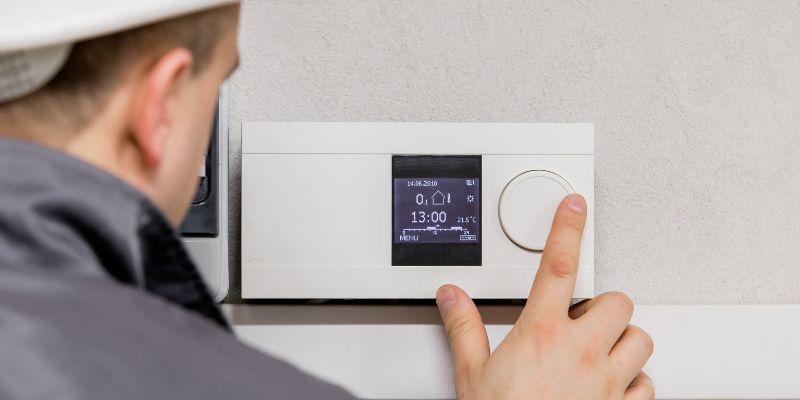
- Thermostat: A crucial part for efficiency! It senses the room temperature and turns the heater on or off as needed to maintain your set temperature.
- Controls: These can range from simple dials to digital interfaces with programming options.
What Makes Convection Wall Heaters Energy Efficient?
Now, let’s get to the heart of the matter: why are these heaters often considered good for your energy bill? It boils down to how they distribute heat and the smart features they often come with.
Even Heat Distribution
One of the biggest advantages of convection is how it heats a space. Unlike spot heaters that create hot and cold zones, convection aims for a uniform temperature throughout the room. This means:
- You’re less likely to have drafts or cold spots.
- The thermostat can accurately read the room temperature, preventing the heater from running unnecessarily.
- The gentle heating process can feel more comfortable, so you might not feel the need to turn up the heat higher than necessary.
Built-in Thermostats and Programming
This is where modern convection heaters really shine in terms of efficiency. Most units come with integrated thermostats. When the heater reaches your desired temperature, the thermostat signals it to switch off, saving energy. It then turns back on when the temperature drops a bit.
Even more advanced models offer programming features. You can set schedules for when the heater should be on, at what temperature, and when it should be off or on a lower setting. This is incredibly useful for:
- Waking Up: Program it to start warming your bedroom before you do.
- Coming Home: Schedule it to warm your living area for your arrival after work.
- Nighttime: Lower the temperature overnight while you’re sleeping and tucked under blankets.
- When Away: Set it to a very low, anti-freeze setting when your home is empty, only turning up when you’re expected back.
By intelligently managing heating periods, you avoid wasting energy by heating an empty room or heating excessively. For advanced home energy management, consider exploring resources like the Department of Energy’s tips on improving home heating efficiency, available through their Energy Saver website.
Fast Heating Capability
Modern convection elements can heat up quickly. This means the heater doesn’t need to stay on for excessive amounts of time to start warming the room. The quicker it can raise the air temperature to your set point, the less energy it consumes overall during that heating cycle.
Tested Results: How Do They Measure Up?
To really understand the energy efficiency of convection wall heaters, looking at comparative tests and real-world performance is key. While exact numbers can vary based on the specific heater model, room size, insulation, and outside temperature, studies and performance reports offer valuable insights.
Energy Consumption Benchmarks
In controlled environments, studies often compare the energy consumed by different types of heaters to reach and maintain a specific temperature in a test room. Convection heaters, with their even heating and thermostat control, often perform very well in maintaining a set temperature with less energy fluctuation compared to simpler resistance heaters without such controls.
Consider this simplified comparison, which highlights how a smart thermostat impacts energy use:
| Heater Type | Heating Method | Typical Thermostat Type | Energy Efficiency Score (Example) | Notes |
|---|---|---|---|---|
| Convection Wall Heater | Air Circulation (Convection) | Digital / Programmable | 85%-95% | Heats space evenly; smart controls minimize waste. |
| Old Portable Electric Heater | Radiant/Fan | Manual Dial / None | 70%-80% | Can create hot/cold spots; prone to continuous running. |
| Central Furnace (Gas/Electric) | Forced Air | Central Thermostat | 75%-90% (system losses) | Efficient for whole-house but can have duct losses. |
Energy Efficiency Score is an illustrative concept representing the percentage of energy converted to useful heat delivered to the living space, not a formal industry standard for all heaters.
The “85%-95%” for convection heaters reflects their ability to convert electricity into heat directly at the unit, with minimal loss, and critically, their ability to precisely control that heat output via thermostats and programming to only provide what’s needed.
Impact of User Behavior
The most efficient heater is still inefficient if used incorrectly. For convection wall heaters:
- Consistent Use of Thermostat: Always set your desired temperature. Avoid setting it higher than needed, thinking it will heat up faster—it won’t, but it will consume more energy.
- Utilize Programming: If your heater has a programmable thermostat, use it! Scheduling your heating significantly boosts efficiency.
- Room Size: Ensure the heater is appropriately sized for the room. An undersized heater will run constantly, while an oversized one might cycle on and off too frequently, which can be less efficient.
Comparison to Other Heating Methods
Compared to older, less sophisticated electric heaters (like basic portable models without thermostats), modern convection wall heaters are generally more energy-efficient due to their advanced controls and design for even heating. When compared to central heating systems, their efficiency depends on the specifics. For heating a single room or zone that isn’t part of a larger house needing full central heating, a convection wall heater can indeed be more energy-efficient because you’re not expending energy to heat unoccupied spaces or deal with duct losses.
For information on assessing your home’s heating system efficiency, check out Energy Star’s resources, which offer guidance on choosing and using efficient heating equipment: Energy Star Heating and Cooling.
Maximizing the Energy Efficiency of Your Convection Wall Heater
So, how can you ensure your convection wall heater is running at its peak efficiency? It’s all about smart usage and a little bit of home maintenance.
Installation is Key
While often wall-mounted and seemingly straightforward, proper installation makes a difference:
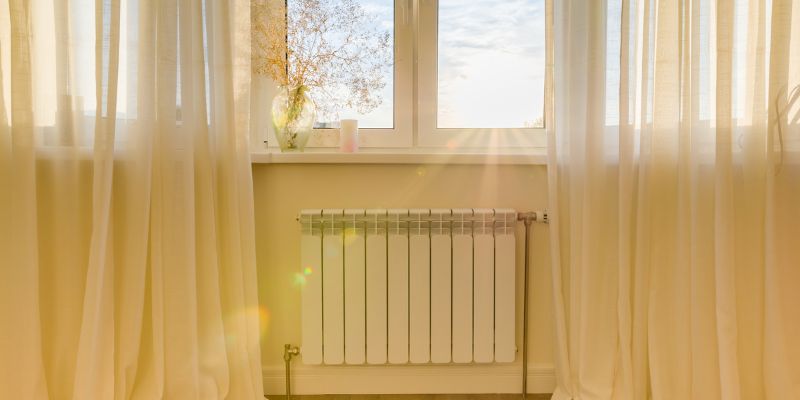
- Location: Install the heater in a location where it can freely circulate air. Avoid placing furniture, curtains, or anything else that might block the air vents. The ideal placement allows cool air to enter and warm air to exit unimpeded.
- Accessibility: Ensure the thermostat is not impacted by direct sunlight, drafts from windows, or heat from other nearby sources (like lamps or electronics), as this can give it false readings and lead to inefficient operation.
- Professional Advice: If you’re unsure about placement or electrical connections, consult a qualified electrician. Improper installation can lead to safety issues and reduced efficiency. For electrical safety standards, you can refer to guidelines from organizations like the National Fire Protection Association (NFPA).
Smart Usage Habits
Your daily habits have a major impact:
- Thermostat Settings: As mentioned, don’t set it any higher than you need. A few degrees can make a noticeable difference in energy consumption.
- Programmable Schedules: If available, use the timer and programming features religiously. This is one of the most powerful tools for energy savings.
- Zoning: Use convection wall heaters as zone heaters. Heat only the rooms you are actively using, rather than heating the entire house if you only need one room warm.
- Complementary Heating: Use them to supplement your central heating. If your central system doesn’t quite reach the comfort level in your favorite room, a well-placed convection heater can top it up efficiently without overworking the main system.
Simple Maintenance for Peak Performance
Keeping your heater in good shape ensures it runs efficiently and safely:
- Dusting: Regularly dust or vacuum the exterior vents to prevent dust buildup from restricting airflow.
- Cleaning: Periodically (as per manufacturer instructions), you might need to clean the interior components, especially around the heating element and fan (if applicable), to ensure they are free from dust and debris that can impede heat transfer. Always unplug the heater and let it cool completely before cleaning.
- Check Airflow: Ensure air can freely enter and exit the unit. Listen for any unusual noises that might indicate a blockage or mechanical issue.
By following these tips, you can make sure your convection wall heater is as energy-efficient as possible, keeping you comfortable and your energy bills in check.
When Are Convection Wall Heaters the Best Choice for Energy Efficiency?
Convection wall heaters aren’t always the most efficient option for every single situation, but they excel in specific scenarios. Understanding these can help you make smarter heating choices.
Ideal Scenarios for High Efficiency
- Supplemental Heating: If your main heating system is adequate for most of the house but leaves one or two rooms feeling a bit chilly, a convection wall heater is an excellent choice for targeted, efficient warmth. You only heat the space you need, when you need it.
- Zoned Heating: For larger homes or homes with varying occupancy, using convection wall heaters for specific zones that are frequently used can be much more efficient than running a large central system to heat unused areas.
- Newer Installations: Modern convection heaters with digital thermostats and programmable timers offer the best efficiency. Older models may lack these crucial energy-saving features.
- Well-Insulated Rooms: Convection heaters work best in rooms that are reasonably well-insulated. If a room is poorly insulated, any heater will struggle to maintain temperature, leading to inefficient operation.
- When Whole-House Heating Isn’t Needed: For guest rooms, attics converted into offices, or basement bonus rooms that aren’t used consistently, a portable or wall-mounted convection heater provides on-demand heat without the energy waste of a central system.
When to Consider Alternatives
While efficient, they might not be the most efficient for every need:
- Heating an Entire Home: For comprehensively heating a whole house, a well-maintained central heating system (like a high-efficiency furnace or heat pump) is usually more efficient overall due to economies of scale.
- Extremely Poorly Insulated Spaces: If a room is essentially a drafty shell, even the most efficient heater will struggle. Improving insulation may be a better primary step.
- Very Large Spaces: While they work, very large open-plan areas might require multiple units or a more powerful heating solution to maintain consistent temperatures efficiently.
The key is matching the heater type and setup to your specific home and usage patterns.
Pros and Cons of Convection Wall Heaters for Energy Efficiency
To give you a balanced view, here’s a look at the advantages and disadvantages concerning their energy efficiency.
Pros for Energy Efficiency:
- Even Heat Distribution: Minimizes hot/cold spots, allowing thermostats to work accurately and prevent over-heating.
- Precise Thermostats: Modern units maintain set temperatures efficiently, reducing wasted energy.
- Programmable Timers: Allow for scheduled heating, saving energy by not heating unused spaces or times.
- Zone Heating Capabilities: Ideal for heating specific rooms, avoiding the energy cost of whole-house systems when unnecessary.
- Quick Heat-Up: Many models heat up fast, meaning they don’t need to run for extended periods to be effective.
- Quiet Operation: Generally quieter than fan-forced heaters, leading to less noticeable usage and potentially more consistent thermostat use.
Cons for Energy Efficiency:
- Electric Heat Source: Electricity can be a more expensive energy source per unit of heat compared to natural gas in some regions.
- Potential for Misuse: If programmed incorrectly or used to heat unoccupied rooms, their efficiency benefits are lost.
- Room Size Limitations: Must be appropriately sized for the room; undersized units run constantly, but oversized units may cycle inefficiently.
- Dependence on Insulation: Performance is significantly reduced in poorly insulated spaces, leading to wasted energy.
- Installation Costs: While some are plug-in, many are hardwired, adding an installation cost that needs to be factored in for overall cost-effectiveness.
Frequently Asked Questions about Convection Wall Heater Efficiency
Let’s tackle some common questions you might have.
Will a convection wall heater use a lot of electricity?
Modern convection wall heaters are designed to be energy efficient, using electricity primarily to heat the air. Their efficiency in terms of electricity consumption largely depends on their thermostat controls and how you use them. When used with a programmable thermostat and only in occupied rooms, they can be quite economical. They convert nearly all the electricity they consume directly into heat, making them 100% efficient in that regard, but their overall system* efficiency (how much heat reaches you versus wasted energy) is impacted by factors like insulation and usage. For context on electrical usage, you can look up your local utility provider’s rate information.
Are convection heaters better than radiant heaters for energy savings?
It depends on the scenario. Convection heaters warm the air in a room evenly and are great for maintaining a consistent, comfortable ambient temperature. Radiant heaters, on the other hand, warm objects and people directly, which can feel warmer faster and be more efficient in spaces with high ceilings or drafts, as they don’t rely on air circulation. For steady, uniform room heating, convection often has an edge in efficiency, especially with modern controls. For quick, targeted warmth in a drafty space, radiant might be preferred.
How does an electric convection heater compare to a gas furnace for efficiency?
When comparing the efficiency of producing heat, electric resistance heaters (which convection heaters use) are technically 100% efficient because nearly all the electricity is converted into heat. However, the cost of that heat depends heavily on local electricity vs. gas prices. Gas furnaces have efficiency ratings (like AFUE – Annual Fuel Utilization Efficiency) which indicate how much of the gas they burn is converted to useful heat, typically ranging from