Are Ceramic Wall Heaters Safe for Bathrooms?
Yes, with proper use and installation, ceramic wall heaters are generally very safe, offering reliable and efficient heating for your home due to advanced safety features and design.
Is your home feeling a bit too chilly, and you’re looking for a safe and efficient way to warm it up? Many homeowners wonder about the safety of different heating options, especially for spaces like bathrooms or basements. Ceramic wall heaters are a popular choice because they heat up quickly and provide gentle warmth. But, like any appliance, it’s natural to ask: “Are ceramic wall heaters safe?” You might be concerned about fire hazards or overheating. Don’t worry, because understanding how they work and a few simple safety tips can give you complete peace of mind.
This guide is here to help! We’ll break down everything you need to know in a simple, step-by-step way. You’ll learn about the safety features built into ceramic wall heaters, how to ensure they are installed correctly, and tips for using them worry-free. Let’s make your home cozy and safe together!
Understanding Ceramic Wall Heaters: What Makes Them Work?
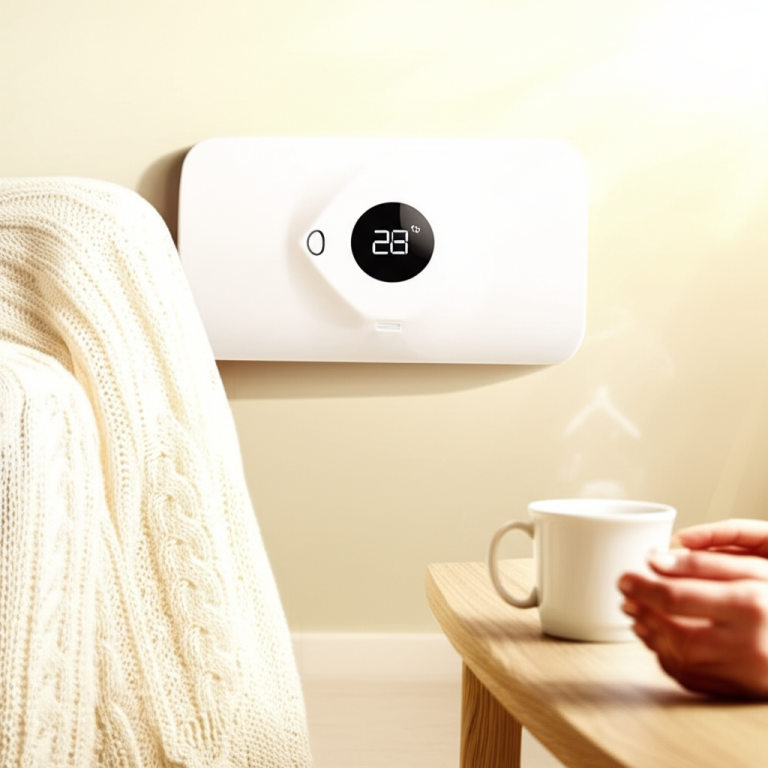
Ceramic wall heaters are a smart heating solution, often chosen for their effectiveness and portability. At their heart, these heaters use a ceramic element that heats up when electricity passes through it. A fan then blows air over this warm ceramic, distributing the heat into your room.
Why ceramic, you ask? Ceramic materials are excellent at absorbing and retaining heat. This means they heat up quickly and can continue radiating warmth even after they’re turned off. This characteristic is what gives them their efficient heating power.
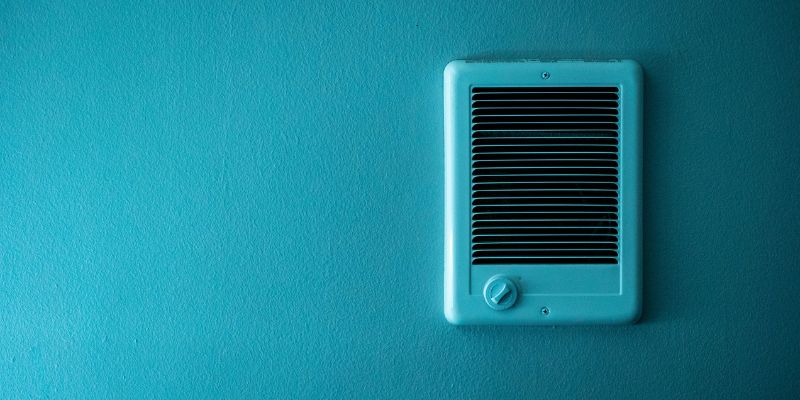
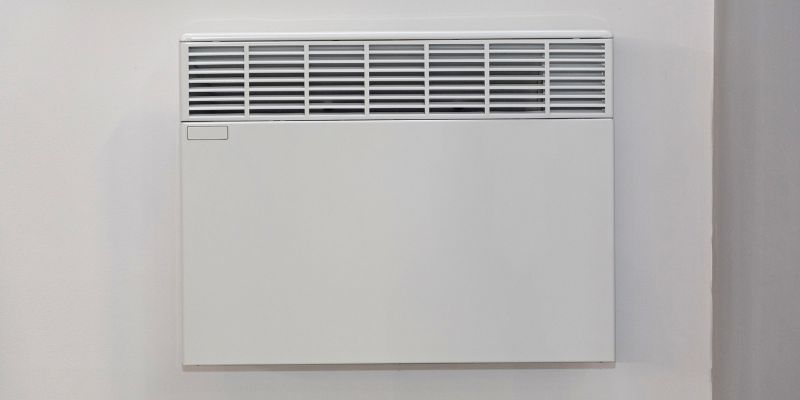
When installed on a wall, they offer a compact and space-saving way to add heat to a room, making them ideal for areas where floor space is limited. They come in various designs, from those that sit flush with the wall to models that offer more adjustability.
Are Ceramic Wall Heaters Safe? Proven Safety Features
One of the most common questions homeowners have is about safety. This is a great question to ask when bringing any new appliance into your home, especially one dealing with heat. Thankfully, modern ceramic wall heaters are designed with safety as a top priority, incorporating several features to prevent accidents.
Overheat Protection
Most ceramic wall heaters come equipped with an automatic shut-off mechanism designed to prevent overheating. If the heater’s internal temperature exceeds a safe limit, this feature will turn the unit off to prevent damage to the heater itself or a fire hazard. This is usually controlled by a thermostat or a thermal fuse.
Tip-Over Protection (for portable models)
While many ceramic heaters are wall-mounted, some are portable and designed to be placed on a surface. If you opt for a portable ceramic heater, look for models that include tip-over protection. This safety feature automatically shuts down the heater if it is accidentally knocked over, reducing the risk of fire.
Cool-Touch Exterior
Many ceramic heaters are designed with a cool-touch exterior. This means that while the inside of the heater gets hot, the outer casing remains cool enough to touch (though caution is always advised). This is particularly important in homes with children or pets, minimizing the risk of burns.
Ceramic heating elements themselves are also generally safer than exposed heating coils, as the ceramic casing contains the heat effectively.
Flame Resistance
The materials used in the construction of ceramic wall heaters are typically flame-resistant. This is crucial to prevent any potential internal malfunction from spreading or causing a wider fire. Reputable manufacturers adhere to safety standards that mandate the use of such materials.
Installation for Maximum Safety: A Beginner’s Guide
Proper installation is crucial for ensuring any heating appliance operates safely and efficiently. For ceramic wall heaters, following the manufacturer’s instructions is your best bet. Here’s a breakdown of what you need to know:
Choosing the Right Location
- Clearances: Always ensure there are adequate clearances around the heater. Check the owner’s manual for specific recommendations, but generally, keep it several inches away from walls, furniture, curtains, and any combustible materials. The National Fire Protection Association (NFPA) recommends keeping anything flammable at least 3 feet away from portable and stationary space heaters.
- Electrical Outlet: The heater should be plugged directly into a properly grounded outlet. Avoid using extension cords, as they can overheat and pose a fire risk, especially with high-wattage appliances like heaters.
- Ventilation: While ceramic heaters don’t produce fumes, ensuring good air circulation around the unit helps it operate efficiently and safely.
- Avoid Damp Areas (unless specifically designed): Unless your ceramic wall heater is explicitly rated for bathroom use or damp environments, it’s best to avoid installing it in areas with high humidity or near water sources like bathtubs or showers.
Mounting Your Ceramic Wall Heater
If your heater is designed for wall mounting, it will typically come with a mounting bracket and screws. The process usually involves:
- Locate Studs: Use a stud finder to locate wall studs. Mounting the heater directly into studs provides the most secure installation.
- Mark Mounting Points: Hold the mounting bracket against the wall at your desired height and mark the screw hole positions, ensuring it’s level.
- Drill Pilot Holes: Drill pilot holes at your marked positions.
- Secure the Bracket: Screw the mounting bracket firmly into the wall studs.
- Hang the Heater: Carefully hang the heater onto the secured bracket according to the manufacturer’s instructions, ensuring it is properly seated.
When in doubt, especially with electrical connections, it’s always a good idea to consult a qualified electrician. Safety first!
Safe Usage Tips for Your Ceramic Wall Heater
Once your ceramic wall heater is safely installed, using it correctly is just as important. These tips will help you enjoy the warmth without any worries:
- Read the Manual: This cannot be stressed enough! Every heater is slightly different. Your owner’s manual will have specific safety instructions for your model.
- Never Cover the Heater: Avoid placing clothes, blankets, or any other items on or near the heater. This can block airflow, cause overheating, and create a fire hazard.
- Keep it Clear: Always maintain the recommended clearance from furniture, drapes, bedding, and papers. Think of the heater as needing its own “breathing room.
- Supervise Children and Pets: While many ceramic heaters have safety features, it’s always best to supervise young children and pets when the heater is in use. Educate older children about the safe use of heaters.
- Use on a Level Surface (for portable models): If you have a portable unit, always place it on a firm, level, and stable surface.
- Unplug When Not in Use: For added safety, unplug the heater when it’s not in use, especially if you’re going on vacation or during the warmer months when you won’t need it.
- Inspect Regularly: Periodically check the cord and plug for any signs of damage. If you notice any fraying or damage, discontinue use immediately and have it repaired by a professional or replace the unit. You can learn more about electrical safety from the Consumer Product Safety Commission (CPSC).
- Avoid Water and Bathroom Use (unless specified): Do not place the heater where it can fall into water, and do not use it in bathrooms or near sinks unless the unit is specifically designed and rated for such environments (e.g., having an IPX4 or higher rating for splash protection).
Ceramic Wall Heaters vs. Other Heating Types: A Safety Comparison
Ceramic wall heaters offer a good balance of safety and efficiency compared to some other common heating methods:
| Heating Type | Pros (vs. Ceramic) | Cons (vs. Ceramic, regarding safety) | Safety Notes |
|---|---|---|---|
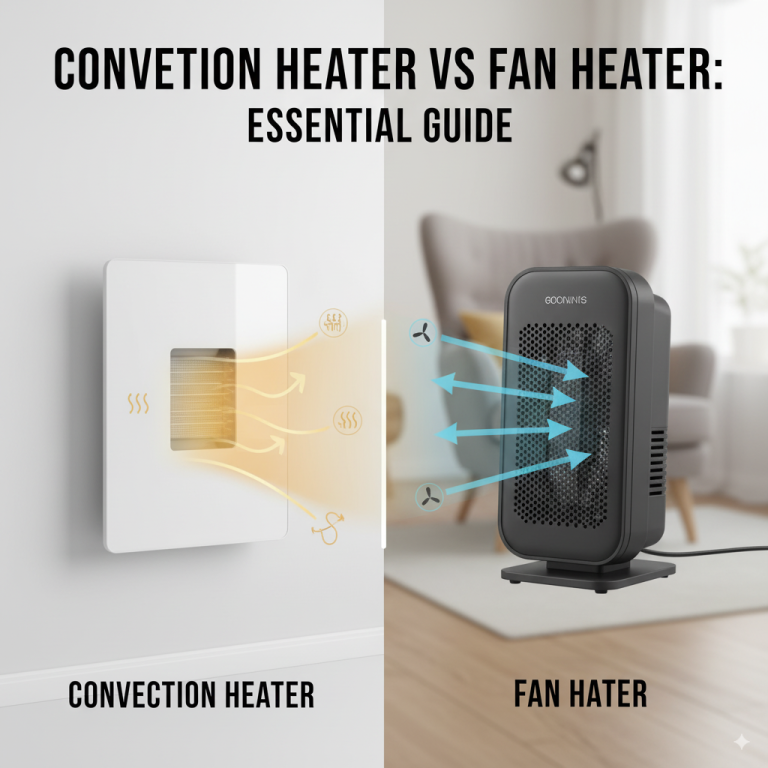
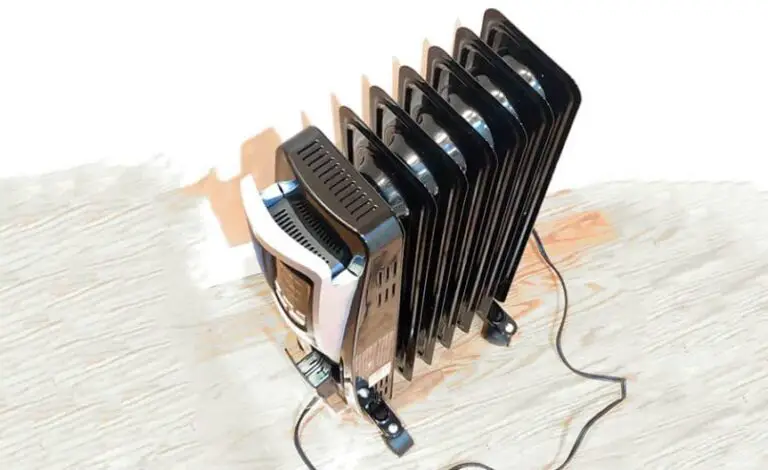
| Convection Heaters (Oil-Filled Radiators) | Slower heat release, can maintain a more even temperature once heated. | Can take longer to heat a room. Exterior surfaces can get very hot. | Generally safe, but exterior can be a burn risk for prolonged contact. |
| Infrared Heaters (Radiant Heaters) | Heat objects and people directly, heating perceived as faster. Quieter operation. | Objects in the direct line of sight of the heater can become very hot. Less effective for general room heating unless specifically designed. | The heating element itself can be a burn risk if touched directly. Keep combustibles away. |
| Fan Heaters (non-ceramic elements) | Can be very compact. | Heating elements can get hotter than ceramic, potentially increasing burn risk. Exposed coils can be a fire risk if not properly guarded. | Require robust safety guards to prevent contact with hot elements. |
| Central Heating Systems (Furnaces, Boilers) | Heats the entire house evenly. | Higher installation cost, requires ductwork or radiators. Malfunctions can be complex and costly. | Generally safe when maintained properly. Risks include gas leaks (for furnaces) or water damage (boilers) if poorly maintained. |
As you can see from the table, ceramic wall heaters often strike a good balance. Their elements are enclosed within a ceramic body, reducing direct burn risks and fire hazards compared to exposed coils. They also heat up quickly, providing immediate comfort.
When to Consider Professional Installation
While many wall-mounted ceramic heaters are designed for DIY installation, there are situations where hiring a professional is the safest and most sensible option:
- Hardwiring: If your ceramic wall heater is designed to be hardwired directly into your home’s electrical system (common for permanent installations), this is a job best left to a qualified electrician. Improper wiring can lead to electrical fires or shock hazards. You can find licensed electricians through resources like the National Electrical Contractors Association (NECA).
- Unfamiliar Electrical Systems: If your home’s wiring is old or you’re unsure about its condition, an electrician can assess it and ensure it can safely handle the load of a new heater.
- Complex Installations: For larger, built-in units or if you need new circuits installed, an electrician has the expertise and tools to do it correctly.
- Code Compliance: Electricians ensure that the installation meets all local building and electrical codes, which is vital for safety and insurance purposes.
Remember, investing in professional installation for complex setups is an investment in your home’s safety.
Troubleshooting Common Safety Concerns
Even with the best designs, sometimes minor issues can arise. Here’s how to handle them safely:
- Unusual Smells: A faint, new plastic smell is normal for the first few uses. However, if you notice a strong burning smell, unplug the heater immediately. It could indicate an internal issue or something (like dust) burning off the element. Let it cool completely before inspecting.
- Strange Noises: A slight whirring from the fan is normal. Any grinding or loud popping sounds warrant unplugging the unit and consulting the manual or manufacturer.
- Heater Not Turning On: First, check if it’s properly plugged in and the outlet has power (test with another small appliance). If it still doesn’t work, the unit might have a blown thermal fuse, and you may need to contact the manufacturer for repair or replacement.
- Overheating Indicator: If your heater has an overheat indicator light or it shuts off frequently, ensure there are no obstructions and that the vents are clean. If the problem persists, the thermostat might be faulty.
Always prioritize safety: if you’re unsure about a problem, it’s better to stop using the appliance and seek professional advice.
FAQ: Your Ceramic Wall Heater Safety Questions Answered
Q1: Can a ceramic wall heater start a fire?
A1: While any heating device carries a small risk, modern ceramic wall heaters are designed with multiple safety features, including overheat protection and flame-resistant materials, to significantly minimize fire hazards. Following safe usage and installation guidelines is key.
Q2: Is it safe to leave a ceramic wall heater on all night?
A2: Yes, if the heater has a thermostat and an automatic shut-off feature for overheating, it is generally safe to leave on overnight. Always ensure it is placed in a safe location, away from flammable materials, and that you have followed all manufacturer instructions.
Q3: Are ceramic wall heaters safe for bathrooms?
A3: Only use ceramic wall heaters that are specifically rated for bathroom use or damp environments. These models will have a higher Ingress Protection (IP) rating, meaning they are designed to resist moisture and splashes. Check the product specifications carefully.
Q4: Can I use a ceramic wall heater with an extension cord?
A4: It is strongly advised not to use extension cords with ceramic wall heaters, especially if they are high wattage. Extension cords can overheat and become a fire hazard. Always plug the heater directly into a properly grounded wall outlet.
Q5: How often should I clean my ceramic wall heater for safety?
A5: It’s a good practice to clean your ceramic wall heater periodically, especially before the heating season begins. Dust accumulation on the elements or fan can reduce efficiency and potentially become a fire hazard. Unplug the heater and use a vacuum cleaner with a brush attachment to gently dust the vents and any accessible parts.
Q6: What does “cool-touch housing” mean for safety?
A6: “Cool-touch housing” means the exterior casing of the heater stays at a much lower temperature than the internal heating elements. This makes it safer to touch accidentally, reducing the risk of burns, especially in homes with children or pets.
Conclusion: Cozy and Safe Heating for Your Home
As we’ve explored, ceramic wall heaters are a safe, efficient, and convenient way to add warmth to your home when used and installed correctly. Their design, featuring enclosed ceramic elements and advanced safety mechanisms like overheat protection, makes them a reliable choice for many households. By following simple installation guidelines, maintaining proper clearances, and adhering to safe usage practices—like plugging directly into outlets and avoiding covering the unit—you can confidently enjoy the comfort they provide. Remember to always refer to your specific model’s manual and, when in doubt, don’t hesitate to consult a qualified professional. With a little care and attention, your ceramic wall heater will be a safe and welcomed source of heat for years to come.